
Using solar panels to charge your smartphone — impressive results

MyBroadband tested two solar smartphone chargers, and the results showed that it is a viable option when you do not have electricity or a power bank.
South Africa’s unstable electricity supply and regular power outages forced people to look for alternative sources to charge their phones.
Outdoor enthusiasts are also forced to invest in power banks or solar chargers to ensure their smartphones don’t run out of juice.
Everyone knows that power banks are reliable and affordable, but what about solar chargers?
MyBroadband tested three solar panel phone chargers to see if they can keep your devices running during the day.
We ordered two products from Takealot:
- An 8-Watt unit for R199.
- A 14-Watt foldable unit, marketed as a camping product, for R899.
The chargers were shipped quickly and arrived in nice packaging the next day.

The build quality of the cheaper panel is fair and is a bit larger than expected. It has a built-in stand to set it up at an angle with a long USB A cable.
It also includes a splitter cable with other ports, including USB C, mini-USB, micro-USB, and two DC jacks.
The more expensive unit is more robust with tough fabric construction. The USB port is attached to the rear alongside a pocket to store your phone while charging.
It is slightly smaller than half the size of the cheap panel when folded up. When unfolded, it is more than double the length.
The more expensive panel did not include a USB cable. However, this should not be a problem as any charging cable can be used with the panel.
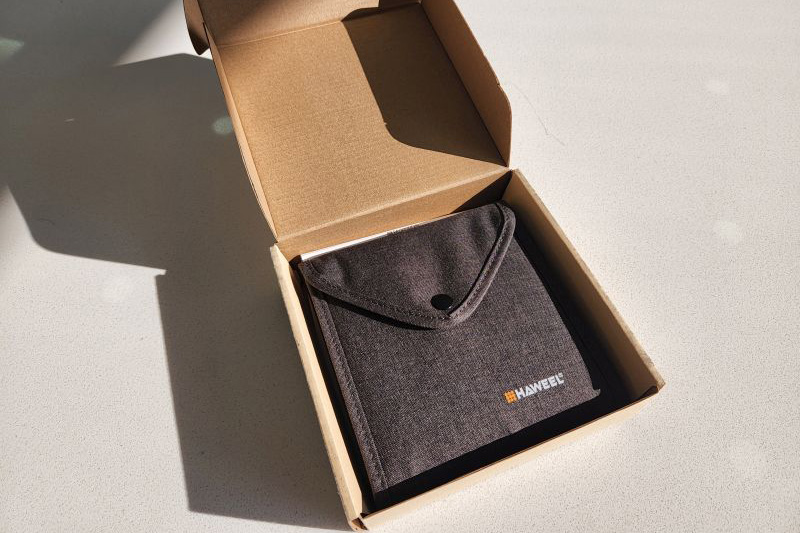
We tested the panels around 14:00 on a sunny day to gauge their real-world performance and maximum power output.
The panels provided stable power, which should be safe to use with any USB device.
The cheap panel was very easy to set up to point directly at the sun. It provided a maximum power of around 6W into the USB load.
When connecting the panel to a Samsung S22+, it immediately indicated incoming charge and measured around 4.5W (through an app called Ampere) while the phone was at 50% charge.

The folding panel was more difficult to set up in an optimal direction, as it seems to be designed to drape over the side of a tent.
Setting it up on a flat surface in direct sunlight only provided 8W into the USB load and charged the phone at just over 5W, according to Ampere.
A full charge in direct sunlight should take less than four hours for most phones with either of the panels.

The cheap solar charger is a good option to charge your phone during the day, assuming you have access to direct sunlight.
The superior construction and portability of the more expensive unit makes it a better option to throw in a backpack for camping or hiking.
Apart from the option to charge your phone, you can also use these solar panels to charge a power bank during the day and then your phone during the evening.
The test showed that solar panels are definitely a great addition for people who spend time in areas without electricity.
Now read: Amazon’s new 10-megawatt solar plant in South Africa up and running


 Loading ...