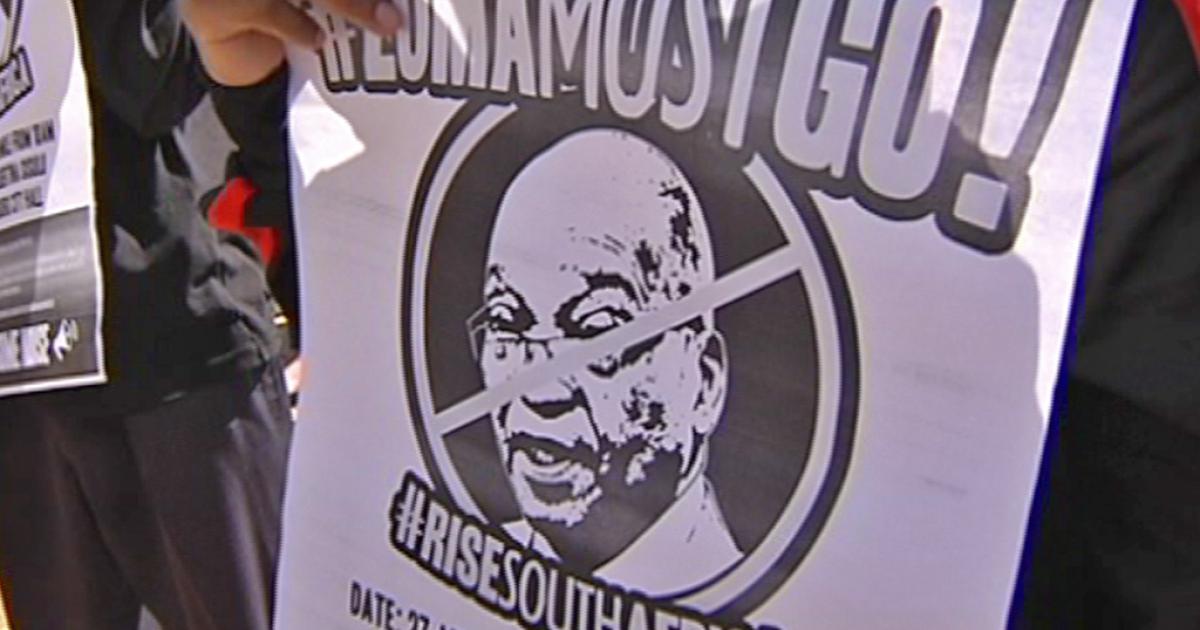
What made the 7 April protest extraordinary was that it was not organised by a political party or an organised labour entity. It was instead an action triggered by civil society and a number of leaders who heard the howls of frustration and suggested a call to action; “Moan less and express your frustration through a show of unity by taking to the streets – peacefully.” Do so on one day and sacrifice a day’s leave if need be. Better still, business owners, if you too are angry, give your staff a day off and close your doors, if you can afford to do so.
The day of Friday 7 April was proposed by civil society leadership and the energy began to unleash itself. Calls came from towns and cities around the country – “we also want in on the action”. And so it was that with a little guidance and suggestions, communities elected their leaders to take control, apply for protest permissions, select the venues and get on with arranging themselves.
...
The energy was immense and before we knew it, Friday the 7th had arrived. Those who said it would be a damp squib were silenced. Not even a last-minute press conference by the acting Police Commissioner, Kgomotso Phahlane, to warn of harsh police action to quell a mistakenly unapproved protest could stop the energy. Fortunately, smart and fast reaction by Mark Heywood of SECTION27 and his legal team were able to get a last-minute court order to enable the public’s constitutional rights to play out in Pretoria – the last hurdle had been removed.
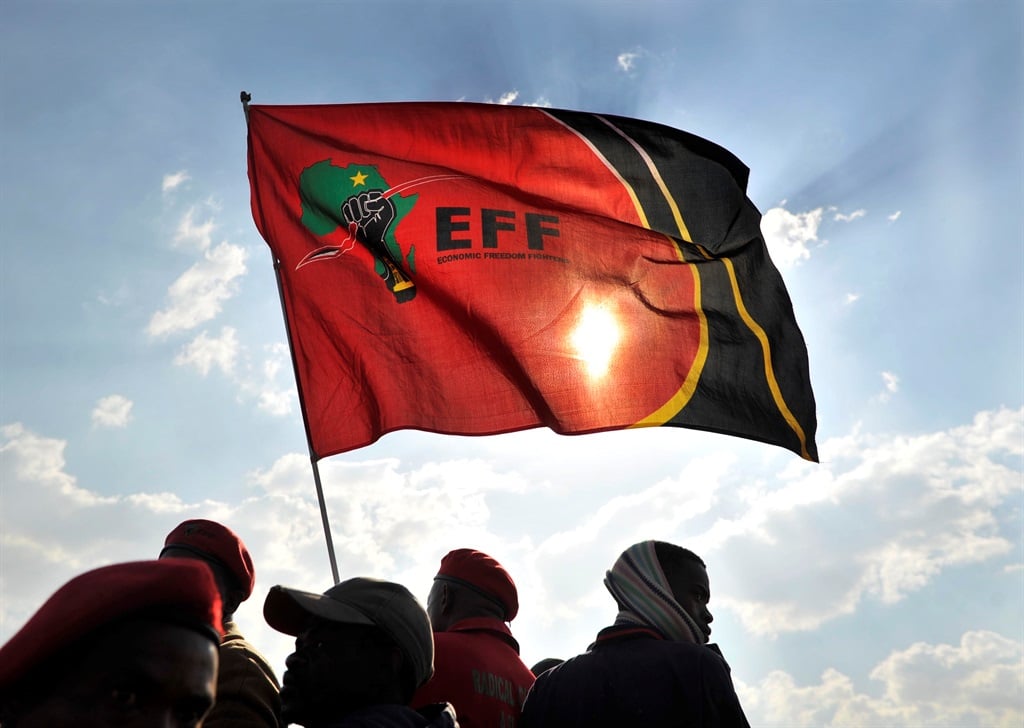
Additionally, the governing authorities also got a whiff of a new energy and anger by the middle class, the most powerful sector of society. What was more impressive is that the protests were multiracial, multicultural, multireligious and apolitical. The authorities certainly underestimated the turnout and a picture of the seeds of an Arab Spring might have even crossed their minds.



/file/dailymaverick/wp-content/uploads/protestMarch2.jpg)