


-
- News
-
Categories
- 5G
- ADSL
- AI
- Banking
- Black Friday
- Broadband
- Broadcasting
- Business
- Business Telecoms
- Cellular
- Cloud and Hosting
- Columns
- Cryptocurrency
- Energy
- Enterprise
- Fibre
- Gadgets
- Gaming
- Government
- Hardware
- Industry News
- Internet
- Internet of Things
- Investing
- IT Services
- Motoring
- Reviews
- Science
- Security
- Smartphones
- Software
- Technology
- Telecoms
- Trending
- Wireless
- Press Office
- Forum
- Industry News
- Features
- Company hub
- Speed Test
- About us
- Advertise with us
- Contact
- Careers
-
Join the MyBroadband community
South Africa’s biggest forum. Discuss, discover, and connect with thousands of members.
-
Question of the Day: If you were buying a TV today, which brand would you choose?
You are using an out of date browser. It may not display this or other websites correctly.
You should upgrade or use an alternative browser.
You should upgrade or use an alternative browser.
IRAN WAR: You can't lose, if you don't have a goal
- Thread starter Sapphiron
- Start date

airborne
Honorary Master
- Joined
- Jul 13, 2007
- Messages
- 28,600
- Reaction score
- 14,869
This new drone warfare must be making soldiers sht themselves, at anytime drones can pitch up out of nowhere with pinpoint accuracy and even in the dead of night

And it’s soo low cost, previously powers like Israel had superiority in near every facet of a war with these relatively small militias but now their very expensive tanks and other pricey hardware can be taken out at will with drones.
It seems in Lebanon at least the IDF have very little anti-drone systems in place?

Mephisto_Helix
Resident Postwhore
Hope they are barred at the border even more now
OutlawJoseyWales
Executive Member
- Joined
- May 1, 2022
- Messages
- 6,205
- Reaction score
- 7,108
That was the point. USA can just pack up and go and that is "losing" but USA itself is not even threatened.
Sometimes losing respect and fear from countries worldwide for the "superpower's" loss of capability can be worse than losing the kinetic war.

Blu82
Honorary Master
- Joined
- Nov 15, 2005
- Messages
- 12,979
- Reaction score
- 19,845
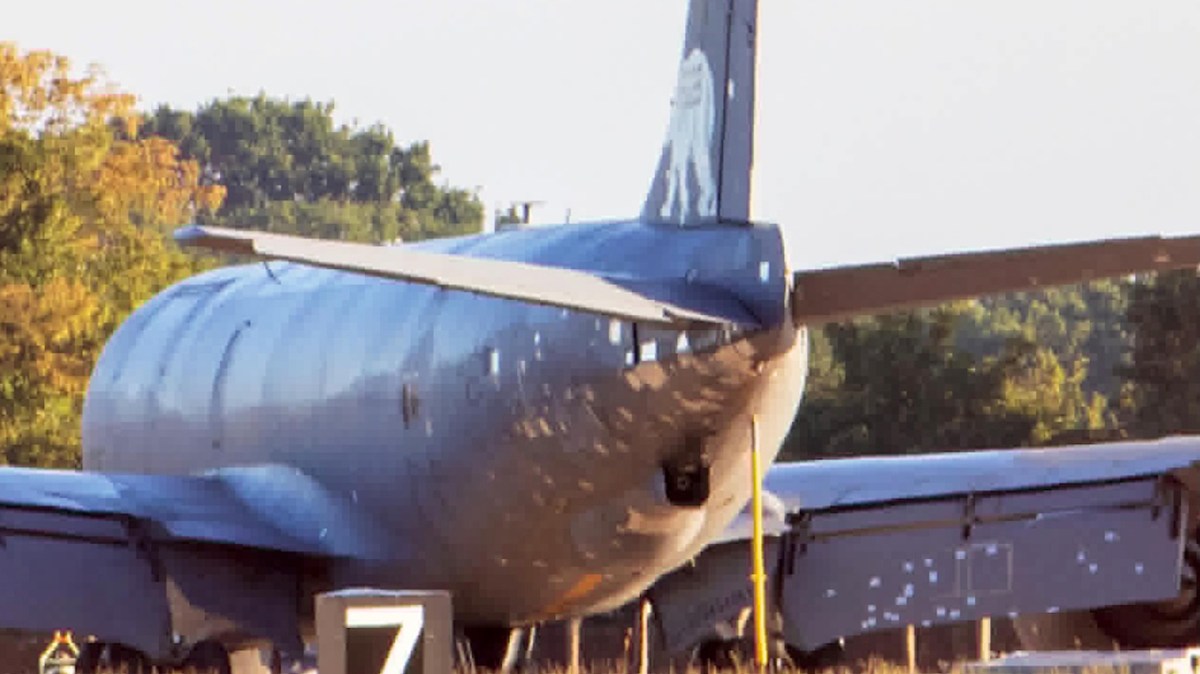
Another Battle Damaged KC-135 Tanker Seen Passing Through RAF Mildenhall
The images of the shrapnel-peppered KC-135 are another example of the damage inflicted by Iran during the now-paused war.
 www.twz.com

DashPole
Well-Known Member
They tried using jammers but those don't work against drones that are piloted via fibre optic cables.This new drone warfare must be making soldiers sht themselves, at anytime drones can pitch up out of nowhere with pinpoint accuracy and even in the dead of night
And it’s soo low cost, previously powers like Israel had superiority in near every facet of a war with these relatively small militias but now their very expensive tanks and other pricey hardware can be taken out at will with drones.
It seems in Lebanon at least the IDF have very little anti-drone systems in place?
Blu82
Honorary Master
- Joined
- Nov 15, 2005
- Messages
- 12,979
- Reaction score
- 19,845
Ukraine and Russia don't use fibre optic drones as much anymore since the fibre reels got too expensive.They tried using jammers but those don't work against drones that are piloted via fibre optic cables.

Wut
Executive Member
Neptuner
Executive Member
Eternal victims at it again.
Wut
Executive Member
I think someone complained because their GF was taken out in a drone strikeEternal victims at it again.


Prawnapple
Expert Member
- Joined
- May 18, 2015
- Messages
- 3,730
- Reaction score
- 2,649
Nice joke guys, still not #winning
Neptuner
Executive Member
It wasnt just that I think the one posted by champ about the drones was removed as well. Thats some serious butt pain.I think someone complained because their GF was taken out in a drone strike
Wut
Executive Member
That post was removed and so was mine which linked to the original post about the strike. I think someone definitely got his feefees hurt, but I won't name namesIt wasnt just that I think the one posted by champ about the drones was removed as well. Thats some serious butt pain.


satanboy
Psychonaut seven
So the drones are tethered to another vehicle?They tried using jammers but those don't work against drones that are piloted via fibre optic cables.
Autonomous Navigation: Weapons like the Shahed-136 use pre-programmed GPS and inertial navigation systems. Once they approach their target area, they are capable of switching off receivers to avoid electronic jamming or relying on autonomous, terrain-matching optical software to find their targets.
Last edited:
Wut
Executive Member
Tethered direct to the controller.So the drones are tethered to another vehicle?
DashPole
Well-Known Member
The Shahed is not the same type of drone.So the drones are tethered to another vehicle?
These are your run of the mill drones from DJI etc that have a fibre link connected to them.

Tethered and Unstoppable: How Fiber-Optic Drones Are Rewriting the Rules of Battlefield Control
Fiber-optic drones are transforming electronic warfare by offering unjammable control and high-definition video.
 dronelife.com
satanboy
Psychonaut seven
Almost sounds like a joke. Wouldn't the cable get tangled in trees, masts or buildings?
edit:
edit:
- Snag Risk: Long cables can get caught on vegetation, fences, or buildings. Operators must fly at specific angles or along pre-cleared paths to avoid cable drag.
- Reduced Maneuverability: The drone is physically tethered to the pilot’s location. Unlike conventional FPVs that can dive behind cover or bank hard around obstacles, fiber-optic drones operate in a more constrained envelope.
- Limited Range and Payload: The length and weight of the cable restrict how far and how fast the drone can go, as well as how much explosive or equipment it can carry.
- Battlefield Debris: As noted in The Moscow Times, battlefields are now littered with strands of broken fiber. This debris not only clutters the terrain but can pose hazards to soldiers and wildlife alike.
Blu82
Honorary Master
- Joined
- Nov 15, 2005
- Messages
- 12,979
- Reaction score
- 19,845
Also with the recent increase in fibre pricing too expensive so Russia and Ukraine has started using less of them.Almost sounds like a joke. Wouldn't the cable get tangled in trees, masts or buildings?
edit: