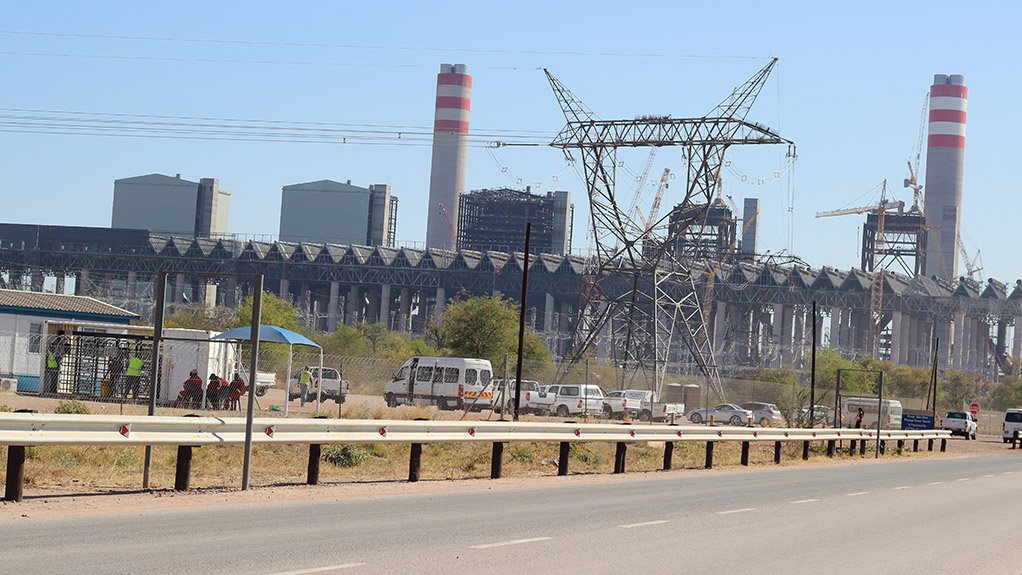
NTCSA estimates that rooftop solar PV reached 8,294MW in May 2026

mylesillidge

Journalist
Joined
Jul 29, 2021
Messages
3,997
Reaction score
4,239
South Africans with solar power give Eskom a kick in the teeth

The latest data from the National Transmission Company of South Africa (NTCSA) shows substantial growth of behind-the-meter rooftop solar power at homes and businesses over the last year.

In its latest system status outlook, the NTCSA estimated the combined capacity of these systems reached 8,294 megawatts (MW) in May 2026.
 
“At roughly 65%, it is at about the same level as in 2020, when Eskom still had to implement significant amounts of load-shedding. Therefore, the decline in demand has been a pivotal factor.“

We know this. But as per usual where is the data on how many businesses Eskom’s loadshedding and GVT killed. And how does that play into demand drop.

Would be nice to show demand drop due to Solar and due to business collapse.

At this point everyone knows that Eskom didn’t stop load shedding. But what did? Or what contributed more, solar or dying industries.
 
“At roughly 65%, it is at about the same level as in 2020, when Eskom still had to implement significant amounts of load-shedding. Therefore, the decline in demand has been a pivotal factor.“

We know this. But as per usual where is the data on how many businesses Eskom’s loadshedding and GVT killed. And how does that play into demand drop.

Would be nice to show demand drop due to Solar and due to business collapse.

At this point everyone knows that Eskom didn’t stop load shedding. But what did? Or what contributed more, solar or dying industries.
Solar did a good bit, but the biggest drop was because all those energy intensive industries went either bust, or changed from electricity to gas, or got their own solar plant in instead, so as to cut the demand by a chunk. Eskom has not suddenly improved performance, or gotten all power plants up to date maintenance wise, but more that demand dropped by at least 8 stages of load shedding, and also the load reduction Eskom does in those areas of high demand but no matching billing payment, shed them whenever the power draw is above a baseline, and leave them off for 6 hours then, so the load surge when they come back can be predicted into overall load dropping, so the peak does not mean bringing extra plant on line to cover it.
 
“At roughly 65%, it is at about the same level as in 2020, when Eskom still had to implement significant amounts of load-shedding. Therefore, the decline in demand has been a pivotal factor.“

We know this. But as per usual where is the data on how many businesses Eskom’s loadshedding and GVT killed. And how does that play into demand drop.

Would be nice to show demand drop due to Solar and due to business collapse.

At this point everyone knows that Eskom didn’t stop load shedding. But what did? Or what contributed more, solar or dying industries.
Both.
 
Solar did a good bit, but the biggest drop was because all those energy intensive industries went either bust, or changed from electricity to gas, or got their own solar plant in instead, so as to cut the demand by a chunk. Eskom has not suddenly improved performance, or gotten all power plants up to date maintenance wise, but more that demand dropped by at least 8 stages of load shedding, and also the load reduction Eskom does in those areas of high demand but no matching billing payment, shed them whenever the power draw is above a baseline, and leave them off for 6 hours then, so the load surge when they come back can be predicted into overall load dropping, so the peak does not mean bringing extra plant on line to cover it.
Aye, AI tells me:

2000–2007: Demand rose consistently. Total electricity available peaked around 2007/2008, fueled by robust economic growth and low electricity tariffs.

2008–2021: Demand stagnated and fluctuated near 2008 levels. Supply deficits, economic instability, and mandatory rolling blackouts (load shedding) effectively capped consumption.

2022–Present: Demand has declined by roughly 3% annually. This is attributed to sluggish economic growth alongside a mass exodus of businesses and households to private embedded generation (solar PV).
 
“At roughly 65%, it is at about the same level as in 2020, when Eskom still had to implement significant amounts of load-shedding. Therefore, the decline in demand has been a pivotal factor.“

We know this. But as per usual where is the data on how many businesses Eskom’s loadshedding and GVT killed. And how does that play into demand drop.

Would be nice to show demand drop due to Solar and due to business collapse.

At this point everyone knows that Eskom didn’t stop load shedding. But what did? Or what contributed more, solar or dying industries.
Well they kinda did, remember Kusile and Medupi came fully online, breaking in about 5GW alone from 2020
 
Well they kinda did, remember Kusile and Medupi came fully online, breaking in about 5GW alone from 2020
Hows that story about the chimneys built backwards at medupi. Now they have to move all the pipes to the other side. Oh, and they only work 3 hours a day.
 
Hows that story about the chimneys built backwards at medupi. Now they have to move all the pipes to the other side. Oh, and they only work 3 hours a day.
Never heard those stories, but i don't really follow much eskom stuff anymore.
 
Never heard those stories, but i don't really follow much eskom stuff anymore.
Nothing official, just hearsay from a twitter post. The substation they busy building is supposed to have aircon but even that isnt working or finished as they only work 3 hours a day and the local mayor is in charge of the catering contract.
 
Nothing official, just hearsay from a twitter post. The substation they busy building is supposed to have aircon but even that isnt working or finished as they only work 3 hours a day and the local mayor is in charge of the catering contract.
Ah the usual
 
Well they kinda did, remember Kusile and Medupi came fully online, breaking in about 5GW alone from 2020
We still had loadshedding another 2/3 years later. EAF was same as now. So Eskom didn’t stop loadshedding. Demand drop did.

I just don’t know who made the larger contribution, dying industry or solar.
 
We still had loadshedding another 2/3 years later. EAF was same as now. So Eskom didn’t stop loadshedding. Demand drop did.

I just don’t know who made the larger contribution, dying industry or solar.
Nope EAF was in the low 50s, not the same as now
1782104421570.png
Look at even last year March and April,
Units 1, 2, and 3—which had their main stacks damaged in October 2022—have now been permanently repaired and reconnected to the Flue Gas Desulphurization (FGD) systems. Unit 1, the final of the three to undergo permanent repairs, safely returned to the national grid in May 2025. Together, they add 2,400MW to the power grid, contributing to the extended period of zero load shedding in South Africa
Medupi Power Station’s Unit 4 was successfully returned to service, adding 800 MW to the national grid. The unit was brought back online eight months ahead of schedule by utilizing a refurbished generator stator sourced from the Netherlands. [1]
Here are the key details regarding the unit's return:
  • Return Date: The unit was officially reintegrated into the grid on July 6, 2025.
  • Capacity Added: 800 MW.
 
Nope EAF was in the low 50s, not the same as now
View attachment 1916197
Look at even last year March and April,
Units 1, 2, and 3—which had their main stacks damaged in October 2022—have now been permanently repaired and reconnected to the Flue Gas Desulphurization (FGD) systems. Unit 1, the final of the three to undergo permanent repairs, safely returned to the national grid in May 2025. Together, they add 2,400MW to the power grid, contributing to the extended period of zero load shedding in South Africa
Medupi Power Station’s Unit 4 was successfully returned to service, adding 800 MW to the national grid. The unit was brought back online eight months ahead of schedule by utilizing a refurbished generator stator sourced from the Netherlands. [1]
Here are the key details regarding the unit's return:
  • Return Date: The unit was officially reintegrated into the grid on July 6, 2025.
  • Capacity Added: 800 MW.
How do you know all this but at the same time don’t know the chimneys are backwards?
 
Only info I can find about backwards and medupi
 
Only info I can find about backwards and medupi
2014? Yeah, just because journalists are dumb as **** and don’t know the difference between kWh and kW and that Eskom/Gov will slit your throat if given half the chance and that power stations are national key points, I doubt we will ever know.
 
Nope EAF was in the low 50s, not the same as now
View attachment 1916197
Look at even last year March and April,
Units 1, 2, and 3—which had their main stacks damaged in October 2022—have now been permanently repaired and reconnected to the Flue Gas Desulphurization (FGD) systems. Unit 1, the final of the three to undergo permanent repairs, safely returned to the national grid in May 2025. Together, they add 2,400MW to the power grid, contributing to the extended period of zero load shedding in South Africa
Medupi Power Station’s Unit 4 was successfully returned to service, adding 800 MW to the national grid. The unit was brought back online eight months ahead of schedule by utilizing a refurbished generator stator sourced from the Netherlands. [1]
Here are the key details regarding the unit's return:
  • Return Date: The unit was officially reintegrated into the grid on July 6, 2025.
  • Capacity Added: 800 MW.
But we found stats the other day showing otherwise, @wingnut771 had the data posted a long while ago. W had similar EAF and there was loadshedding back then.
 
Top
Sign up to the MyBroadband newsletter
X