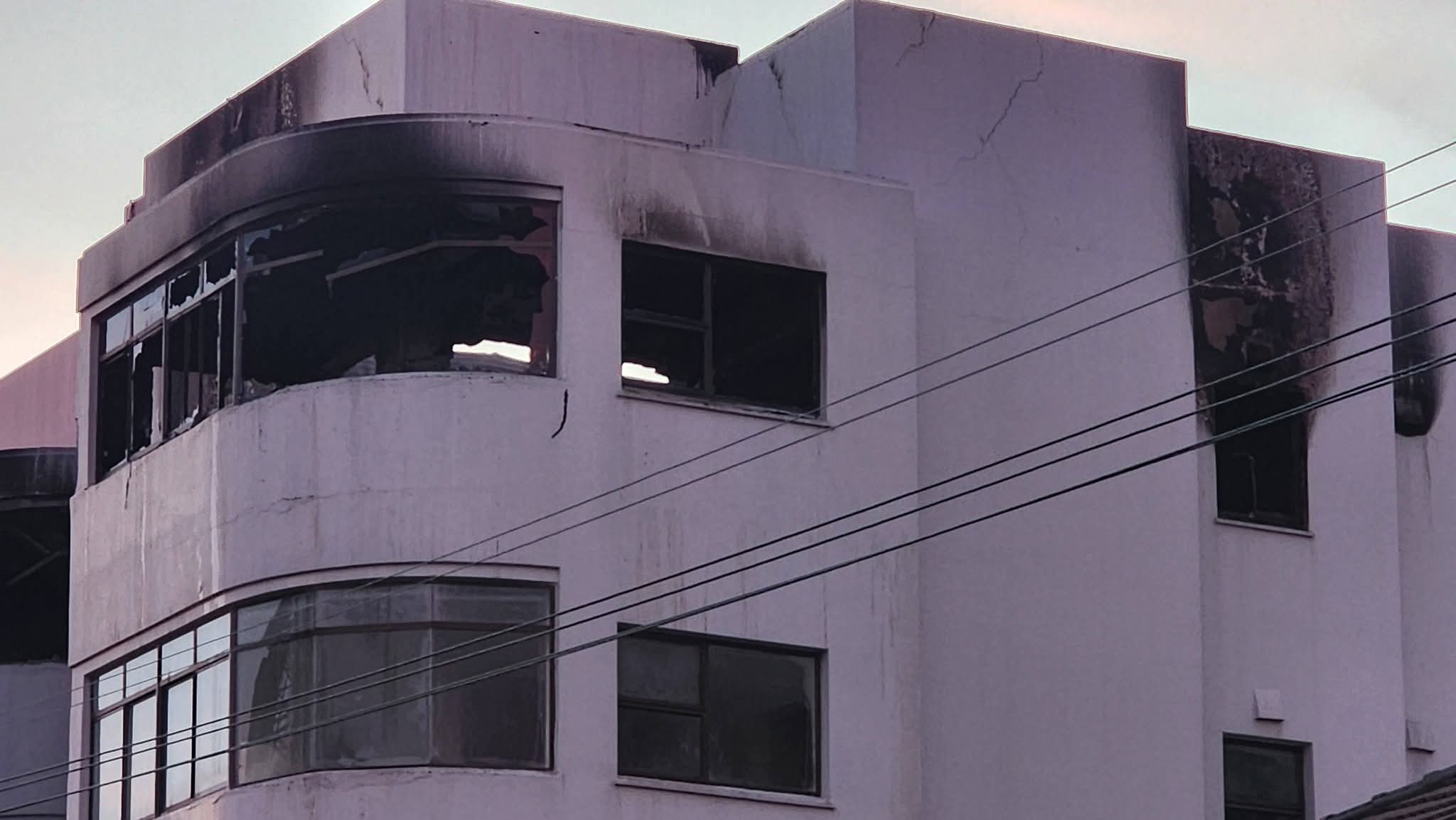
If a heritage building burns down in South Africa, it is strictly protected by the National Heritage Resources Act 25 of 1999. This means you cannot simply demolish the remains or rebuild a modern structure; you must navigate a strict legal, environmental, and restoration process.
1. Mandatory Post-Fire Site Protection
Site Freeze: The site is immediately cordoned off. It is an offense to disturb, clear, or alter any part of the site without written permission from the relevant authority.
Assessments: Structural engineers and heritage architects appointed by the owner must conduct a damage assessment to determine what original fabric, walls, or materials are salvageable.
2. Legal Requirements to Restore or Rebuild
Permits Required: Because the remains (and any structure older than 60 years) are protected, the owner must obtain a special permit from the South African Heritage Resources Agency (SAHRA) or the relevant Provincial Heritage Resources Authority to do any work, including clearing debris.
Reinstatement: Heritage authorities heavily prioritize the preservation of the building's original design, spatial integrity, and traditional materials. Reconstruction often requires sourcing period-appropriate materials and matching historical proportions, making it significantly more expensive and time-consuming than standard reconstruction.
3. Investigation and Accountability
Cause Investigation: The police (SAPS) and fire departments investigate the cause of the fire.
Liability: If the fire was caused by the owner's negligence (e.g., lack of maintenance or failure to meet fire regulations like SANS 10400-T), they can face massive insurance claim denials or criminal charges for violating heritage and safety laws. If the fire is deemed arson, perpetrators face additional charges for damaging national heritage.
4. Exceptions for Total Destruction
If a building is completely destroyed beyond any possibility of physical reconstruction or the salvage of original elements, authorities may eventually declare that the heritage value has been lost. However, even in cases of complete demolition, you cannot build whatever you want. The site will still be subject to zoning laws, and a modern replacement structure often requires public participation and approval from local heritage councils to ensure it fits the character of the surrounding area.