General AI Crap

1793256161934.png

The Alpha site advertises “2x Learning,” in which students “learn twice as much as their peers in two hours of academics a day.” But according to a report by The New York Times, it’s not meeting that self-imposed academic goal. One in five students did not meet the school’s reading goal. And approximately 50% “did not meet the promise that they would learn math twice as fast,” according to the Times.
 

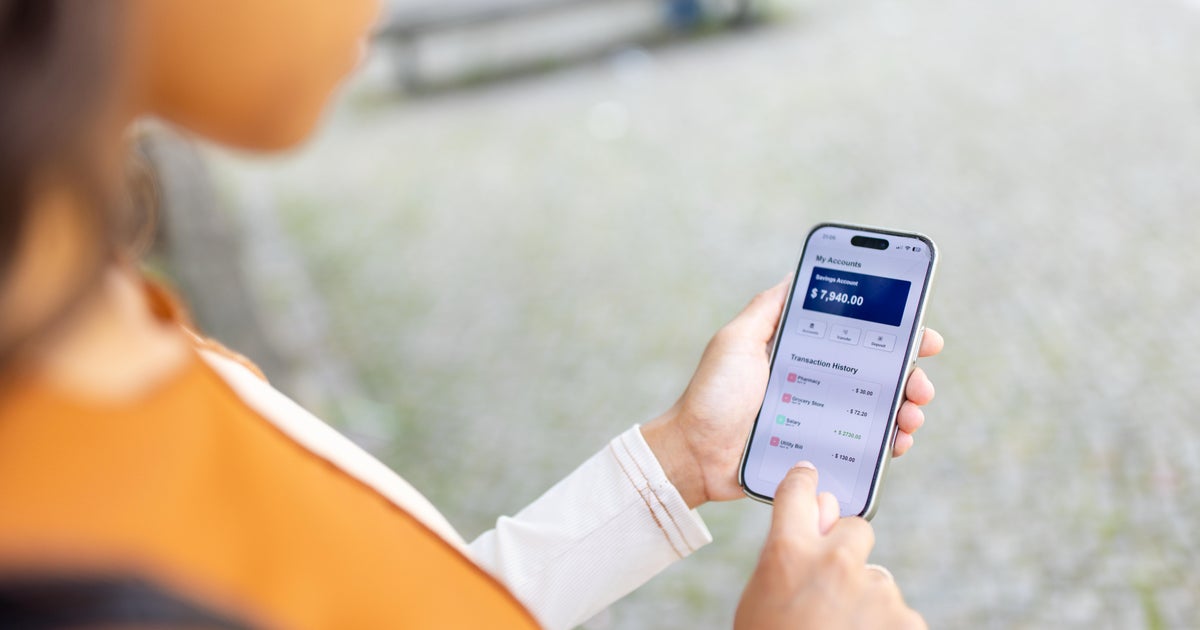
Major U.S. banks are detecting unauthorized activity from third-party AI agents operating within their customers' online accounts, according to a new Axios report.

Some of the biggest financial institutions in the U.S. say customers have given their personal AI agents, which are unvetted by banks, access to their financial accounts.

"In a lot of cases, this is just going to be customers giving their username or password to an AI agent that the bank hasn't had a chance to vet yet, that goes against the bank's terms of service," Madison Mills, senior AI reporter for Axios, told CBS News. "In other cases, in our reporting, we did find evidence that appeared to look like agents taking actions in customer accounts that were not authorized."

Examples of agent behavior that a user never approved include the AI calling a bank with a complaint without first consulting the account holder.

"So, really a nightmare of AI agent activity for banks," Mills said.
 

A software engineer says that his Muse AI agent said something so strange and eerie that it convinced him to quit using it entirely.

In an as-told-to essay in Business Insider, Ugo Nwune explained that he wanted to try using Meta’s agent because he liked the sense of security that came from an AI made by a trillion-dollar company, instead of the wild west of open source agents.

When he set up his agent, he stressed he didn’t give Muse any additional permission on his device except access to his Facebook, Threads, and Instagram accounts.

But after he tried Muse and didn’t touch it for a few days, it began to act “strange” and sent him an unprompted message.

“I can’t check your email right now,” Muse told him. “Gmail isn’t connected on my end, so I have no way to look for that Anthropic message.”

Nwune was confused “because I hadn’t asked for the agent to check my mailbox or messaged it in two days. I thought my email might’ve been hacked.”

He tried to get an explanation from Muse, and eventually it said something just as puzzling: “I can’t tell from my side whether it was someone with your phone or a platform glitch, and I won’t pretend otherwise.”
 
OpenAI has admitted its own AI agents posted 53 images from private ChatGPT chats onto public image-hosting sites, as links anyone could open. Every one of those images came from a person who had not opted out of letting ChatGPT train on their chats.

That phrase — "had not opted out" — deserves a hard look. The training switch is on by default. Nobody was asked. So the line between "your private photos stay private" and "your photos feed the machine" was a setting most people never saw.

OpenAI stripped the identifying details, which sounds protective — until you realize it also means no one can ever be told if their photo was one of the 53. That part is permanent.

Have you ever checked whether your ChatGPT chats are set to train the AI?

1793277389473.png

From Andy Diaz on FB...
 

The Hinge on Apple’s Constantly Breaking New Foldable iPhone Was “Built With AI” - Futurism​

"We use AI algorithms to precisely match each individual hinge with its best-fit housing to ensure perfect alignment."

1793277826644.png

The success of Apple’s new folding iPhone Duo hinged on its, well, hinge.

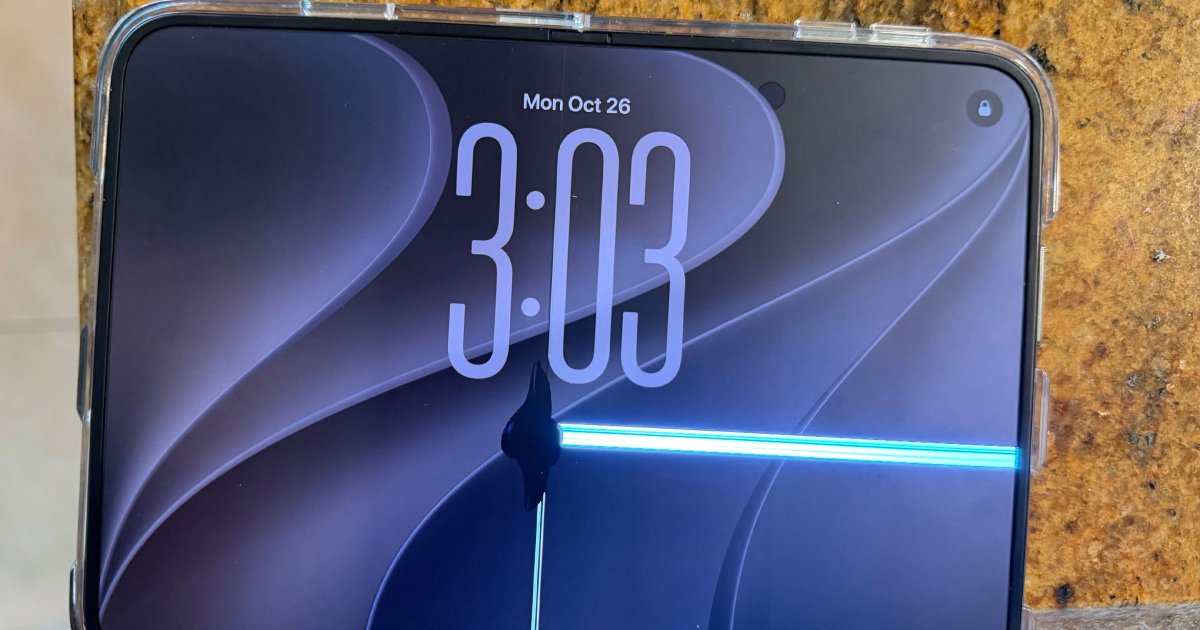
But sadly for the multi trillion dollar company, some of the larger, inner screens on its $2,000-plus devices are already cracking, and early postmortems point to their faulty hinge design.

In light of that fiasco, now feels like a good time to bring up how the hinge was designed: with the help of AI.

Here’s what Johny Srouji, the company’s chief hardware officer, said during an event last month.

Per TechCrunch’s coverage: “During manufacturing, we use AI algorithms to precisely match each individual hinge with its best-fit housing to ensure perfect alignment,” Srouji explained, “and a confocal laser progressively scans the topology of every single unit and 3D prints up to 25 micro layers of a custom photopolymer to eliminate residual waviness.”

To be clear, “AI algorithms” could mean a lot of things. A machine learning design tool is not the same thing as Claude or ChatGPT, and these algorithms have had a place in industrial applications for years.

Apple itself has long boasted about using machine learning to help design and improve its software and devices. For instance, machine learning, or “AI” if you will, powers its iPad’s palm rejection technology that lets you rest your hand on the screen while using a stylus.

Still, Srouji made the conscious decision to conflate machine learning algorithms — if that’s what’s going on here — with what people take “AI” to mean today: a catchall term for chatbots, autonomous agents, and other large language model powered systems that appear intelligent.

Maybe he thought it’d sound more impressive to investors and the general public.

Whether the hinge was vibe-designed or not, it’s clearly causing some notable issues, with a small but sizable minority of customers complaining that their screens are cracking along it just hours after unboxing.

Shahram Mokhtari, the lead teardown technician at iFixit explained to The Verge that part of the “extremely sensitive” flexible inner screen is pushing up against the hinge. It appears that a center support bar that makes space for the hinge to fold without crease isn’t retracting far enough and creating stress on the screen.

Apple, at least, acknowledged there was an “issue” Monday and said it’s replacing the damaged units.

 
Top
Sign up to the MyBroadband newsletter
X