


-
- News
-
Categories
- 5G
- ADSL
- AI
- Banking
- Black Friday
- Broadband
- Broadcasting
- Business
- Business Telecoms
- Cellular
- Cloud and Hosting
- Columns
- Cryptocurrency
- Energy
- Enterprise
- Fibre
- Gadgets
- Gaming
- Government
- Hardware
- Industry News
- Internet
- Internet of Things
- Investing
- IT Services
- Motoring
- Reviews
- Science
- Security
- Smartphones
- Software
- Technology
- Telecoms
- Trending
- Wireless
- Press Office
- Forum
- Industry News
- Features
- Company hub
- Speed Test
- About us
- Advertise with us
- Contact
- Careers
-
Join the MyBroadband community
South Africa’s biggest forum. Discuss, discover, and connect with thousands of members.
-
Question of the Day: What is your ultimate pancake filling/topping?
You are using an out of date browser. It may not display this or other websites correctly.
You should upgrade or use an alternative browser.
You should upgrade or use an alternative browser.
Why you should buy an electric car in South Africa
- Thread starter Bradley Prior
- Start date
FiestaST
Honorary Master
FiestaST
Honorary Master
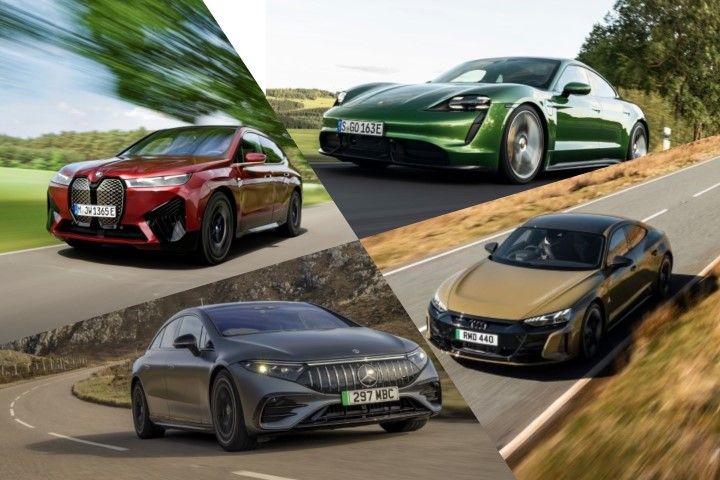
5 Most Powerful Electric Cars in South Africa
 www.cars.co.za
5 Most Powerful Electric Cars in South Africa
If you are a power-hungry EV buyer then consider these most powerful electric cars available in South Africa! Which one would you choose?

Naks
Honorary Master
- Joined
- Jun 3, 2009
- Messages
- 10,058
- Reaction score
- 5,987

FiestaST
Honorary Master
Paywall:
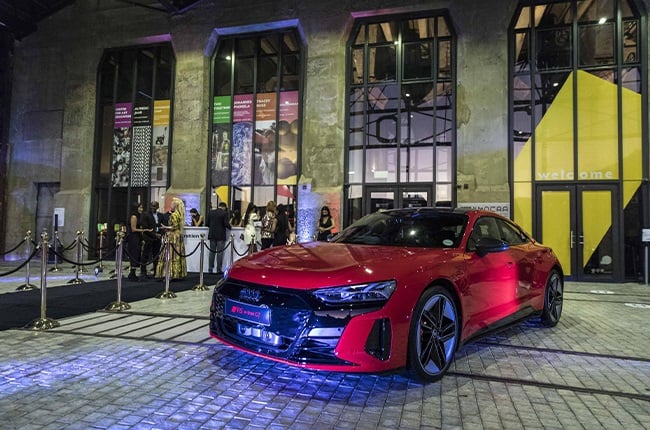
Would electric cars make good police vehicles in South Africa?
 www.news24.com
Would electric cars make good police vehicles in South Africa?
Would electric cars make good police vehicles in South Africa? | Life
With its stealth and speed, offenders wouldn't hear or even see an electric "cop car" bearing down on them. While now might not be the right time for South Africa to introduce EVs into its police fleet, it may not be a bad thing in the future.
www.news24.com
FiestaST
Honorary Master
Buying a new electric car in South Africa – Everything you get for the price

 topauto.co.za
Buying a new electric car in South Africa – Everything you get for the price
In South Africa, buying an electric car is usually accompanied by a comprehensive welcome package to make the transition from fossil fuels to battery power less unnerving.
topauto.co.za
FiestaST
Honorary Master
These are the countries phasing out internal combustion engines
The European Union approved on Monday a deal that will lead to the phaseout of sales of new CO2-emitting fossil fuel cars by 2035, with a final green light by energy ministers due on Tuesday.
The 27-nation bloc joins more than a dozen other nations which have set deadlines for ending sales of new cars with internal combustion engines (ICE) which emit toxic gasses that are a major driver of climate change.
The European Union approved on Monday a deal that will lead to the phaseout of sales of new CO2-emitting fossil fuel cars by 2035, with a final green light by energy ministers due on Tuesday.
The 27-nation bloc joins more than a dozen other nations which have set deadlines for ending sales of new cars with internal combustion engines (ICE) which emit toxic gasses that are a major driver of climate change.
FiestaST
Honorary Master


LazyLion
King of de Jungle
Came here to post this.... where are you going to charge these types of cars in South Africa, if they struggle to even charge them in the first world countries?It seems to be more of an issue than what you might think:
FiestaST
Honorary Master
New Study Explores How Long Electric Vehicle Batteries Actually Last
If you're buying a used EV, can you trust that the battery won't need to be replaced?
When discussing new electric vehicles, one of the most common questions people have is how long the battery will actually last. Sometimes it’s a snarky question from someone who just hates EVs, but most of the time, it’s a person who’s genuinely concerned. Especially after seeing stories about how much a replacement battery can cost. So how long do EV batteries actually last in the real world?
Recurrent recently conducted a study to answer that exact question, looking at data from about 15,000 cars. That’s a pretty large number of participants, but even the researchers admit the report can’t give us the full story largely because so many EVs on the road today are only a couple of years old. Also, battery technology has come a long way in the last decade, so an early Nissan Leaf’s battery life doesn’t necessarily tell us much about how long a Porsche Taycan’s will last.
But even within the limitations of the study, the results show some encouraging news. If you don’t count cars such as the Chevrolet Bolt that were hit with a battery recall, replacements are pretty uncommon. The oldest mass-market EVs, the Nissan Leaf and the Tesla Model S, had the highest percentage of battery replacements, but overall, only 1.5 percent of EVs in the study had their batteries replaced.
https://jalopnik.com/study-explores-the-electric-vehicle-battery-shelf-life-1850274730

 www.recurrentauto.com
If you're buying a used EV, can you trust that the battery won't need to be replaced?
When discussing new electric vehicles, one of the most common questions people have is how long the battery will actually last. Sometimes it’s a snarky question from someone who just hates EVs, but most of the time, it’s a person who’s genuinely concerned. Especially after seeing stories about how much a replacement battery can cost. So how long do EV batteries actually last in the real world?
Recurrent recently conducted a study to answer that exact question, looking at data from about 15,000 cars. That’s a pretty large number of participants, but even the researchers admit the report can’t give us the full story largely because so many EVs on the road today are only a couple of years old. Also, battery technology has come a long way in the last decade, so an early Nissan Leaf’s battery life doesn’t necessarily tell us much about how long a Porsche Taycan’s will last.
But even within the limitations of the study, the results show some encouraging news. If you don’t count cars such as the Chevrolet Bolt that were hit with a battery recall, replacements are pretty uncommon. The oldest mass-market EVs, the Nissan Leaf and the Tesla Model S, had the highest percentage of battery replacements, but overall, only 1.5 percent of EVs in the study had their batteries replaced.
https://jalopnik.com/study-explores-the-electric-vehicle-battery-shelf-life-1850274730
New Data: How Long Do Electric Car Batteries Last?
We get a lot of questions from our community about electric car batteries. That is partly because the cost of battery replacement is so high (more on that later), but it is also due to limited information.
www.recurrentauto.com
FiestaST
Honorary Master
If Renault SA can price this thing half decently they would make a killing getting EV market share in SA.
There is already tons on interest in the thread.
 www.arenaev.com
 mybroadband.co.za


There is already tons on interest in the thread.
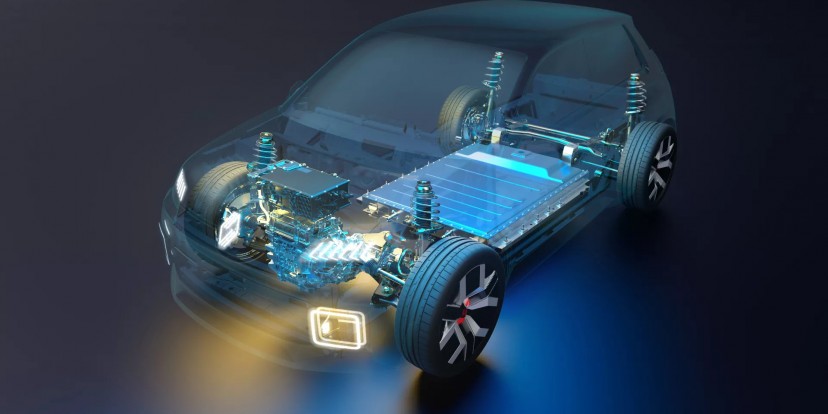
New electric Renault 5 prototypes are already being tested
The company released an official announcement confirming the prototypes of the upcoming all-electric Renault 5 are already undergoing rigorous testing in preparation for market launch.
www.arenaev.com
Renault 5 reborn as electric supermini
Liking the look of this. Hopefully it makes production./ Comeback kid! Renault 5 to be reborn as retro-modern electric city car The new Renault 5 Prototype has been revealed, previewing an upcoming electric city car inspired by the original R5. As a reminder, the Renault 5 was produced from...
mybroadband.co.za
FiestaST
Honorary Master
How CHEAPLY Can You EV Convert Your Old Car? - Fully Charged Show
FiestaST
Honorary Master
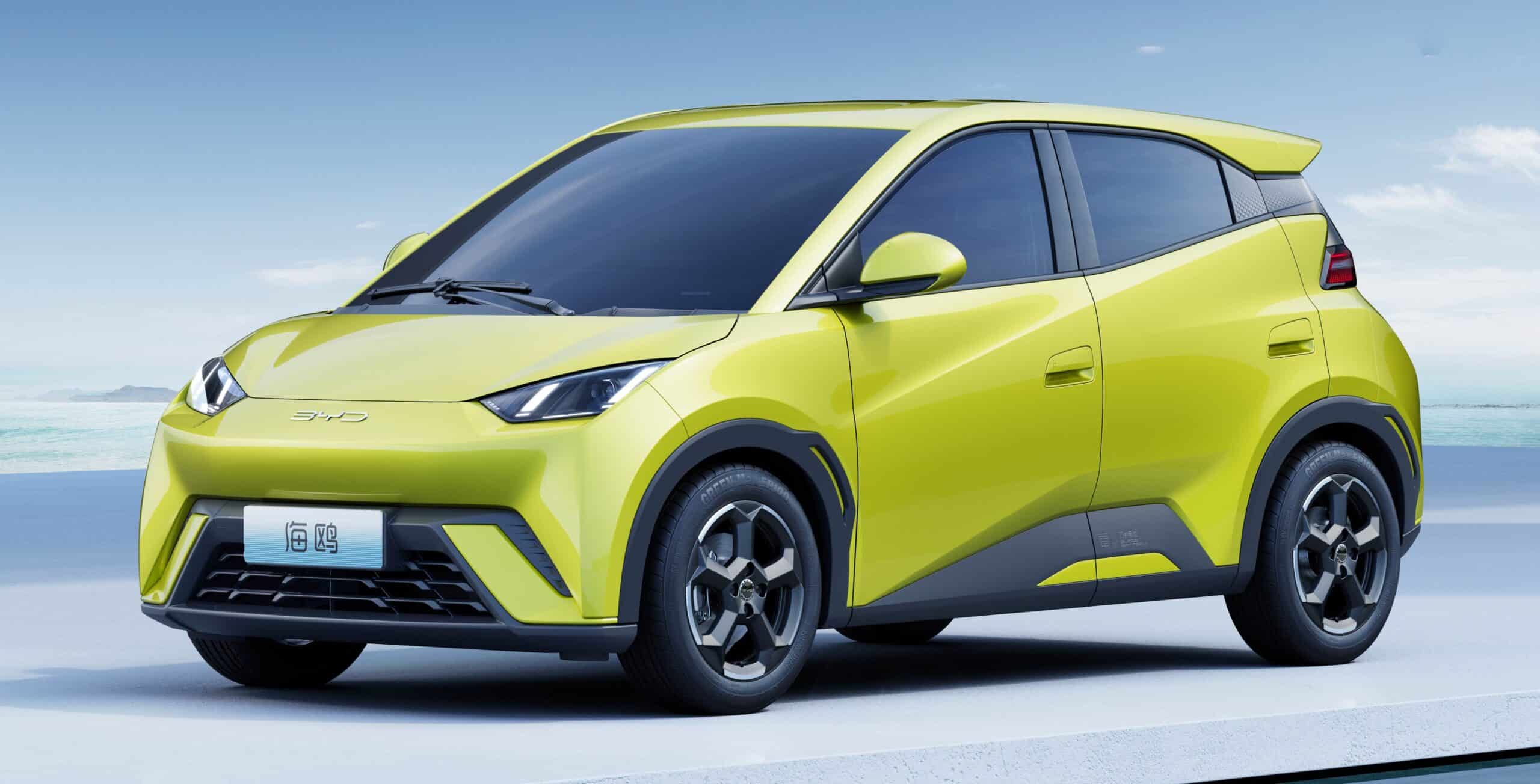
Now this is an EV I'd consider buying if they were brought here at a $12000 (R218K) price tag but our crazy import duties would need to be scrapped first and we all know that is never going to happen.
 carnewschina.com
BYD revealed official pictures of the $11,600 Seagull EV. To launch on April 18, possibly with a sodium-ion battery
This could be a game changer for Asia EV mobility.
carnewschina.com
FiestaST
Honorary Master

ronz91
Expert Member
- Joined
- Apr 15, 2014
- Messages
- 4,139
- Reaction score
- 1,489
thats an unfortunate name
FiestaST
Honorary Master
Why VW won’t build EVs in SA anytime soon
Think Volkswagen will start producing EVs in South Africa in the next couple of years? Think again. VWSA’s boss explains why that likely won’t happen until around 2035…
The head of Volkswagen Group South Africa has explained why it will likely be more than a decade before the German brand starts producing electric vehicles (EVs) at its Kariega plant in the Eastern Cape.
Martina Biene, chairperson and managing director of Volkswagen Group South Africa, made the comments during an exclusive podcast interview with Cars.co.za video journalist, Ciro De Siena, saying she sees locally produced EVs becoming a reality only around 2035.
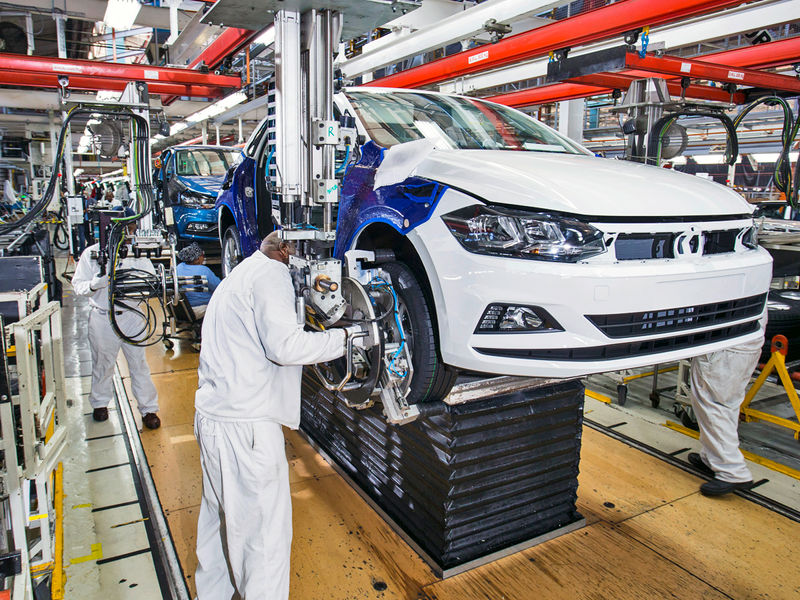
VWSA currently manufactures the Polo hatchback and Polo Vivo at its local facility, while it plans to add a mystery 3rd model to the Kariega production line in the next few years. In addition, a half-tonne bakkie could be spun off the same platform, based on separate comments from Biene.
Of course, all of those models are or will be powered by internal combustion engines. Considering the global shift towards electric mobility – including in key export markets in Europe – what are the chances of the Wolfsburg-based firm adding an EV to its production line in the next few years? Well, Biene suggested such a move was quite some way off.
“The first step is getting EVs into the country on an FBU basis – a fully built unit basis – import them and then grow and also get South African customers to experience them,” she said, pointing out potential buyers still have concerns around range anxiety and indeed whether EVs can really work in South Africa considering the enduring load-shedding crisis.
“I see us producing electric vehicles probably by 2035, in our South African plant. Why is that? That’s also related to our strong local footprint,” said Biene, explaining that around 30 to 35% of vehicles – in the form of the Polo hatchback and Polo Vivo – currently produced at the Kariega facility are sold locally rather than exported.
“We don’t want to be only an export plant for EVs to Europe or to somewhere [else]. So, we would probably need, say, 50 000 units for one model per year to make it meaningful to localise,” she said.
 www.cars.co.za
Think Volkswagen will start producing EVs in South Africa in the next couple of years? Think again. VWSA’s boss explains why that likely won’t happen until around 2035…
The head of Volkswagen Group South Africa has explained why it will likely be more than a decade before the German brand starts producing electric vehicles (EVs) at its Kariega plant in the Eastern Cape.
Martina Biene, chairperson and managing director of Volkswagen Group South Africa, made the comments during an exclusive podcast interview with Cars.co.za video journalist, Ciro De Siena, saying she sees locally produced EVs becoming a reality only around 2035.
VWSA currently manufactures the Polo hatchback and Polo Vivo at its local facility, while it plans to add a mystery 3rd model to the Kariega production line in the next few years. In addition, a half-tonne bakkie could be spun off the same platform, based on separate comments from Biene.
Of course, all of those models are or will be powered by internal combustion engines. Considering the global shift towards electric mobility – including in key export markets in Europe – what are the chances of the Wolfsburg-based firm adding an EV to its production line in the next few years? Well, Biene suggested such a move was quite some way off.
“The first step is getting EVs into the country on an FBU basis – a fully built unit basis – import them and then grow and also get South African customers to experience them,” she said, pointing out potential buyers still have concerns around range anxiety and indeed whether EVs can really work in South Africa considering the enduring load-shedding crisis.
“I see us producing electric vehicles probably by 2035, in our South African plant. Why is that? That’s also related to our strong local footprint,” said Biene, explaining that around 30 to 35% of vehicles – in the form of the Polo hatchback and Polo Vivo – currently produced at the Kariega facility are sold locally rather than exported.
“We don’t want to be only an export plant for EVs to Europe or to somewhere [else]. So, we would probably need, say, 50 000 units for one model per year to make it meaningful to localise,” she said.
Why VW won't build EVs in SA anytime soon
Think Volkswagen will start producing EVs in South Africa soon? Think again. VWSA’s boss explains why that won’t happen until around 2035…
FiestaST
Honorary Master
GWM’s Ora 300 looks set to become South Africa’s cheapest electric car
Apart from load shedding concerns, South African buyers are currently steering well clear of electric cars because they’re so prohibitively expensive.
But things could shift in the right direction later this year when GWM introduces its first EV to South Africa, under the Ora sub-brand.
The first product to reach our shores will be the Ora 300, which is badged Funky Cat in most international markets. It’s likely to hit our shores after June this year.
IOL’s Willem van de Putte got a sneak peak while attending the Shanghai Auto Show on Tuesday, and although local pricing has yet to be confirmed, the GWM representatives said they’re aiming to bring it in beneath the Mini Cooper SE, which is currently SA’s cheapest electric car at R742 102.
Granted, even if they came in sub-R700 000, the Ora 300 would not be cheap by any means (remember, EV batteries are still somewhat expensive), but it would certainly be a step in the right direction.
Apart from load shedding concerns, South African buyers are currently steering well clear of electric cars because they’re so prohibitively expensive.
But things could shift in the right direction later this year when GWM introduces its first EV to South Africa, under the Ora sub-brand.
The first product to reach our shores will be the Ora 300, which is badged Funky Cat in most international markets. It’s likely to hit our shores after June this year.
IOL’s Willem van de Putte got a sneak peak while attending the Shanghai Auto Show on Tuesday, and although local pricing has yet to be confirmed, the GWM representatives said they’re aiming to bring it in beneath the Mini Cooper SE, which is currently SA’s cheapest electric car at R742 102.
Granted, even if they came in sub-R700 000, the Ora 300 would not be cheap by any means (remember, EV batteries are still somewhat expensive), but it would certainly be a step in the right direction.
FiestaST
Honorary Master
Hybrids Should Be The Future - High Peak Autos
ronz91
Expert Member
- Joined
- Apr 15, 2014
- Messages
- 4,139
- Reaction score
- 1,489
make it polo vivo priced and people will buy it!“We don’t want to be only an export plant for EVs to Europe or to somewhere [else]. So, we would probably need, say, 50 000 units for one model per year to make it meaningful to localise,” she said.