


Grant
Honorary Master
After nearly a decade of litigation, the Constitutional Court has delivered a landmark ruling in one of South Africa’s most significant land justice cases, finding that both the Western Cape provincial government and the City of Cape Town failed in their constitutional duty to address apartheid’s spatial legacy by providing affordable housing in well-located parts of the city.
In a unanimous judgment handed down on Thursday, the apex court declared the 2015 sale of the Tafelberg property in Sea Point unlawful, overturned the Supreme Court of Appeal’s 2024 ruling in favour of the province and the City, and ordered both spheres of government to report back to the High Court on concrete measures they will take to deliver affordable housing in Cape Town’s central business district and Sea Point.
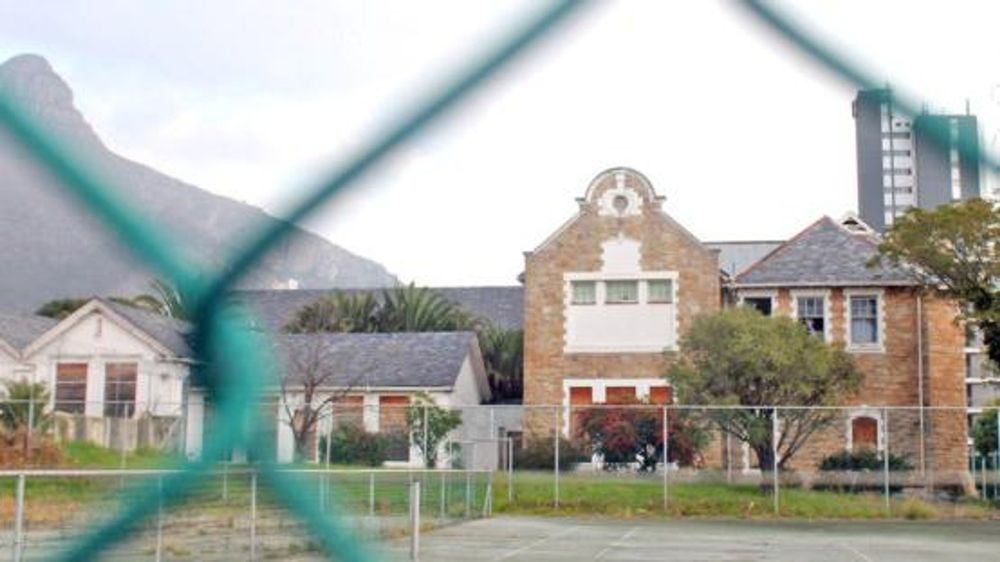
The case centres on two adjoining erven in Sea Point owned by the Western Cape government. The Constitutional Court described the site as being located in “a well-located seaside suburb in Cape Town, close to education and health facilities, transport nodes and social amenities.”
The property previously accommodated a remedial school and rental housing units before the final tenant was evicted in May 2014. It has remained vacant ever since.
Five key findings from the Constitutional Court's Tafelberg judgment
After nearly a decade of legal battles, the Constitutional Court has delivered a pivotal ruling, declaring the Western Cape government and City of Cape Town's sale of the Tafelberg property unlawful, highlighting the urgent need for affordable housing in well-located areas.


