5G rollout disrupts US flights

Hanno Labuschagne

Journalist
Staff member
Joined
Sep 2, 2019
Messages
6,544
Reaction score
4,845
5G rollout disrupts US flights

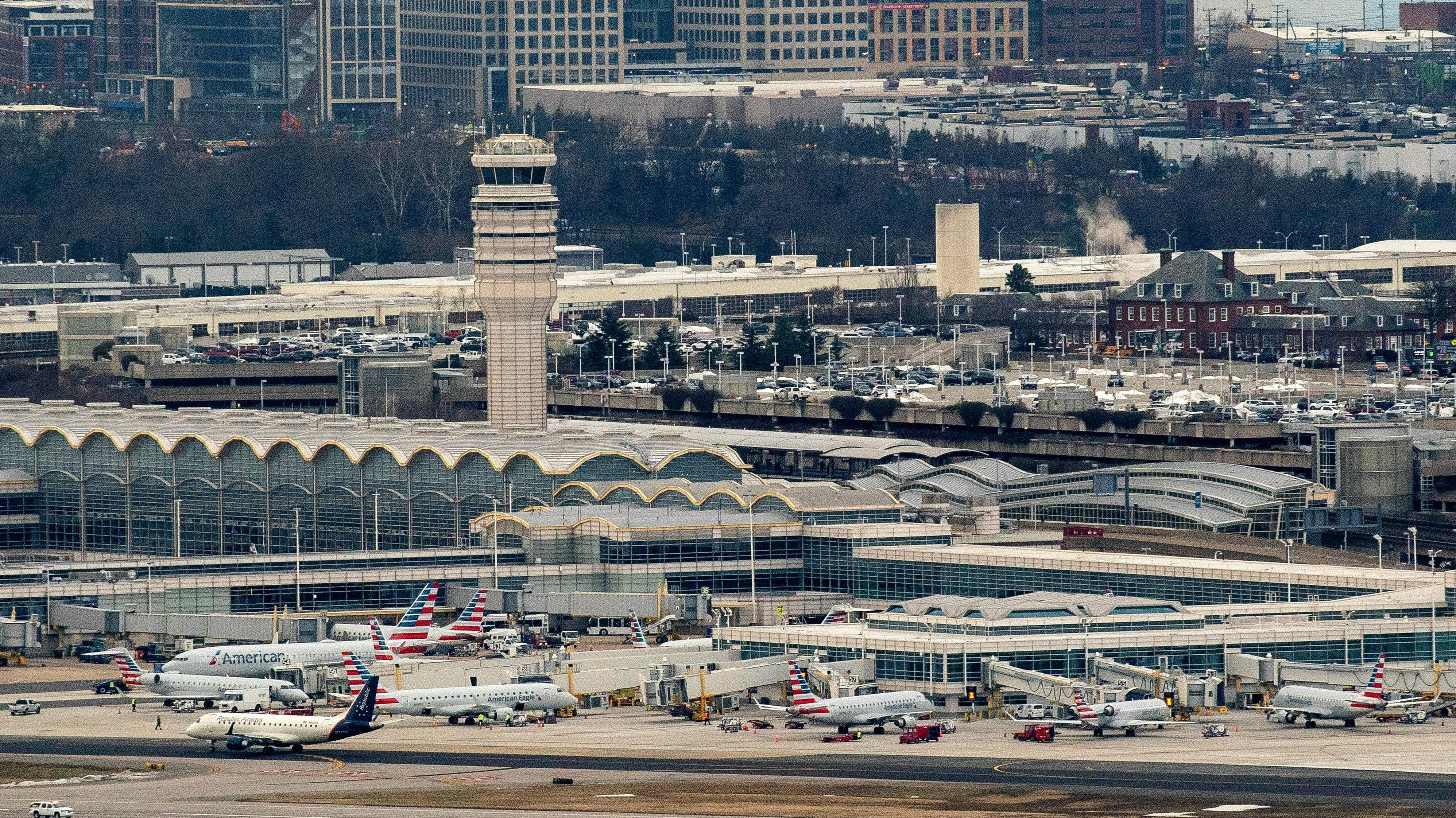
Airlines across the world are adjusting their schedules and aircraft deployments for flights to the U.S. over fears that a 5G rollout by AT&T Inc. and Verizon Communications Inc. near American airports could interfere with key safety systems.

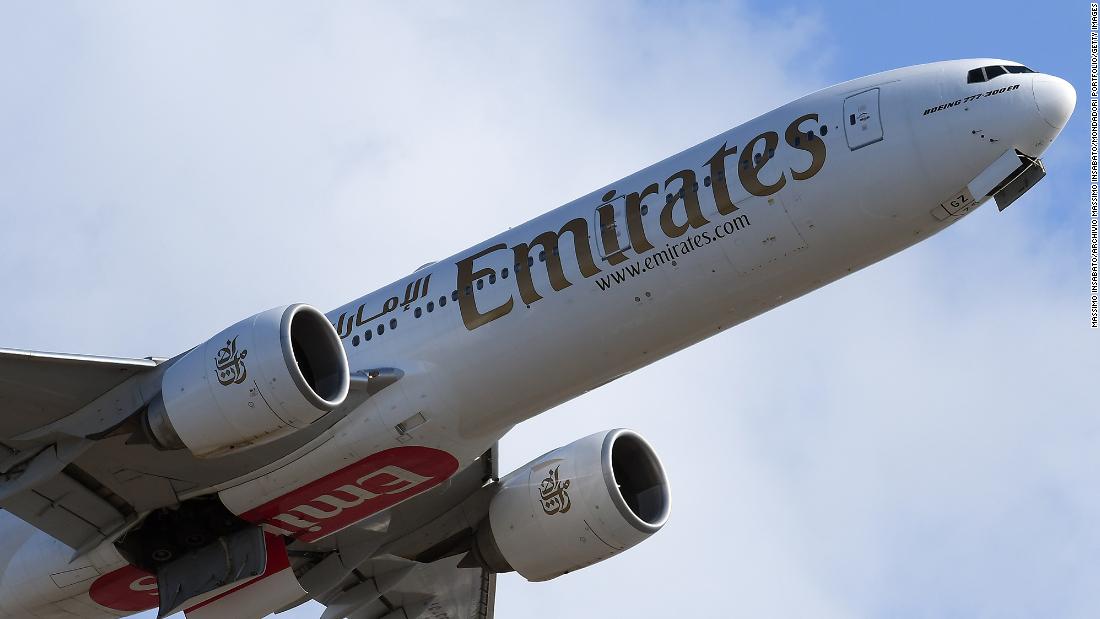
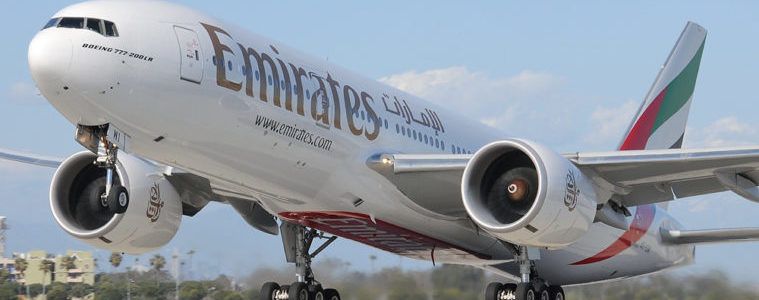
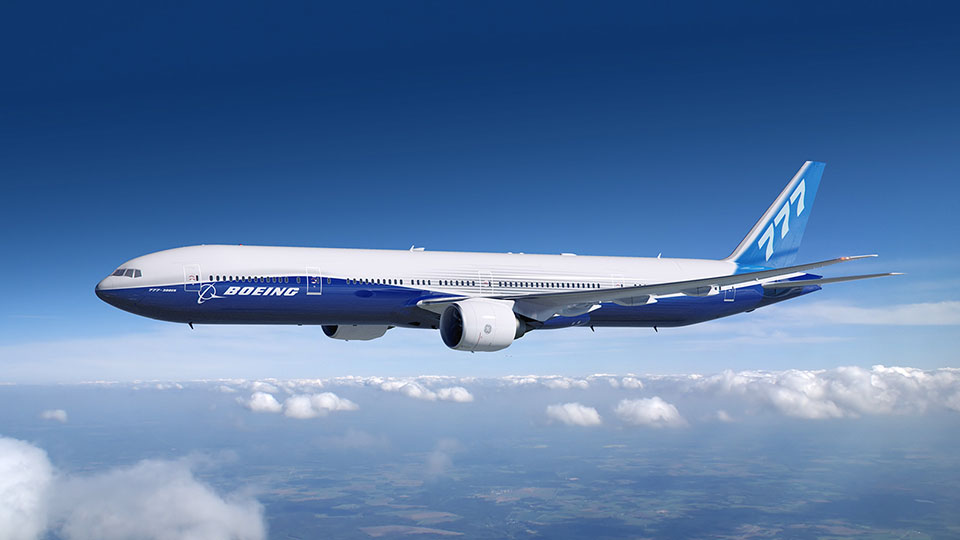
Dubai’s Emirates Airline said it will suspend flights to several U.S. cities, including Chicago, Newark and San Francisco, while Japan Airlines Co. and ANA Holdings Inc. said Tuesday they will drop some routes and won’t fly their 777 jets to and from the U.S. mainland after a warning from Boeing Co.

[Bloomberg]
 

AT&T, Verizon Pause 5G Rollout Plans After Pleas From Major U.S. Airlines - Jalopnik​

A letter from 10 major U.S. airlines convinced the companies to alter their rollout plans

b3ac521fe39e969ddf07cbb5cb785d73.jpg


Major airline operators across the U.S. can breathe a sigh of relief – at least for now. Verizon and AT&T are changing their plans for 5G cell phone signal rollouts near airports around the country.

It’s in an attempt to quell concerns their equipment would interfere with airplane equipment once the services started January 19.

However, the cell phone carriers are not happy with the decision they came to:

“We are frustrated by the FAA’s inability to do what nearly 40 countries have done, which is to safely deploy 5G technology without disrupting aviation services, and we urge it do so in a timely manner,” AT&T said in a statement.

“We are launching our advanced 5G services everywhere else as planned with the temporary exception of this limited number of towers.”

Verizon said it would go ahead with its original plans to launch but would add some additional measures to address concerts around airports.

Neither company said where they would apply the new measures and the New York Times reports it was not immediately clear whether the changes actually go far enough to satisfy airline and aviation safety regulators and avoid large numbers of flight cancellations.
This all happened soon after ten of the largest airline operators in the U.S. submitted a letter vehemently asking for a delay of the rollout.

They promised total chaos in both shipping and passenger travel if the 5G plans went ahead near airports.

The letter was signed by chief executive of American Airlines, Delta Air Lines, United Airlines, Southwest Airlines, Alaska Air, Atlas Air, JetBlue Airways as well as the shipping companies UPS and FedEx.


Emirates president: The 5G snafu is the biggest screwup I've witnessed in my career - CNN Business​

The president of Emirates tells CNN that the airline was not aware of some of the potential 5G rollout issues until yesterday morning, calling the situation "one of the most delinquent, utterly irresponsible" he has seen in his aviation career.

Major international airlines are scrambling to modify or cancel flights to the United States amid uncertainty about potential interference between new 5G cell phone services and critical airplane technologies.

Emirates has cancelled flights to nine US destinations today.

Speaking to CNN's Richard Quest today, Emirates president Tim Clark said that they were not aware of the issues until yesterday morning "to the extent that it was going to compromise the safety of operation of our aircraft and just about every other 777 operator to and from the United States and within the United States."


FAA ISSUES AIRWORTHINESS DIRECTIVE FOR BOEING 787 AFTER 5G LAUNCH - Sam Chui​

LAXD5822-759x500.jpg


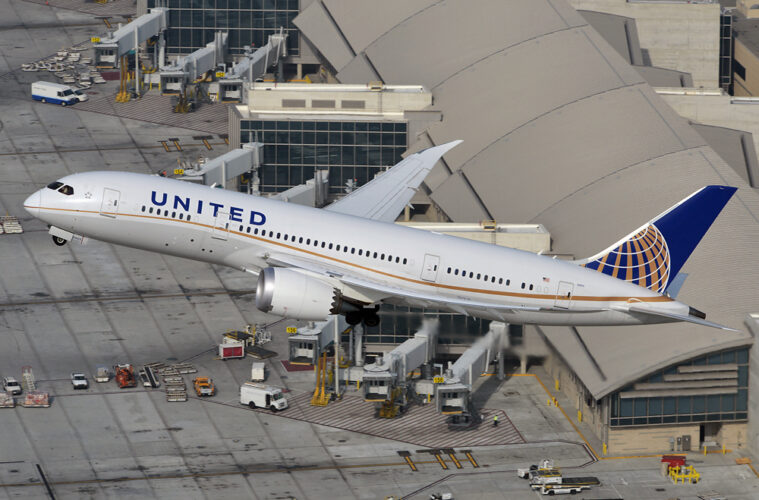
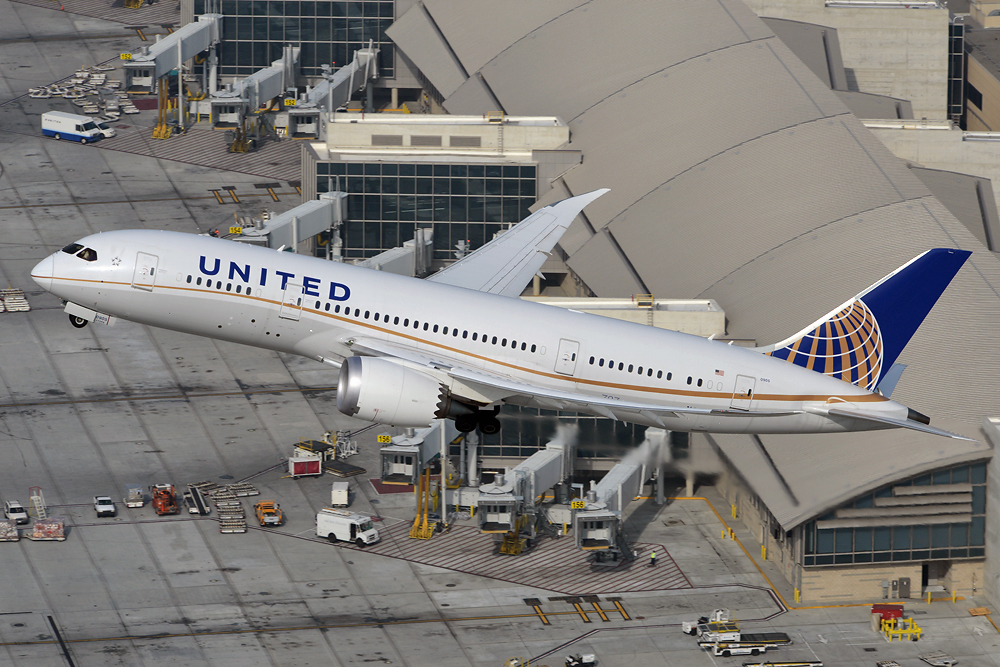
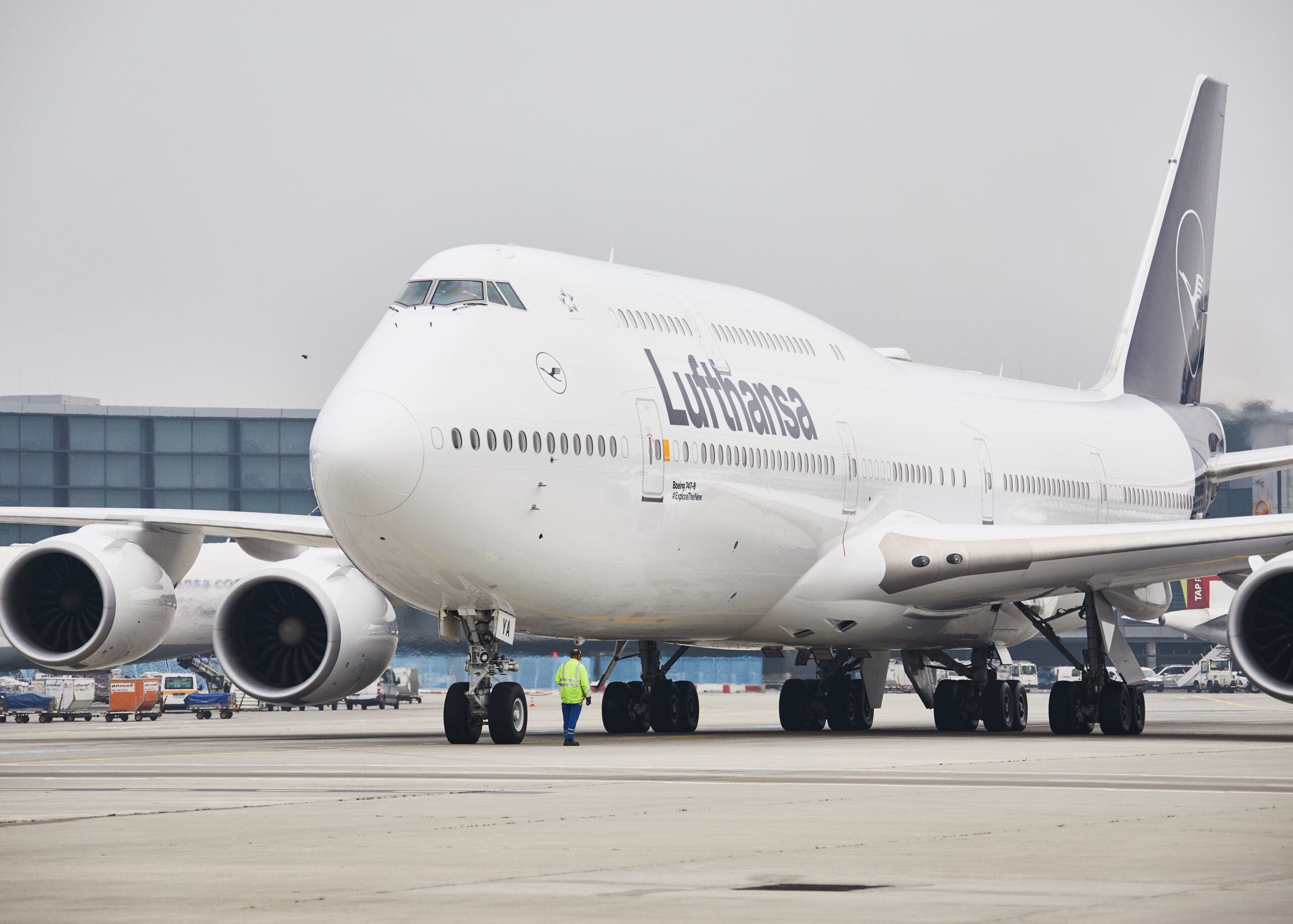
The Federal Aviation Administration (FAA) has issued today a new airworthiness directive (AD) for all Boeing 787-8, 787-9, and 787-10 airplanes requiring additional precautions when landing on wet or snowy runways at airports where the new 5G will be in use.

FAA explains that this AD was prompted by a determination that radio altimeters cannot be relied upon to perform their intended function if they experience interference from wireless broadband operations in 5G C-Band, and a determination that, during landings, as a result of this interference, certain airplane systems may not properly transition from AIR to GROUND mode when landing on certain runways, resulting in a longer landing distance than normal due to the effect on thrust reverser deployment, speed brake deployment, and increased idle thrust.

Required Actions​

In order to address this issue, the AD requires revising the limitations and operating procedures sections of the existing airplane flight manual (AFM) to incorporate limitations prohibiting certain landings and the use of certain minimum equipment list (MEL) items, and to incorporate operating procedures for calculating landing distances, when in the presence of 5G C-Band interference as identified by Notices to Air Missions (NOTAMs).

The AFM revision will take 1 work-hour costing $85 per aircraft and in total, this action will affect 137 US aircraft and 1,010 B787 worldwide.

According to FAA document, it is prohibited to dispatch or release a 787 to an airport with ice or wet ice on top of compact snow, dry snow or wet snow over ice with any of the following MEL items:

  • Antiskid Control System
  • Wheel Brake System
  • Wheel Brake System, Electric BrakeActuator System
The FAA is issuing this AD to address degraded deceleration performance and longer landing distance, which could lead to a runway excursion.

 
Mobile phone companies in the United States are rolling out 5G service in a spectrum of radio waves with frequencies between 3.7 and 3.98 GHz. The companies paid the US government $81 billion in 2021 for the right to use those frequencies, known as the C-Band. But in Europe, 5G services use the slower 3.4 to 3.8 GHz range of spectrum.
There are other differences in how 5G is being rolled out, according to the US Federal Aviation Administration (FAA). Some countries are using lower power levels, restricting the placement of 5G antennas near airfields and requiring them to be tilted downward to limit potential interference with aircraft.
In France — cited by telecom carriers such as AT&T (T) and Verizon (VZ) as an example of 5G and aviation working seamlessly together — the height of a 5G antenna and the power of its signal determine how close it is allowed to a runway and the flight path of an aircraft, according to a technical note from France's National Frequency Agency (ANFR).

Source
 

The 5G Fiasco From An Airline Pilot’s Point Of View - The Drive​

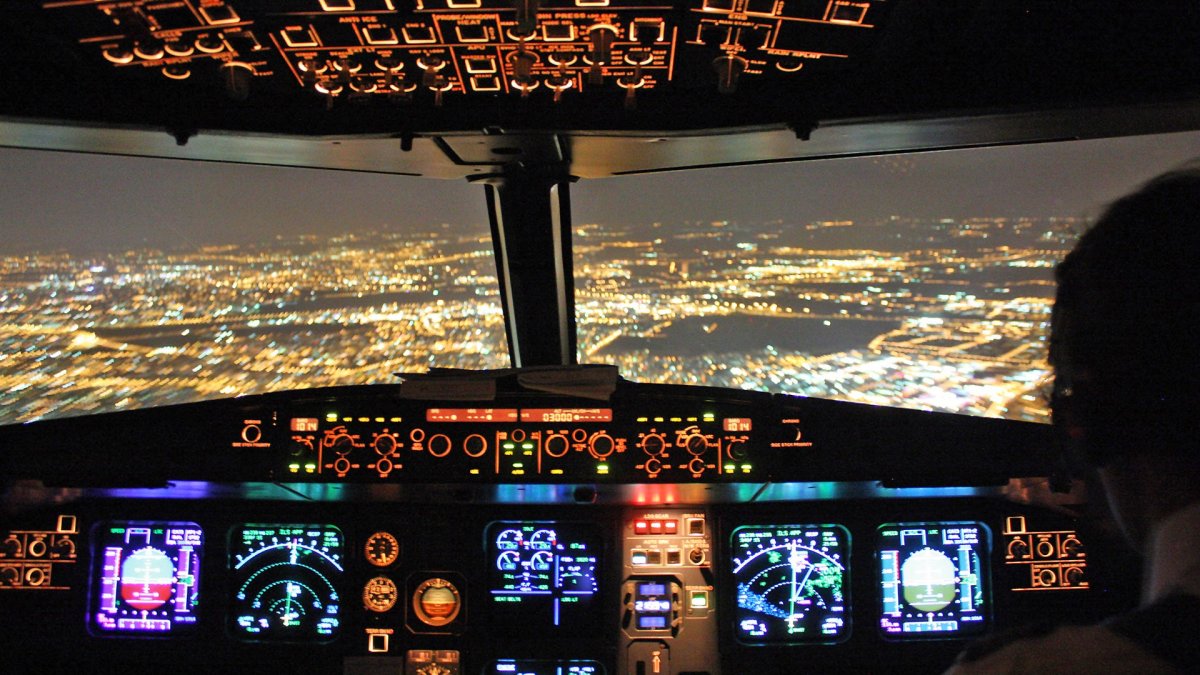
A first-hand account of what possible 5G interference could look like in the cockpit and the chaos surrounding it.

5G-Cockpit-Landing.jpg


The rollout of 5G wireless service across the United States and its impact on air travel has become a massive story.

It seems beyond comprehension that possible complications with the high-speed data networking services wouldn't have been deconflicted for flight safety long ago, but with tens of billions of dollars invested in these networks and a delay already put in place due to its possible impact on aviation, it looked as if aviators wouldn't get another reprieve from today's go-live date.

Now, after airlines issued dire warnings about what 5G's activation could do to flight operations and pleaded for White House intervention, it looks like yet another partial delay has come at just the last minute.

AT&T and Verizon have decided not to activate their 5G towers that could impact flight operations near airports.

According to the Wall Street Journal, a statement from an AT&T spokesperson reads:

”At our sole discretion, we have voluntarily agreed to temporarily defer turning on a limited number of towers around certain airport runways... We are launching our advanced 5G services everywhere else as planned.”

While another temporary delay at the most sensitive 5G tower sites is surely welcome news to aviators and airlines alike, it highlights just how bizarrely bungled the whole issue has become.

The problem itself surrounds radar altimeters that operate on similar frequencies as 5G towers.

For fixed-wing aircrews, interference can occur during the most sensitive portions of flight — take-off and landing.

The radar altimeter systems are tied into so many other aspects of a modern aircraft's integrated avionics suite that key safety features, including the ability to land in low-visibility conditions, could be severely degraded or disabled altogether as a precaution.

There is a safety issue here clearly, but also one that has the potential to cause massive disruptions in the flow of people and commerce across America's airways.

While the FAA has announced that a portion of aircraft equipped with some types of radar altimeters should be ok, this came just last evening, and the exact level of immunity to the effects of 5G interference doesn't seem to be clear to pilots.

With all this in mind, yesterday, before this latest partial delay in 5G deployment was announced, The War Zone talked with an airline pilot based in the Pacific Northwest, an area where low-visibility landings can be the norm, not the exception, about what all this looks like from the pilot's lounge and flight deck.

Here is that exchange.


AIRLINES CLEARED TO RESUME US OPERATIONS - Sam Chui​

777-759x300.jpg


As a result of telecommunication operators delaying the roll-out of 5G networks around US airports, the US Federal Aviation Administration and Boeing have issued formal notifications that lift the previous restriction on aircraft operations, enabling airlines to safely restore full scheduled operations.


Interference on Cesna radar altimeter.
 

FAA clears Boeing 777 and other planes after 5G warning halted some flights - Ars Technica​

AT&T, Verizon limit C-band rollout around airports while FAA evaluates altimeters.

boeing-777-800x450.jpeg


The Federal Aviation Administration (FAA) today said it has cleared 62 percent of US commercial airplanes to perform low-visibility landings at airports where AT&T and Verizon are deploying 5G on C-band spectrum this week.

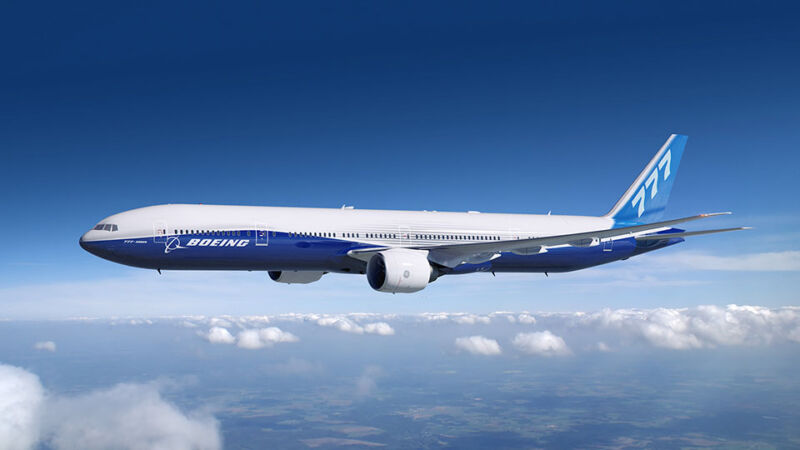
Several international airlines previously cancelled some flights to the US after Boeing issued a recommendation to not fly the 777 into airports where carriers are deploying 5G on the C-band.

However, the 777 planes—or at least those that have altimeters capable of filtering out C-band transmissions—were on the FAA's new list of cleared aircraft.

The FAA has been granting Alternate Means of Compliance (AMOCs) to operators with altimeters that are safe to use.

"Airplane models with one of the five cleared altimeters include some Boeing 717, 737, 747, 757, 767, 777, MD-10/-11 and Airbus A300, A310, A319, A320, A330, A340, A350 and A380 models," the FAA said in a statement issued shortly after 2 pm EST today.

These airplanes are now authorized "to perform low-visibility landings at airports where wireless companies deployed 5G C-band," the FAA said.

The word "some" indicates that not every plane with the mentioned model numbers has an approved altimeter.

The 62 percent figure is an improvement over Sunday, when the FAA said it had "cleared an estimated 45 percent of the US commercial fleet to perform low-visibility landings at many of the airports where 5G C-band will be deployed on Jan. 19."

That first round of approvals included some Boeing 737, 747, 757, 767, and MD-10/-11 models as well as Airbus A310, A319, A320, A321, A330, and A350 models.

 
Top
Sign up to the MyBroadband newsletter
X