Alarm System Battery Replaced

ABDurbs

Well-Known Member
Joined
Jun 1, 2012
Messages
110
Reaction score
69
Location
Durban North
I have replaced the lead acid battery on my alarm system with one of these Battery, but it is not even lasting 1.5 hours during a blackout, so I suspect that the charger is probably not strong enough to charge the battery fully.

Here is a pic of the current charger/transformer which has been connected for many years, but I have no idea what the specs are.

The back up battery is connected to cables coming directly from the control panel, so I am not sure if changing the transformer/charger to one of these Chargers will damage the board, so looking for advice please.

Alarm Transformer 2.jpg
 
You generally don't need to change the existing transformer, but add a separate float charger in parallel with the battery terminals to provide more current.
 
I have replaced the lead acid battery on my alarm system with one of these Battery, but it is not even lasting 1.5 hours during a blackout, so I suspect that the charger is probably not strong enough to charge the battery fully.

Here is a pic of the current charger/transformer which has been connected for many years, but I have no idea what the specs are.

The back up battery is connected to cables coming directly from the control panel, so I am not sure if changing the transformer/charger to one of these Chargers will damage the board, so looking for advice please.

View attachment 1658424
Yea normally these batteries aren't shipped fully charged

Normally arround 50%
But could have been lower

So i would say charge it full first

Some( alarm and other battery backups) also tend to charge slow
ie not designed to deal with load shedding ie just to deal with the odd power failure

So it doesn't matter how long it takes to gharge full, but with load shedding it does so if you find that the charger doesn't hit full voltage before the next shedding then using a dufferent charger may be a good idea

Not to inch towards empty
 
With the float full type chargers

The charge rate may be slower with lifepo4 vs lead acid

ie if the charger doesn't push to 14+ and then settles down to float

ie if it just pushes float voltage
Then the amps it charges at drops as the voltage lifts

And since lifepo4 voltage is well over 13v even when close to empty it would mean slower charge vs lead acid

So a new charger may be the cards for you
 
I have replaced the lead acid battery on my alarm system with one of these Battery, but it is not even lasting 1.5 hours during a blackout, so I suspect that the charger is probably not strong enough to charge the battery fully.

Here is a pic of the current charger/transformer which has been connected for many years, but I have no idea what the specs are.

The back up battery is connected to cables coming directly from the control panel, so I am not sure if changing the transformer/charger to one of these Chargers will damage the board, so looking for advice please.

View attachment 1658424
What voltage are you charging at? Are you able to adjust it?
 
The charge voltage is 13.3v and no I dont think I can adjust it on the charger thats fitted.
 
Generally yes, the charger for an alarm is like 2ah, cause it's not designed for LS.
I changed my lead acid battery with 2 of those in parallel to dubble the capacity. I also had to replace the transformer with a larger output one. I did check the specs of the panel and it could handle the larger transformer, but I had to have the panel settings changed to increase the charging rate.
 
I am just waiting for Blue to get back to me regarding changing to the larger volatge charger, as I dont want to damge the panel. I have a suspicion that the exisitng chargre is 2 amp and not sure if the panel can take a 3 amp charger.
 
With the float full type chargers

The charge rate may be slower with lifepo4 vs lead acid

ie if the charger doesn't push to 14+ and then settles down to float

ie if it just pushes float voltage
Then the amps it charges at drops as the voltage lifts

And since lifepo4 voltage is well over 13v even when close to empty it would mean slower charge vs lead acid

So a new charger may be the cards for you

Can you recommend a decent float charger as I am having the same issue with my alarm?
 
I am just waiting for Blue to get back to me regarding changing to the larger volatge charger, as I dont want to damge the panel. I have a suspicion that the exisitng chargre is 2 amp and not sure if the panel can take a 3 amp charger.
It is actual just a transformer the panel handle the charging rate. In my case the transformer was never changed when the system was upgrade. I have been using the 2 lithium batteries in parallel for 16 months and checked the voltage after a 4 house load shedding stint it was still at 12.6v

Batteries.jpg
 
I am just waiting for Blue to get back to me regarding changing to the larger volatge charger, as I dont want to damge the panel. I have a suspicion that the exisitng chargre is 2 amp and not sure if the panel can take a 3 amp charger.
Its more the voltage than the amps affecting charge time. 14V would be enough to fully charge the lfp battery in a reasonable time. Maybe just add a buck converter to the existing charger to boost volts from 13.3V to 14V?
 
I once bough a Lithium battery for my wifi UPS and it did the same thing, lasted only 1 to 1.5 hours.
I took my little 12V car battery charger and charged the new battery on it for half a day. After that it was working just fine. Lasted over 4H of loadshedding.
Some guy told me that that's what they do with the big batteries that the mobile network companies do. Give a good full initial charge.
 
I once bough a Lithium battery for my wifi UPS and it did the same thing, lasted only 1 to 1.5 hours.
I took my little 12V car battery charger and charged the new battery on it for half a day. After that it was working just fine. Lasted over 4H of loadshedding.
Some guy told me that that's what they do with the big batteries that the mobile network companies do. Give a good full initial charge.
The problem is that 13.3V won't give you a full charge on the next cycle, probably only about 60% charged, and also only after a long charge time due to the low charge voltage, you need 14V+ to get the fast charge speed. A second battery in parallel might help to compensate with more capacity.
 
As I said earlier it's not usually the transformer that's the issue. That will generally supply 16 V ac at 500 mA or more which is enough wattage to charge the battery.

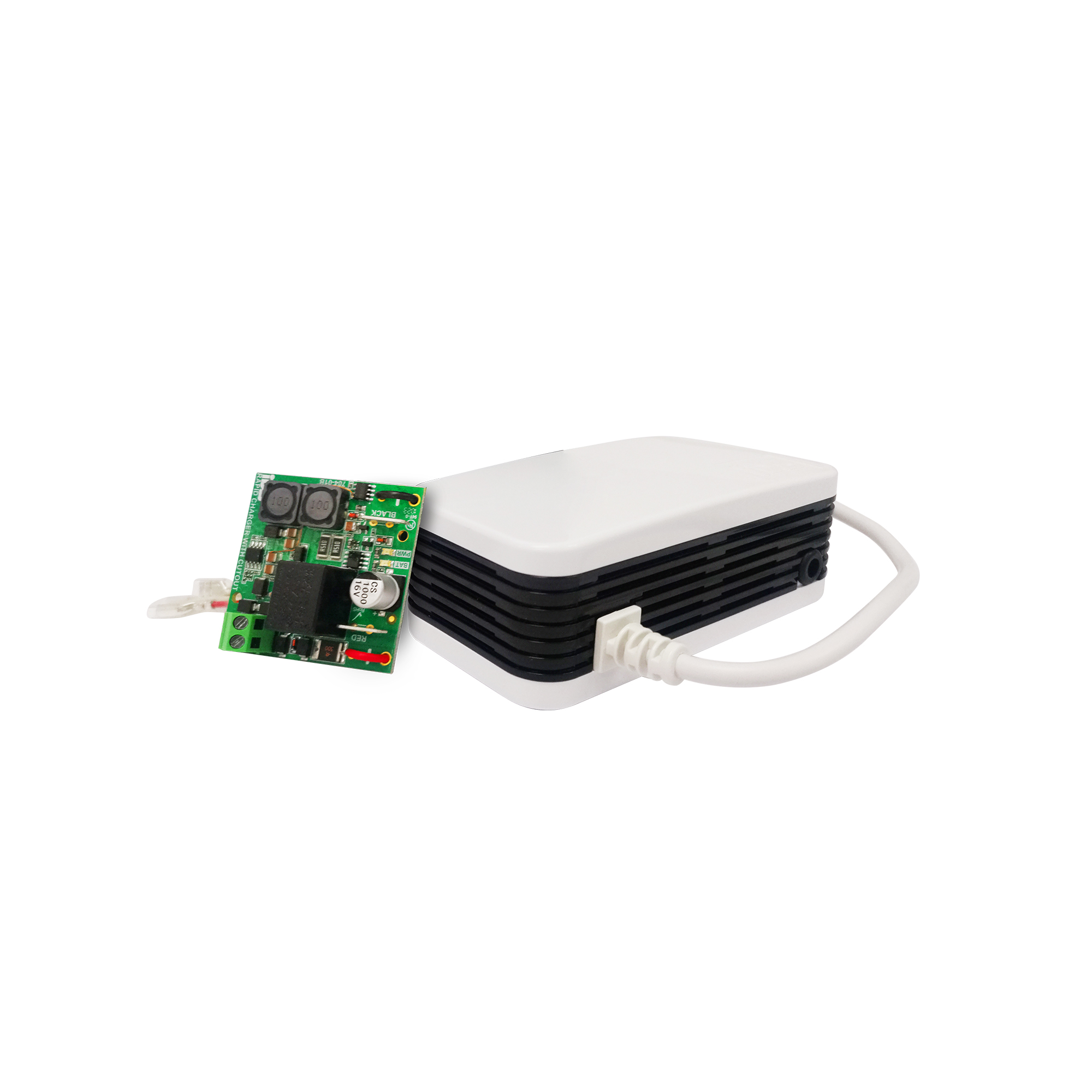
The problem is the LM317 based chargers onboard these alarms and gate motors are current limited to something on the order of 10-50 mA. So you're looking at *days* to fully recharge a battery no matter the voltage.

What I did was hang an external rectifier and LM317 off the same 16 V ac input, to supply current in parallel on the same battery output. It's about R 50 worth of parts. It only takes about an hour to recover the charge used during a 2-hour loadshedding so problem solved.
 
Last edited:
Can you recommend a decent float charger as I am having the same issue with my alarm?
Have not googled for chargers in a while

I just normally use some of the old laptop powersupplies i have lying around paired with a buck converter to have a CC/CV charger and be able to set the current it charges at and the voltage i like , the bonus is it will push that current as long as below set voltage and thus if you have 14v set it will charge fast for most of the charge time

Have no clue what voltage the alarm would be happy with

There are some posts i see above with some usefull info
 
You want a charger that doesn't just float, thats is the ones that normally charge that slow

ie like most car chargers the amp meter only shows decent amps for a bit then it tapers down, sure you can switch to boost/fast charge but that should be avoided as that will push high voltage the moment the battery is full, sure the bms will protect the battery, but the voltage may go higher than the boards in alarms or gates like

I don't know what they would handle just speculating to be safe

Fastest way to charge a lithium is CC/CV

The charger will push a ConstantCurrent for as long as the voltage is below your ConstantVoltage setting and then taper the amps keeping volts capped
 
I have an alarm where the battery starts off fine, then over 3 months that battery seems to die (get low battery alerts). This despite the inverter always powering the alarm (as far as I know). I was told only parts of the kitchen are excluded from inverter power.
Long story short, I have a spare battery in the house and charge it in my little UPS for my desktop PC. My plan is to rotate it into the alarm. Just don't want to kill it too
PS I have already had the alarm company techies in and they replaced the charger early last year
 
Top
Sign up to the MyBroadband newsletter
X