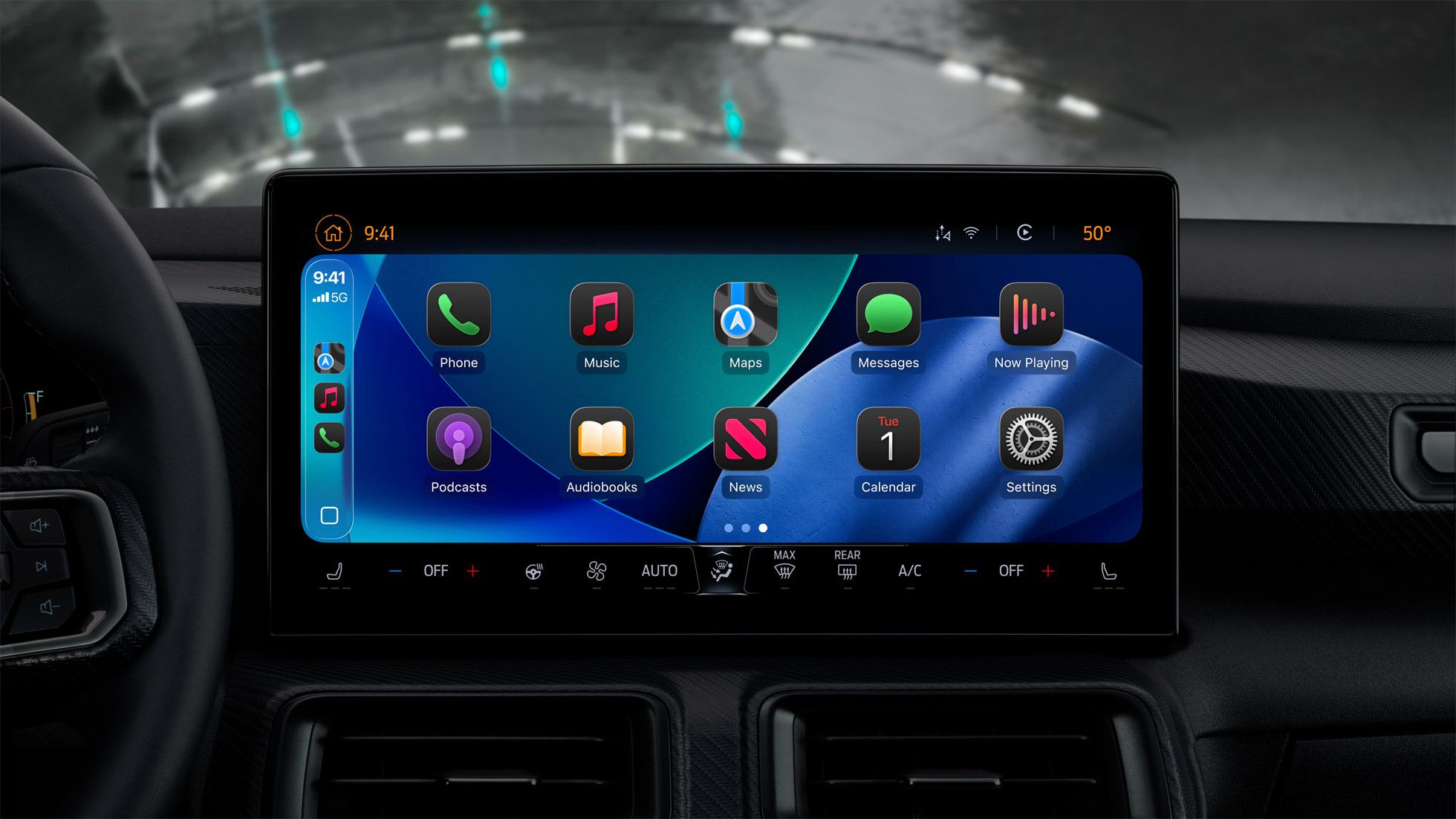
BMW claims your love for CarPlay and Android Auto is not real
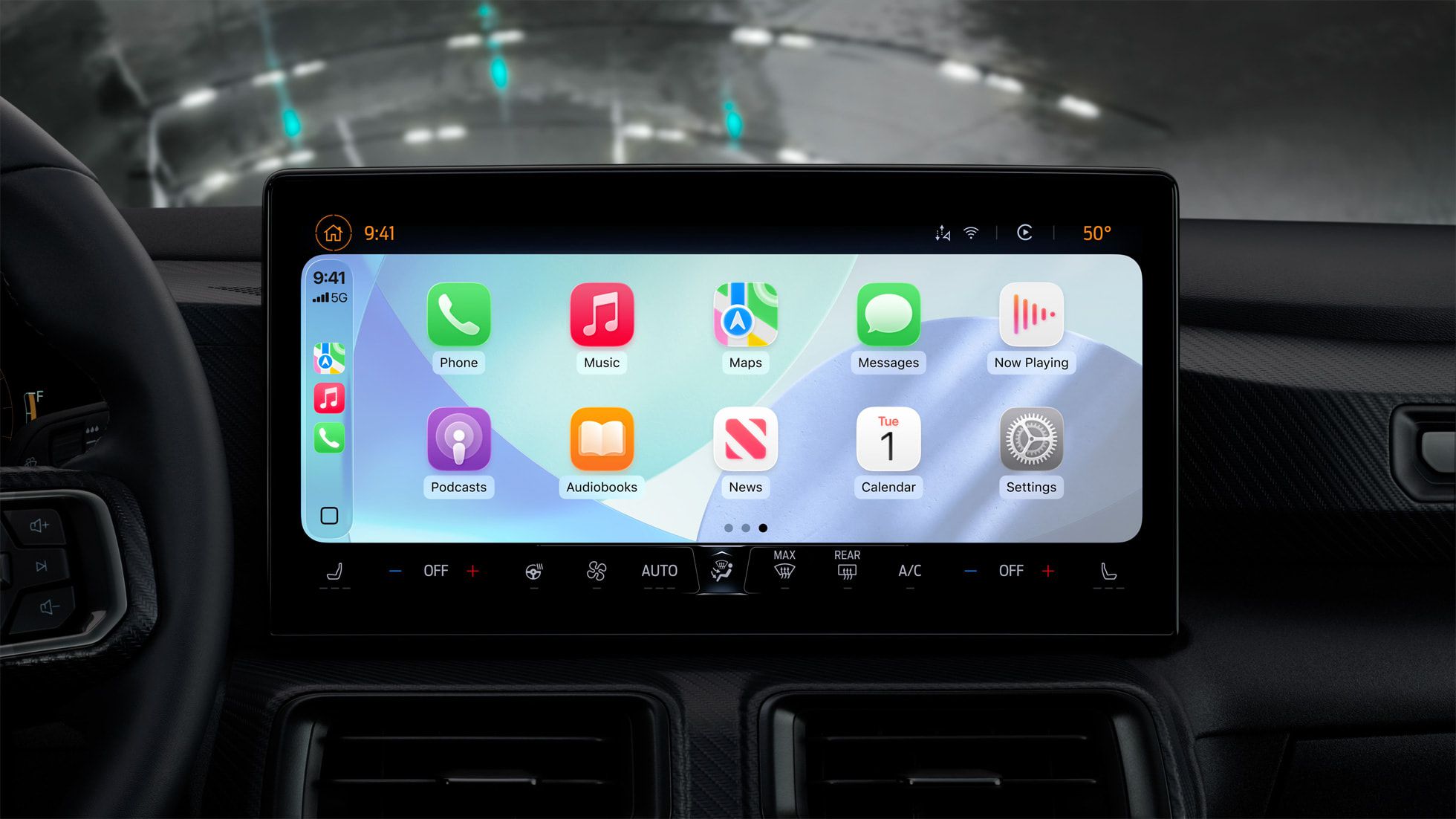
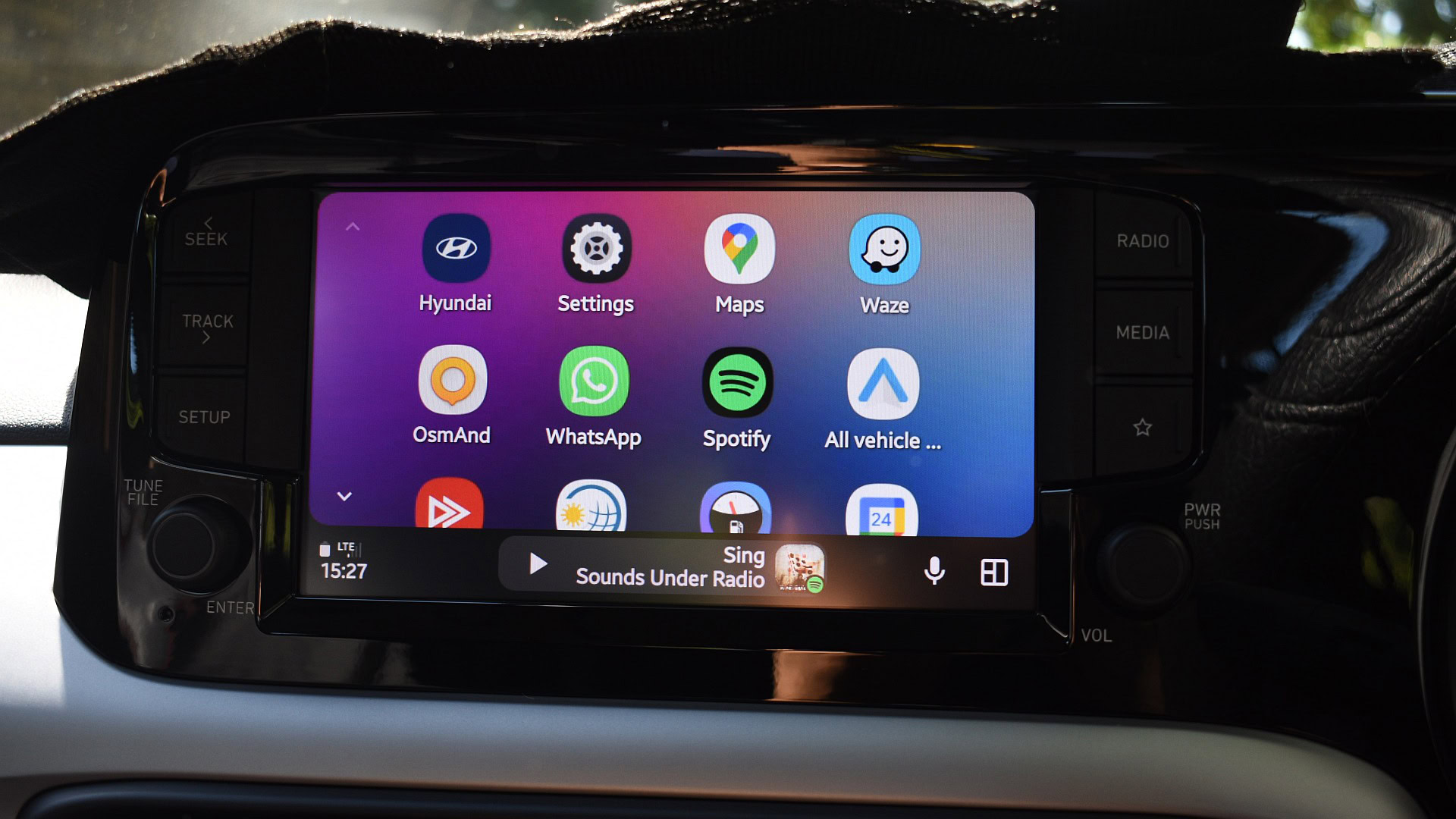
When General Motors decided to remove Apple CarPlay and Android Auto from their EVs, their decision sparked a fiery response online. Many shoppers say the ability to mirror their phone's screen on the car's display is a must-have. The internet forums and social media are clear: for some people, no CarPlay is simply a dealbreaker. But what if the data tells a different story?
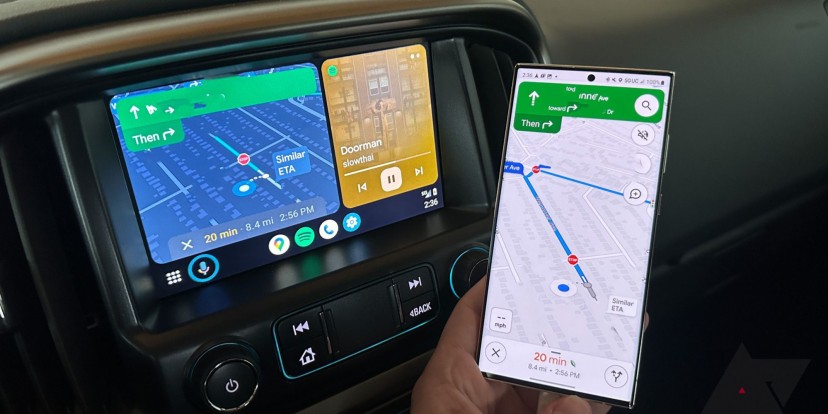
German automaker BMW is pushing back, suggesting that drivers, especially in its cars, don't rely on these systems as much as everyone thinks. According to Stephan Durach, a senior executive at BMW who is in charge of the user experience, the idea that drivers overwhelmingly use CarPlay for navigation is simply a "myth."
He argues that while people say they use apps like Apple Maps or Waze for all their driving directions, the reality inside a BMW is quite different. The company isn't just guessing; it has the numbers to support this bold claim, challenging the common belief that built-in car navigation systems are obsolete in the age of the smartphone.
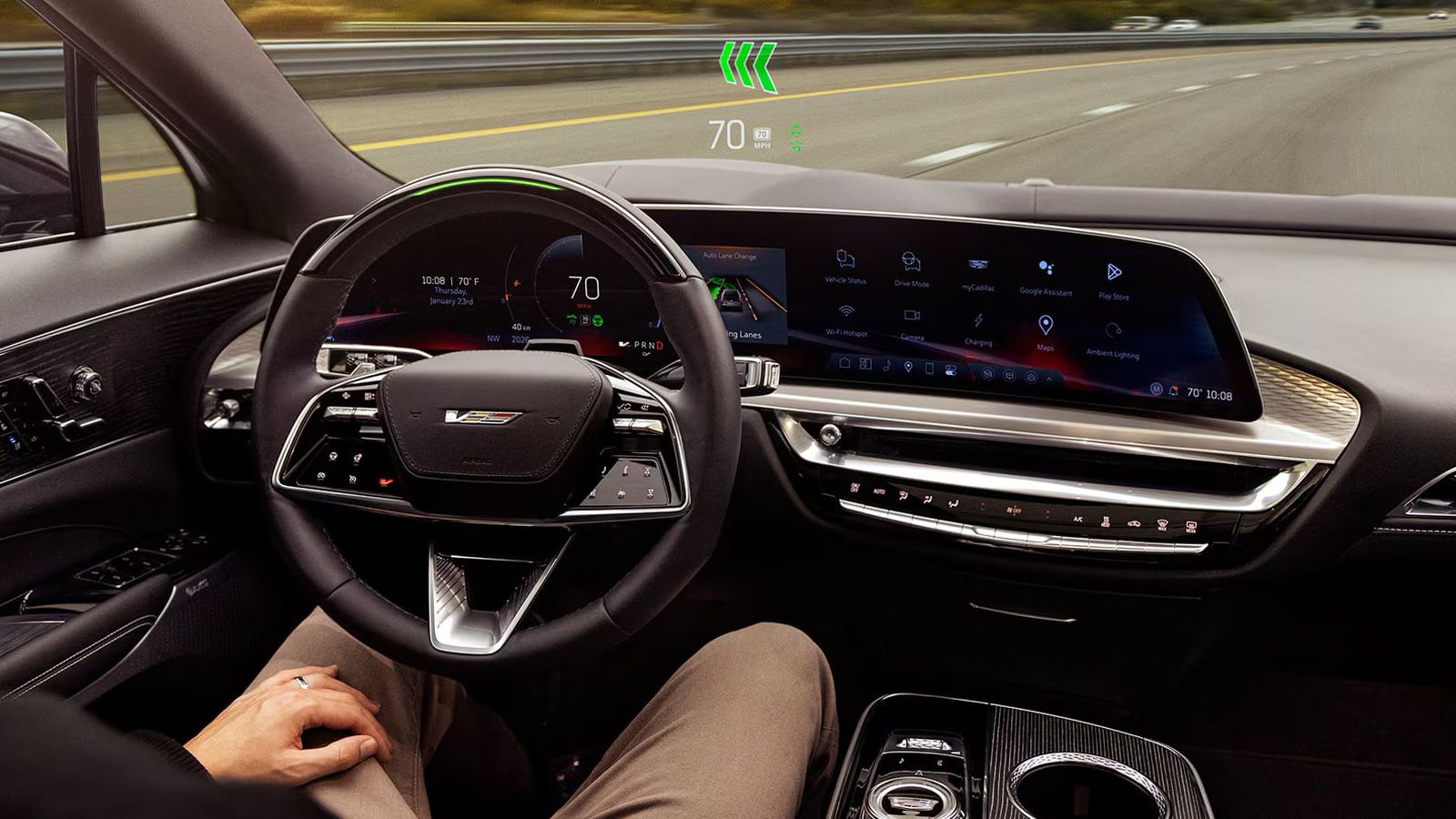
BMW's confidence comes from a massive pool of data. The company collects anonymous information from about 10 million of its cars on the road. This allows its engineers to see exactly how customers interact with their vehicles - what buttons they press, what features they use, and under what conditions. "We can see what our customers are doing," Durach explained. And that data shows a clear trend: BMW drivers are choosing the car's own built-in navigation system over the options provided by Apple CarPlay or Android Auto.
The navigation systems from a decade ago were often slow, had outdated maps, and required a trip to the dealer or a special DVD to get updates. Those days are largely over. Modern infotainment systems, especially in premium electric cars, are connected to the internet. Just like your phone, they can pull real-time traffic information and keep their maps constantly up to date. BMW has invested heavily in its system to make it a powerful and reliable alternative to phone-based apps, and according to its data, the investment is paying off.
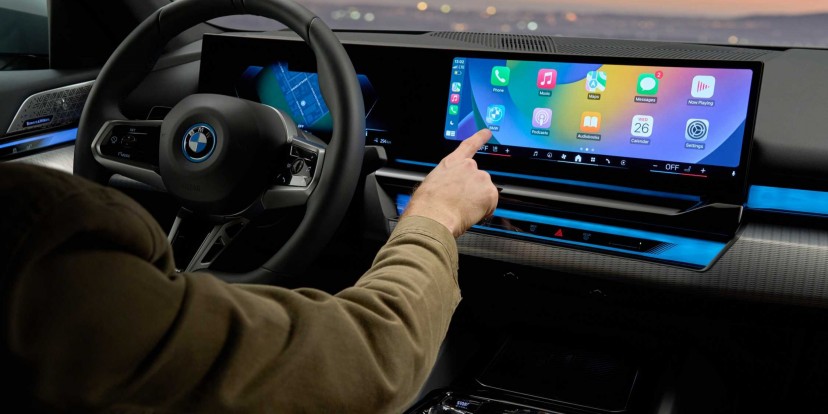
This doesn't mean people have stopped using phone integration altogether. Durach noted that BMW drivers still connect their iPhones via CarPlay. However, they use it for different tasks. The primary use, according to the company's data, is for messaging. It allows drivers to safely see and respond to texts without picking up their phones.
German automaker BMW uses data from 10 million vehicles to argue that most drivers prefer its built-in navigation, challenging the popular belief that Apple CarPlay is essential for directions.

www.arenaev.com
BMW challenges the “CarPlay myth,” revealing drivers rely less on Apple CarPlay than expected, favoring built-in navigation and voice controls instead.

www.bmwblog.com


 www.macrumors.com


 www.theverge.com