akescpt
Honorary Master
Telegram announces native app for the Apple Watch
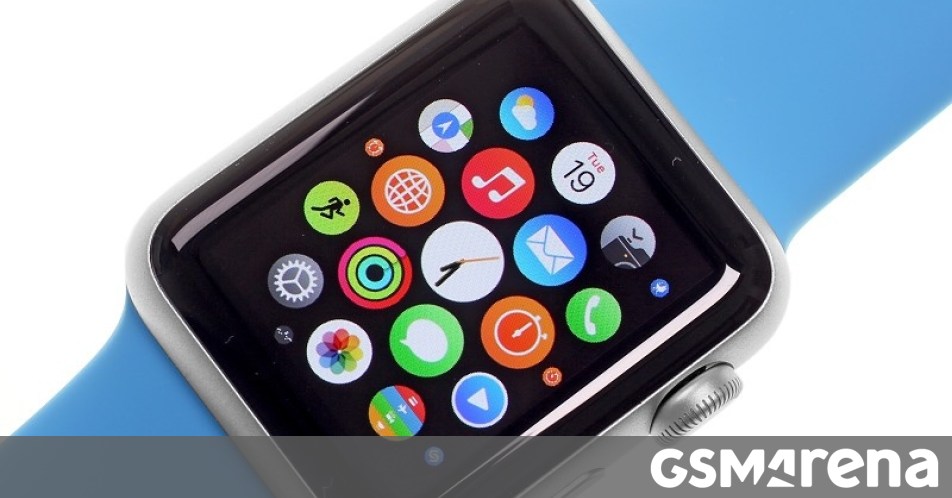
Telegram has introduced a fully new native app for the Apple Watch. The release comes years after the messaging platform discontinued its original watchOS app, bringing dedicated smartwatch support back to the platform.
In an X post, Telegram CEO Pavel Durov announced the messaging client's return to the Apple Watch.
The new Telegram app for Apple Watch offers text and voice messages support. It also allows users to share GIFs, watch videos, share location, and stickers. The app also lets users access all their conversations and contacts.
After installing the app on an Apple Watch, users will need to scan a QR code from the Telegram app on their iPhone to sync contacts and messages.

Telegram announces native app for the Apple Watch
The app supports voice messages, GIFs, and more. Telegram has introduced a fully new native app for the Apple Watch. The release comes years after the...www.gsmarena.com
bit small to watch the porn on...