Best filla for patching up peeling paint?

Dillon7769

Well-Known Member
Joined
Feb 12, 2018
Messages
126
Reaction score
34
Hi, what's the best filla I can get for patching up my walls, paint has come off...I used a scraper to remove as much as can come off I need to patch it up next however the filla I have doesn't seem very good. It's called "Surestik crack filla"...anyone familiar with it, is there a filla i can get thats better for the intended use?
 
I'd need photos to advise properly, but...

I don't use Polyfilla or these other crack fillers.

They are crap.

Instead of Polyfilla Interior I use Rhinobed. But it's rare, expensive and not easy for a DIY'er to work with.

I'd suggest:
* Sand the walls down.
* Then 'paint' with a Plaster Key. The one from RB10 is good.
* Then skim with a Plaster Skim. There are various brands.

But skimming must be done by a professional.

Alternatively you can have the walls Rhinolited, but remember, Rhinolite (or Casafour) does not like to adhere to paint.
So you need to Key the walls first.

Is there no way you can scrape ALL the paint off?
 
Hi, what's the best filla I can get for patching up my walls, paint has come off...I used a scraper to remove as much as can come off I need to patch it up next however the filla I have doesn't seem very good. It's called "Surestik crack filla"...anyone familiar with it, is there a filla i can get thats better for the intended use?
Why is the paint coming off? You have to address the root cause of the problem, before addressing the symptoms, otherwise you will be forever painting.

If it is water ingress, then it needs to be addressed first.

For cracks, you have to gouge out the crack even more, even if quite deep, you cannot just polyfilla over it and hope for the best, chances are that it will keep coming back. Once you have widened and deepened the crack, make sure that it is dust and debris free, use a blower to get every last bit of loose dirt out of it. If the mortar is still friable / powdery, you might want to use a bonding agent , paint the widened crack out with it and wait until it dries.
1693545621561.png
For a crack where there is water ingress, use a latex-based bonding liquid.

Then irrigate the mortar, plaster and brick with water, allow the mortar and brick to soak it up. Use some chicken mesh as reinforcing, shove it into the crack, as deep as possible.
1693545289392.png
Use multiple layers if the crack is wide enough. For very big cracks, you may consider a bigger and stronger mesh:
1693545391726.png

Then use a chemical filler, like Smith and Co Patching Plaster, not polyfilla or any Gypsum-based crack filler, to fill the crack.
1693546248728.png
Make sure that it goes into the deepest parts, pack it tight. Only mix small quantities, and what you can use, unlike pollyfilla you cannot save it, it will set rock hard even when put in an airtight container. Smooth it over, and use plaster skim for an even finish afterwards if needed.
 
Why is the paint coming off? You have to address the root cause of the problem, before addressing the symptoms, otherwise you will be forever painting.

If it is water ingress, then it needs to be addressed first.

For cracks, you have to gouge out the crack even more, even if quite deep, you cannot just polyfilla over it and hope for the best, chances are that it will keep coming back. Once you have widened and deepened the crack, make sure that it is dust and debris free, use a blower to get every last bit of loose dirt out of it. If the mortar is still friable / powdery, you might want to use a bonding agent , paint the widened crack out with it and wait until it dries.
View attachment 1580540
For a crack where there is water ingress, use a latex-based bonding liquid.

Then irrigate the mortar, plaster and brick with water, allow the mortar and brick to soak it up. Use some chicken mesh as reinforcing, shove it into the crack, as deep as possible.
View attachment 1580530
Use multiple layers if the crack is wide enough. For very big cracks, you may consider a bigger and stronger mesh:
View attachment 1580532

Then use a chemical filler, like Smith and Co Patching Plaster, not polyfilla or any Gypsum-based crack filler, to fill the crack.
View attachment 1580546
Make sure that it goes into the deepest parts, pack it tight. Only mix small quantities, and what you can use, unlike pollyfilla you cannot save it, it will set rock hard even when put in an airtight container. Smooth it over, and use plaster skim for an even finish afterwards if needed.
Sound advice, but I'd rather just chop all the plaster off and replaster. Depending on skirting and cornicing implications.

Sounds like, at some stage, cheap crap paint was used.

But, as I said: Photos....
 
Sound advice, but I'd rather just chop all the plaster off and replaster. Depending on skirting and cornicing implications.

Sounds like, at some stage, cheap crap paint was used.

But, as I said: Photos....
Agreed, all the paint needs to come off.
But it's unclear where the problem is, with the paint, plaster, cracks, or water.

Reading the OP's post again, it seems that he could have used the term "crack filler" for skimming plaster, so it seems that he may have already chopped some of the plaster out in places, and that he does not have a crack problem. But he may well have a water ingress problem that leaves the plaster in a friable state. Depending on how bad it is, after addressing the root cause, he could use bonding liquid and plaster skim. Or maybe he just had a crap builder who didn't mix enough cement into the plaster to start with, you never know these days, and if that is the case it would be best to chop out and redo the plaster. Either way, crappy Gypsum-based pollyfilla products won't solve the problem.

Agreed, photos may solve the issue.
 
I'd need photos to advise properly, but...

I don't use Polyfilla or these other crack fillers.

They are crap.

Instead of Polyfilla Interior I use Rhinobed. But it's rare, expensive and not easy for a DIY'er to work with.

I'd suggest:
* Sand the walls down.
* Then 'paint' with a Plaster Key. The one from RB10 is good.
* Then skim with a Plaster Skim. There are various brands.

But skimming must be done by a professional.

Alternatively you can have the walls Rhinolited, but remember, Rhinolite (or Casafour) does not like to adhere to paint.
So you need to Key the walls first.

Is there no way you can scrape ALL the paint off?
 

Attachments

  • IMG-20230903-WA0000.jpg
    IMG-20230903-WA0000.jpg
    141 KB · Views: 38
I'd need photos to advise properly, but...

I don't use Polyfilla or these other crack fillers.

They are crap.

Instead of Polyfilla Interior I use Rhinobed. But it's rare, expensive and not easy for a DIY'er to work with.

I'd suggest:
* Sand the walls down.
* Then 'paint' with a Plaster Key. The one from RB10 is good.
* Then skim with a Plaster Skim. There are various brands.

But skimming must be done by a professional.

Alternatively you can have the walls Rhinolited, but remember, Rhinolite (or Casafour) does not like to adhere to paint.
So you need to Key the walls first.

Is there no way you can scrape ALL the paint off?
It's around 30% of the wall that has this issue I've managed to remove what can be removed with a scraper the reminder seems solid if I had to try and remove the rest it's pretty much would be the entire first floor of the house and id need a paint stripper or heat gun to forcefully remove, its oil paint and I'm pretty sure the previous owners never prepare the wall well before painting, also the property is around 45 years old so might have been painted along time ago.
 
Looks like water ingress, there is evidence of previous polyfilla / gypsum jobs.

Find the source and address it, then use plasterskim.

1059147_7c4c.jpg
 
Looks like water ingress, there is evidence of previous polyfilla / gypsum jobs.

Find the source and address it, then use plasterskim.

1059147_7c4c.jpg
We had a guy doing some work for us he put the pollyfilla but he had done a bad job as I noticed he did not scrape all the loose paint off so I removed the pollyfilla and re-scraped so that's the pollyfilla you see. I also have sanded the walls down and the green and yellow you see under is old paint. Anyways will double check the wall for damp from the other side and if all is good ill use the above product
 
Last edited:
We had a guy doing some work for us he put the pollyfilla but he had done a bad job as I noticed he did not scrape all the loose paint off so I removed the pollyfilla and re-scraped so that's the pollyfilla you see. I also have sanded the walls down and the green and yellow you see under is old paint. Anyways will double check the wall for damp from the other side and if all is good ill use the above product

Ja, if he just used pollyfilla by itself, it would have difficulties sticking. He ought to have prepped the surface with Plasterkey before applying pollyfilla, as @Mannydefreitas suggested.

Also damp / water ingress, if left long enough, will weaken the plaster so that it becomes friable, powdery. It is very difficult to get plaster or paint to stick to it. If it is crumbly and powdery, use liberal coatings of a bonding liquid to make the plaster strong again, so that you can apply plasterskim and paint.

The most important thing when choosing and using a bonding liquid is the read and follow the instructions. There are three different types (Latex , resin and anacrylic) and each is suited for different tasks, plaster types and paint.

TBH if it were my wall, I would employ someone to chop out the stubborn painted plaster with a hammer and chisel, then skim the whole wall. At least you will know that the job was done well.
 
Hi, what's the best filla I can get for patching up my walls, paint has come off...I used a scraper to remove as much as can come off I need to patch it up next however the filla I have doesn't seem very good. It's called "Surestik crack filla"...anyone familiar with it, is there a filla i can get thats better for the intended use?
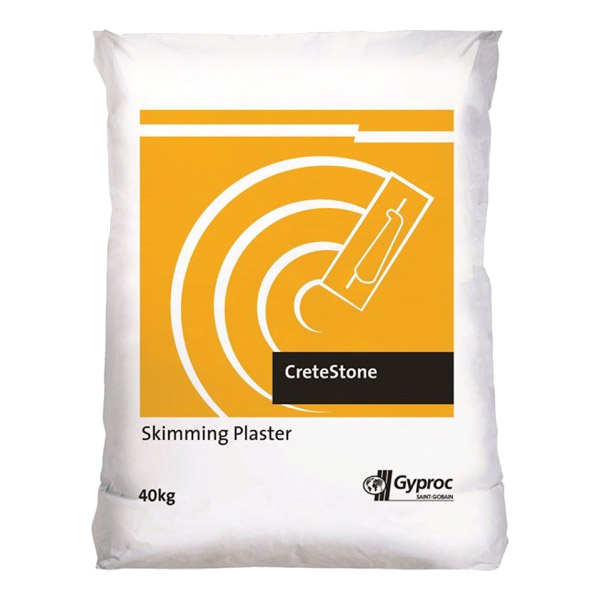
Sounds like you need a skimmer, not filler.

if you need a fair amount then this is good value.
 
Top
Sign up to the MyBroadband newsletter
X