Conclusion
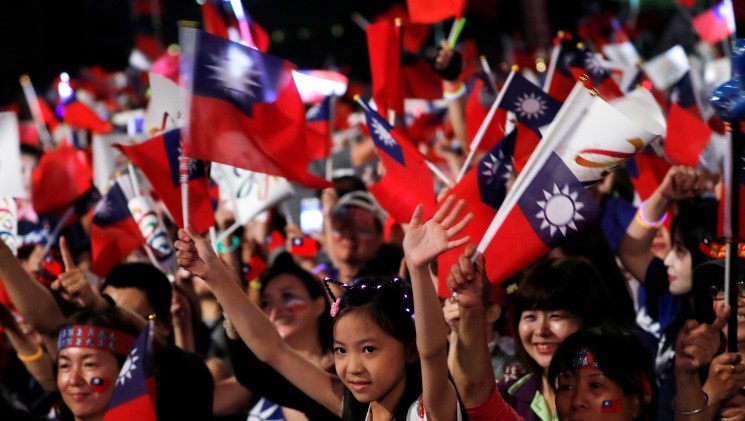
Through the course of this article, we have sought to analyse the separate strands of nationalism in the Republic of China through the prism of the state’s two major political factions, the Pan-Green and Pan-Blue coalitions. In the case of the former, DPP politicians have sought to characterise Taiwanese identity in opposition to China, based on the state’s unique political and cultural history. In contrast, successive KMT governments have sought to develop a framing of Taiwan as an integral part of China, and have advocated unity with the mainland in the longer-term. What both of these conceptions share is a commitment to fostering a civic identity based on democracy, equality and the rule of law, in the context of a “living” Taiwanese culture that brings together indigenous Taiwanese with successive waves of Han migration to the island.