


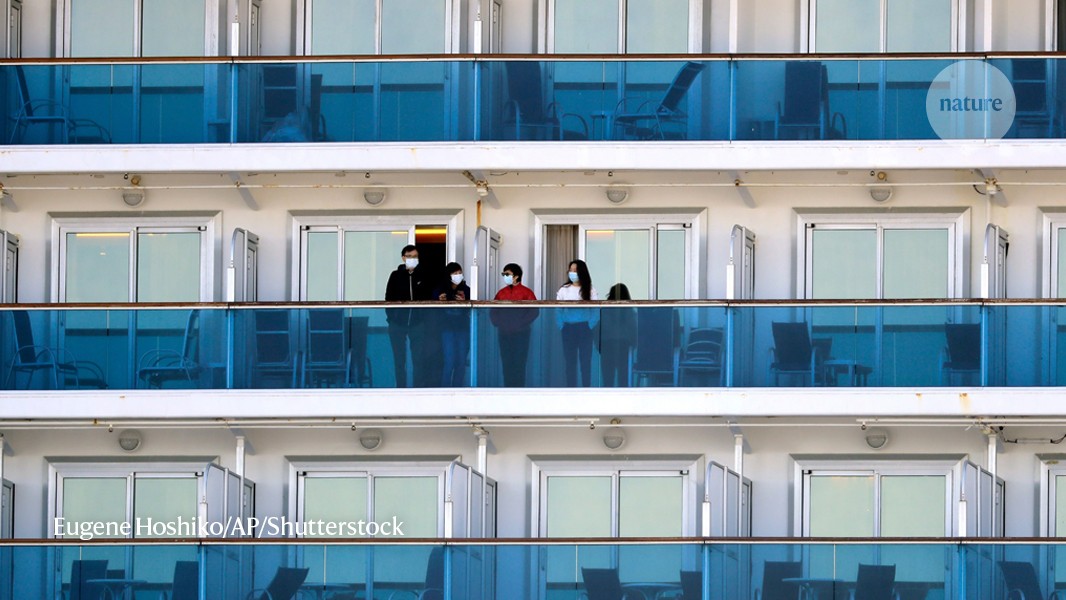
What the cruise-ship outbreaks reveal about COVID-19
Close confines help the virus to spread, but closed environments are also an ideal place to study how the new coronavirus behaves.
 www.nature.com
South Africa’s biggest forum. Discuss, discover, and connect with thousands of members.
www.nature.com


Under eleven year olds have very few deaths from the virus. But beware the shiats of the pediatric patientsWe report epidemiological and clinical investigations on ten pediatric SARS-CoV-2 infection cases confirmed by real-time reverse transcription PCR assay of SARS-CoV-2 RNA. Symptoms in these cases were nonspecific and no children required respiratory support or intensive care. Chest X-rays lacked definite signs of pneumonia, a defining feature of the infection in adult cases. Notably, eight children persistently tested positive on rectal swabs even after nasopharyngeal testing was negative, raising the possibility of fecal–oral transmission.


June 2020? Are these fortune tellers?Oh damn, a new challenge from the future:
2019 novel coronavirus (2019-nCoV) outbreak: A new challenge
Journal of Global Antimicrobial Resistance
Volume 21, June 2020, Pages 22-27
We are screwed...
Aliens from the future.June 2020? Are these fortune tellers?
I think it is just their printed version. The online version is a bit.... earlier. www.nature.com
 www.nature.com
 www.nature.com

 www.sciencedirect.com
 www.nature.com
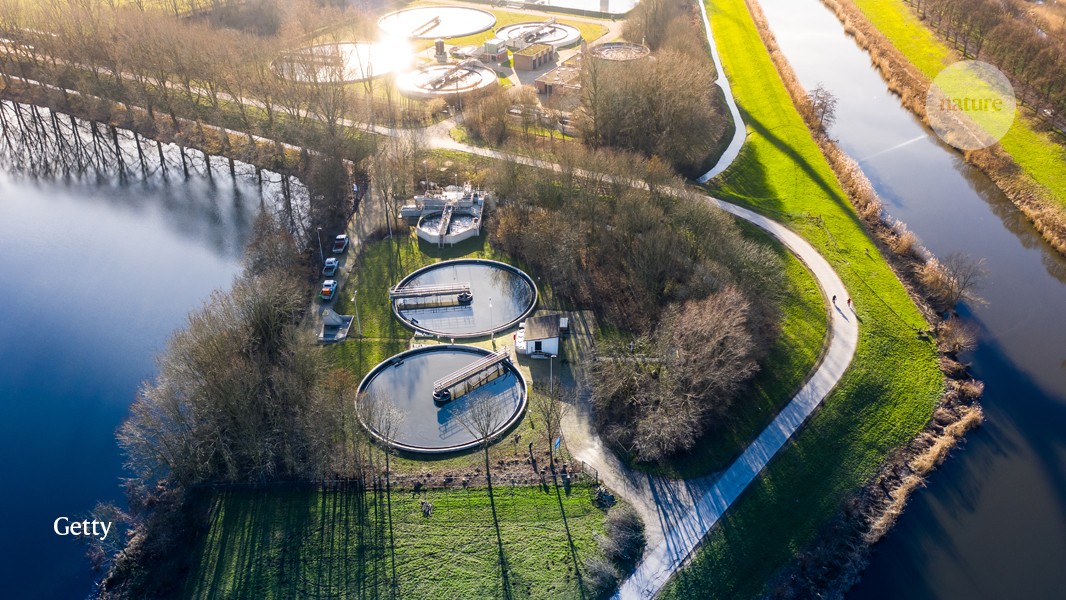
I know a few waste water sites in SA have digital PCR systems.How sewage could reveal true scale of coronavirus outbreak
Wastewater testing could also be used as an early-warning sign if the virus returns.
Maybe a good idea for South Africa.

 www.the-scientist.com
 www.nature.com
 www.nature.com

Cells are furry. That might come as a surprise, since textbook illustrations so often represent a cell as smooth — “something like a balloon full of water,” said Elisa Fadda, a computational chemist at Maynooth University in Ireland. “But that is absolutely not true.” In reality, the surface of a cell is adorned with a forest canopy of sugars, intricate and diverse clusters of carbohydrates that extend like branches and leaves from protein tree trunks. And because that canopy is the face that a cell shows to the world, these complex carbohydrates, or glycans, play a critical role in its encounters and interactions with other cells or molecules.

 www.quantamagazine.org
 www.sciencedirect.com
Differences among patients, not the genetic makeup of the coronavirus, determines how severe COVID-19 will be, a study finds.
Factors such as a person’s age and white blood cell counts are associated with disease severity, an analysis of 326 COVID-19 patients from Shanghai shows. Older people and people with low levels of certain immune cells known as T cells and high levels of an immune chemical called IL-6 tended to be sicker. But the version of the coronavirus that people were infected with made no difference in how sick they got, the team reports May 20 in Nature.
IL-6 is a protein known as a cytokine, one of many proteins that signal the immune system to rev up defenses. Overactive immune, known as cytokine storms, are a problem for people with severe cases of COVID-19.