Nom Chompsky
High Tory
A seemingly nondescript change to regulations has effectively resulted in the biggest relaxation of exchange controls in South Africa’s history.
The move, announced last month in an explanatory note put out by Treasury in the Medium-Term Budget Policy Statement has lifted the cap for South Africans to trade in foreign assets.
“All debt, derivatives and exchange-traded instruments referencing foreign assets, that are inward-listed, traded and settled in rand on South African exchanges, will be classified as domestic. The classification of all inward-listed shares denominated in rand remains domestic.”
This means if a locally-listed firm holds offshore assets, there is no longer a limit to how much they can hold, as long as they trade these assets locally and in rand.
Mike Schüssler chief economist at economists.co.za says this seemingly ordinary statement is very far-reaching.
The change is huge because it effectively does away with foreign investment caps of 30% if the investment is listed locally and is traded in rand. This means local pension funds, which collectively have an asset pool of around R4 trillion – pending the aforementioned provisions – are no longer limited in how much they can invest abroad.
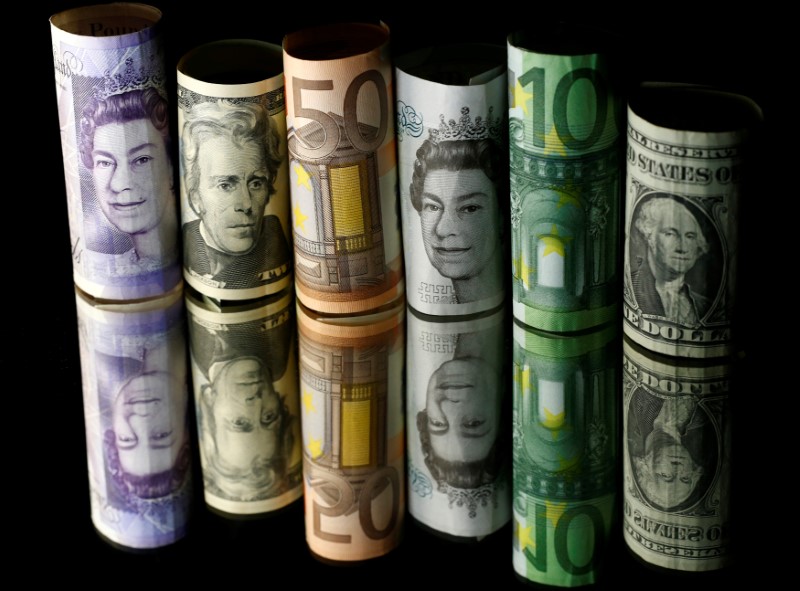
Offshore 30% cap effectively lifted
'This is the biggest relaxation of exchange control this country has ever had' – economist Mike Schüssler.
 www.moneyweb.co.za