Ma’bad
Well-Known Member
- Joined
- Mar 26, 2016
- Messages
- 493
- Reaction score
- 147
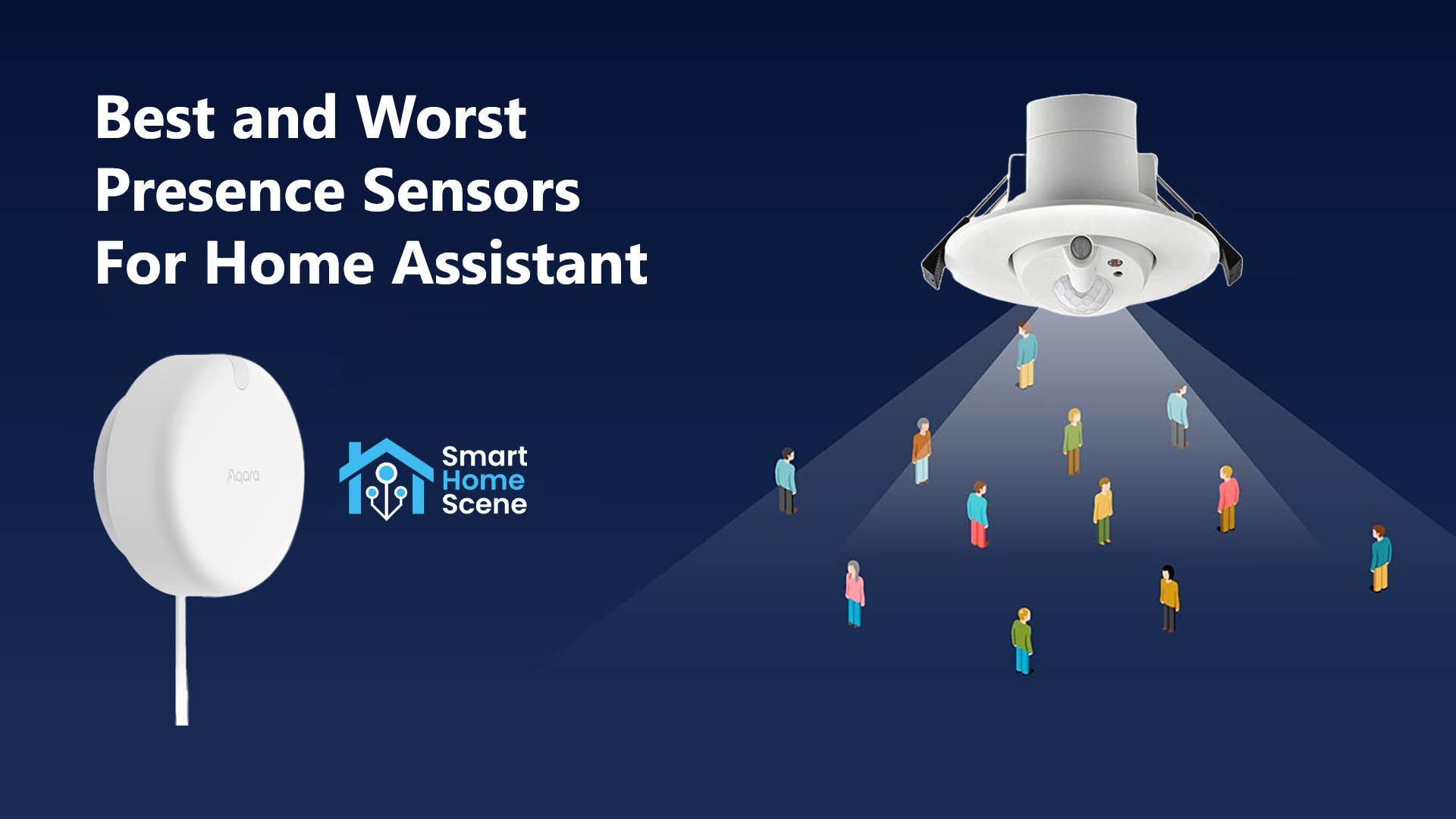
This is my review of the Aqara Presence Detector, designed to monitor activity in a designated area. Unlike PIR sensors that rely on temperature changes, this device detects the presence of individuals. In addition PIR sensors, ceases to detect you when movement stops, such as when sitting still in a room.
Packaging: The device comes in sleek packaging reminiscent of Apple products, though it lacks a plug and includes a USB cable and wall mounts. No plug is included. Setting it up via the Aqara app is straightforward. However, its reliance on a power cord limits its placement options to areas with plug sockets, potentially compromising ideal positioning. Additionally, the recommended 2m height for installation results in visible cables, detracting from aesthetics.
My Experience: Installed in an open-plan lounge and kitchen, I encountered inconsistent performance, particularly in detecting multiple individuals. False positives(“interference”) triggered by air conditioners, plants, and other objects led to erroneous automation responses. Conversely, it sometimes failed to register a person's presence altogether. These inconsistencies are increased when there are more people in the room.
These inconsistencies prompted me to return the product.
While theoretically promising for automating tasks based on occupancy, my practical experience revealed too many inaccuracies, ultimately leading to the product's return.
Packaging: The device comes in sleek packaging reminiscent of Apple products, though it lacks a plug and includes a USB cable and wall mounts. No plug is included. Setting it up via the Aqara app is straightforward. However, its reliance on a power cord limits its placement options to areas with plug sockets, potentially compromising ideal positioning. Additionally, the recommended 2m height for installation results in visible cables, detracting from aesthetics.
My Experience: Installed in an open-plan lounge and kitchen, I encountered inconsistent performance, particularly in detecting multiple individuals. False positives(“interference”) triggered by air conditioners, plants, and other objects led to erroneous automation responses. Conversely, it sometimes failed to register a person's presence altogether. These inconsistencies are increased when there are more people in the room.
These inconsistencies prompted me to return the product.
While theoretically promising for automating tasks based on occupancy, my practical experience revealed too many inaccuracies, ultimately leading to the product's return.