


wingnut771
Honorary Master
Probably the 49.7 dip when the **** hit the fan.Grid voltage and frequency View attachment 1402959View attachment 1402963
South Africa’s biggest forum. Discuss, discover, and connect with thousands of members.
Probably the 49.7 dip when the **** hit the fan.Grid voltage and frequency View attachment 1402959View attachment 1402963
I guess it all boils down to how quick the inverter is measuring. Yours goes down to 49.4. That is really bad.

probablySo we can speculate that 5:12 was when they tripped.
and we can speculate that they tripped because the frequency dropped too low meaning their grid management isn't up to scratch.probably
Well actually a dip like that at 05:12 would cause a trip.and we can speculate that they tripped because the frequency dropped too low meaning their grid management isn't up to scratch.
that's what I said.Well actually a dip like that at 05:12 would cause a trip.
How can 2 inverters read different?View attachment 1402989
49.3 and 49.6 on my Inverters

Exactly what I wanted to highlight for youHow can 2 inverters read different?

Thanks, are these 2 inverters the same brand model?Exactly what I wanted to highlight for you
All our readings are general, don't expect dead-set accuracy
That said we can Defiinitely see some correlative swings in frequency
They are exact dupes and paralleled,exact same source feedsThanks, are these 2 inverters the same brand model?

So we can speculate that 5:12 was when they tripped.
I am in Cape Town if that helps at all.


 www.eskom.co.za
What are you asking? Demand was met at 04:00, but there was 2GW+ load reduction at 06:00, i.e. they couldn’t ramp up generation to meet demand. The units that went down could have tripped at any time, but supply could still meet demand when they did.Can anyone see (look at thermal generation) where these 5 units tripped, I can't?
Sideline...They also have filters for high and low frequency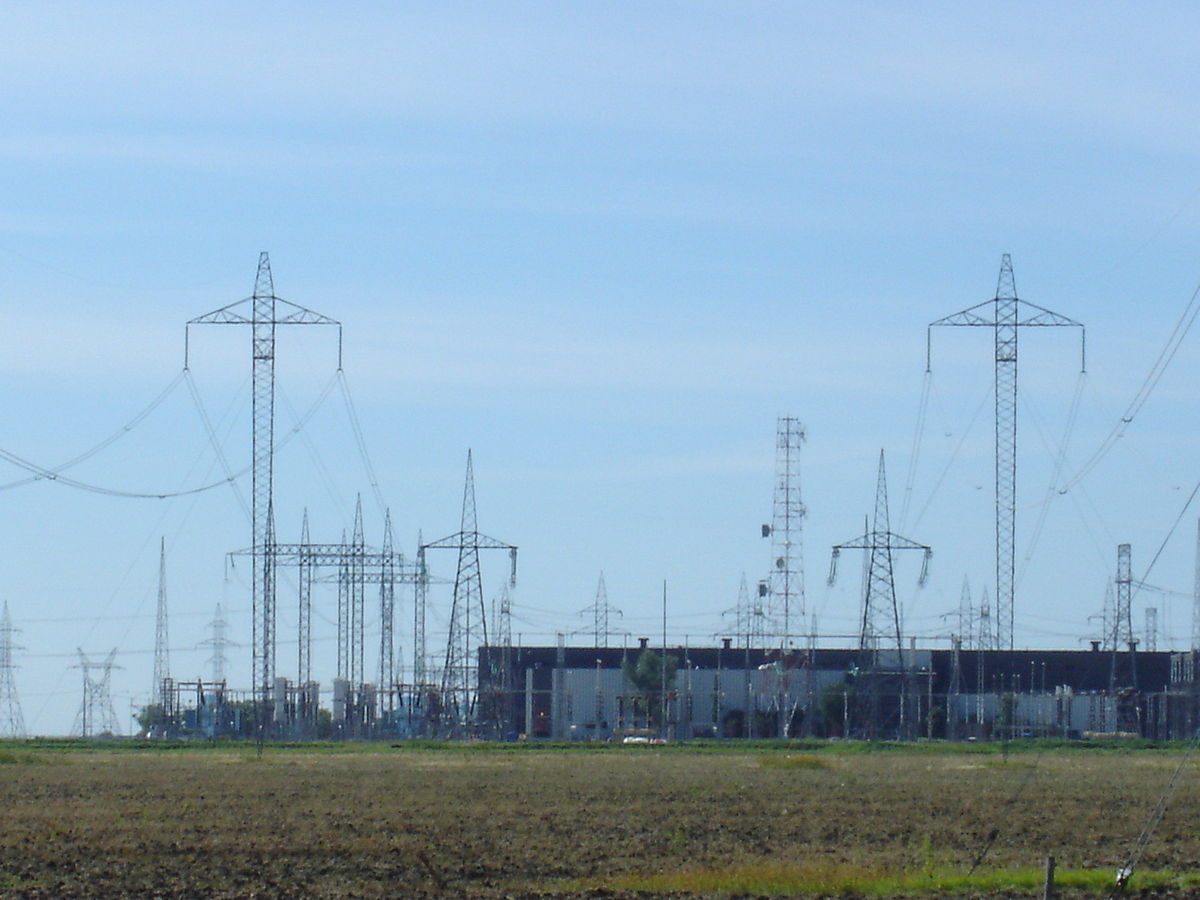
HVDC converter station - Wikipedia
en.m.wikipedia.org
"Beside the harmonic filters, equipment is also provided to eliminate spurious signals in the frequency range of power-line carrier equipment in the range of 30 kHz to 500 kHz. These filters are usually near the alternating current terminal of the static inverter transformer. They consist of a coil which passes the load current, with a parallel capacitor to form a resonant circuit. "
As of 15:14View attachment 1396479
Look at thermal generation its the same all the time, it's not ramped up, the black part of the graph is thermal excl pumping, so they pump water back overnight lowering the graph.What are you asking? Demand was met at 04:00, but there was 2GW+ load reduction at 06:00, i.e. they couldn’t ramp up generation to meet demand. The units that went down could have tripped at any time, but supply could still meet demand when they did.


