


-
- News
-
Categories
- 5G
- ADSL
- AI
- Banking
- Black Friday
- Broadband
- Broadcasting
- Business
- Business Telecoms
- Cellular
- Cloud and Hosting
- Columns
- Cryptocurrency
- Energy
- Enterprise
- Fibre
- Gadgets
- Gaming
- Government
- Hardware
- Industry News
- Internet
- Internet of Things
- Investing
- IT Services
- Motoring
- Reviews
- Science
- Security
- Smartphones
- Software
- Technology
- Telecoms
- Trending
- Wireless
- Press Office
- Forum
- Industry News
- What's Next
- Company hub
- Speed Test
- About us
- Advertise with us
- Contact
- Careers
-
Join the MyBroadband community
South Africa’s biggest forum. Discuss, discover, and connect with thousands of members.
-
Question of the Day: Do you get motion sick?
You are using an out of date browser. It may not display this or other websites correctly.
You should upgrade or use an alternative browser.
You should upgrade or use an alternative browser.
The BYD (EV) Thread
- Thread starter FiestaST
- Start date
FiestaST
Honorary Master

RedViking
Nord of the South
Still think BYD is much nicer on the eyes compared to tesla and not as boring looking but not over the top on the exteriors. Based on looks I'll take a BYD any time. Tesla have nicer interior but a bit minimal. I would prefer to have buttons than touch screens or both.
RedViking
Nord of the South
Car-cass Show?
FiestaST
Honorary Master
Everything Electric Cars insert of BYD's new testing facility
FiestaST
Honorary Master
Carwow review of the Seal U/Sealion 6
FiestaST
Honorary Master
FiestaST
Honorary Master
Chasing Cars review of the Denza B5
FiestaST
Honorary Master
FiestaST
Honorary Master
MotorMatters insert of the BYD & ABSA partnership
FiestaST
Honorary Master
BYD prepares larger Yuan Max SUV to boost its EV sales
In November alone, BYD sold over 480,000 vehicles. Most car companies would celebrate those numbers, but BYD always looks for ways to grow even more. Their latest plan involves a new SUV called the Yuan Max. This new model should help the popular Yuan series reach even more drivers. Even though the Yuan series is a top seller, its sales have dropped a little bit recently. Adding a bigger, better version might be just what the brand needs to keep its lead.
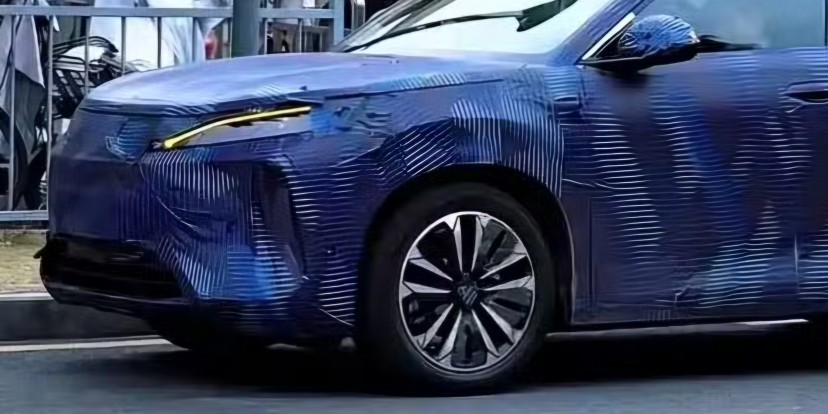
Recent spy photos from China show a car covered in blue camouflage patterns. Car companies try to hide new designs before they are ready, but this secret is likely out. Even with the stickers, we can see the front of the car looks a lot like the current Yuan Plus. The car also has door handles that sit almost flush with the body. Inside the car, there is a big clue about its name. The steering wheel has the Chinese character "元" (Yuan) right in the middle, confirming that the vehicle belongs to the famous Yuan family of electric cars.
Size is one of the most important things for people buying cars today. The Yuan Max is not a tiny city car - according to the latest reports, it is about the same size as another BYD model called the Song Pro, which is 4.73 m long, and it has a wheelbase of 2.71 m. Compare that to the current Yuan Plus, which only measures 4.45 m in length, and the new Max model appears to be much longer.
There's a possibility the new car might be named the Yuan L instead of the Yuan Max, but whatever name BYD chooses, the goal remains the same. They want to offer more choices to people who want affordable EVs. Right now, the Yuan series includes the Yuan Up and the Yuan Plus. These cars are quite affordable with prices starting at RMB 74,800, which is about €9,100. The most expensive versions start from RMB 147,800, or roughly €18,000. This low price point explains why BYD sells so many of these vehicles every month.
 www.arenaev.com

In November alone, BYD sold over 480,000 vehicles. Most car companies would celebrate those numbers, but BYD always looks for ways to grow even more. Their latest plan involves a new SUV called the Yuan Max. This new model should help the popular Yuan series reach even more drivers. Even though the Yuan series is a top seller, its sales have dropped a little bit recently. Adding a bigger, better version might be just what the brand needs to keep its lead.
Recent spy photos from China show a car covered in blue camouflage patterns. Car companies try to hide new designs before they are ready, but this secret is likely out. Even with the stickers, we can see the front of the car looks a lot like the current Yuan Plus. The car also has door handles that sit almost flush with the body. Inside the car, there is a big clue about its name. The steering wheel has the Chinese character "元" (Yuan) right in the middle, confirming that the vehicle belongs to the famous Yuan family of electric cars.
Size is one of the most important things for people buying cars today. The Yuan Max is not a tiny city car - according to the latest reports, it is about the same size as another BYD model called the Song Pro, which is 4.73 m long, and it has a wheelbase of 2.71 m. Compare that to the current Yuan Plus, which only measures 4.45 m in length, and the new Max model appears to be much longer.
There's a possibility the new car might be named the Yuan L instead of the Yuan Max, but whatever name BYD chooses, the goal remains the same. They want to offer more choices to people who want affordable EVs. Right now, the Yuan series includes the Yuan Up and the Yuan Plus. These cars are quite affordable with prices starting at RMB 74,800, which is about €9,100. The most expensive versions start from RMB 147,800, or roughly €18,000. This low price point explains why BYD sells so many of these vehicles every month.
BYD prepares larger Yuan Max SUV to boost its EV sales
BYD is expanding its popular Yuan series with a new, larger SUV called the Yuan Max to help increase sales in the competitive electric car market.
www.arenaev.com

ToxicBunny
Oi! Leave me out of this...
BYD prepares larger Yuan Max SUV to boost its EV sales
In November alone, BYD sold over 480,000 vehicles. Most car companies would celebrate those numbers, but BYD always looks for ways to grow even more. Their latest plan involves a new SUV called the Yuan Max. This new model should help the popular Yuan series reach even more drivers. Even though the Yuan series is a top seller, its sales have dropped a little bit recently. Adding a bigger, better version might be just what the brand needs to keep its lead.
Recent spy photos from China show a car covered in blue camouflage patterns. Car companies try to hide new designs before they are ready, but this secret is likely out. Even with the stickers, we can see the front of the car looks a lot like the current Yuan Plus. The car also has door handles that sit almost flush with the body. Inside the car, there is a big clue about its name. The steering wheel has the Chinese character "元" (Yuan) right in the middle, confirming that the vehicle belongs to the famous Yuan family of electric cars.
Size is one of the most important things for people buying cars today. The Yuan Max is not a tiny city car - according to the latest reports, it is about the same size as another BYD model called the Song Pro, which is 4.73 m long, and it has a wheelbase of 2.71 m. Compare that to the current Yuan Plus, which only measures 4.45 m in length, and the new Max model appears to be much longer.
There's a possibility the new car might be named the Yuan L instead of the Yuan Max, but whatever name BYD chooses, the goal remains the same. They want to offer more choices to people who want affordable EVs. Right now, the Yuan series includes the Yuan Up and the Yuan Plus. These cars are quite affordable with prices starting at RMB 74,800, which is about €9,100. The most expensive versions start from RMB 147,800, or roughly €18,000. This low price point explains why BYD sells so many of these vehicles every month.
BYD prepares larger Yuan Max SUV to boost its EV sales
BYD is expanding its popular Yuan series with a new, larger SUV called the Yuan Max to help increase sales in the competitive electric car market.
View attachment 1874490
I'd love to know how they can be priced so low in China, when the Yuan Plus (Atto 3) is basically R700k here.
I believe our models (RHD) are manufactured in Malaysia and don't quite benefit from the same economies of scale as the China manufactured models.I'd love to know how they can be priced so low in China, when the Yuan Plus (Atto 3) is basically R700k here.
Add shipping costs, all the duties / levies/ taxes and low competition in SA and you get our pricing here.
FiestaST
Honorary Master
Refreshed BYD Yangwang U7 breaks the 1,000-kilometer range barrier
BYD, the Chinese automotive giant, is updating its luxury flagship sedan, the Yangwang U7, with a promise to solve one of the biggest complaints people have about EVs: range anxiety. With its latest update, the U7 can travel more than 1,000 km on a single charge - a massive distance for any battery-powered vehicle.
The secret to this long distance is a giant battery pack. The new Yangwang U7 uses a 150 kWh Blade battery that uses lithium iron phosphate (LFP) chemistry. Most electric cars on the road today have batteries between 60 and 100 kWh.
BYD decided to go much bigger. While a 150 kWh battery sounds great for long trips, it comes with a trade-off in weight. The battery pack alone weighs 926 kg - that's nearly as much as the entire new Dacia Spring.
Because the battery is so heavy, the whole car is quite a beast. Depending on the version you choose, the curb weight ranges from 3,120 kg to 3,290 kg. Even the "lightest" version with a smaller battery weighs 3,095 kg. For those who do not need to drive over 1,000 km in one go, BYD offers a smaller 135.5 kWh battery. This version still provides a very respectable range of 800 km. An earlier version of this same battery pack was rated for 720 km, showing how much BYD is refining its software and efficiency.
Performance is another area where the Yangwang U7 stands out. It does not just go far; it goes fast. The car uses four electric motors, each producing 240 kW of power. When you add them all up, the car has a total output of 960 kW - that is equal to 1,287 horsepower. This much grunt allows the heavy sedan to sprint from 0 to 100 km/h in only 2.9 seconds. If you find a road long enough, it will keep pushing until it hits a top speed of 270 km/h.
 www.arenaev.com


BYD, the Chinese automotive giant, is updating its luxury flagship sedan, the Yangwang U7, with a promise to solve one of the biggest complaints people have about EVs: range anxiety. With its latest update, the U7 can travel more than 1,000 km on a single charge - a massive distance for any battery-powered vehicle.
The secret to this long distance is a giant battery pack. The new Yangwang U7 uses a 150 kWh Blade battery that uses lithium iron phosphate (LFP) chemistry. Most electric cars on the road today have batteries between 60 and 100 kWh.
BYD decided to go much bigger. While a 150 kWh battery sounds great for long trips, it comes with a trade-off in weight. The battery pack alone weighs 926 kg - that's nearly as much as the entire new Dacia Spring.
Because the battery is so heavy, the whole car is quite a beast. Depending on the version you choose, the curb weight ranges from 3,120 kg to 3,290 kg. Even the "lightest" version with a smaller battery weighs 3,095 kg. For those who do not need to drive over 1,000 km in one go, BYD offers a smaller 135.5 kWh battery. This version still provides a very respectable range of 800 km. An earlier version of this same battery pack was rated for 720 km, showing how much BYD is refining its software and efficiency.
Performance is another area where the Yangwang U7 stands out. It does not just go far; it goes fast. The car uses four electric motors, each producing 240 kW of power. When you add them all up, the car has a total output of 960 kW - that is equal to 1,287 horsepower. This much grunt allows the heavy sedan to sprint from 0 to 100 km/h in only 2.9 seconds. If you find a road long enough, it will keep pushing until it hits a top speed of 270 km/h.
Refreshed BYD Yangwang U7 breaks the 1,000-kilometer range barrier
The new BYD Yangwang U7 features a massive 150 kWh battery that allows the luxury electric sedan to travel over {{1,000 km}} on a single charge.
www.arenaev.com
FiestaST
Honorary Master
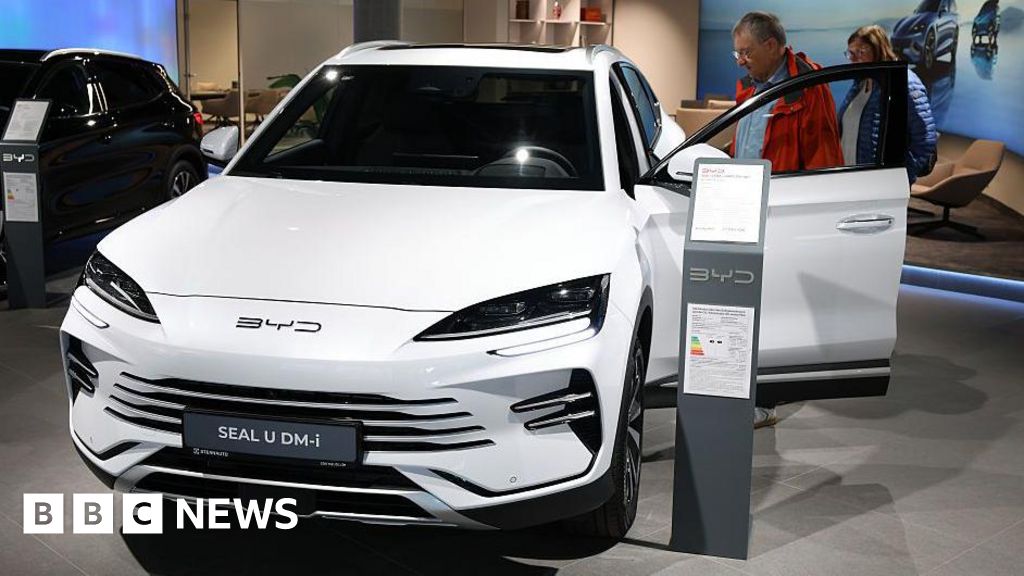
China's BYD set to overtake Tesla as world's top EV seller
It would mark the first time the Chinese firm has outpaced its American rival for annual sales.
 www.bbc.com
FiestaST
Honorary Master
2026 BYD Sealion 06 gets more power and longer range
BYD is not a company that likes to sit still for very long. Just as drivers are getting comfortable with the current lineup of electric cars, the Chinese automaker is already rolling out upgrades. The latest model to get a major hardware boost is the BYD Sealion 06. This all-electric SUV has been a hit since it arrived on the scene in July 2025, but the new version promises to go even further and move much faster than the original.
The biggest change for the refreshed model is the massive jump in power. The current Sealion 06 offers motor outputs of either 170 kW (228 hp) or 180 kW (241 hp). The new version leaves those numbers in the rearview mirror with the output going up to 270 kW, which translates to 362 horsepower. This is an increase of 90 kW (121 hp) over the base model.
Of course, speed is only one part of the equation for electric cars. Most buyers care more about how far they can go before they need to find a plug. BYD is addressing "range anxiety" by swapping out the old batteries for larger ones. The previous packs were 65.28 kWh and 78.72 kWh. The new Sealion 06 will offer two fresh "Blade" battery options.
These lithium iron phosphate (LFP) packs come in 75.616 kWh and 82.732 kWh sizes that result in a driving range of 620 km and 710 km based on China's optimistic testing standards. While real-world driving might be a bit lower, a 710 km rating is still a huge milestone for a family SUV.
Extra battery capacity does come with a weight penalty. Batteries are heavy, and these new packs weigh 538.6 kg and 571.3 kg respectively. This brings the total curb weight of the vehicle to 2,040 kg for the smaller battery and 2,080 kg for the larger one. Even though the car is carrying more weight, the upgraded motor should ensure it does not feel sluggish.
While the "guts" of the car are getting a makeover, the exterior is staying exactly the same. BYD decided not to fix what isn't broken. The Sealion 06 continues to use the "Ocean aesthetics" design language, and it measures 4.81 m long, 1.92 m wide, and 1.67 m tall. The wheelbase stays at 2.82 m, providing plenty of room for passengers inside. On the outside, you still get the closed front grille and the "interstellar loop" taillights.
 www.arenaev.com


BYD is not a company that likes to sit still for very long. Just as drivers are getting comfortable with the current lineup of electric cars, the Chinese automaker is already rolling out upgrades. The latest model to get a major hardware boost is the BYD Sealion 06. This all-electric SUV has been a hit since it arrived on the scene in July 2025, but the new version promises to go even further and move much faster than the original.
The biggest change for the refreshed model is the massive jump in power. The current Sealion 06 offers motor outputs of either 170 kW (228 hp) or 180 kW (241 hp). The new version leaves those numbers in the rearview mirror with the output going up to 270 kW, which translates to 362 horsepower. This is an increase of 90 kW (121 hp) over the base model.
Of course, speed is only one part of the equation for electric cars. Most buyers care more about how far they can go before they need to find a plug. BYD is addressing "range anxiety" by swapping out the old batteries for larger ones. The previous packs were 65.28 kWh and 78.72 kWh. The new Sealion 06 will offer two fresh "Blade" battery options.
These lithium iron phosphate (LFP) packs come in 75.616 kWh and 82.732 kWh sizes that result in a driving range of 620 km and 710 km based on China's optimistic testing standards. While real-world driving might be a bit lower, a 710 km rating is still a huge milestone for a family SUV.
Extra battery capacity does come with a weight penalty. Batteries are heavy, and these new packs weigh 538.6 kg and 571.3 kg respectively. This brings the total curb weight of the vehicle to 2,040 kg for the smaller battery and 2,080 kg for the larger one. Even though the car is carrying more weight, the upgraded motor should ensure it does not feel sluggish.
While the "guts" of the car are getting a makeover, the exterior is staying exactly the same. BYD decided not to fix what isn't broken. The Sealion 06 continues to use the "Ocean aesthetics" design language, and it measures 4.81 m long, 1.92 m wide, and 1.67 m tall. The wheelbase stays at 2.82 m, providing plenty of room for passengers inside. On the outside, you still get the closed front grille and the "interstellar loop" taillights.
2026 BYD Sealion 06 gets more power and longer range
The updated BYD Sealion 06 gets a power boost to 362 horsepower and a new maximum driving range of {{710 km}}.
www.arenaev.com
FiestaST
Honorary Master
FiestaST
Honorary Master
wingnut771
Honorary Master
I wonder if it can overtake 10 cars behind a truck a hundred times on the n1 between Colesburg and Cape Town.