


Binary_Bark
Forging
The Earth’s atmosphere is nothing but freely roaming molecules. Left alone, they would drift and collide, and eventually even out into a mixture that’s dynamic, yet stable and broadly unchanging.
The sun’s rays complicate things. Energy enters the Earth system in daily cycles, the bulk of it going to whichever half of the planet is tilted toward the sun (and experiencing summer). The molecules in that half acquire more energy than others, which sets the global atmosphere steadily swirling. Depending on the season and location, molecules in our atmosphere might traverse warm land, then cold seas. They might encounter a mountain range that forces them to high altitudes, where the air pressure is low and water condenses. Then they might become part of large-scale phenomena, such as currents, atmospheric rivers, turbulent jet streams and continental fronts.
The Climate Change Paradox | Quanta Magazine
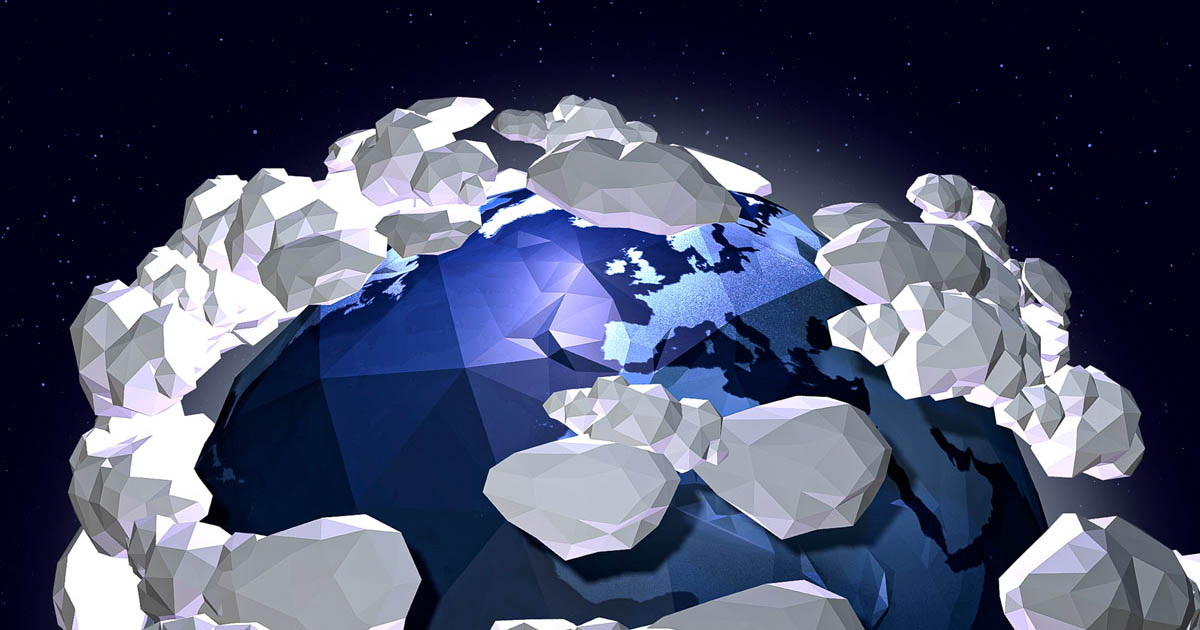
Earth’s climate is chaotic and volatile. Climate change is simple and predictable. How can both be true?
 www.quantamagazine.org