The Lotus Evora Thread

Reborn Lotus Esprit spied testing for the first time

Sports car successor is expected to arrive with hybridised V6 to develop more power than the Evora

The spiritual successor to the Lotus Esprit has been spotted testing for the first time ahead of a 2021 debut.

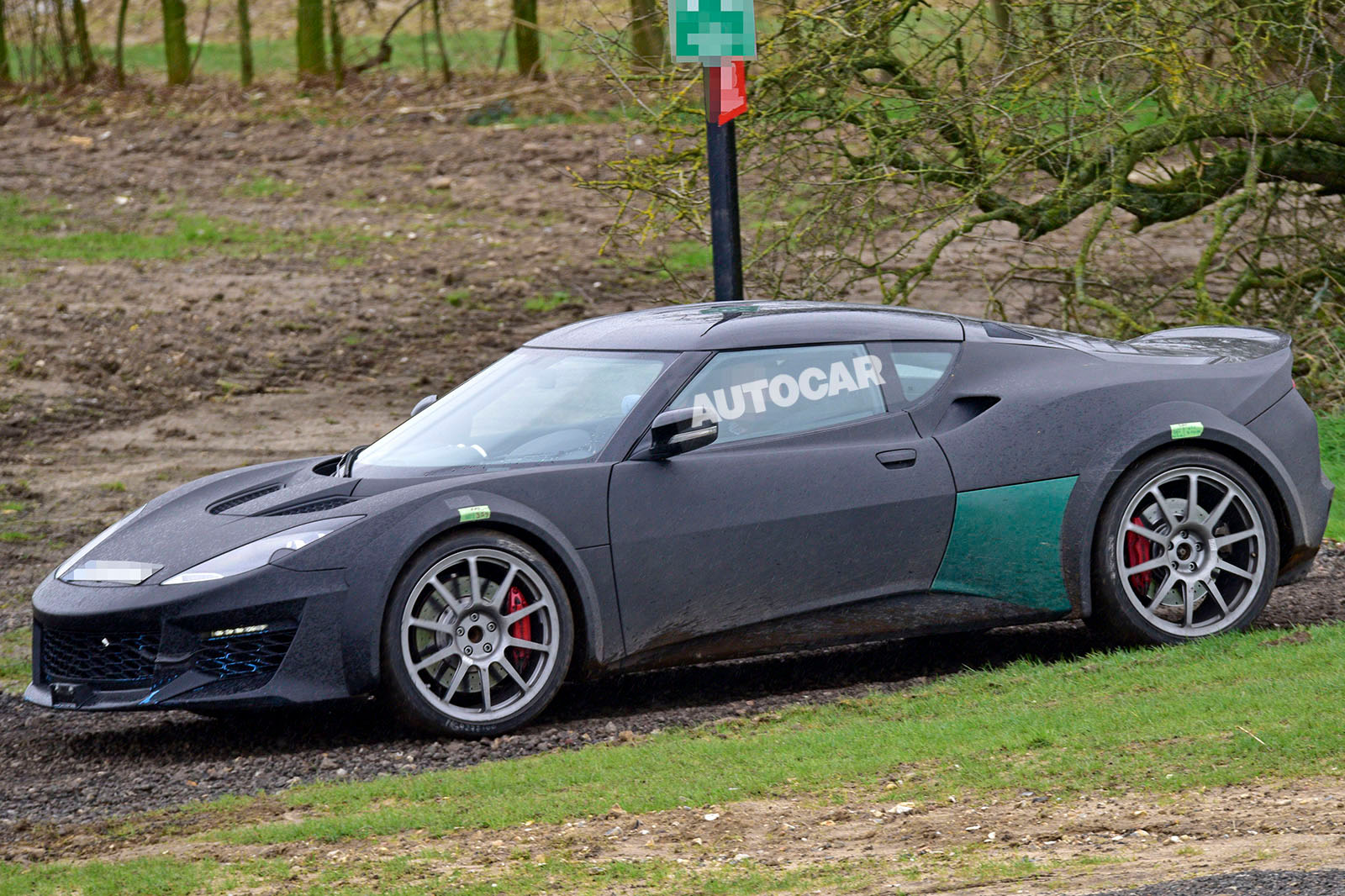
Development prototypes of the upcoming £100k-plus sports car have been seen close to Lotus's headquarters in Hethel, Norfolk, disguised by Evora bodyshells that have been widened to accomodate the modified chassis.

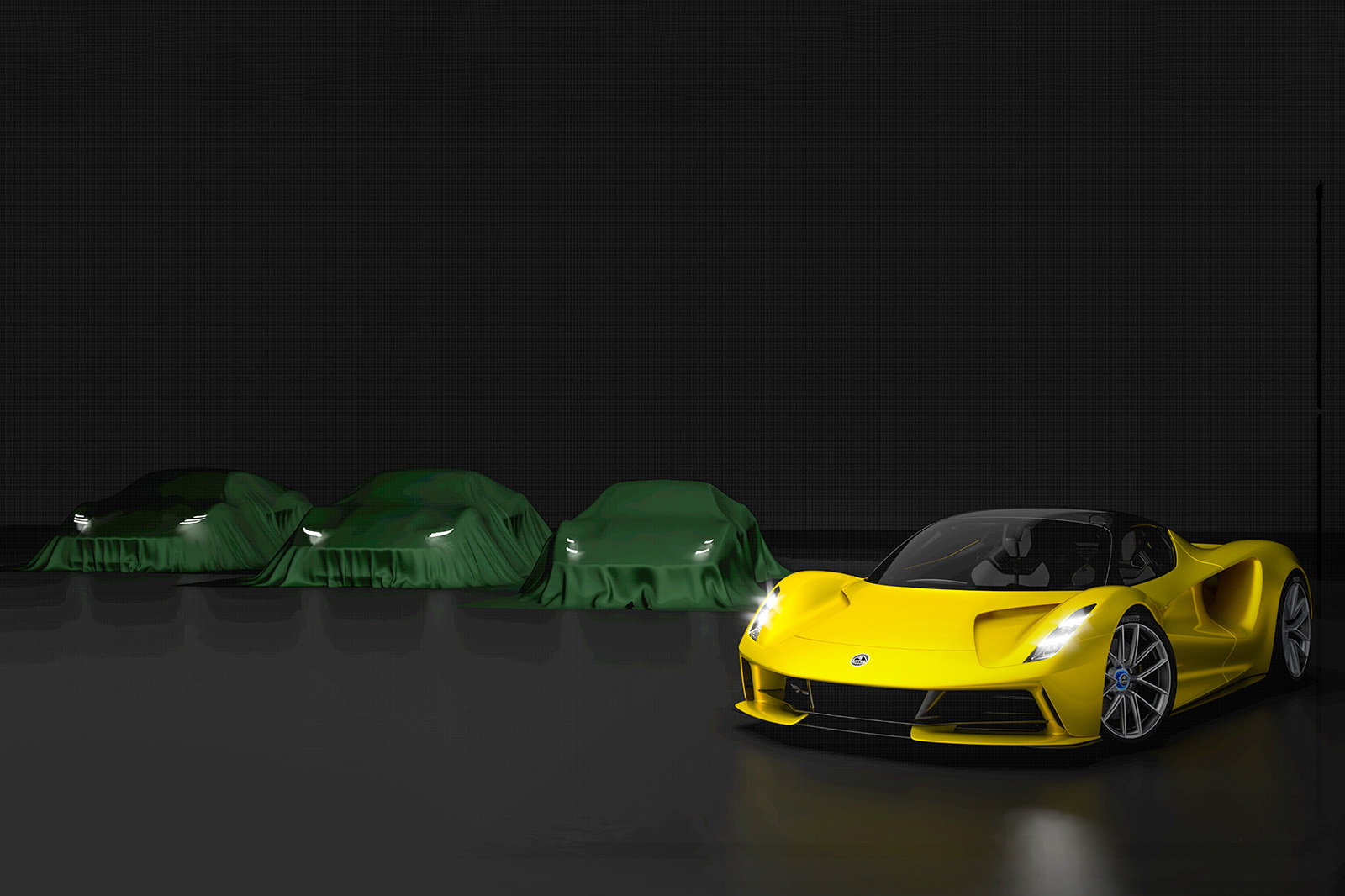
Although these early prototypes don't give any clues towards the new car's styling, it's widely expected to adopt the design language seen on the 1973bhp Evija.

Exclusively revealed by Autocar earlier this year, the reborn Esprit will be the first all-new Lotus production car for twelve years.

It's set to use a V6 powertrain sourced from Toyota, supplemented by a hybrid system developed in-house that could push power north of 500bhp. In that case, it would eclipse the 410bhp Evora GT410, although the car is expected to sit above it in the Lotus line-up rather than replace it outright.

lotus_esprit_mule_6.jpglotus_esprit_mule_7.jpg
 
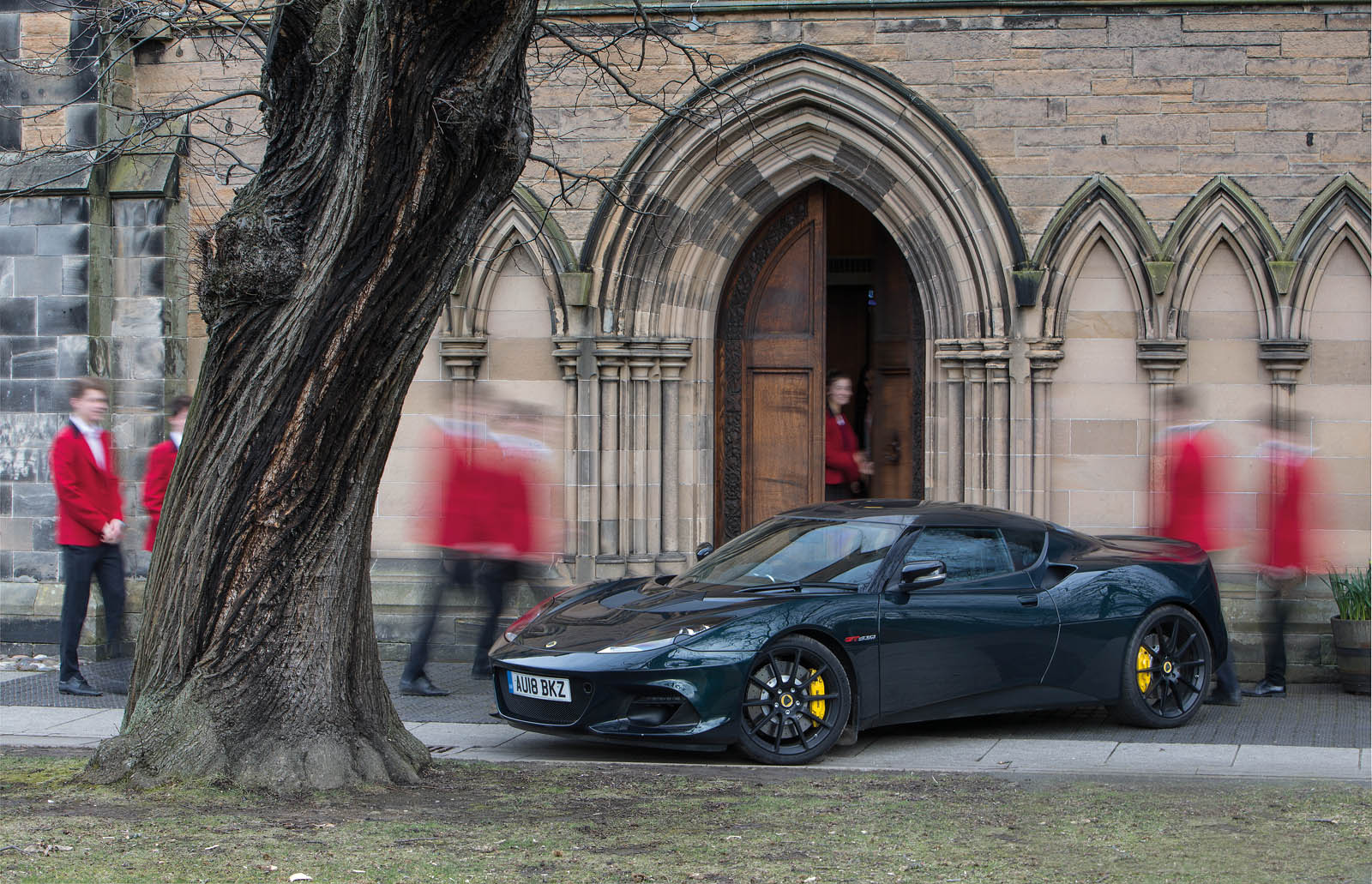
The power of Scotland: remembering Jim Clark in a Lotus Evora

Jim Clark was the top driver during a golden era for Formula 1. We head to Scotland to trace the formative years of the world’s fastest farmer


Evora 1.jpgEvora 2.jpgEvora 3.jpgEvora 4.jpgEvora 5.jpgEvora 6.jpg
 
Lotus Evora GT410 2020 UK review

Should I buy one?

The kicker? The GT410 is priced directly in line with the Porsche 911 and at almost twice the cost of an entry-level Alpine A110.

Most will therefore spend their money on younger, fresher-feeling cars and understandably so. As ever with the Evora, only the purists need apply.

Lotus Evora GT410 specification

Where Bedfordshire, UK Price £82,900 On sale now Engine V6, 3456cc, supercharged, petrol Power 410bhp at 7100rpm Torque 295lb ft at 3500rpm Gearbox 6-spd manual Kerb weight 1361kg Top speed 174mph 0-62mph 4.2sec Fuel economy 25.7mpg CO2 248g/km Rivals Porsche Cayman GTS, Alpine A110


Evora 1.jpgEvora 2.jpgEvora 3.jpgEvora 4.jpgEvora 5.jpgEvora 6.jpgEvora 7.jpg
 
Lotus confirms new sports car, end of Elise, Exige and Evora in 2021

Ageing trio will bow out to make way for lightweight V6 hybrid, while a new "family" of models is on the

Lotus will this year end production of the Elise, Exige and Evora models as it gears up for production of its new sports car series.

The new car, first detailed by Autocar and now officially confirmed to carry the development name ‘Type 131’, will go into prototype production at the British firm’s Hethel base this year. It is not yet clear whether customer examples will hit showrooms before 2021 is out.

The announcement sees the phase-out of what was arguably one of the Norfolk-based maker’s most important and iconic models: the Elise. First launched in 1995, it pioneered the use of an extruded and bonded aluminium chassis, which it still uses today.

 
One last blast: a goodbye drive in the Lotus Evora

The Evora is bowing out but there’s a timeless quality to its Lotus DNA that delights – and always will.

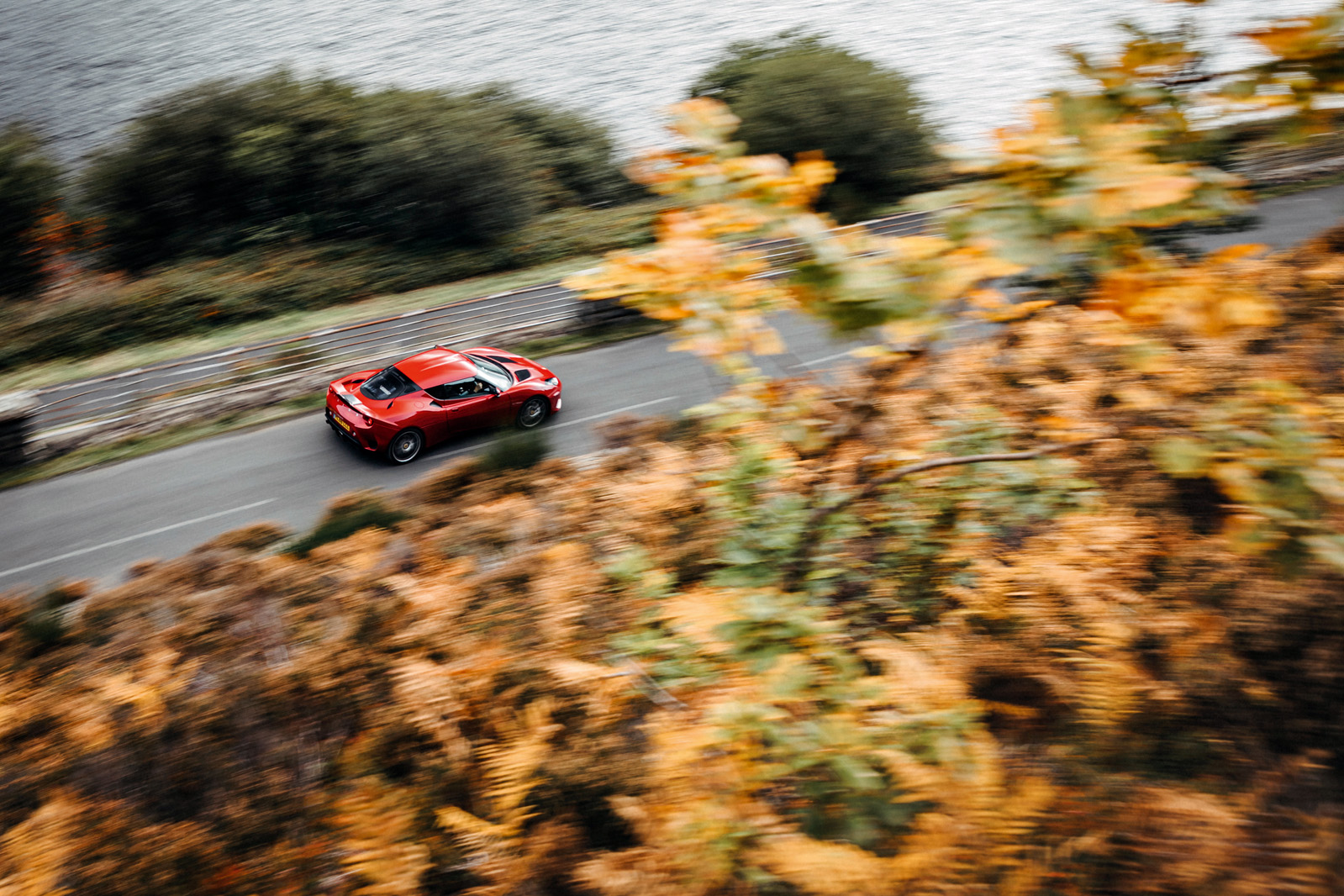
It seemed a logical destination, just as it has surely done for Lotus lovers over many decades. I suppose if there’d been somewhere in the country called the Evora Valley we’d have headed there, but for the lack of such a place we chose the roads to and through the Elan Valley, central Wales, as the best place to savour the largest of the three outgoing Lotus E-models, the Evora, as it leaves production.

We drove and photographed all day, steering well clear of the venerable souls who populate the scenic spots of Britain in October after their grandkids have gone back at school. I learned the Lotus better and better, so that when the time came to go home (this time part-way on the A470, because I’ve always loved that road, too) it felt as if we were old friends, wind leak and all. Back at base after 14 hours away, having put 300 varied miles under the Lotus’s wheels, I realised I’d not bothered to operate the radio once, instinctively preferring the powerful but rather refined sound of the V6 behind (most of the time you wouldn’t know it was supercharged but for the fact that the ‘puffer’ is visible through the rear window) to other entertainment. For me, this car’s distinction was and always will be its chassis.

However long it lives and whatever rivals come along, the Evora will always be one of the stablest, best-driving cars on the road. I know that now.


Evora 1.jpegEvora 2.jpegEvora 3.jpegEvora 4.jpegEvora 5.jpegEvora 6.jpegEvora 7.jpegEvora 8.jpegEvora 9.jpeg
 
Lotus ends production of Elise, Exige and Evora

Lotus has produced 51,738 units of the three models over its 73-year history

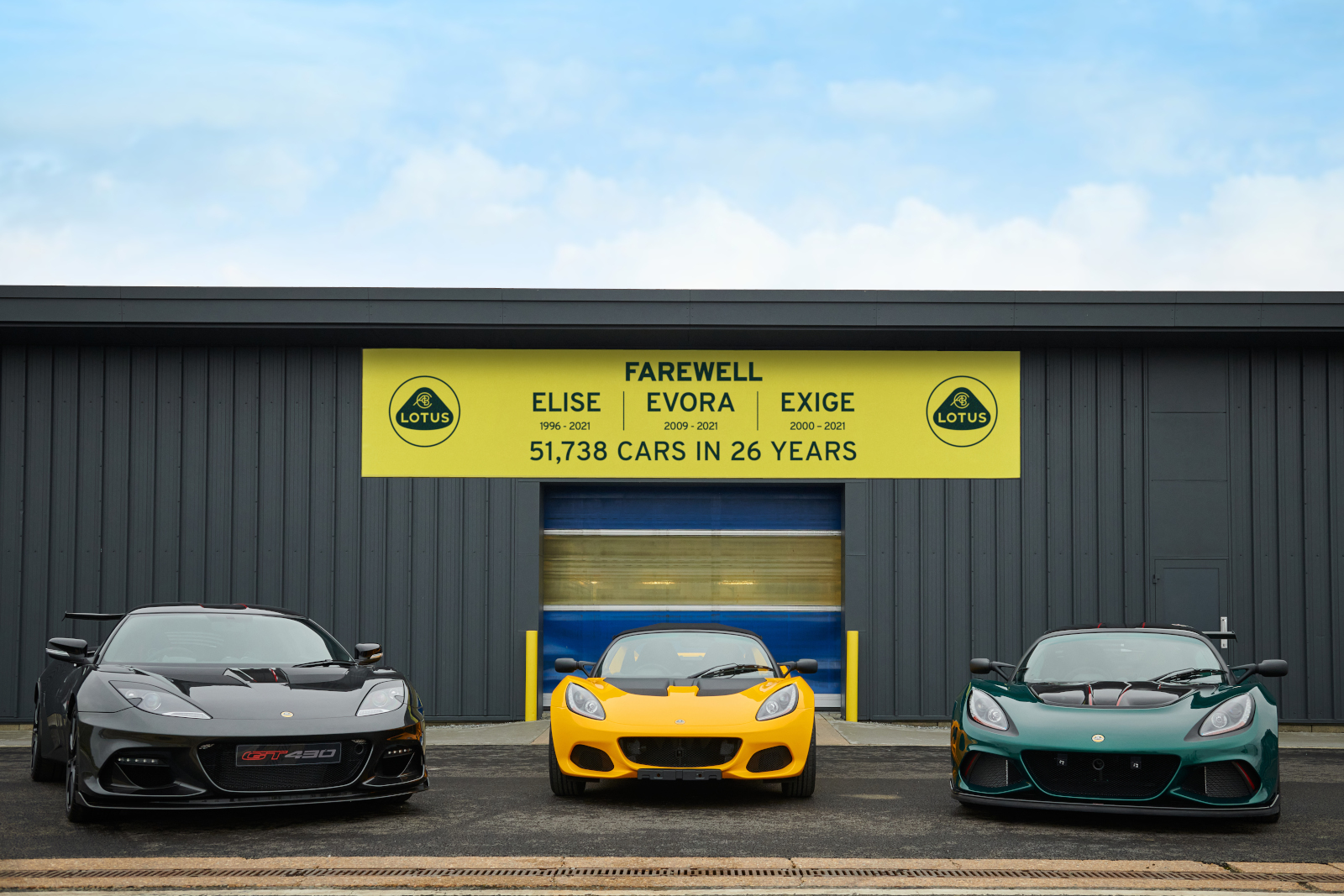
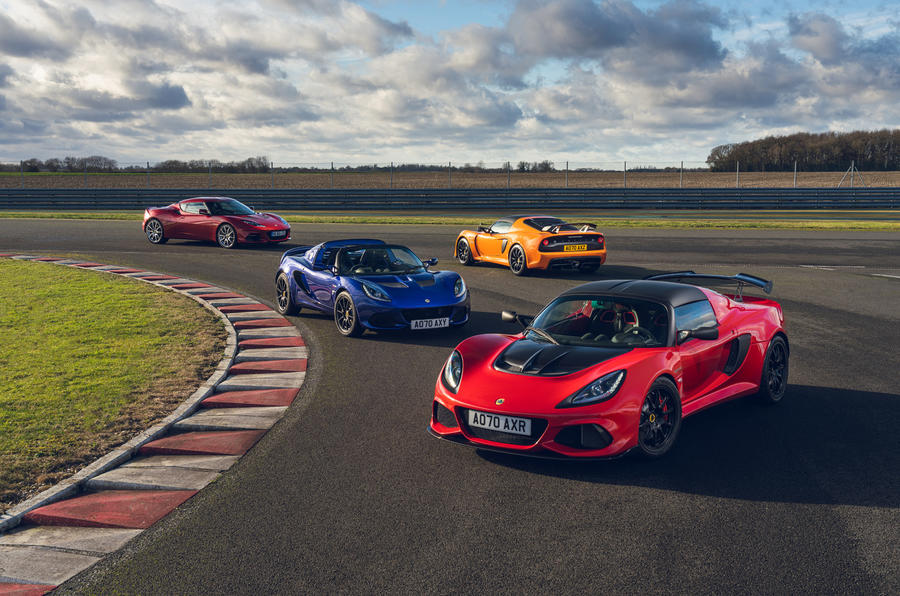
Lotus has ended production for all three of its stalwart models, with the final Elise, Exige and Evora models rolling off the production line ahead of the launch of the new Emira-led era.

Combined, Lotus has produced 51,738 units of the three models, which amounts to nearly half of the firm’s total production over its 73-year history.

The final version of each car to be finished will be kept in Lotus’ heritage collection.

The new Emira will go into production in spring 2022. It will be the final pure combustion-engine Lotus, and the first new series production machine since the firm was bought by Geely, and along with the Evija hypercar will mark a new era of future models.

Lotus boss Matt Windle paid tribute to the team who have worked on the three cars, nothing that they would transfer their expertise to producing the Emira and Evija. He added: "I would also like to convey enormous gratitude to all the customers of the Elise, Exige and Evora over the last 26 years for their passion, enthusiasm and support,” said Matt Windle, Lotus managing director.

“These customers have given our ‘three Es’ true cult status – usually reserved for long-out-of-production classics. As we say farewell to the last few cars, we look forward to the Emira and Evija in the all-new factories at Hethel and sub-assembly facilities in Norwich, which introduce greater efficiencies and automation, higher quality and flexibility and the hugely exciting next chapter in our Vision80 strategy.”

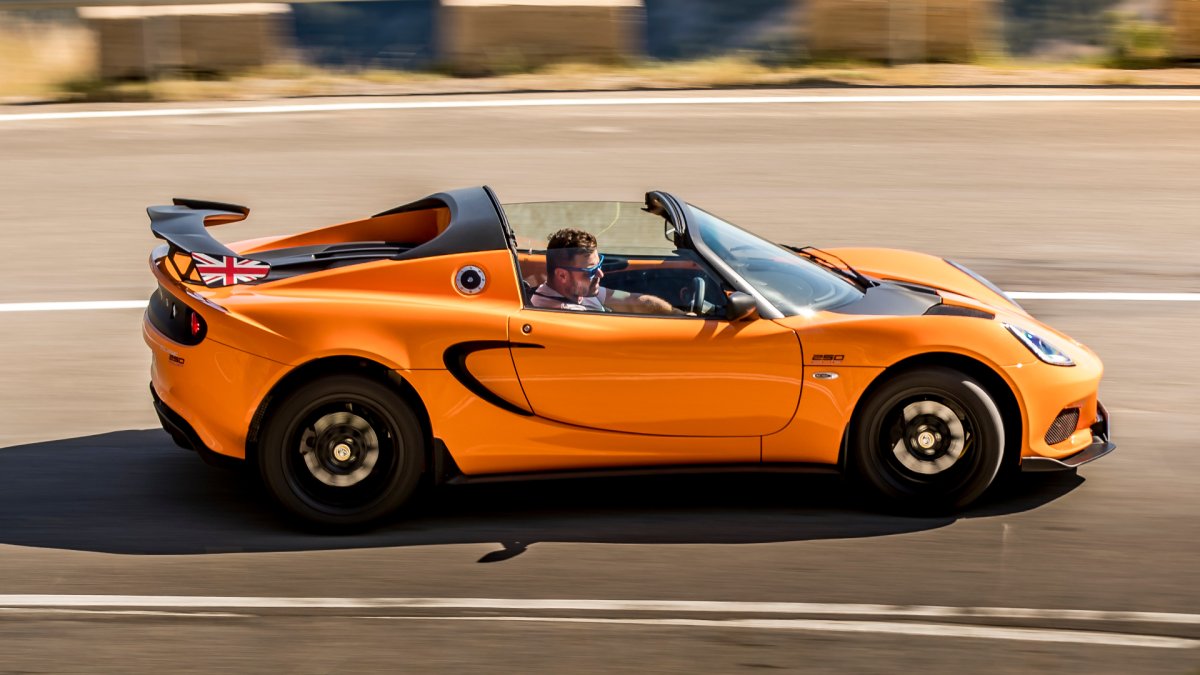
The Elise, first produced in 1996, has gained a Sport 240 Final Edition in yellow which is the final model out of 35,124 cars produced.


End of an Era: Production Ends for Lotus Elise, Exige and Evora - The Drive​

It's the end of the line for the cars that transformed the British automaker.

message-editor%2F1640226922366-the-end-of-an-era_1.jpg


Lotus has announced that it will finally bring production of its three best-known models to an end. The Elise, Exige and Evora will all cease to be built, heralding in a new era for the company.

The Elise was the beginning of a new dawn for Lotus. Starting production in 1996, the company's thoroughly modern sportscar won it fans practically overnight. Loved for its handling and featherweight chassis, it weighed in at just 1598 pounds at launch.

The Elise adhered religiously to the famous Chapman mantra: "Simplify, then add lightness." It was a stripped-out, barebones little weapon, and few cars could match it for feel and driving experience at the time.

The Exige then hit the scene in 2000, serving as a more hardcore, track-focused version of the Elise. It then wasn't long before the asthmatic Rover K-series engine was chucked out for a Toyota four-pot, and the model really hit its stride.

With more power and a touch of Japanese reliability in the engine bay, Lotus had the perfect track day car on its hands.

Sales ticked up, and innumerable special editions came through over the years. Superchargers and V6s started getting handed out, and by the end of the production run, the Exige in particular had earned itself a serious reputation for performance.

The Evora was also a turning point for the company, first released for the 2010 model year. The model aimed to continue the Lotus tradition of light weight and sharp handling, while adding enough comfort to fulfill the role of a proper grand touring car.

Paired with a Toyota V6, and available with a supercharger, it too became ever quicker over the years, and won new customers for Lotus who found the Elise and Exige too small or too focused for regular driving.

The Elise platform also served to gain Lotus business with other automakers. The Vauxhall VX220 and the original Tesla Roadster were both based on the Elise chassis, chosen for its handling abilities and in both cases, paired with capable drivetrains with good power.

The three nameplates combined add up to a full 51,738 built over the last 26 years. While these numbers pale in significance to mainstream models, for the little outfit in Britain, it marks a huge change in fortunes.

The company that was selling a mere few hundred units a year at its lowest point in the 1980s has expanded fortuitously. The three models account for just under half of Lotus's total production in its whole 73-year history.

Production lines will now switch over to building the new Lotus Emira, with the mid-engined weapon serving as the company's last combustion-engined car.

Also coming soon are the electric Evija hypercar, which aims to be the most powerful production car in the world at launch.

Finally, spring will see the release of the all-electric Type 132, the first Lotus SUV. It's a departure from the brand's pure sporting ethos and a sign of the times.

It may however mark a turning point, similar to that seen by Porsche with the Cayenne, where a cash influx from SUV sales supports the company to reach ever-greater heights.

It's the beginning of a great shift for one of the best-loved, yet tiniest, automakers out there. Lotus's great cars of the past quarter-century will long be celebrated; its new models will have big shoes to fill.

 
Lotus officially puts an end to Elise, Exige and Evora production

The team at Lotus commemorates the last examples of the Elise, Exige and Evora as it embraces the new era of its product line. These monikers celebrate a total of 51 738 unit sales over the course of 26 years and represent almost half of the total production of Lotus in its 73-year history.

In addition, 9 715 sports cars were built for Lotus’ third-party clients, including GM and Tesla. From 1996 to 2000, the first-generation Elise and Exige sports cars were built in a small assembly hall at Hethel alongside the Lotus Esprit. The current assembly lines, which were installed in 2000, will be dismantled and replaced with all-new state-of-the-art facilities in support of the all-new Emira factory.

Full Emira production begins in the spring, after the prototype and test phases currently underway are completed, taking Lotus sports car production into a, high-tech and semi-automated era, and increasing capacity up to 5 000 units per year on a single shift pattern.

The last examples of the Elise, Exige and Evora models are reserved for Lotus’ growing heritage collection.

Joining the collection will be the last Elise, a Sport 240 Final Edition finished in Yellow and the last of 35,124 cars; the last Exige, a Cup 430 Final Edition in Heritage Racing Green – number 10 497; and the last Evora – a GT430 Sport finished in Dark Metallic Grey – the last of a production run of 6 117.

 
Lotus global sales highest in a decade last year

Hethel reports a 24% year-on-year increase in sales in the final year of Elise, Evora and Exige production

Lotus sold 1710 new cars worldwide in 2021, a 24% year-on-year increase and its best performance in a decade.

In the final year of production for its Elise, Exige and Evora models, Lotus boosted global sales by 332 units over 2020, recording substantial growth in all key markets.

In its UK home market, for example, sales soared by 24%, while it noted a 37% increase in Belgium – its best performance in Europe – and a huge 111% uptick in the US and Canada.

Elsewhere, Japan – Lotus's second-biggest market – had its best year since 2015 and Qatar reported its best sales figures since Lotus entered the market in 2016.

The firm sold new cars in Bahrain, New Zealand and Thailand for the first time in more than seven years.

The Elise was the best-selling model, which Lotus attributes to fans wanting to "secure a piece of automotive history via the highly specced Sport 240 Final Edition and the Cup 250 Final Edition models".

 
Top
Sign up to the MyBroadband newsletter
X