


-
- News
-
Categories
- 5G
- ADSL
- AI
- Banking
- Black Friday
- Broadband
- Broadcasting
- Business
- Business Telecoms
- Cellular
- Cloud and Hosting
- Columns
- Cryptocurrency
- Energy
- Enterprise
- Fibre
- Gadgets
- Gaming
- Government
- Hardware
- Industry News
- Internet
- Internet of Things
- Investing
- IT Services
- Motoring
- Reviews
- Science
- Security
- Smartphones
- Software
- Technology
- Telecoms
- Trending
- Wireless
- Press Office
- Forum
- Industry News
- What's Next
- Company hub
- Speed Test
- About us
- Advertise with us
- Contact
- Careers
-
Join the MyBroadband community
South Africa’s biggest forum. Discuss, discover, and connect with thousands of members.
-
Question of the Day: Do you get motion sick?
- Forums
- General discussions
- Motoring and Transportation: Cars, Bikes and Plane
- General Motoring News and Reviews
You are using an out of date browser. It may not display this or other websites correctly.
You should upgrade or use an alternative browser.
You should upgrade or use an alternative browser.
The SA Vehicle Industry Thread
- Thread starter FiestaST
- Start date
FiestaST
Honorary Master
Paywall:
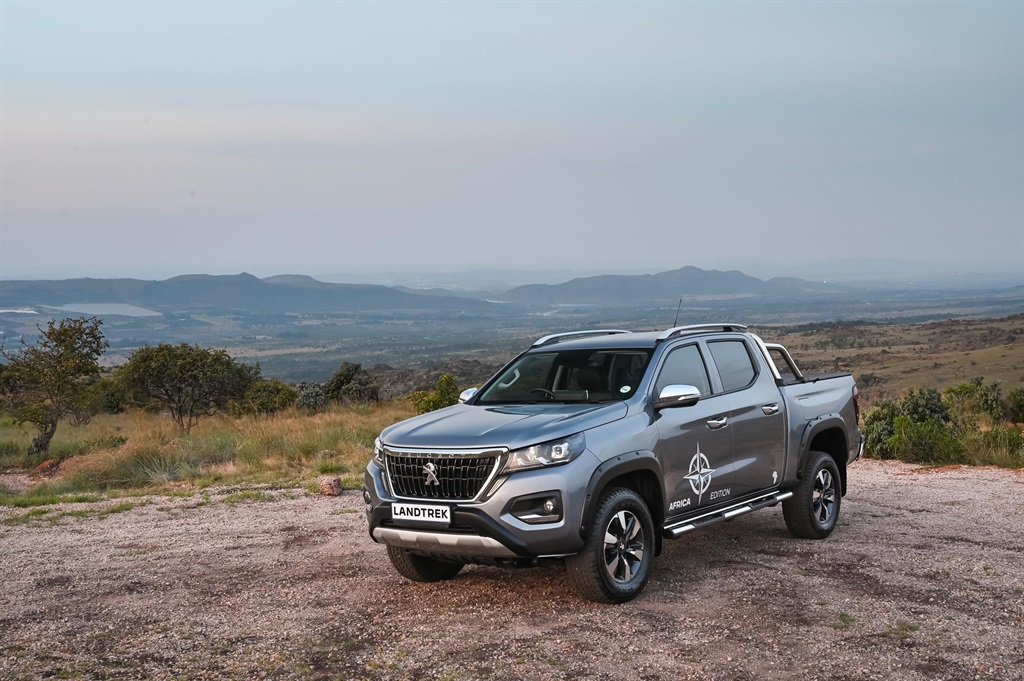
Another local bakkie for SA: Stellantis to build Peugeot Landtrek locally, could Fiat Strada follow?
 www.news24.com
Another local bakkie for SA: Stellantis to build Peugeot Landtrek locally, could Fiat Strada follow?
Another local bakkie for SA: Stellantis to build Peugeot Landtrek locally, could Fiat Strada follow? | Life
Stellantis recently announced it would be establishing a state-of-the-art facility in Coega, Eastern Cape, and adding another locally-built bakkie to SA's homegrown vehicles.
www.news24.com
FiestaST
Honorary Master
SA Set to Become EV Producer By 2026 According to White Paper

 www.carmag.co.za
SA Set to Become EV Producer By 2026 According to White Paper
At long last, Minister Ebrahim Patel has confirmed that the South African government is rallying behind EV production in the latest White Paper.
www.carmag.co.za
FiestaST
Honorary Master
FiestaST
Honorary Master
South Africa likely to produce its first electric vehicles from 2026, DTIC says
South Africa’s government has made it clear that due to the current energy crisis, and coal-dominated grid, it is too early to encourage local consumers to buy electric cars.
Upon releasing the country’s Electric Vehicle White Paper this week, the Minister of Trade and Industry, Ebrahim Patel, said that stimulating the local market would only happen during the second phase of the country’s EV strategy, which could take up to seven or eight years to materialise.
During the first phase the Department of Trade, Industry and Competition (DTIC) will seek to encourage and incentivise the local production and export of electric vehicles. This is a vitally important step given that Europe and the UK currently account for around half of South Africa’s automotive exports, and both plan to ban the sale of new internal combustion (ICE) engined vehicles by 2035.
But when can we expect to see the first electric vehicles to start rolling off South African assembly lines? Having consulted with the various motor manufacturers, Minister Patel anticipates that the first EVs are likely to be produced from as early as 2026, albeit in limited numbers.
He then expects a sharp growth in EV production between that year and 2030, while at least one manufacturer has indicated that it plans to move into EV production “early after 2030”, depending on the speed with which the market, both globally and locally, transitions to greater consumption of electric vehicles.
South Africa’s government has made it clear that due to the current energy crisis, and coal-dominated grid, it is too early to encourage local consumers to buy electric cars.
Upon releasing the country’s Electric Vehicle White Paper this week, the Minister of Trade and Industry, Ebrahim Patel, said that stimulating the local market would only happen during the second phase of the country’s EV strategy, which could take up to seven or eight years to materialise.
During the first phase the Department of Trade, Industry and Competition (DTIC) will seek to encourage and incentivise the local production and export of electric vehicles. This is a vitally important step given that Europe and the UK currently account for around half of South Africa’s automotive exports, and both plan to ban the sale of new internal combustion (ICE) engined vehicles by 2035.
But when can we expect to see the first electric vehicles to start rolling off South African assembly lines? Having consulted with the various motor manufacturers, Minister Patel anticipates that the first EVs are likely to be produced from as early as 2026, albeit in limited numbers.
He then expects a sharp growth in EV production between that year and 2030, while at least one manufacturer has indicated that it plans to move into EV production “early after 2030”, depending on the speed with which the market, both globally and locally, transitions to greater consumption of electric vehicles.
FiestaST
Honorary Master
New Vehicles Confirmed for SA in 2024
 www.carmag.co.za
New Vehicles Confirmed for SA in 2024
In the December issue of CAR Magazine, we took a comprehensive look at all of the vehicles confirmed to arrive in South Africa in the new year.
www.carmag.co.za
FiestaST
Honorary Master
These 23 vehicles each just had their best sales month of 2023
FiestaST
Honorary Master
New SA EV Regulations Don’t Favour Owning One Just Yet
 www.carmag.co.za
New SA EV Regulations Don't Favour Owning One Just Yet
Despite momentous government reforms for EV production in South Africa, EV ownership will still remain highly taxed. Here is why.
www.carmag.co.za
FiestaST
Honorary Master
New Vehicles Speculated for SA in 2024
 www.carmag.co.za
New Vehicles Speculated for SA in 2024
We recently took a comprehensive look at what new models could potentially come to South Africa in the next twelve months, have a look
www.carmag.co.za
FiestaST
Honorary Master
Paywall:
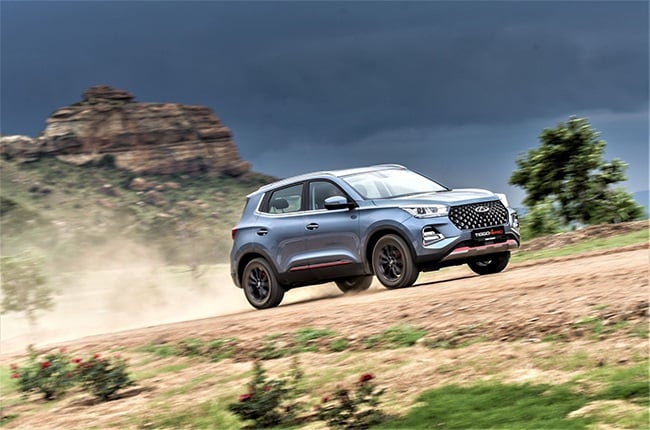
SEE | Eastern assault: here’s how many cars Chinese automakers sold in SA during November
 www.news24.com
SEE | Eastern assault: here’s how many cars Chinese automakers sold in SA during November
SEE | Eastern assault: here’s how many cars Chinese automakers sold in SA during November | Life
Chinese automakers in South Africa are selling cars like hotcakes right now, grabbing a wider piece of market share, propelling their way up the monthly best-sellers list and bothering many of the established names along the way.
www.news24.com
FiestaST
Honorary Master
Top 10 Best-Selling Brands for November 2023
 www.carmag.co.za
Top 10 Best-Selling Brands for November 2023
With Toyota dominating, take a look at South Africa's best-selling passenger and LCV combined brands for November.
www.carmag.co.za
FiestaST
Honorary Master
10 best-selling vehicles to SA’s rental industry in November 2023
Which vehicles benefitted most from sales to South Africa’s rental industry in November 2023? Well, let’s take a closer look at Mzansi’s fleet favourites…
In November 2023, around 9.5% (or 4 299 units) of South Africa’s 45 075-unit new-vehicle market total represented sales to the rental industry. The influence of local rental-fleet buyers is even more significant in the passenger-vehicle space, with sales through this channel accounting for 12.5% of 29 384 registrations in the 11th month of the year.
So, which vehicles were most popular with SA’s rental industry in November? Well, we’ve rummaged through the official sales statistics from Naamsa and identified the 10 best-selling vehicles to rental companies last month. Interestingly, Toyota took 4 spots in the top 10, with the remaining shared among 6 other manufacturers.
10 best-selling vehicles to SA’s rental industry in November 2023
1. Toyota Corolla Quest – 416 units (out of 582)
2. Nissan NP200 – 352 units (out of 1 152)
3. Toyota Starlet – 348 units (out of 1 176)
4. Renault Kwid – 347 units (out of 589)
5. Volkswagen Polo Vivo – 300 units (out of 1 913)
6. Kia Sonet – 226 units (out of 675)
7. Toyota Vitz – 216 units (out of 855)
8. Haval H6 – 201 units (out of 654)
9. Toyota Hilux – 169 units (out of 3 073)
10. Suzuki S-Presso – 150 units (out of 446)
Which vehicles benefitted most from sales to South Africa’s rental industry in November 2023? Well, let’s take a closer look at Mzansi’s fleet favourites…
In November 2023, around 9.5% (or 4 299 units) of South Africa’s 45 075-unit new-vehicle market total represented sales to the rental industry. The influence of local rental-fleet buyers is even more significant in the passenger-vehicle space, with sales through this channel accounting for 12.5% of 29 384 registrations in the 11th month of the year.
So, which vehicles were most popular with SA’s rental industry in November? Well, we’ve rummaged through the official sales statistics from Naamsa and identified the 10 best-selling vehicles to rental companies last month. Interestingly, Toyota took 4 spots in the top 10, with the remaining shared among 6 other manufacturers.
10 best-selling vehicles to SA’s rental industry in November 2023
1. Toyota Corolla Quest – 416 units (out of 582)
2. Nissan NP200 – 352 units (out of 1 152)
3. Toyota Starlet – 348 units (out of 1 176)
4. Renault Kwid – 347 units (out of 589)
5. Volkswagen Polo Vivo – 300 units (out of 1 913)
6. Kia Sonet – 226 units (out of 675)
7. Toyota Vitz – 216 units (out of 855)
8. Haval H6 – 201 units (out of 654)
9. Toyota Hilux – 169 units (out of 3 073)
10. Suzuki S-Presso – 150 units (out of 446)
FiestaST
Honorary Master
Cars Available in SA that Will be Discontinued in 2024
 www.carmag.co.za
Cars Available in SA that Will be Discontinued in 2024
You won't find these on showroom floors since they have been globally discontinued. Here is a list of the models that will be unavailable in 2024.
www.carmag.co.za
FiestaST
Honorary Master
A Journey Inside VW South Africa's Powerhouse | Kariegaplant - AutoTrader SA
FiestaST
Honorary Master
The vehicles SA’s automakers kept for themselves last month
Every month, Naamsa’s sales figures include a list of so-called “single” registrations – units that automakers have kept and licensed for their own use. These were the most popular in November 2023…
Many of the various automotive brands plying their trade in South Africa report so-called “single” registrations every month.
Lightstone Auto, which provides the primary platform for the delivery of Naamsa’s new-vehicle sales statistics, defines single registrations as “units that manufacturers/importers keep for their own use”, giving examples such as staff vehicles, media vehicles and promotional vehicles. Interestingly, Lightstone says corporate fleet sales are not included in this.
SA’s top 10 ‘single’ registrations in November 2023
1. Nissan Magnite – 140 units (out of 997)
2. Volkswagen Polo hatch – 116 units (out of 930)
3. Toyota Hilux – 89 units (out of 3 073)
4. Isuzu D-Max – 62 units (out of 1 662)
5. Toyota Corolla Cross – 56 units (out of 1 766)
6. Ford Ranger – 44 units (out of 2 234)
7. Ford Everest – 43 units (out of 346)
8. Toyota Urban Cruiser – 41 units (out of 559)
9=. Toyota Starlet – 35 units (out of 1 176)
9=. Volkswagen Amarok – 35 units (out of 367)
Every month, Naamsa’s sales figures include a list of so-called “single” registrations – units that automakers have kept and licensed for their own use. These were the most popular in November 2023…
Many of the various automotive brands plying their trade in South Africa report so-called “single” registrations every month.
Lightstone Auto, which provides the primary platform for the delivery of Naamsa’s new-vehicle sales statistics, defines single registrations as “units that manufacturers/importers keep for their own use”, giving examples such as staff vehicles, media vehicles and promotional vehicles. Interestingly, Lightstone says corporate fleet sales are not included in this.
SA’s top 10 ‘single’ registrations in November 2023
1. Nissan Magnite – 140 units (out of 997)
2. Volkswagen Polo hatch – 116 units (out of 930)
3. Toyota Hilux – 89 units (out of 3 073)
4. Isuzu D-Max – 62 units (out of 1 662)
5. Toyota Corolla Cross – 56 units (out of 1 766)
6. Ford Ranger – 44 units (out of 2 234)
7. Ford Everest – 43 units (out of 346)
8. Toyota Urban Cruiser – 41 units (out of 559)
9=. Toyota Starlet – 35 units (out of 1 176)
9=. Volkswagen Amarok – 35 units (out of 367)

HAL 9000
Honorary Master
- Joined
- May 27, 2008
- Messages
- 22,682
- Reaction score
- 26,493
New law puts popular tradie utes, American trucks under threat
New engine emission rules have been quietly introduced and could spell the end for Australia’s most popular utes, SUVs and 4WDs as we know them.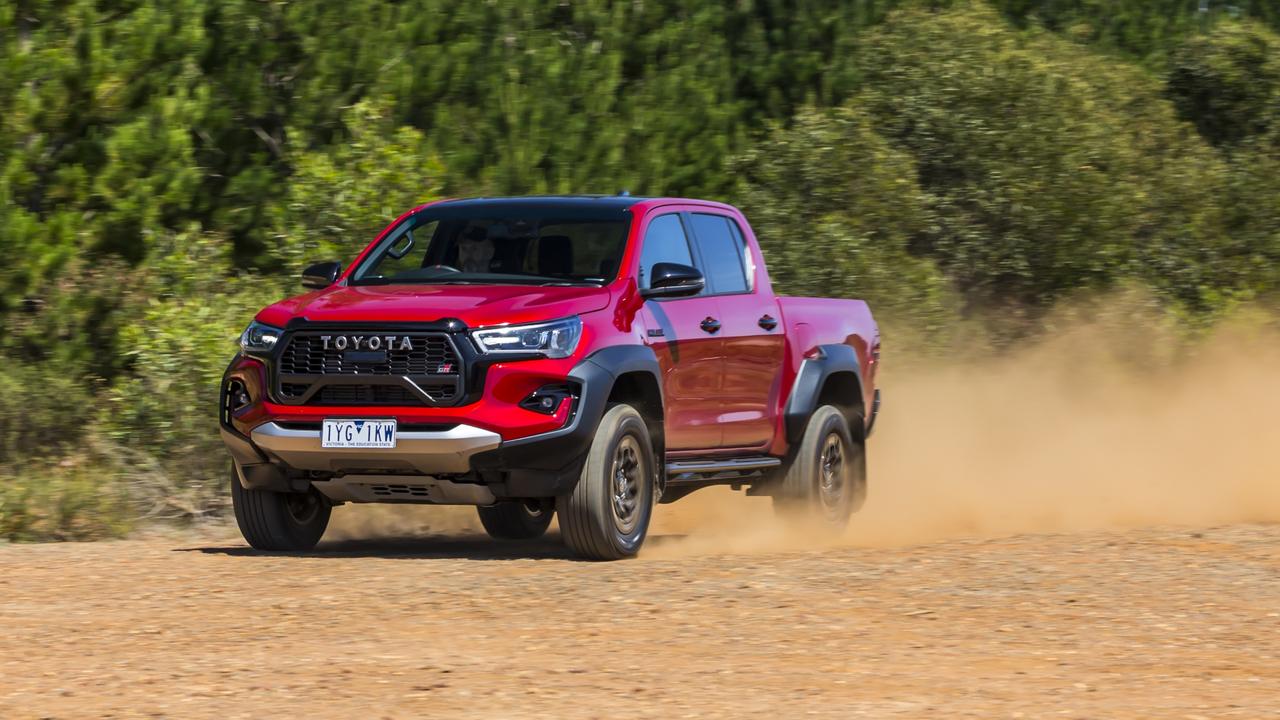
Australia is set to overhaul its automotive landscape, potentially bidding farewell to the era of top-selling cars such as the Toyota HiLux ute, beloved SUVs, and colossal American pick-up trucks.
The catalyst for this transformation comes from new laws announced by the Federal Government, which mandate stringent emission standards for petrol and diesel-powered vehicles.
These regulations, aligned with ‘Euro 6d’ standards, are scheduled to be enforced starting in 2025, accompanied by upgrades to the quality of locally sold petrol.
The overarching goal is to bring Australia in line with emission standards already embraced by Europe.
This legislative shift puts numerous popular models, ranging from passenger cars and SUVs to utes and vans, at risk of extinction from Australian showrooms unless they can comply with the demanding Euro 6d standards.
The current emissions standards in Australia, lingering since 2009, fail to meet those adopted in Europe a decade ago and Australia’s petrol quality stands as one of the dirtiest among developed nations.
The Euro 6d standards, implemented in Europe in 2021, set a benchmark that rivals or surpasses emission protocols enforced in other developed markets.
The Australian adaptation of these stringent rules is slated to impact new cars, SUVs, and light commercial vehicles entering the market from December 2025, but these standards will apply universally to all models, regardless of their launch date, from 2028.
While the new regulations will undoubtedly push automakers to introduce cleaner vehicles to the Australian market, they are separate from a potentially more rigorous Fuel Efficiency Standard under consideration by the Federal Government.
Industry stakeholders, including automakers and lobby groups, were given a chance earlier this year to provide input on this standard’s form.
FiestaST
Honorary Master
New Cars for South Africa in 2024
As 2023 draws to a rapid end, we look ahead to 2024 to see what new cars are expected to reach South Africa. What new cars are you looking forward to most? Let’s take a closer look!
The year 2023, for the most part, has been a year of recovery for the automotive sector in South Africa following a lengthy period of supply challenges, production setbacks, chip and parts shortages and delivery delays, to name but a few of the major challenges faced by car manufacturers.
Some of these challenges still remain but 2024 is shaping up to be a “smoother ride” for the industry. More so, 2024 will see new car brands launching in South Africa as well as a wide range of new cars and updated cars coming to market including budget cars, compact SUVs / crossovers, family cars, executive SUVs, premium SUVs, sports cars, supercars, bakkies, electric cars and more!
Please note that this new car list is generated based on feedback from manufacturers as well as from what has been reported publicly by either by Cars.co.za or elsewhere. We have tried our utmost to make this list as accurate and as definitive as possible. We will update this list regularly as we receive relevant information from manufacturers.
It’s also worth mentioning that arrival timings for new cars are tentative and are subject to change due to ongoing changes and delays in the global supply chain.
Let’s take a look at what new cars are coming to South Africa in 2024!
As 2023 draws to a rapid end, we look ahead to 2024 to see what new cars are expected to reach South Africa. What new cars are you looking forward to most? Let’s take a closer look!
The year 2023, for the most part, has been a year of recovery for the automotive sector in South Africa following a lengthy period of supply challenges, production setbacks, chip and parts shortages and delivery delays, to name but a few of the major challenges faced by car manufacturers.
Some of these challenges still remain but 2024 is shaping up to be a “smoother ride” for the industry. More so, 2024 will see new car brands launching in South Africa as well as a wide range of new cars and updated cars coming to market including budget cars, compact SUVs / crossovers, family cars, executive SUVs, premium SUVs, sports cars, supercars, bakkies, electric cars and more!
Please note that this new car list is generated based on feedback from manufacturers as well as from what has been reported publicly by either by Cars.co.za or elsewhere. We have tried our utmost to make this list as accurate and as definitive as possible. We will update this list regularly as we receive relevant information from manufacturers.
It’s also worth mentioning that arrival timings for new cars are tentative and are subject to change due to ongoing changes and delays in the global supply chain.
Let’s take a look at what new cars are coming to South Africa in 2024!
FiestaST
Honorary Master
FiestaST
Honorary Master
SA’s best-selling brands and vehicles in December 2023
South Africa’s new-vehicle market registered its 5th consecutive year-on-year decline in December 2023, closing out the calendar on a negative note. Here’s your overview, including Mzansi’s most popular brands, best-selling vehicles and more…
The figures are (finally) in: December 2023 was the South African new-vehicle industry’s 5th consecutive month of year-on-year decline. Yes, the closing month of the year saw the market register a total of 40 329 units, translating to a 3.3% drop compared with the corresponding month in 2022.
Furthermore, December 2023’s final tally represented a month-on-month fall of 10.5% compared with November 2023’s effort of 45 075 units (though it’s worth keeping in mind there are traditionally fewer trading days in the final month of the year).
Out of the total reported industry sales in December 2023, Naamsa estimated that 35 483 units (or 88%) represented registrations via the dealer channel, while 8.7% were sales to the vehicle-rental industry, 2.2% to government and 1.1% to industry corporate fleets.
10 best-selling vehicles in South Africa in December 2023
1. Toyota Hilux – 2 858 units
2. Volkswagen Polo Vivo – 2 448 units
3. Ford Ranger – 1 936 units
4. Toyota Corolla Cross – 1 932 units
5. Toyota Vitz – 1 358 units
6. Toyota Hi-Ace – 1 056 units
7. Isuzu D-Max – 1 023 units
8. Toyota Starlet – 1 013 units
9. Suzuki Swift – 967 units
10. Renault Triber – 911 units
South Africa’s new-vehicle market registered its 5th consecutive year-on-year decline in December 2023, closing out the calendar on a negative note. Here’s your overview, including Mzansi’s most popular brands, best-selling vehicles and more…
The figures are (finally) in: December 2023 was the South African new-vehicle industry’s 5th consecutive month of year-on-year decline. Yes, the closing month of the year saw the market register a total of 40 329 units, translating to a 3.3% drop compared with the corresponding month in 2022.
Furthermore, December 2023’s final tally represented a month-on-month fall of 10.5% compared with November 2023’s effort of 45 075 units (though it’s worth keeping in mind there are traditionally fewer trading days in the final month of the year).
Out of the total reported industry sales in December 2023, Naamsa estimated that 35 483 units (or 88%) represented registrations via the dealer channel, while 8.7% were sales to the vehicle-rental industry, 2.2% to government and 1.1% to industry corporate fleets.
10 best-selling vehicles in South Africa in December 2023
1. Toyota Hilux – 2 858 units
2. Volkswagen Polo Vivo – 2 448 units
3. Ford Ranger – 1 936 units
4. Toyota Corolla Cross – 1 932 units
5. Toyota Vitz – 1 358 units
6. Toyota Hi-Ace – 1 056 units
7. Isuzu D-Max – 1 023 units
8. Toyota Starlet – 1 013 units
9. Suzuki Swift – 967 units
10. Renault Triber – 911 units
FiestaST
Honorary Master
10 best-selling bakkies in South Africa: December 2023
Bakkie fans, we have the all-important figures! Here’s your monthly look at South Africa’s best- and worst-selling bakkies, this time for December 2023…
In December 2023, South Africa’s new-vehicle market suffered its 5th consecutive year-on-year decline, dropping 3.3% to 40 329 units. The light-commercial vehicle (LCV) segment likewise experienced a fall, with sales in this segment of the market slipping 2.9% year on year to 10 181 units.
So, what happened on the list of South Africa’s best-selling bakkies? Well, though the Prospecton-built Toyota Hilux wasn’t able to breach the 3 000-unit mark this time, it was nevertheless again at the very top of the pile, completing the year with a December total of 2 858 registrations.
The Silverton-made Ford Ranger (1 936 units) and Struandale-manufactured Isuzu D-Max (1 023 units) both likewise saw a month-on-month drop in sales, though managed to retain 2nd and 3rd place, respectively.
10 best-selling bakkies in South Africa for December 2023
1. Toyota Hilux – 2 858 units
2. Ford Ranger – 1 936 units
3. Isuzu D-Max – 1 023 units
4. Nissan NP200 – 749 units
5. Mahindra Pik Up – 473 units
6. Volkswagen Amarok – 358 units
7. Nissan Navara – 337 units
8. GWM P-Series – 228 units
9. Toyota Land Cruiser 79 – 176 units
10. JAC T-Series – 80 units
Bakkie fans, we have the all-important figures! Here’s your monthly look at South Africa’s best- and worst-selling bakkies, this time for December 2023…
In December 2023, South Africa’s new-vehicle market suffered its 5th consecutive year-on-year decline, dropping 3.3% to 40 329 units. The light-commercial vehicle (LCV) segment likewise experienced a fall, with sales in this segment of the market slipping 2.9% year on year to 10 181 units.
So, what happened on the list of South Africa’s best-selling bakkies? Well, though the Prospecton-built Toyota Hilux wasn’t able to breach the 3 000-unit mark this time, it was nevertheless again at the very top of the pile, completing the year with a December total of 2 858 registrations.
The Silverton-made Ford Ranger (1 936 units) and Struandale-manufactured Isuzu D-Max (1 023 units) both likewise saw a month-on-month drop in sales, though managed to retain 2nd and 3rd place, respectively.
10 best-selling bakkies in South Africa for December 2023
1. Toyota Hilux – 2 858 units
2. Ford Ranger – 1 936 units
3. Isuzu D-Max – 1 023 units
4. Nissan NP200 – 749 units
5. Mahindra Pik Up – 473 units
6. Volkswagen Amarok – 358 units
7. Nissan Navara – 337 units
8. GWM P-Series – 228 units
9. Toyota Land Cruiser 79 – 176 units
10. JAC T-Series – 80 units