The SA Vehicle Industry Thread

SA’s best-selling double-cab bakkies of Q1 2024

Ranger or Hilux? Which nameplate was the top seller in South Africa’s all-important double-cab bakkie segment in the opening quarter of 2024? We have the figures!

With the opening quarter of the year already behind us, it’s time to take a look at the double-cab bakkie sales race in South Africa for Q1 2024. So, which locally built contender is leading the pack in the dual-cab segment?

For the record, since Naamsa’s monthly sales figures don’t include a breakdown of the 3 available bakkie body styles (the single-, extended- and double-cab shapes), we’ve again turned to our colleagues over at Lightstone Auto for help identifying SA’s best-selling 1-tonne double-cab bakkies for Q1 2024.

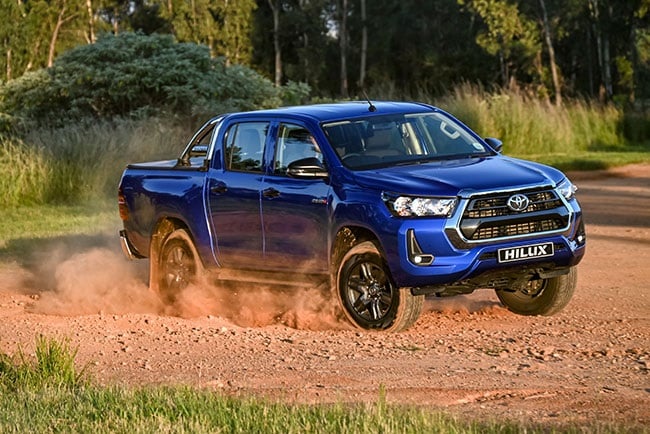
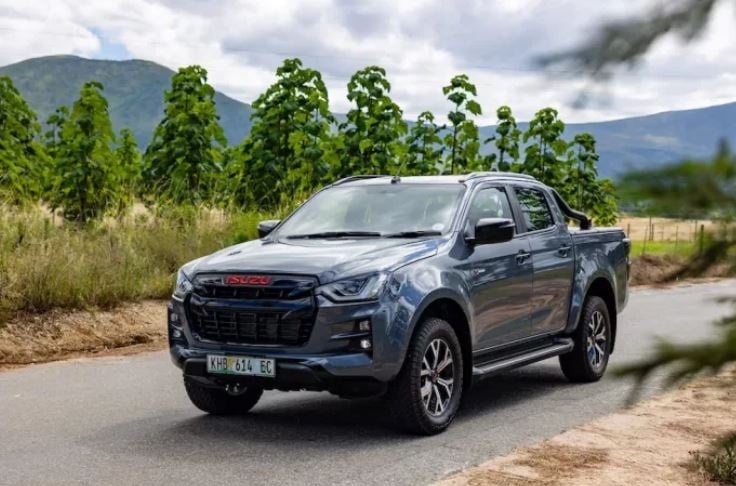
Before we share these figures, let’s take a step back and consider what the overall picture – that is, including all 3 body styles – looks like after the opening 3 months of the year. Based on Naamsa’s numbers, the Toyota Hilux is leading the overall race, with 8 849 units registered. The Ford Ranger is 2nd on 6 055 units, while the Isuzu D-Max completes the 1-tonne podium with 5 171 sales.
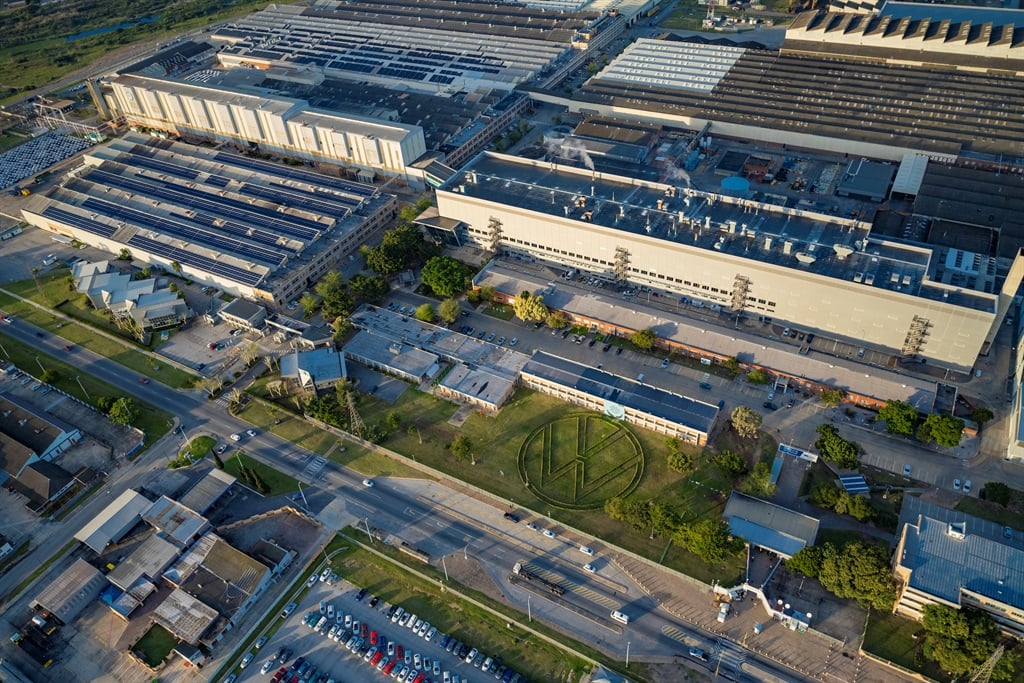
 
Third time's a charm: High hopes Volkswagen's new SA-built SUV will boost Kariega plant

Has to be based on the Polo platform, so probably RHD T-Cross.

90% probably destined for export, and I doubt whether SA buyers will get any benefit from this as pricing won't be less than currently imported models.

Now if only they built a half-tonner or an UP! or similar entry-level, bare-bones basic ...
 
Has to be based on the Polo platform, so probably RHD T-Cross.

90% probably destined for export, and I doubt whether SA buyers will get any benefit from this as pricing won't be less than currently imported models.

Now if only they built a half-tonner or an UP! or similar entry-level, bare-bones basic ...
It will slot below the T-Cross, so smaller, the T-Cross is already produced in RHD in India & Spain factories.

The new Vehicle is not announced yet.
 
What might VW’s new SA-built small SUV be called?

Volkswagen plans to start building an as-yet-unrevealed new small SUV in SA from 2027. What might it be called? Well, new trademark filings present as many as 7 potential options…

Volkswagen recently announced a fresh R4-billion investment in its South African operations, confirming plans to start building an as-yet-unrevealed new small SUV in Kariega (alongside the Polo hatch and Polo Vivo) from 2027. But what might the upcoming sub-T-Cross model be called?

Well, earlier this year, the German firm filed as many as 7 new trademark applications in South Africa, with each fresh badge starting with the letter “T”. Since VW’s current naming convention sees the title of each crossover and SUV in its range – including the T-Cross, Taigo, T-Roc, Tiguan and Touareg – begin with this letter, the list below might just contain the newcomer’s eventual designation.

As a reminder, Volkswagen Group Africa has confirmed that the brand’s Brazilian division is “leading the design and development” of the new model, though adds the small SUV will be adapted to “local and continental requirements”. It furthermore says the vehicle – which will be based on the MQB-A0 architecture – “has the potential to be sold in other African markets where Volkswagen has a presence”. Keep this in mind as you read on.

Right, let’s take a closer look at the nameplates in question. Cars.co.za can confirm that Volkswagen’s head office in Wolfsburg applied to trademark the following 7 badges (in class 12, covering vehicles) in South Africa on 18 January 2024:

  • Tera
  • Teria
  • Taroko
  • Tivas
  • Tyber
  • Therion
  • Tamiz
At the time of writing (in April 2024), the status of each application was still listed as “pending”. For the record, Volkswagen also filed to trademark all of these monikers with the German Patent and Trade Mark Office, making these applications between July and September 2023.

 
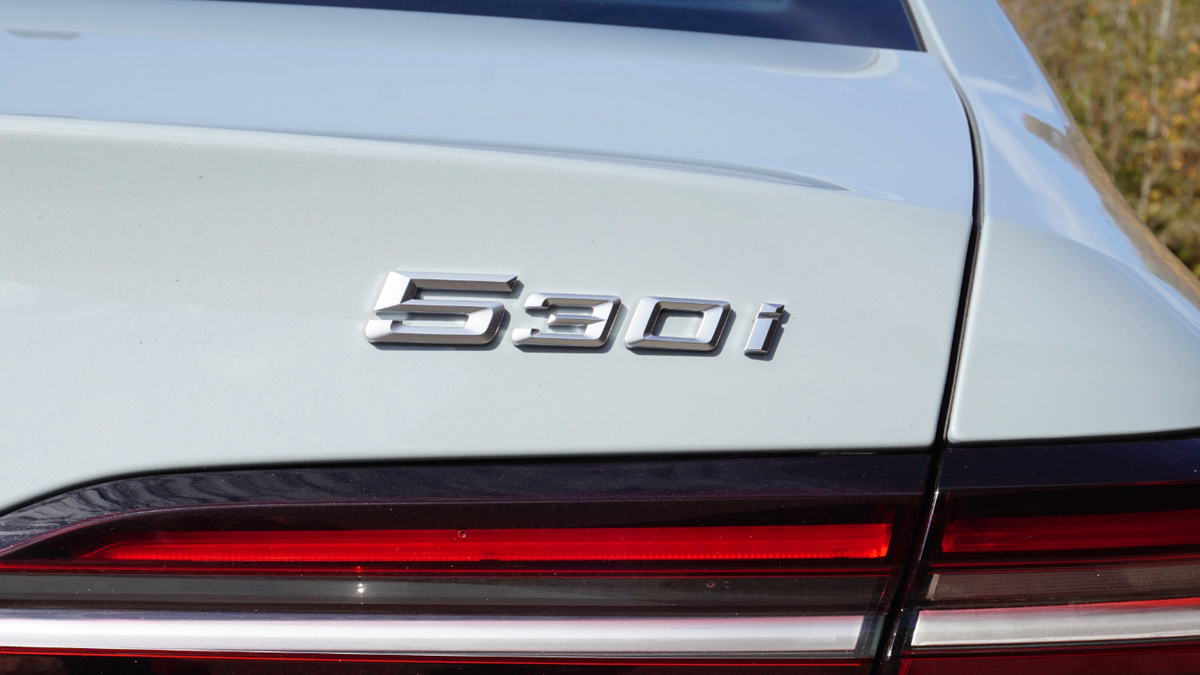
BMW Is Once Again Changing Its Naming Scheme

The German automaker is dropping "i" from its internal combustion-powered vehicles.

There’s nothing German automakers like doing more than screwing with their naming conventions, and BMW is once again doing just that. However, instead of making things more complicated and confusing, it’s actually streamlining its naming structure by dropping “i” from the end of its internal combustion-powered vehicles. Don’t worry, it’ll still be at the front of all its EV’s names.

The “i”, of course, was originally a reference to the motors using fuel injection rather than carburetors. It’s been a mainstay on BMW products since the E21 320i all the way back in 1975, but nothing can last forever. Now, according to BMW Blog, “i” will be used exclusively for electric vehicles. BMW’s Senior Vice President of Brand and Product Management, Bernd Köber made the announcement when he was asked why the upcoming BMW X3 M50 (replacing the M40i) was dropping the “i.”

“Historically, even though our interpretation of BMW i was always different, it’s more innovation, not necessarily only electric, and we historically had injection at the end [of the badge], we said, we would like to keep ‘i’ as an asset, and we would like to keep it as a signature to indicate you’re driving an electric car and that was the logic that we had.”

[...]

On a related note, we had to ask another question. You know how electric M Performance models get their names from internal codenames of combustion engines. The i7 M70 is the highest number BMW has used thus far. We quizzed Bernd Körber about whether we’ll see M80, M90, or even M100: ”Three digit is our threshold. So far, nothing in the plan that gets us close to that.”

 
This body style posted the highest sales growth in Q1 2024

This relatively uncommon body style enjoyed the strongest year-on-year sales growth in South Africa’s new light-vehicle market in Q1 2024, climbing nearly 40%…

While the SUV and hatchback body shapes led the charge in pure volume terms in the opening quarter of 2024, another – far less mainstream – body style posted the strongest year-on-year growth in South Africa’s new light-vehicle market.

According to the folks over at Lightstone Auto, local sales of the extended-cab bakkie body style grew a considerable 39.4% year-on-year in Q1 2024. Of course, it’s worth keeping in mind that this segment is relatively small in pure volume terms, having accounted for just 2.5% (up from 1.7% in Q1 2023) of all light-vehicle sales in the period.

As a reminder, there are currently just 3 contenders in South Africa’s extended-cab bakkie space: the Toyota Hilux, Ford Ranger and Isuzu D-Max (incidentally, the country’s 3 best-selling bakkies overall). In the reporting period, this trio accounted for a total of 3 104 extended-cab sales.

For the record, in the opening quarter of 2024, the Hilux led the way in the local extended-cab sales contest, with 1 592 units of the Xtra Cab registered. The Ranger Super Cab found itself in 2nd (949 units), ahead of the D-Max Extended Cab (563 units) in 3rd.

 
Suzuki unseats VW Group! SA’s best-selling automakers in April 2024

After 8 straight months of year-on-year declines, South Africa’s new-vehicle market finally showed marginal growth in April 2024. Here’s your overview, including Mzansi’s most popular brands, with a surprise or 2…

Finally, the streak is broken. After 8 consecutive months of year-on-year declines in sales, South Africa’s new-vehicle market returned to growth in April 2024. Though the sales tally increased just 2.2% to 38 172 units, the industry will no doubt breathe a massive sigh of relief. In addition, there was some significant movements on the list of SA’s best-selling automakers, but more on that in a bit.

According to Naamsa, this “positive performance in the new-vehicle market during April 2024 was a welcome development along with a full month of no load-shedding, which likely supported business conditions”. That said, the local market total represents a 13.7% fall compared with March 2024, while new-vehicle exports declined by a considerable 23.9% year on year to 23 394 units.

Out of the total reported industry sales last month, Naamsa estimates that 89.9% represented registrations via the dealer channel, while 5.0% were sales to the vehicle-rental industry, 2.7% to government and 2.4% to industry corporate fleets.

At 25 972 units, the new passenger-vehicle market registered a 6.1% year-on-year gain in April 2024, with rental sales accounting for 6.6% of that total. Interestingly, the usually robust light-commercial vehicle segment suffered a 9.0% year-on-year fall to 9 646 units last month.

New-vehicle sales summary for April 2024

- Aggregate new-vehicle sales of 38 172 units increase by 2.2% (814 units) compared to April 2023.
- New passenger-vehicle sales of 25 972 units increased by 6.1% (1 493 units) compared to April 2023.
- New light-commercial vehicle sales of 9 646 units decreased by 9.0% (953 units) compared to April 2023.
- Export sales of 23 394 units decreased by 23.9% (7 355 units) compared to April 2023.

10 best-selling automakers in South Africa in April 2024

1. Toyota – 8 541 units

2. Suzuki – 4 891 units

3. Volkswagen Group – 4 758 units

4. Ford – 2 614 units

5. Hyundai – 2 134 units

6. Chery – 2 009 units

7. Isuzu – 1 540 units

8. GWM – 1 493 units

9. Nissan – 1 443 units

10. Renault – 1 307 units

 
Top
Sign up to the MyBroadband newsletter
X