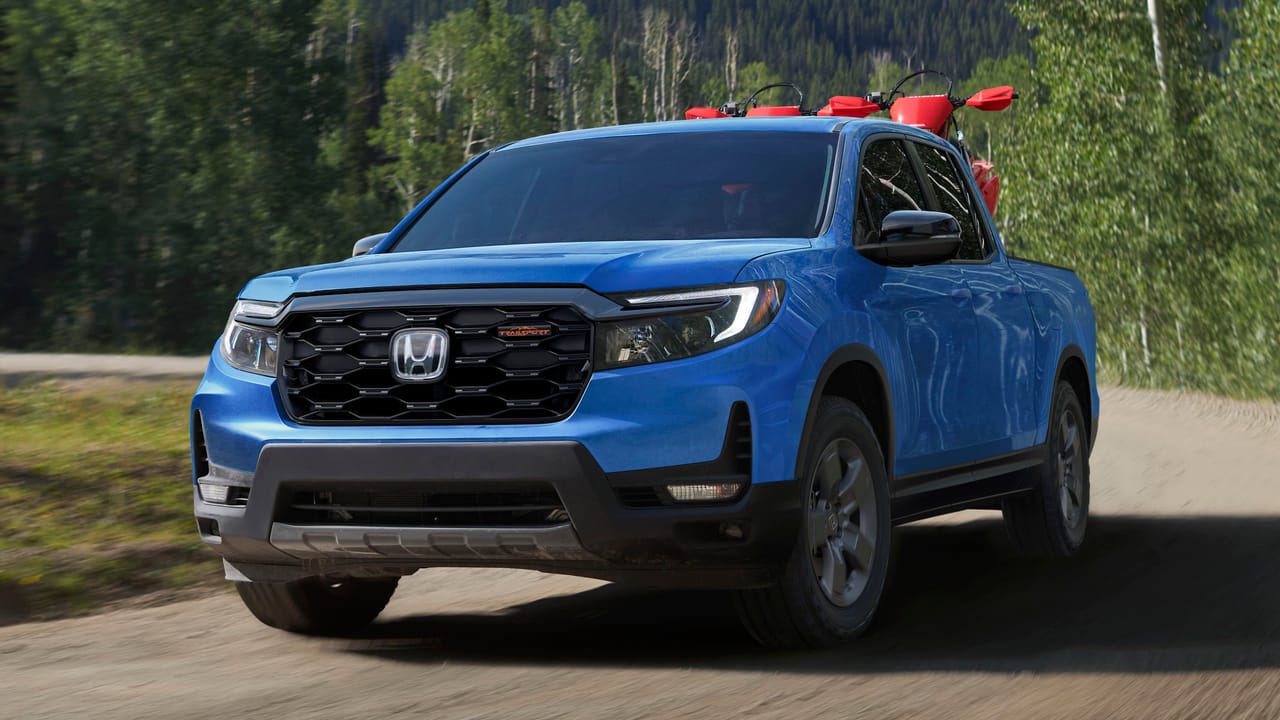
Honda, Nissan & Mitsubishi could create an amazing double cab
Honda needs to save Nissan and itself. Mitsubishi may come along for the ride. What does the planned merger of these car companies mean for future models?
We’re living through the 3rd wave of Asian car company ascendancy with China, but it’s worth remembering that the world’s most successful car company, Toyota, is Japanese. Yes, so are Honda, Nissan and Mitsubishi, but whereas the Aichi-based brand is flourishing, the latter trio are struggling.
When Asian car companies need help, they prefer to look inward. Foreign assistance solves temporary issues, but never goes well in the long term. This brings us to the biggest news in the Japanese car industry for decades – a planned merger of Honda, Nissan, and Mitsubishi.
What could that mean for future models from these 3 brands, each with a deep South African history?
Why it is happening
Nissan is in trouble. A lot of trouble. Despite a history of amazing sportscars and iconic off-roaders like the Patrol, this is not the first time Nissan has needed help.
An alliance with Renault saved a heavily indebted Nissan in the late 1990s. That created the foundation for Nissan to use its engineering expertise to make the final GT-R and a variety of popular crossovers (including the Juke, Qashqai and X-Trail) while strengthening its global bakkie business with Navara.
Nissan even trended ahead of industry timelines with the Leaf, but its finances are a mess, its products are stale, and the firm seems to lack direction. That’s why Honda, Nissan and Mitsubishi executives spent most of the festive season discussing a merger, instead of doing Japanese peak season things.
The global car industry has proved that there’s no such thing as a merger of equals. Nissan is in a position of weakness, while Honda is okay, but needs scale. Mitsubishi? It’s a small and reasonably efficient car company, but its size means that the required investments to futureproof Mitsubishi’s model development have probably become too expensive to go it alone.
The official meetings and imagery of the 3 Japanese companies’ CEOs together (see above), would not be happening, if there wasn’t a real urgency for the merger to happen. As an issue of survival.