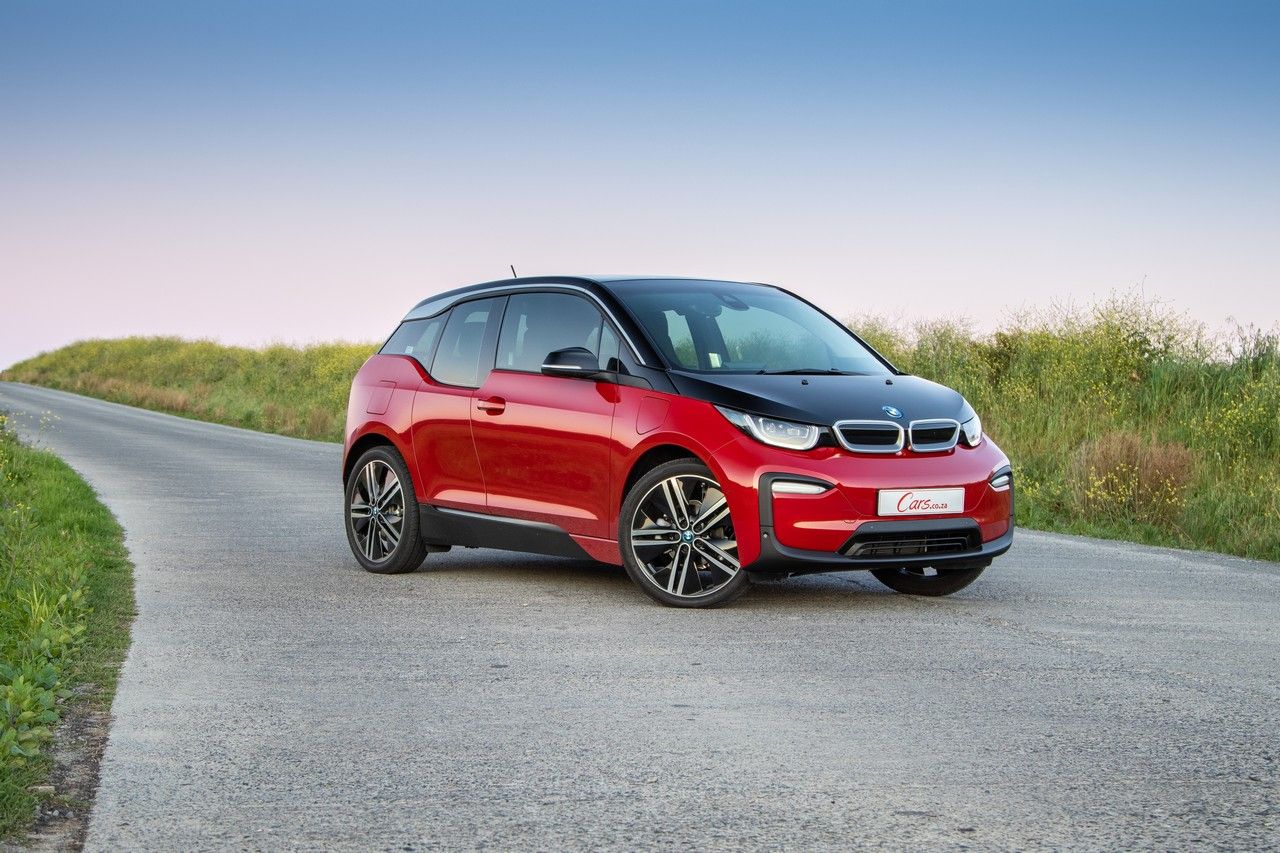
2018 BMW i3 & i3s

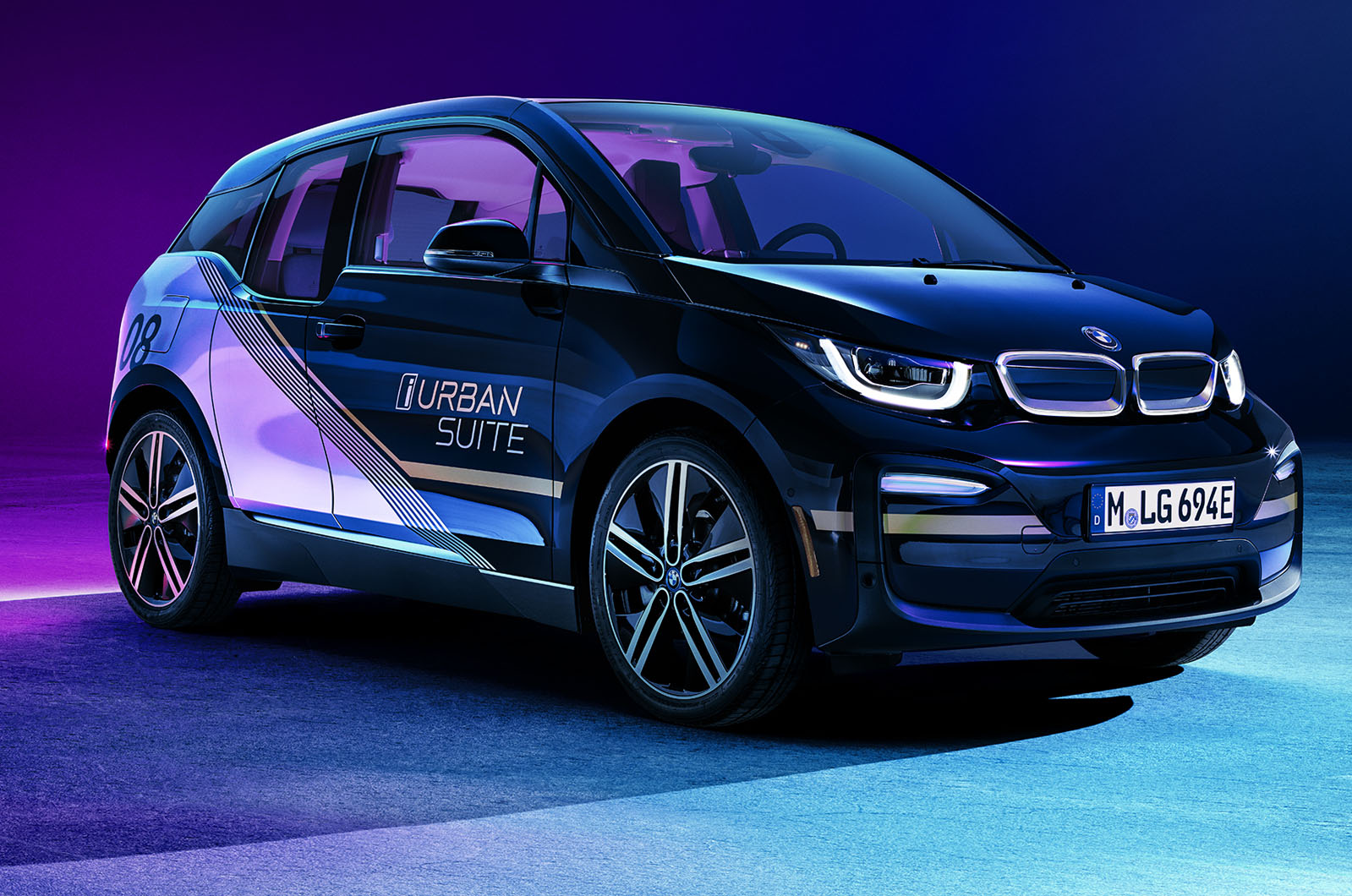
New BMW i3 Urban Suite features lounge-style two-seat interior

Electric hatch gains a wooden desk, footrest and armchair for the CES show in Las Vegas

BMW has revealed a luxurious two-seat reworking of its i3 electric hatchback ahead of a public debut at next week’s Consumer Electronics Show in Las Vegas.

Called the i3 Urban Suite, the reconfigured EV is said to offer “a mobility experience tailored entirely to the passenger’s individual needs”, while proving that “luxury travel in the future will have nothing to do with vehicle size”.

Inside, there is seating for a driver and a rear passenger. The rear bench has been removed to make way for a single armchair-style seat and wooden desk arrangement, complete with lamp and storage tray.

p90379535_highres_bmw-i3-urban-suite-a.jpgp90379549_highres_bmw-i3-urban-suite-a.jpgp90379558_highres_bmw-i3-urban-suite-a.jpg
 
Good evening guys, let me jump right in: Does anybody of you please have a picture of the batterie charge cable which you plug in at the 220 Volt wall socket at home? I have a problem getting a client's cable certified by SABS...

Preferably a pic showing the cable marking, in detail. I plan to visit a Nissan dealer next week, too, to have a close look.

Your efforts are appreciated!

Sorry for double posting at a Nissan thread, but any of the two cables (pics) will suffice.
 
REVIEW | BMW's refreshed i3 REX

In conclusion, the i3 is still a car that turns heads. It was ahead of its time when launched seven years ago, and this updated model does enough to see it as a viable city car.

It really cool, features the updated BMW Connect infotainment system, seats four people comfortably and has suicide doors.

Priced at R746 200, the i3 is a novel purchase. One that's made with a conscious head and focusing on zero-emissions driving (only in electric mode), so I'm not surprised to have seen a couple of the new models already.

 
Bentley design boss ‘admires’ BMW i3, admits customers call it ‘ugly’

The head of design for Bentley is “experimenting” with styling for an upcoming electric car, saying he “admires” BMW for creating the i3 electric car even if customers call it “ugly”.

Speaking to Autocar, Bentley design director Stefan Sielaff admitted the proportions of an electric vehicle would “look different” to those of a conventional car.

 
Nearly-new buying guide: BMW i3

Think electric cars all look boring and are dull to drive? Munich's innovative supermini EV begs to differ

Aren’t electric cars boring to look at? Despite the free rein many firms have to package these futuristic machines, it’s a shame that most turn out decidedly dull.

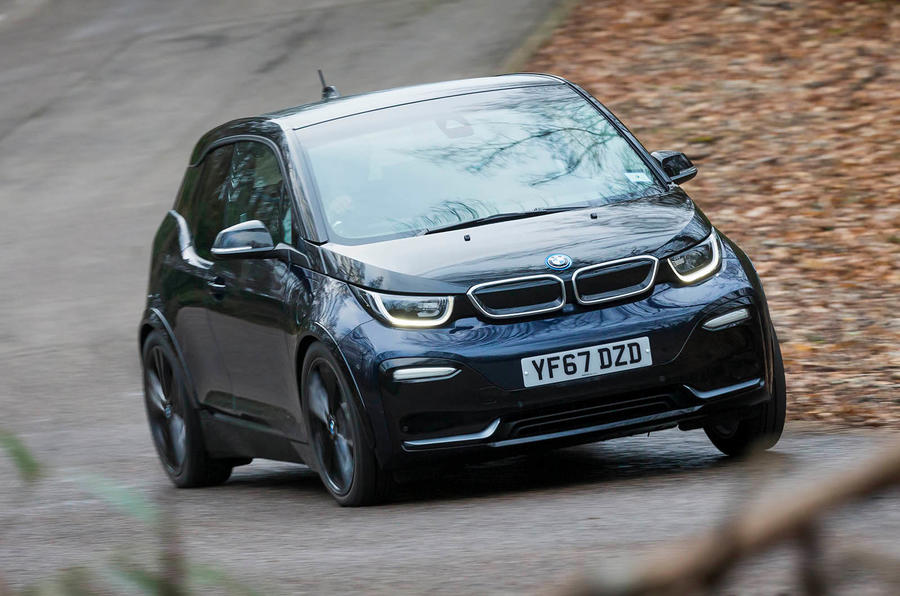
Not the BMW i3, though. And not only does it look cool, but there’s real innovation behind it, too, with the car being constructed predominantly from carbonfibre-reinforced plastic, helping to offset the 230kg heft of its lithium ion battery pack.

The i3 has a high price and only a modest range, so it has been overtaken by many cheaper models that may not look interesting but can go further on each charge and are more practical. However, as a used buy, the i3 now stacks up as a reasonable route into EV ownership. Careful which version you go for, mind. The original i3, known as the 60Ah, has a 22.6kWh battery pack, from which you should expect to extract only around 80 miles.

In late 2016, the 94Ah arrived with a 33kWh battery and realistic range of about 120 miles – a useful hike that makes it the pick of the bunch. Most recently, BMW introduced the more expensive 120Ah, which has a 42.2kWh battery and an average real-world range of 165 miles, according to our sister title What Car?’s Real Range test.

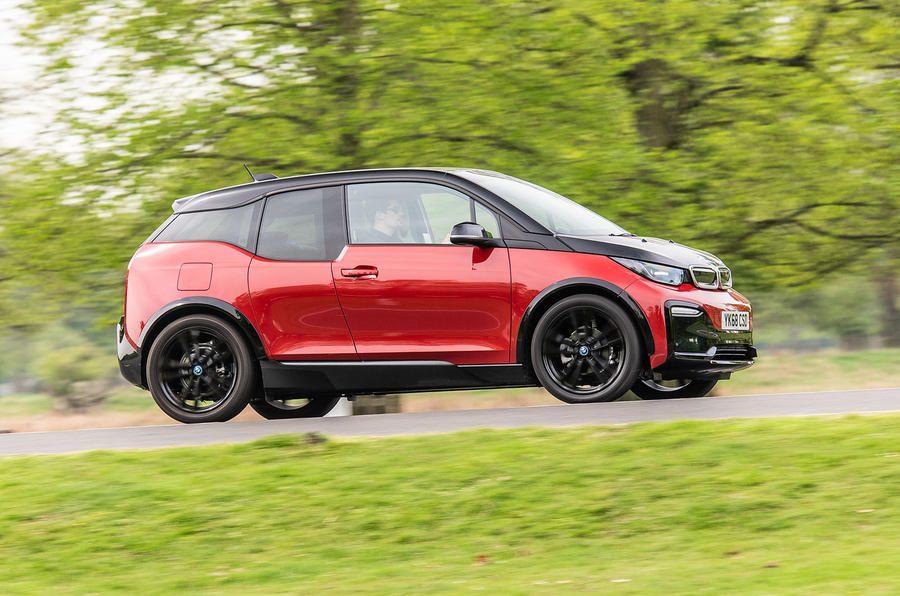
Another recent addition was the sportier i3s, which gets 13bhp extra, at 181bhp, plus a wider rear track, 20in alloys, fatter tyres, retuned suspension and flared wheel arches.


i3 1.jpgi3 2.jpgi3 3.jpgi3 4.jpgi3 5.jpg
 
BMW has now produced 200 000 examples of the i3 electric car

BMW says the 200 000th example of its i3 electric vehicle has rolled off the assembly line in Leipzig, some seven years after production started.

The milestone car is finished in Fluid Black metallic paint with accents in BMW i Blue. It’s destined for a customer from nearby Saxony in eastern Germany.

The Munich-based firm says its little electric car is “still in continuous high demand”, despite having debuted as long ago as 2013. It is the BMW Group's first fully electrically powered large-scale serial model.

Plant Leipzig (which also makes the 1 and 2 Series) produces the 125 kW i3 and 135 kW i3s on a dedicated production line. Since its launch, the gross energy content of the high-voltage battery has been improved from 22,6 to 42,2 kWh, without its size changing.


i3 1.jpgi3 2.jpg
 
BMW raises i3 prices by £3665 eight years since launch

Electric hatchback now starts from £36,690 after the government's electric car grant

BMW has raised prices of its i3 EV by £3665, meaning the entry-level car now costs from £39,690 before the government's £3000 electric car grant.

In September this year, the i3 will have been in production for eight years, with its future safeguarded until at least 2024. Since it went on sale, it has been subject to minimal design tweaks, with the biggest changes being the addition of the performance-oriented i3S range-topper in 2017, and the removal of the petrol range-extender option a year later.

Prices for the i3S, which packs 13bhp and 15lb ft more than the standard car, as well as improved dynamics courtesy of its wider track and firmer suspension, now begin at £42,220 before the grant - slightly more than a top-rung version of the new Volkswagen ID 4 electric SUV.

The exact reasons for the price hike have not been detailed by BMW, but a spokesman confirmed to Autocar that it was not related to a restriction of supply or changes to the model's planned lifecycle.

 
BMW i3 price slashed to qualify for electric car grant

Prices for the BMW i3 have been cut so that customers can benefit from the government’s plug-in car discount

The prices of the BMW i3 and the sportier i3s have been cut by several thousand pounds to ensure new customers can make use of the government’s plug-in car grant (PiCG) scheme.

BMW had raised the price of the electric city car by £3665 to £39,690 at the beginning of March, but was blindsided when the government announced immediate changes to the grant the following week.

The PiCG discount was cut from £3000 to £2500 on 18 March, with the cap on eligible vehicles falling from £50,000 to £35,000. That meant potential buyers of the i3 would be significantly worse off.

Reacting to the shift, BMW says the entry-level i3 now costs £33,805 on the road, while the more powerful i3s is priced from £34,805. Benefitting from the grant once again, the cars will cost customers £31,305 and £32,305 respectively.

In September, the i3 will have been in production for eight years, with its future safeguarded until at least 2024. BMW says 22,000 examples have been sold in the UK, with over 200,000 built worldwide.

 
BMW tests vehicle-to-grid EV charging scheme with i3 fleet

Customers' i3s have been equipped with new technology to turn them into ‘mobile energy storage devices’

BMW customers are testing bi-directional EV charging as part of a three-year project, enabling drivers to charge their cars as normal, with the added benefit of returning energy into the power grid when required.

A group of 20 customers in Germany have been given BMW i3 electric cars equipped with the new technology, and an additional 30 are set to be delivered to business users over the next few weeks.

“During periods of particularly high demand for electricity, these vehicles are able to feed additional power into the grid, while their high-voltage batteries are mainly charged at times when electricity from renewable sources is available or overall demand is lower,” said BMW.

“The stored energy can, in turn, be deployed exactly when needed, whether for electric driving or boosting power grid capacity."

The pilot scheme aims to develop technological solutions for making electric mobility easier and cheaper for users, with lower emissions.

https://www.autocar.co.uk/car-news/...ests-vehicle-grid-ev-charging-scheme-i3-fleet

i3 1.jpegi3 2.jpegi3 3.jpeg
 
BMW's Expensive i3 And i8 Experiments Remind Us That Being First Isn't Enough

Chalk it up to being ahead of their time, and also not what anyone really wanted.

If someone asked me back in 2014 or 2015 which of Germany’s core luxury brands would be the leader in electric vehicles by now, I probably would’ve answered BMW. Not because BMW was doing anything revolutionary at the time, but simply because it was the first of its segment rivals to market with purpose-built EVs, like the i3 and i8, while Audi and Mercedes were mostly stuffing batteries and electric motors in cars designed for gas.

Yet here we are, with 2021 nearly behind us, and neither of BMW’s EVs are sold on our shores anymore. The i8 was discontinued worldwide last year, and new i3 production for the U.S. ended this past summer. BMW’s next EVs, the iX and i4, won’t begin deliveries on this continent until summer 2022, according to the manufacturer’s website.

Last year, BMW sold 1,508 i3s here, while Audi sold 5,919 e-tron SUVs, InsideEVs reported. (By the way, the Tesla Model Y notched more than 12,000 deliveries in California in the first quarter of this year alone.)

The i3's slowing sales and limited appeal for U.S. buyers, particularly due to its short range, have left BMW coming off as something as a laggard in the EV race — even though it was earlier to market than its contemporaries. The company is projecting a 50/50 split of sales between EVs and ICE-powered cars by 2030, which is more conservative than how Audi and Mercedes envision things playing out.

How did BMW get here? By striking the market at the wrong time, according to shareholders and experts quoted in a recent story from Financial Times:

Far from being rewarded for its pioneering spirit, BMW was punished for being “too early”, said Michael Muders, a fund manager at Union Investment, a top 20 BMW shareholder.

“They burnt €2bn on the i3, and the market was not ready yet,” he said. Faced with steady, but muted demand for the vehicle, BMW did not follow up with the widely expected i5, and several of the engineers and designers who worked on the i range left, mostly for EV start-ups.

When electric vehicles finally began to take hold in the past couple of years — more than 3m are expected to be sold in 2021 — Muders said, BMW “were not prepared, they were late”. The company “had to start from zero, or almost from zero,” said Ingo Speich, portfolio manager at Deka, another BMW investor.

Did BMW introduce EVs too early? Maybe, but it’s difficult to ignore other factors likely at play. The company entered the dedicated EV space with a two-door sports car and a city car priced above $40,000. Meanwhile, other manufacturers waited until they could offer battery-electric versions of practical vehicles most people might actually consider buying, like crossovers and family sedans. The i3's production volume was also hampered by the extensive use of carbon-fiber reinforced plastic in its monocoque. Of course, BMW’s choice of that weight-saving material and the manufacturing complexities of employing it drove up the car’s price tag as well.

 
Did BMW introduce EVs too early? Maybe, but it’s difficult to ignore other factors likely at play. The company entered the dedicated EV space with a two-door sports car and a city car priced above $40,000. Meanwhile, other manufacturers waited until they could offer battery-electric versions of practical vehicles most people might actually consider buying, like crossovers and family sedans. The i3's production volume was also hampered by the extensive use of carbon-fiber reinforced plastic in its monocoque. Of course, BMW’s choice of that weight-saving material and the manufacturing complexities of employing it drove up the car’s price tag as well.
And the fact that it is still fugly and had a ~100km range before chargers really existed, and by the time they started upping the range, competitors like Tesla came with better range (e.g. Model S in 2016 with 300km+ range easily at $70k vs i3 ~$50k) and people either went and used gasoline or spent the extra on the Telsa as it looked better, had more space, range and more charging stations.

The car's been out for near 7 years now and I still think "what an ugly car" every time I see one (and there are actually a couple of them in CT).
 
BMW i3 to cease production in July after nine years

New iX1 and second-generation Mini Electric to indirectly replace first-ever electric BMW model

The BMW i3 is set to end production in just six months time, after a run of nine years and around 250,000 units sold.

In an interview with Autocar, a BMW spokesperson confirmed the final example of the compact electric five-door is due to roll off BMW’s production line in Leipzig, Germany in July ahead of a reorganisation of the manufacturing facility in preparation for a start of production for the upcoming third-generation Mini Countryman during the second half of 2022.

Previewed in concept car form in 2011 prior to a UK launch in 2013, the i3 was the first BMW model to offer a pure-electric driveline, preceding the larger, Chinese-produced BMW iX3 SUV introduced in 2021.

The quirky hatchback, with its rear-hinged rear doors and expensive carbonfibre construction, will be indirectly replaced in the BMW line-up by the iX1, an electric version of the third-generation X1. The five-seat crossover, set to launch this year, was originally planned to be produced at a new manufacturing facility in Debrecen, Hungary. However, delays in construction to the greenfield site mean the i3 successor will now be produced at BMW’s Regensburg factory until 2024, according to Autocar sources.

As with the next X1 and new Mini Countryman, the new entry-level i model is based on BMW’s FAAR platform – a move that also signals the end of production for the aluminium-intensive DriveLife platform that underpins the i3.

 
RIP BMW i3?

A fresh report out of the UK suggests that the end of the BMW i3 is near. Will you miss the quirky electric car?

The story from Autocar in the UK says production of the BMW i3 will come to an end in the middle of 2020. With around 250 000 units finding homes around the world since its global launch back in 2013, the BMW i3 had plenty of fans.

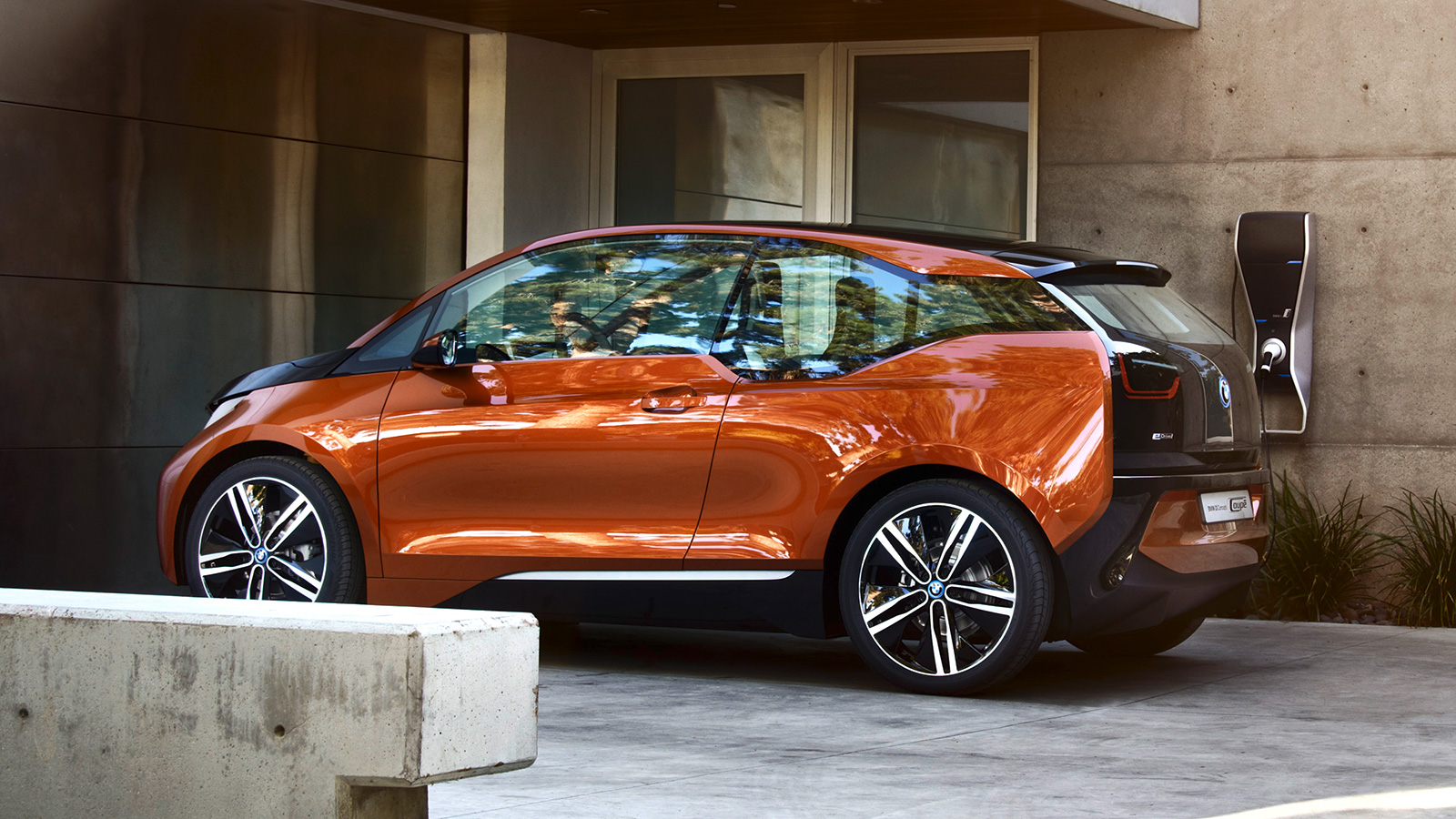
The quirky and futuristic looks, the suicide doors, the use of carbon fibre and recycled materials added to the appeal. It was cleverly packaged, with customers being able to opt for a pure electric version, or a range-extender that featured an onboard petrol-powered generator.

Despite it’s age, we’d say it still looks relatively fresh and modern. Sadly, it appears that it’s the end of the road with a BMW spokesperson confirming to Autocar that the last example will be coming off the line in July 2022. It appears the factory will be reconfigured to make other vehicles.

As far as a replacement model goes, it is thought an all-electric version of the BMW X1 is one of the likely replacements as well as a 2nd-gen version of the electric Mini. Interestingly, this new Mini is the result of a joint venture between Great Wall Motors and BMW Group. Spy shots of this all-new electric Mini have surfaced, giving us a preview of what’s to come.

We’ve had only pleasant memories with the BMW i3. Our last taste came in December 2019, when we got behind the wheel of the updated i3 and had this to say: “the i3 makes for a compelling (and let’s face it, conversation-starting) city car. Better yet, if you’re in a 2-car household then you can easily slot the i3 in as a charming urban runabout with the internal-combustion engined vehicle being used to transport the family on longer journeys.”

 
Top
Sign up to the MyBroadband newsletter
X