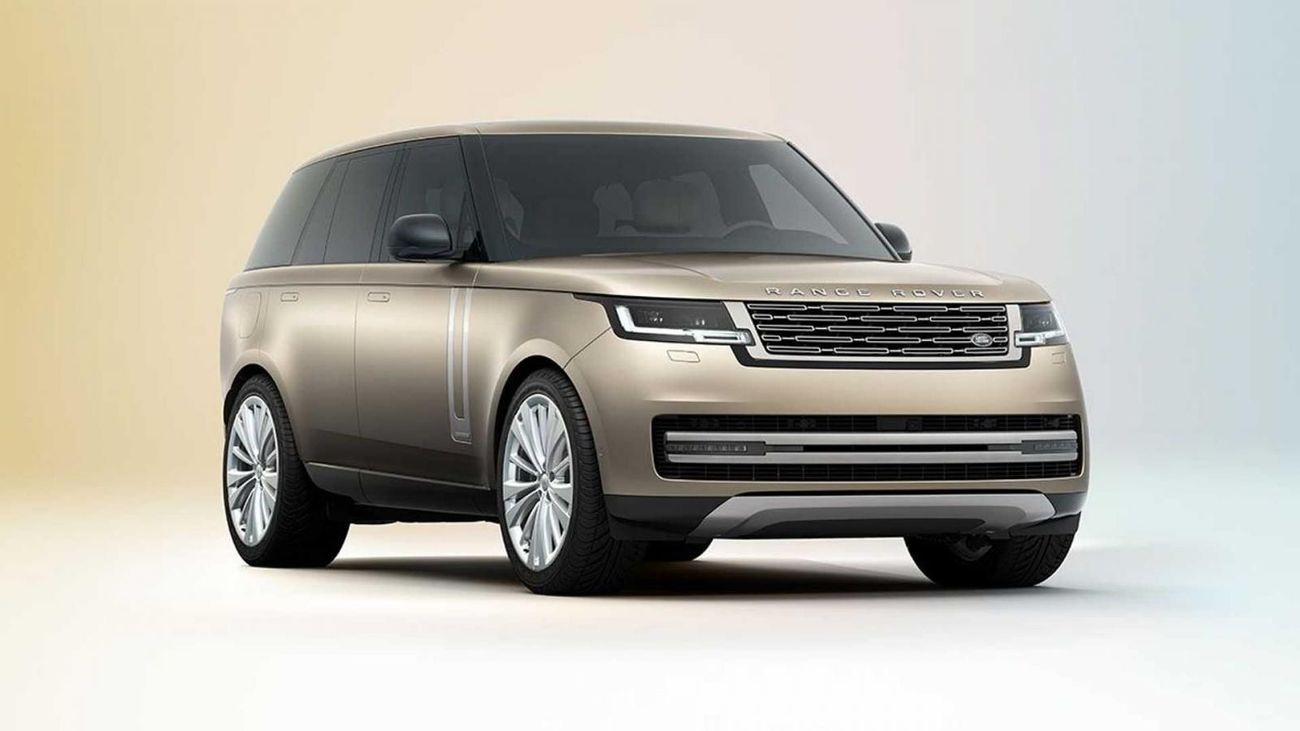
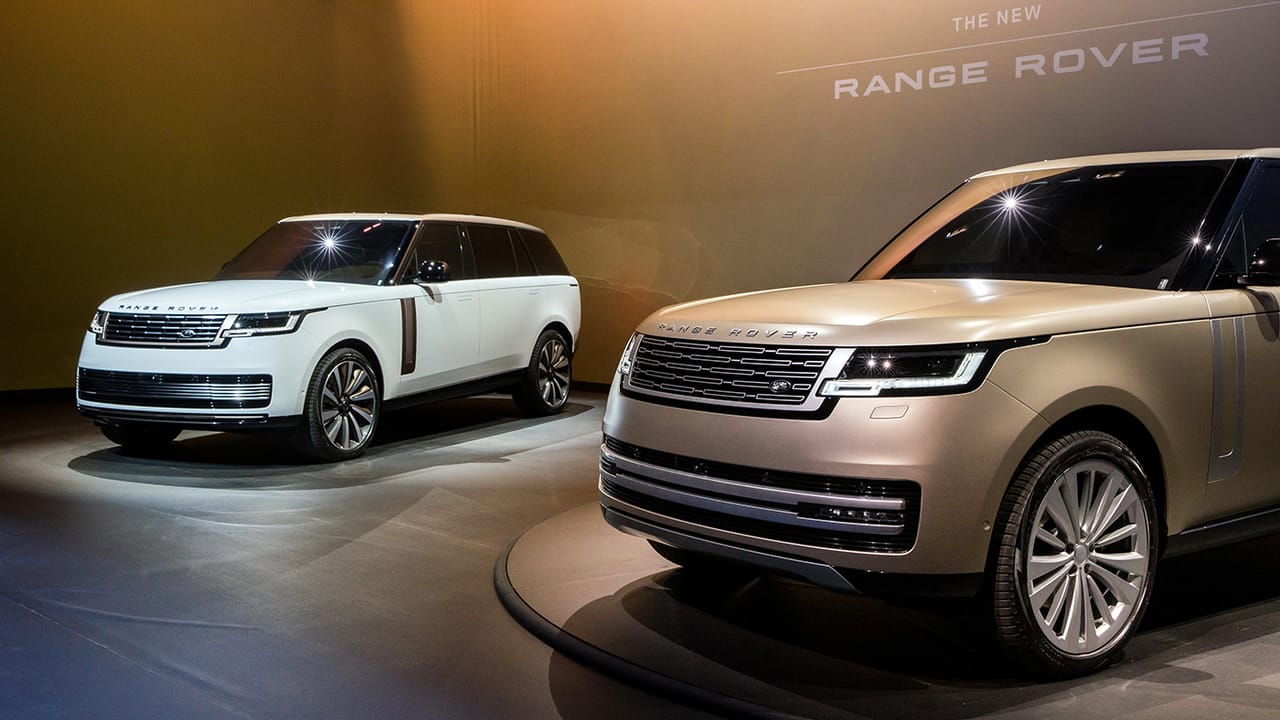
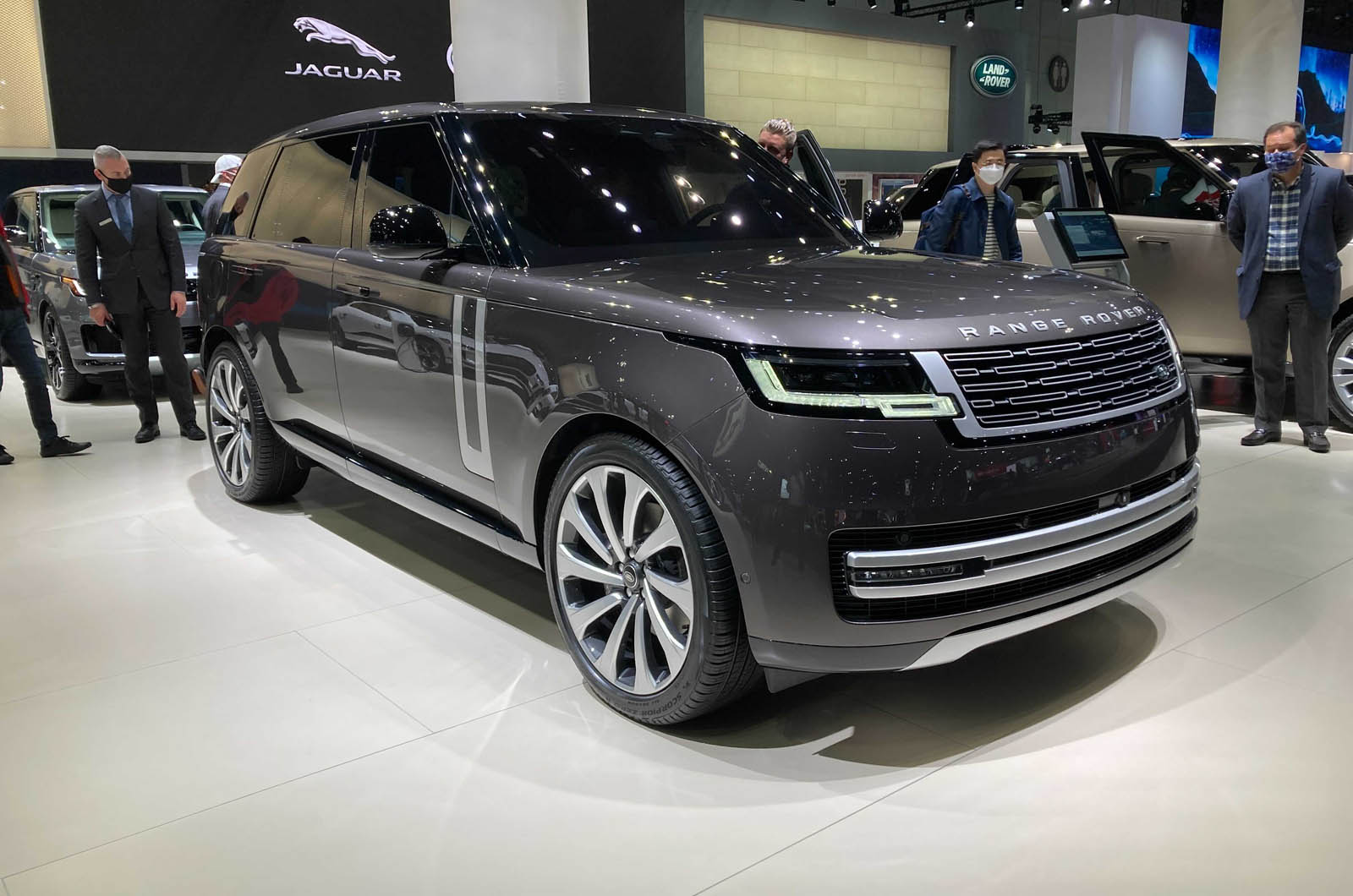
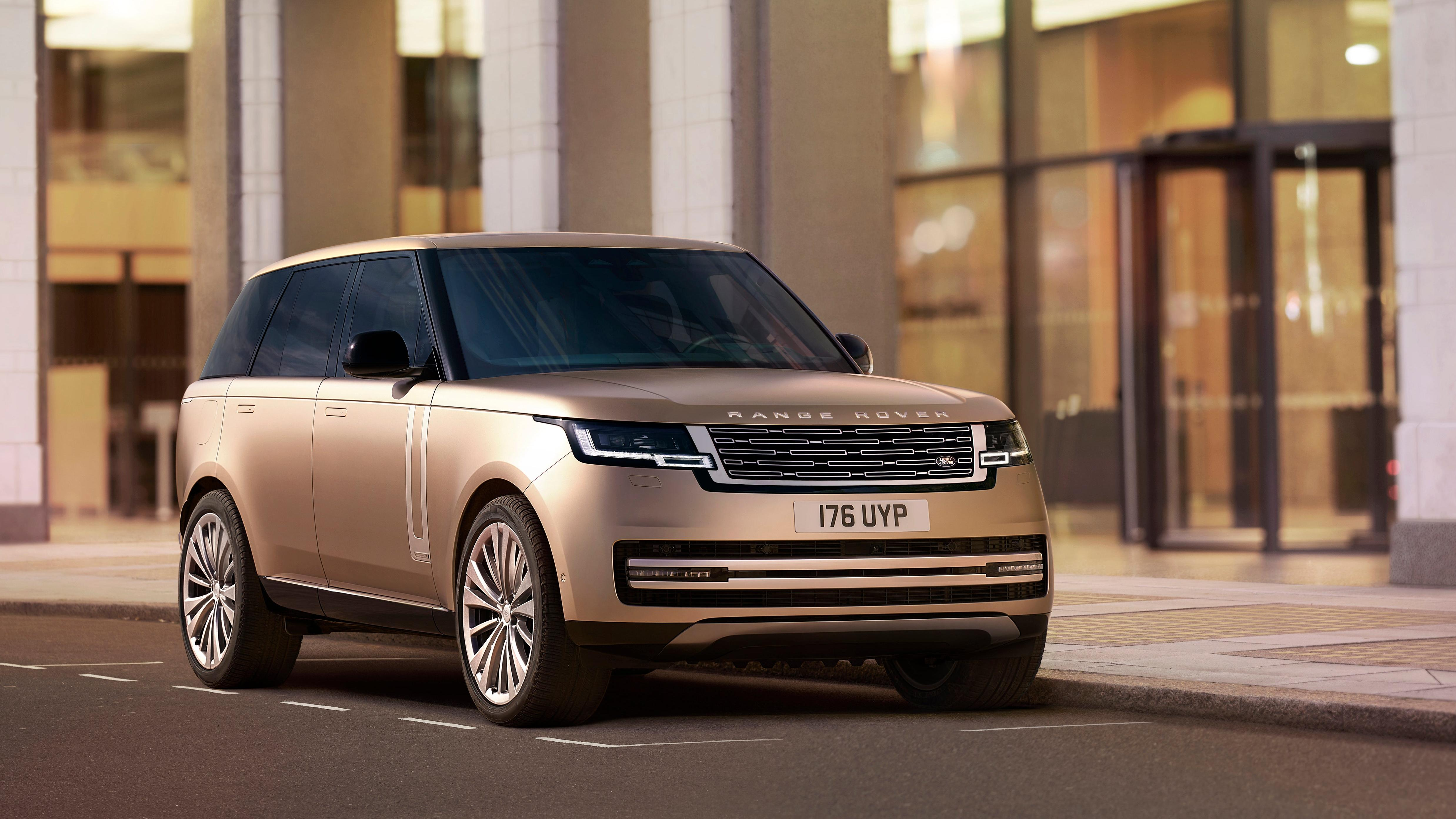
This is the brand new, fifth-generation Range Rover
Familiar looks, all-new everything: welcome to *the* luxury SUV
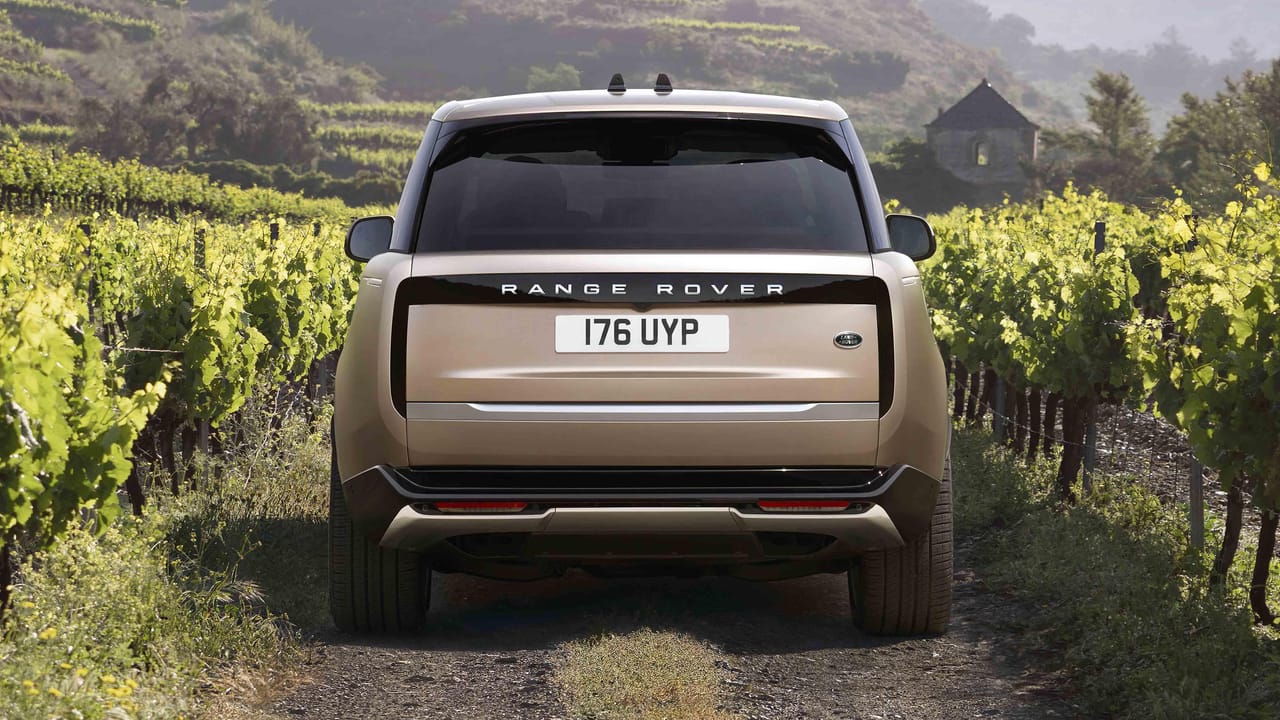
It messes with your head. Is this really the new one? You thought you were good at this car-spotting thing didn't you? From the side profile at least, it just looks like the Range Rover we're familiar with… yet unaccountably
better. Smoother, neater, more polished, tightened up. But in ways that aren't obvious.
Gerry McGovern, Jaguar Land Rover's creative director, disarmingly offers an explanation. "It's not that we've become better designers since we did the old generation. It's that technology has moved on, and allows us to do things we couldn't before." McGovern isn't known for depreciating either himself or his team (he's just been slagging off the visually noisy design of some rival products, ending his remarks with an airy "…not that I'm slagging them off, mind"). So his remark carries the implication that the body engineers have been under pretty heavy pressure from the design side to bring those new techniques into play.
Now if I listed them all, you'd think these said technologies were pretty darned tedious. But trust me they have an effect, so I will be come back to them. But first, the headlines.
Bong! The new Range Rover builds on a totally new, mostly aluminium body structure. They thought about re-using bits of the old one but it wasn't possible because they need to make room for, drumroll, the batteries that will enable a full-electric version in three years' time. After all they started work on this car five years ago, and project lead Nick Miller points out this was just as dieselgate was unfolding.
Bong! Right now, the launch versions include plug-in hybrids that'll go 60 miles on their 140bhp electric motor before waking their 3.0-litre petrol engine. Combined power is 510bhp. Other straight-six 3.0-litre launch engines are JLR's diesels (250bhp, 300bhp and 360bhp) and petrols (360 and 400bhp).
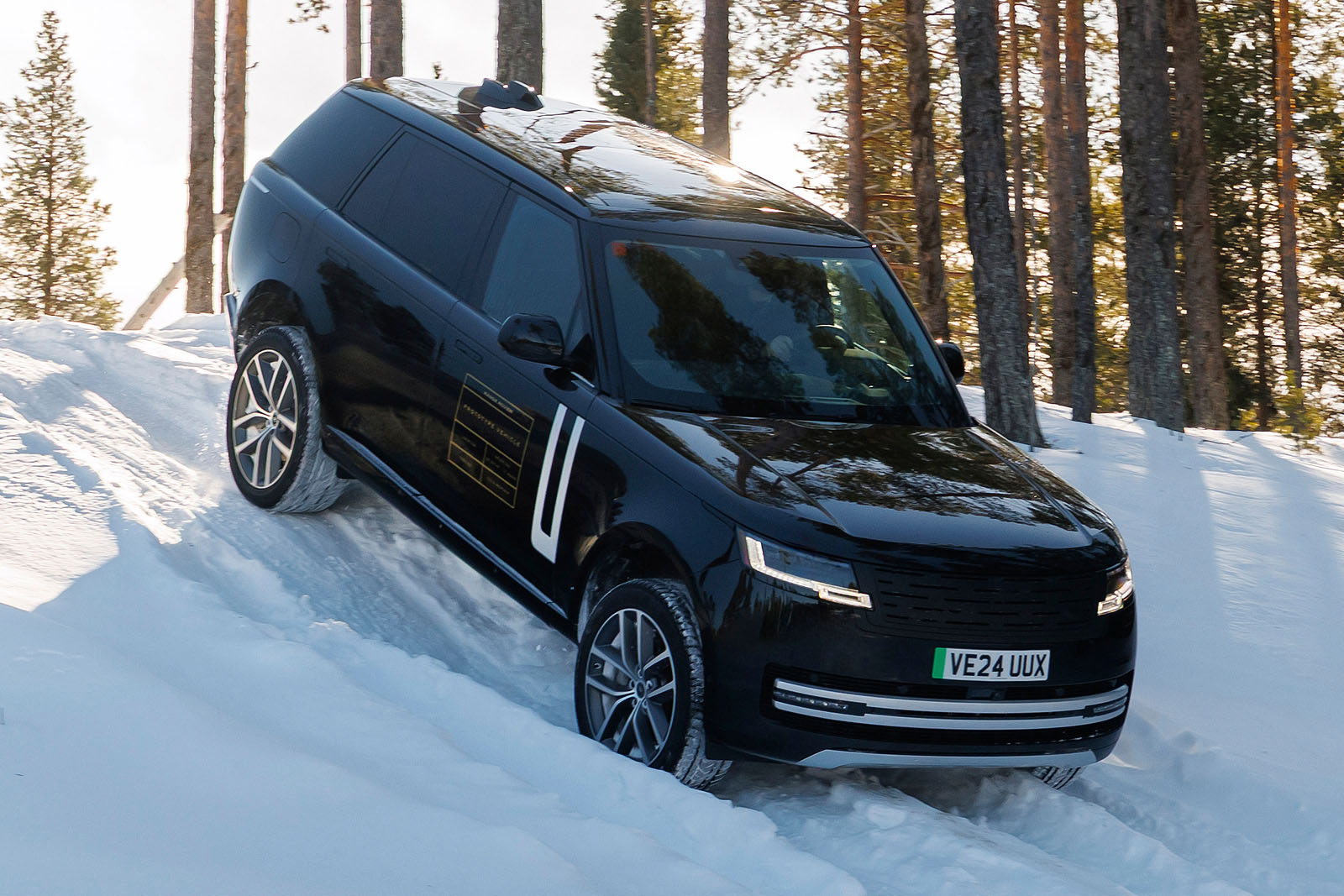
Bong! If you want to do 0-62 in 4.6 seconds you'll be needing the 530bhp V8 4.4-litre twin-turbo unit from BMW. Don't scream. The Range Rover has had many borrowed engines, including from BMW - diesel from 1994, diesel and petrol for a bit from 2002. They even made prototypes with a Munich V12. The V8 has had its intake re-routed for the 900mm wading depth, and has a new sump for driving on 45-degree slopes.
Bong! The new body can be had in two wheelbases, and for the first time it adds the option of seven seats in the longer shell. Adults can sit back there, so now Range Rover has a rival to those huge SUVs they sell in rich and fecund parts of the US, rivals that come both from locals and the Mercedes GLS and BMW X7. Options for either length body are a normal five-seat layout or a high-lux four-chair. The dash and controls are recognisably Range Rover, but of course – you knew this didn't you – more stuff has moved from actual switchgear to virtual on-screen buttons.
Familiar looks, all-new everything: welcome to *the* luxury SUV

www.topgear.com


 www.autocar.co.uk



 jalopnik.com


 www.carmag.co.za