Um.
View attachment 1922743
I think I should stop one of the meds
Protip: if you're seeing low BP and a fast heart rate i.e > 100, it could be significant. So the one above I'd get checked out urgently professionally unless the attending doctor knows about it and has given advice already.
Also any symptoms like dizziness, near blackout or blackout or chest pain, are significant and will need urgent medical assessment (especially near blackout, blackout, chest pain, nausea, feeling unwell). So those kind of BPs should be checked out urgently.
The body responds to low BP by increasing the heart rate. So the body in such a case has problems the low BP is causing. The low BP can also be caused by nasty things ergo urgency when it happens, especially with symptoms.
Some people usually run low BPs and their doctor is happy, especially if no symptoms and heart rate is between 60 and 100.
The BP could also be checked incorrectly which can also cause abnormal results.
Two scenarios:
Bad thing --> LOW BP (usually with symptoms)
or treatment related LOW BP --> bad thing.
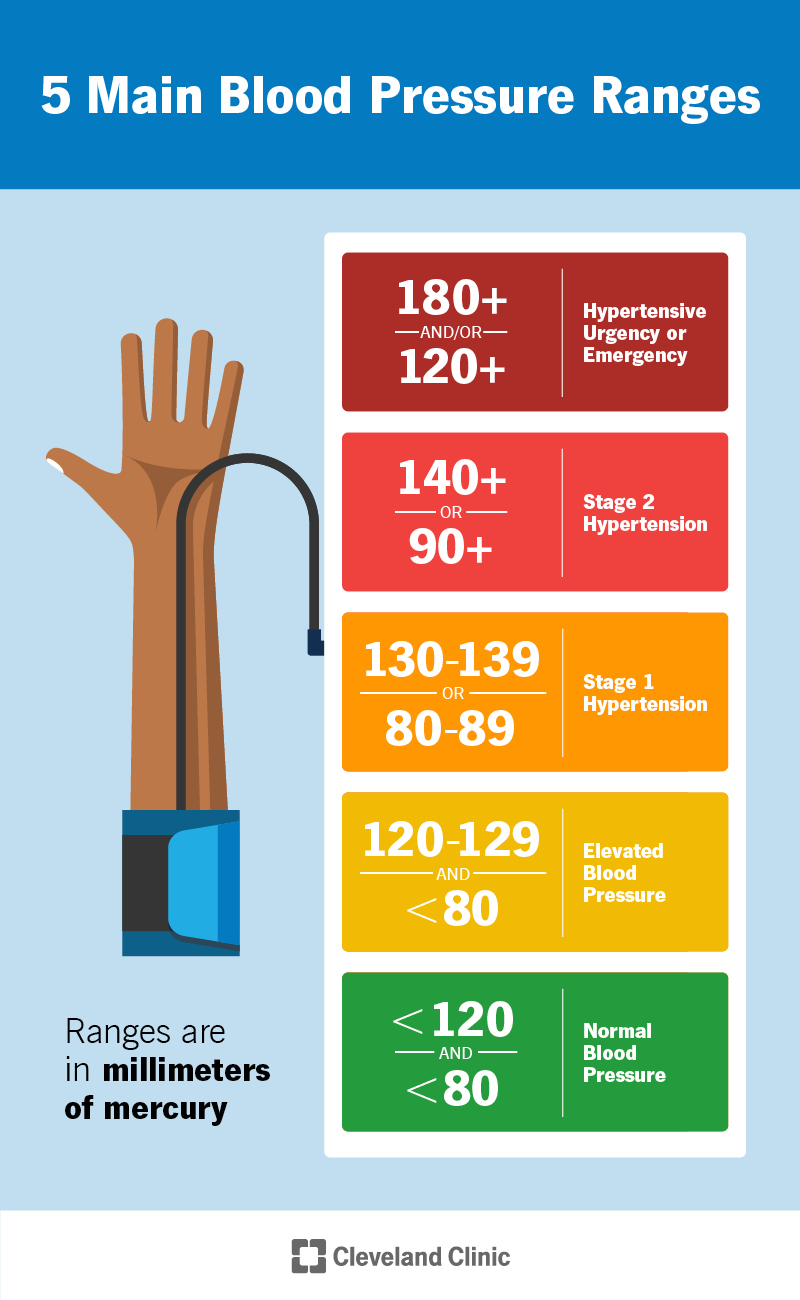
Blood pressure is the amount of force your blood uses to get through your arteries. Learn how providers measure it and what your numbers should be.

my.clevelandclinic.org
In the general population, not for picture above:
Sometimes, after a workout a normal person could have temporary low BP and an increased heart rate. Such a person usually has no symptoms. The BP will then recover as the body rests a bit. Usually healthy people who have no symptoms don't check their BP all the time and checking BP all the time when not medically required can also lead to a neurosis and the 'worried well' syndrome and then over assessments and secondary anxiety and so on. So checking BP too much and finding out things which don't fit the norm is not good because it can cause anxiety. Unless recommended by attending doctor, casual BP checking may possibly be not for everyone. The normal nurse or primary doctor driven BP screening eg annually is still recommended.
Not saying that's the case above at all.
When it comes to BPs, the general population follows a Bell curve or a skewed Bell curve. This means that as many as 2.5% of the healthy people out there could be fine with a BP under 90/60 at times. They would then never know they had such BPs as these don't cause symptoms or cause problems.