Ceiling insulation heat reduction etc

Tongs of Destiny

Expert Member
Joined
May 4, 2015
Messages
4,796
Reaction score
5,000
Ok so my ceiling void is a normal SA house style, pitched roof with normal roof tiles. Highest point in the ceiling void is around 3m and say 10m wide and 15m long, no ventilation. Also no insulation on the ceiling or even silver reflective foil under the tiles.

Question, the rooms below are unbearably hot during summer. What have people tried or used that have made a marked reduction in the heat below :

ceiling insulation like Isotherm or think pink
silver reflective foil under the tiles
whirlybirds on the roof tiles
inlet outlet fans
etc
etc
 
Isotherm at 150mm thickness worked a treat in my previous house and can definitely recommend that.. also less expensive to install and less hassle cause you are not fiddling with the roof tiles to put in the reflective lining..

Current house has the reflective lining under tiles but I am seriously considering adding isotherm here as well because the rooms still can get up to 29 degrees on mid 30+ temp days..

So, based on my experiences with both, isotherm is the one I would choose..
 
Aerolite 135mm. Made a huge difference. Posted about it on here.

When you say you have no ventilation do you mean your eaves are enclosed? Because I think if you have open eaves then the normal gaps between roof tiles is probably sufficient. A whirlybird might help but my guess is ceiling insulation will get you 90% of the way.
 
Last edited:
Ok so my ceiling void is a normal SA house style, pitched roof with normal roof tiles. Highest point in the ceiling void is around 3m and say 10m wide and 15m long, no ventilation. Also no insulation on the ceiling or even silver reflective foil under the tiles.

Question, the rooms below are unbearably hot during summer. What have people tried or used that have made a marked reduction in the heat below :

ceiling insulation like Isotherm or think pink
silver reflective foil under the tiles
whirlybirds on the roof tiles
inlet outlet fans
etc
etc
I noticed about a 2c drop with Aerolite. Not amazing, but everything helps.
 
I noticed about a 2c drop with Aerolite. Not amazing, but everything helps.
The thickness of insulation you use and how well your windows are sealed and how much sunlight a room gets all factor in to how much of a reduction you see..
 
I noticed about a 2c drop with Aerolite. Not amazing, but everything helps.

It does reduce the average temperature in summer but I think the qualitative improvement is more in the compression of the range, so you don't feel like your house is going through the seasons over the course of a day.
 
I recently installed 150mm Isotherm and Sisalation (silver foil) in a very hot West facing room. It has definitely made a difference. However a lot of heat still enters via the West facing windows though. My thermal camera has measured temperatures of the glass and aluminium frames of up to 50 degrees Celsius on hot sunny days. Operating an aircon makes a massive difference and cools the room dramatically but obviously involves an initial outlay and ongoing running costs.
 
1st house, first tried the plascon cool roof paint or whatever it is called. No difference. Roof still looks good more than 10 years later when I drove past the house.

Then went Isotherm, cannot recall thickness, was not the thinnest. Immediate difference. Would recommend. On my to do to list in current house.
 
1st house, first tried the plascon cool roof paint or whatever it is called. No difference. Roof still looks good more than 10 years later when I drove past the house.

Then went Isotherm, cannot recall thickness, was not the thinnest. Immediate difference. Would recommend. On my to do to lst in current house.
 
The thickness of insulation you use and how well your windows are sealed and how much sunlight a room gets all factor in to how much of a reduction you see..
This is surprisingly something people can overlook.

Our lounge got incredibly hot in the late afternoon once the sun came over. We applied tinting to the glass and the difference was night and day. Pretty much every window the sun touches by us is now tinted.

Adds to security as well.
 
The thickness of insulation you use and how well your windows are sealed and how much sunlight a room gets all factor in to how much of a reduction you see..
145mm if i recall. Was a while ago. The noise reduction was more noticeable than the temperature reduction.
 
ok so ceiling insulation stuff it is then, the votes are in and this seems to make the most difference! thank you

all the below have roughly the same R-value, anyone used that R500 one, that's a lot cheaper than say the Isotherm being the most expensive.


Untitled.png
 
ok so ceiling insulation stuff it is then, the votes are in and this seems to make the most difference! thank you

all the below have roughly the same R-value, anyone used that R500 one, that's a lot cheaper than say the Isotherm being the most expensive.


View attachment 1872089
I have used the R 500 one in the flat at my current house and made no difference.. granted it's the 50mm thickness, but I would have expected a little difference..

I obviously can't say how the 150mm will perform but having used and touched both, isotherm definitely seems to be a more quality product..
 
ok so ceiling insulation stuff it is then, the votes are in and this seems to make the most difference! thank you

all the below have roughly the same R-value, anyone used that R500 one, that's a lot cheaper than say the Isotherm being the most expensive.

The main difference is the material and fire ratings.

Aerolite is fibreglass and has a A/A1/1 rating - meaning non-combustible. The others are polyester and B/B1/2 - which means they are combustible but won't spread fire.

Aerolite is a bit more annoying to handle because the fibres are itchy.
 
Aerolite is a better insulator and sound deadener. But man those glass fibres are a pain when you have to do anything in the roof especially installing it.

You also get one made of wood fibre that they blow into the ceiling with a big blower.

I have Isotherm in one of my rooms and want to install it across the house more for winter but that would be my pick.
 
last question... insulating over led downlights, I know they don't make much heat but I guess it's the wiring etc. I see overseas they use normal downlight hoods, in SA I cannot find anything here?

any objections? better than nothing... and don't say "they're not fireproof" the roof trusses, brandering etc are wood hmmm

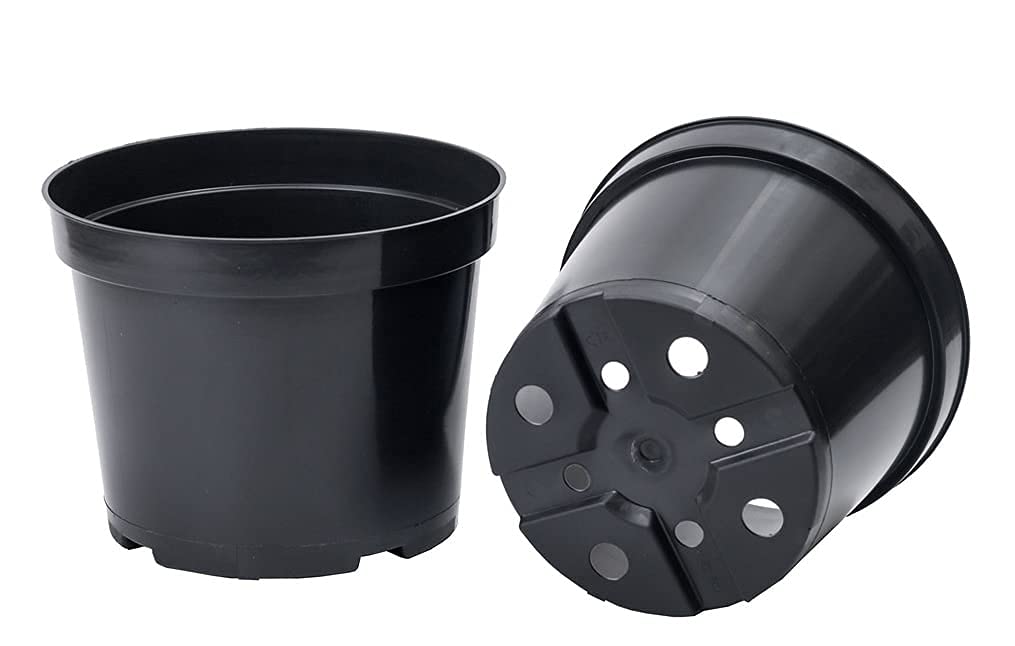
B2C Black Plastic Plant Pot Flower Pots 0.5 1 2 3 4 5 7.5 10 12 15 25 32 45  Litre (1, 7.5L) : Amazon.co.uk: Garden
 
last question... insulating over led downlights, I know they don't make much heat but I guess it's the wiring etc. I see overseas they use normal downlight hoods, in SA I cannot find anything here?

any objections? better than nothing... and don't say "they're not fireproof" the roof trusses, brandering etc are wood hmmm

B2C Black Plastic Plant Pot Flower Pots 0.5 1 2 3 4 5 7.5 10 12 15 25 32 45  Litre (1, 7.5L) : Amazon.co.uk: Garden

If you really want to these will probably work.

 
We have a similar roof structure we installed Cellulose Fibre Roof Insulation (which is pumped up and spread over the ceiling. It looks like shredded paper.

We have noticed a marked improvement in both heat (4 - 5 degrees cooler) and in winter the heat retention is also much better.

Around the downlight they installed a think galvanised pipe section over the lights to keep the fibre away.
 
1st house, first tried the plascon cool roof paint or whatever it is called. No difference. Roof still looks good more than 10 years later when I drove past the house.

Then went Isotherm, cannot recall thickness, was not the thinnest. Immediate difference. Would recommend. On my to do to list in current house.
Its crazy how in CT, insulation is not standard. In JHB it was expected, don't think I ever saw a house without insulation.

The first house we rented in CT had no insulation and had an aircon... the temp swings were horrid.
Then we bought a newly renovated house and it had the same issue, we put in insolation and got a massive improvement.
Many people I have spoken to have had the same experience, old houses and new, its just not common to have insulation.

I don't know if there is a good reason why but its just not a thing in CT.

Our current house - which was also newly renovated, has go insulation and seals on all the doors and windows, has a very stable temp.
Even though its double story and open plan. it keeps cool in the summer and warm in the winter.

It seems insane that it wouldn't be the first thing you fix on a house.
 
  • Like
Reactions: rh1
Top
Sign up to the MyBroadband newsletter
X