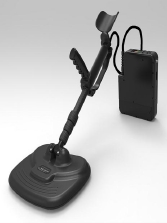
Cheap bug sweeping device tested

Jan

Who's the Boss?
Staff member
Joined
May 24, 2010
Messages
14,770
Reaction score
13,415
Location
The Rabbit Hole
We bought a cheap bug sweeper to see if our office is being spied on

Cheap “spy bug” detectors are not good for much other than giving a false sense of security, a MyBroadband test of the K–68 Anti-Spy RF Detector has found.

MyBroadband recently came across an inexpensive bug sweeping device for around R1,500, which claims to be able to detect spy devices such as wireless cameras and the like in your home.
 
We bought a cheap bug sweeper to see if our office is being spied on

Cheap “spy bug” detectors are not good for much other than giving a false sense of security, a MyBroadband test of the K–68 Anti-Spy RF Detector has found.

MyBroadband recently came across an inexpensive bug sweeping device for around R1,500, which claims to be able to detect spy devices such as wireless cameras and the like in your home.
You guys have fun at work
 
The reason it went off on the Xiaomi is actually due to the secret chinese spy camera built in. You were just fooled into thinking it's just an ordinary mobile phone. ;)
 
You guys can try a SDR next time? Something like an HackRF one?
May be a bit complex to set up, but I think it would pick up nearby RF that is being transmitted.

Not all spy devices are transmitting actively. Maybe recording to a SD-Card, for later retrieval.

If you really want to sniff out active or inactive electronic devices, that have semiconductors in it, try a "non linear junction detector".
 
You guys can try a SDR next time? Something like an HackRF one?
May be a bit complex to set up, but I think it would pick up nearby RF that is being transmitted.

Not all spy devices are transmitting actively. Maybe recording to a SD-Card, for later retrieval.

If you really want to sniff out active or inactive electronic devices, that have semiconductors in it, try a "non linear junction detector".

There was a free download for a laptop so that you could scan hotel rooms for devices. I had it on a previous laptop and it picked up every device I have at home including cell phones and tablets. Never picked up anything other than the WiFi router in hotel rooms.
 
There was a free download for a laptop so that you could scan hotel rooms for devices. I had it on a previous laptop and it picked up every device I have at home including cell phones and tablets. Never picked up anything other than the WiFi router in hotel rooms.
I think that is software that uses the wireless adapter on your laptop in monitor mode, so it can see the wireless frames in the vicinity, and based on the RSSI, tell you if the device is nearby.

I used airodump-ng for years. Very useful in sniffing out devices connected to a wireless network...

EDIT: Was also useful in my student years, because someone ran an wireless deauth attack, kicking off all the students on the Wi-Fi network of the campus. We found him by triangulation. The de-auth program was flawed, because it kicked off the nearby guys first, then the further away devices. We could see which devices was kicked off first, follow the RSSI to the strongest point, based on that, we found the guy. Was a guy who stole all the bandwidth for his benefit of sownloading useless crap.
 
Last edited:
You need a pair of these. They could pick up any interference from any wireless device, guaranteed.
497b8dd04ec6a8bdf8ae8896e14a2924.jpg
 
I think that is software that uses the wireless adapter on your laptop in monitor mode, so it can see the wireless frames in the vicinity, and based on the RSSI, tell you if the device is nearby.

Yes. It could detect any device nearby. So you picked up your phone in your hotel room and the router. The devices identities were clearly displayed.

EDIT: Was also useful in my student years, because someone ran an wireless deauth attack, kicking off all the students on the Wi-Fi network of the campus. We found him by triangulation. The de-auth program was flawed, because it kicked off the nearby guys first, then the further away devices. We could see which devices was kicked off first, follow the RSSI to the strongest point, based on that, we found the guy. Was a guy who stole all the bandwidth for his benefit of sownloading useless crap.

In the offshore oil industry some places demanded that you hand in your laptop to the IT department to be connected to the WiFi. At these places an Anti Virus was mandatory and they checked the laptop for bandwidth stealing software. Afterwards usage was monitored and the 5 biggest bandwidth hogs had their names displayed in the dining hall. Social pressure does work.
 
Top
Sign up to the MyBroadband newsletter
X