


Lupus
Honorary Master
- Joined
- Apr 25, 2006
- Messages
- 91,570
- Reaction score
- 62,162
Wait do you have any surge protectors on anything plugged into the inverter?Would you suggest I install something between the AC and the inverter? Like a surge plug?
South Africa’s biggest forum. Discuss, discover, and connect with thousands of members.
Wait do you have any surge protectors on anything plugged into the inverter?Would you suggest I install something between the AC and the inverter? Like a surge plug?

Yes, Ive been running these puppies in all my wall sockets for donkeys yearsWould you suggest I install something between the AC and the inverter? Like a surge plug?

No, nothing before or after the inverter.Wait do you have any surge protectors on anything plugged into the inverter?
Thanks, I'll get oneYes, Ive been running these puppies in all my wall sockets for donkeys years
Touch wood
WHATEVER YOU DO, DO NOT INSTALL THESE AFTER THE MECER INVERTER, THE MODIFIED SINEWAVE HATES IT AND KA-BOOOOOM
View attachment 1221222

Put them everywhereThanks, I'll get one


Go through the pain of running through the ceiling, but don't go the slight bit extra and use proper cabtyre?Hi there. Here is my scenario:
I have this inverter setup https://www.geewiz.co.za/long-run-u...-batteries-8-hour-battery-life-kit-1440w.html and it powered a TV (32" i think?) and decoder and a laptop through load shedding for a few months really well. Then I decided I want to move the laptop to another room and connect a 42" screen to it, and while it's there I will connect my house alarm system to the inverter as well.
To do this I used 2x of these https://www.takealot.com/maxpower-20m-extension-cord/PLID52617662/description that I connected together and ran through the ceiling. So that's a total of 40m of extension cord.
So now the inverter is running a TV and decoder in one room, and then 40m of extension cord to a laptop with an external 42" screen and a bog standard house alarm system in the other room.
When it all was hooked up and the AC power was on it worked perfectly. Then our municipal power went out, prompting the inverter to kick in, and immediately something in the inverter went bang and it smelled like something inside it burned.
Now the inverter just makes a continuous beep with a steady red LED light, so I assume it's screwed.
My question now is, did the 40m of extension cord somehow cause this? Or was it completely unrelated and the inverter just decided to go poof? Any help would be appreciated.

Some of my immediate concerns -Hi there. Here is my scenario:
I have this inverter setup https://www.geewiz.co.za/long-run-u...-batteries-8-hour-battery-life-kit-1440w.html and it powered a TV (32" i think?) and decoder and a laptop through load shedding for a few months really well. Then I decided I want to move the laptop to another room and connect a 42" screen to it, and while it's there I will connect my house alarm system to the inverter as well.
To do this I used 2x of these https://www.takealot.com/maxpower-20m-extension-cord/PLID52617662/description that I connected together and ran through the ceiling. So that's a total of 40m of extension cord.
So now the inverter is running a TV and decoder in one room, and then 40m of extension cord to a laptop with an external 42" screen and a bog standard house alarm system in the other room.
When it all was hooked up and the AC power was on it worked perfectly. Then our municipal power went out, prompting the inverter to kick in, and immediately something in the inverter went bang and it smelled like something inside it burned.
Now the inverter just makes a continuous beep with a steady red LED light, so I assume it's screwed.
My question now is, did the 40m of extension cord somehow cause this? Or was it completely unrelated and the inverter just decided to go poof? Any help would be appreciated.


It could have done if it was 1mm and shitty cca, and he's drawing too much current, could have melted, and a short created, then the inverter went into unhappy fun mode.Thicker the better, even @ShaunSA will agree
But Gents, this still doesnt explain why everything was running fine over 40 metres or whatever distance just fine whilst on ESKOM, and then on powerfailure there was an explosion. The thickness of the cable did not cause this bang inside the Inverter. Something else is the cause of it
From running a laptop and telly on the other endIt could have done if it was 1mm and shitty cca, and he's drawing too much current, could have melted, and a short created, then the inverter went into unhappy fun mode.
Hence my suggestion to buzz out the extension cable with a multimeter. Them's my reasons!
Buzzing out the cable with a multimeter would provide conclusive proof if there was a short or notFrom running a laptop and telly on the other end
I highly doubt this would have happened
Will need more conclusive proof

True, good to check out, even though he was consuming a measly 1 amp of power. But still a good testBuzzing out the cable with a multimeter would provide conclusive proof if there was a short or not


I use theseBut saying that there are surge protectors designed for fridges that have a delay before switching on again, cant remember where I saw them now
But, I am using a standard Ellies and both my fridges are fine
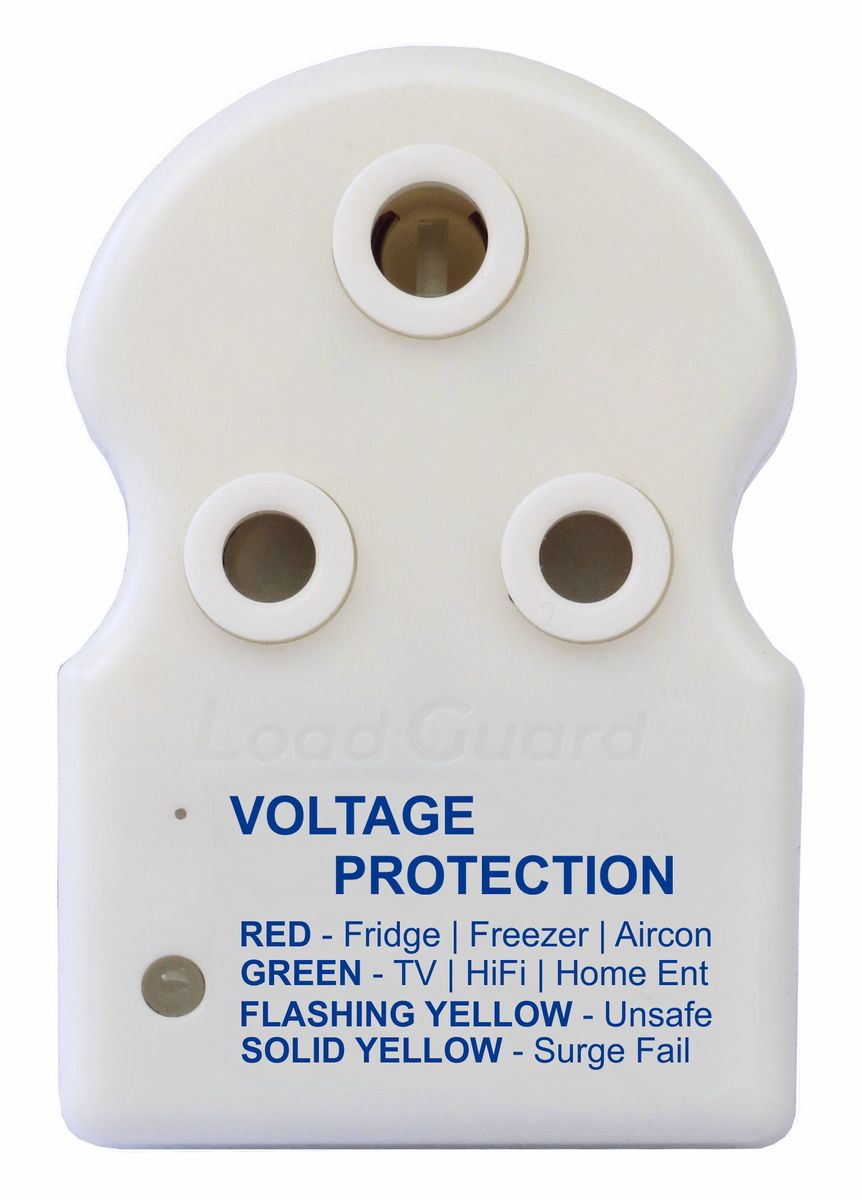
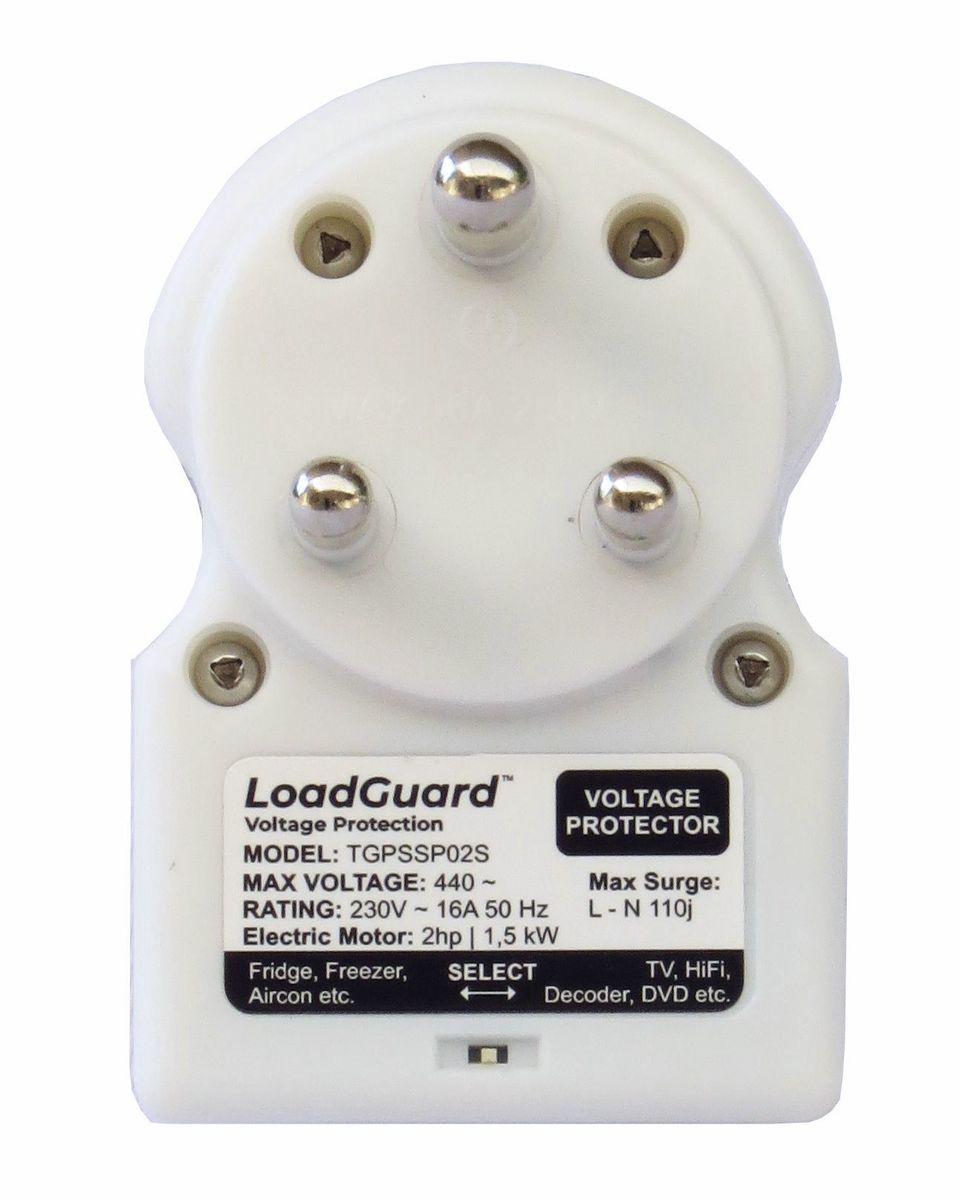
Now that's awesome
 Adding to my wishlist, thank you
Buzzing out the cable with a multimeter would provide conclusive proof if there was a short or not
No idea why the poor extension is linked to the failure of the inverter.The extension cords are all still 100%. Everything that was connected to the inverter is still fine.
If you have the option buy a better inverter, the one you bought is pretty low quality.Would you suggest I install something between the AC and the inverter? Like a surge plug?
 www.geewiz.co.za

