


Icemanbrfc
Honorary Master
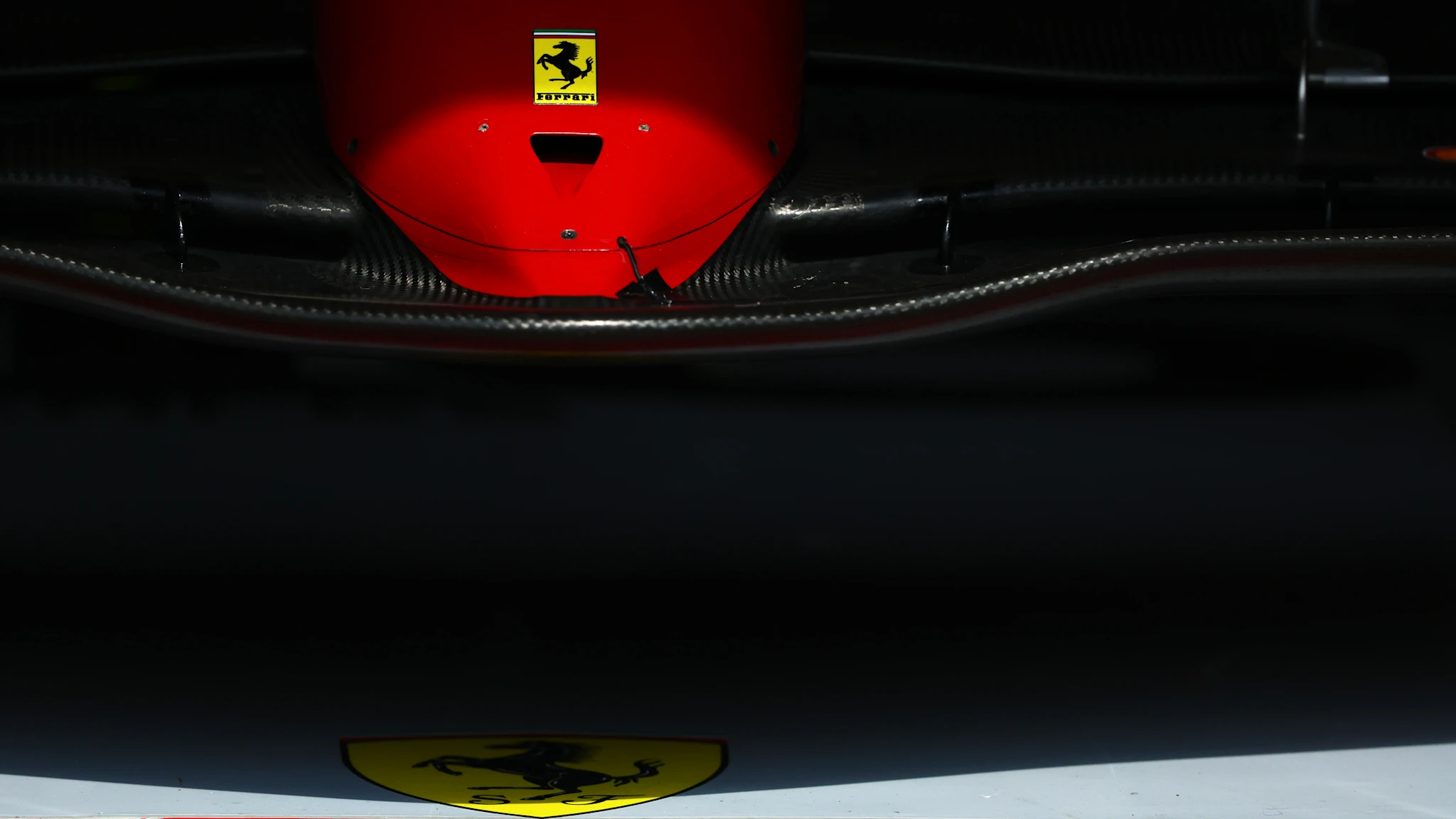
So Ferrari is now a PacmanView attachment 1449301
Looks like Jar Jar Binks trying to eat the badge. As long as it makes the car faster...

South Africa’s biggest forum. Discuss, discover, and connect with thousands of members.
So Ferrari is now a PacmanView attachment 1449301
Looks like Jar Jar Binks trying to eat the badge. As long as it makes the car faster...


When are the 2023 champions Ferrari launching their car? And dont say launch into a wall, you know what i mean lol

Next year is the year, 2023 is already lostWhen are the 2023 champions Ferrari launching their car? And dont say launch into a wall, you know what i mean lol
Nooooo, Freddy coming to save us lolNext year is the year, 2023 is already lost

FTFYWhen are the 2023 champions / Ferrari launching their car? And dont say launch into a wall, you know what i mean lol

 www.formula1.com
Can't wind tunnel porpoising, so we'll wait for testing for some real world confirmations...
Will they, won't they...?not excited about this development...

When are the 2023 champions Ferrari launching their car?


Mercedes again caught cheating... LolThe new F1 technical rules for 2023: https://racingnews365.com/the-new-f1-technical-rules-for-2023
"The 2023 Formula 1 season will see the introduction of several changes to the technical regulations. Among other tweaks, the focus of the new regulations has mainly been on the floor, in an attempt to totally eliminate or drastically reducing porpoising.
Raised floor edges
The outer edge of the floor in front of the rear wheels must be raised by 15 millimetres. Alongside this change, tests have been introduced to measure the vertical bending of the edges. In 2022 a deflection of 8 millimetres downwards and 12 millimetres upwards was allowed, whereas in 2023 the maximum deflection will be limited to only five millimetres in both directions (upwards and downwards). By introducing these new limits, the FIA seeks to make it more difficult to use the lateral edges to create a physical seal with the ground.
More sensors to measure vertical accelerations
Since the 2022 Belgian GP, sensors have been introduced to measure the vertical accelerations of the cars. In 2023, the measurements, thanks to the increase in the number of dedicated sensors, will be even more accurate.
Raised the "throat" of the diffuser
The point where the section of the diffuser narrows, where the Venturi channels flow, is referred to as the "throat". The accelerating air flow in this section produces a pressure change, increasing downforce. The FIA has decided to raise it by 10mm to reduce the sensitivity of Formula 1 to variations of dynamic ride heights (meaning when the car is in motion).
Weight reduction
Minimum weight drops. In 2023 it will be 796 kilograms, two less than the 798 target in 2022.
Stricter tests for the roll bar and larger rear view mirrors
Zhou's accident at Silverstone prompted the tightening of main roll hoop structure tests. It shall withstand an impact of 15G and withstand the simultaneous application of a frontally and rearwardly applied load. In 2023 the surface (cross section) of the mirrors will be increased by 50% to enhance rear visibility.
Stricter guidelines for the front wing assembly
Last year Mercedes caused a stir with the introduction of a front wing characterised by a particular shaped connection between endplates and flaps, furthermore, a version of the wing featuring profile shaped flap separators. The FIA in 2023 will not allow such "extreme" designs."
Shame, must be hard being a Ferrari fan recently.Mercedes again caught cheating... Lol
It has been but we haven't lost our sense of humour.Shame, must be hard being a Ferrari fan recently.


