


-
- News
-
Categories
- 5G
- ADSL
- AI
- Banking
- Black Friday
- Broadband
- Broadcasting
- Business
- Business Telecoms
- Cellular
- Cloud and Hosting
- Columns
- Cryptocurrency
- Energy
- Enterprise
- Fibre
- Gadgets
- Gaming
- Government
- Hardware
- Industry News
- Internet
- Internet of Things
- Investing
- IT Services
- Motoring
- Reviews
- Science
- Security
- Smartphones
- Software
- Technology
- Telecoms
- Trending
- Wireless
- Press Office
- Forum
- Industry News
- What's Next
- Company hub
- Speed Test
- About us
- Advertise with us
- Contact
- Careers
-
Join the MyBroadband community
South Africa’s biggest forum. Discuss, discover, and connect with thousands of members.
-
Question of the Day: How do you normally pay for purchases in stores?
- Forums
- General discussions
- Motoring and Transportation: Cars, Bikes and Plane
- General Motoring News and Reviews
You are using an out of date browser. It may not display this or other websites correctly.
You should upgrade or use an alternative browser.
You should upgrade or use an alternative browser.
Hyundai Ioniq
- Thread starter FiestaST
- Start date

FiestaST
Honorary Master
Has Hyundai turned its back on the internal combustion engine? ICE R&D unit closes
According to Byung-Uk Do and Il-Gue Kim at KED: "Hyundai closed its engine development division at its research and development centre, according to industry sources, on December 23. The company's Namyang Research and Development Centre in South Korea is the Hyundai Group's brain with about 12000 researchers."
Hyundai's engine development team was founded in 1983. In 1991, it launched its first unique engine, the Alpha engine and later developed the Beta, Theta and Nu engines that have, arguably, helped Hyundai Motor Group rise to its position among the world's top five automakers due to their reliability and frugality.
Electric cars will be the focus
Reports by Electrek and CarDekho confirm an email sent to Hyundai employees by the company's new Research and Development Chief Park Chung-Kook stating that the company is shutting down new engine development: "Now, it is inevitable to convert into electrification. Our own engine development is a great achievement, but we must change the system to create future innovation based on the great asset from the past."
Wheels24 could not reach Hyundai South Africa for comment at this stage. However, we will follow up with the company post-festive season break to find out how this recent development might affect the availability of future Hyundai models. In the past, Hyundai South Africa has said that it would not consider electric cars for South Africa until it could offer affordable EVs in the country.

 www.news24.com
- Hyundai has allegedly shut down its internal combustion engine research and development division.
- The company will now focus solely on the development of alternative propulsion systems.
- Electric vehicles are expected to become Hyundai's lead products, although the company is still heavily invested in hydrogen fuel cell technology.
According to Byung-Uk Do and Il-Gue Kim at KED: "Hyundai closed its engine development division at its research and development centre, according to industry sources, on December 23. The company's Namyang Research and Development Centre in South Korea is the Hyundai Group's brain with about 12000 researchers."
Hyundai's engine development team was founded in 1983. In 1991, it launched its first unique engine, the Alpha engine and later developed the Beta, Theta and Nu engines that have, arguably, helped Hyundai Motor Group rise to its position among the world's top five automakers due to their reliability and frugality.
Electric cars will be the focus
Reports by Electrek and CarDekho confirm an email sent to Hyundai employees by the company's new Research and Development Chief Park Chung-Kook stating that the company is shutting down new engine development: "Now, it is inevitable to convert into electrification. Our own engine development is a great achievement, but we must change the system to create future innovation based on the great asset from the past."
Wheels24 could not reach Hyundai South Africa for comment at this stage. However, we will follow up with the company post-festive season break to find out how this recent development might affect the availability of future Hyundai models. In the past, Hyundai South Africa has said that it would not consider electric cars for South Africa until it could offer affordable EVs in the country.
Has Hyundai turned its back on the internal combustion engine? ICE R&D unit closes | Life
Hyundai has allegedly pulled the plug on internal combustion engine (ICE) development as it seeks to become an electric vehicle (EV) specialist.
www.news24.com
FiestaST
Honorary Master

FiestaST
Honorary Master
Hyundai has ceased development of all internal combustion engines
In 2021, rumours were heard of Hyundai ceasing development of all internal combustion engines. It would seem now as though those rumours were true, with a number of internal changes having taken place at Hyundai’s Namyang Research Institute as 2021 drew to a close, according to The Korea Economic Daily.
As part of these changes, the Powertrain Team has been converted to the Electrification Development Team, responsible for delving into the rapidly growing world of EVs, including research and development for future Hyundai products.
The Battery Development Center takes the place of the Engine Development Center which has been shuttered. Their sole focus is now electrification. The Project Management and Integrated Product Development Teams have partnered up and together will oversee mass production and design throughout each of the automaker’s vehicle levels. 12 000 R&D employees are affected by these changes at the Namyang Research Institute.

 www.carmag.co.za
In 2021, rumours were heard of Hyundai ceasing development of all internal combustion engines. It would seem now as though those rumours were true, with a number of internal changes having taken place at Hyundai’s Namyang Research Institute as 2021 drew to a close, according to The Korea Economic Daily.
As part of these changes, the Powertrain Team has been converted to the Electrification Development Team, responsible for delving into the rapidly growing world of EVs, including research and development for future Hyundai products.
The Battery Development Center takes the place of the Engine Development Center which has been shuttered. Their sole focus is now electrification. The Project Management and Integrated Product Development Teams have partnered up and together will oversee mass production and design throughout each of the automaker’s vehicle levels. 12 000 R&D employees are affected by these changes at the Namyang Research Institute.
Hyundai has ceased development of all internal combustion engines
In 2021, rumours were heard of Hyundai ceasing development of all internal combustion engines. It would seem now as though those rumours were true, with a number of internal changes having taken place at Hyundai’s Namyang Research Institute as 2021 drew to a close, according to The Korea...
www.carmag.co.za
FiestaST
Honorary Master
FiestaST
Honorary Master
Hyundai denies reports that they’re ceasing ICE development
Following reports from both The Korea Economic Daily and Business Korea newspapers regarding Hyundai’s plans to cease production of Internal Combustion engines, reputable motoring news source Motor1.com contacted Hyundai in an attempt to confirm or deny the speculations made by South Korean media. In an official e-mail response, Hyundai Motor America’s Senior Group Manager, Michael Stewart said, “Hyundai Motor Group can confirm that it is not halting the development of its engines following recent media speculation. The Group is dedicated to providing a strong portfolio of powertrains to global customers, which includes a combination of highly efficient engines and zero emissions electric motors.”
And so, straight from the proverbial horse’s mouth, petrol burning Hyundai’s are still to be around for a while. Granted that the EU’s proposal to ban petrol and diesel powered vehicles is favourably voted, Europe will likely be the first region in the world to action a ban like this. With something like this on the horizon, then, as well as Hyundai’s official announcement last September about becoming a purely electric as soon as 2035 in Europe, the reports last week came as no surprise, if a little sooner than expected.
And of course, Hyundai’s current crop of engines, as advanced as they are, will not meet Euro 7 regulations which are set to come into effect in the latter half of this decade, which means that for the foreseeable future, they will indeed have to continue developing internal combustion engines.
 www.carmag.co.za
Following reports from both The Korea Economic Daily and Business Korea newspapers regarding Hyundai’s plans to cease production of Internal Combustion engines, reputable motoring news source Motor1.com contacted Hyundai in an attempt to confirm or deny the speculations made by South Korean media. In an official e-mail response, Hyundai Motor America’s Senior Group Manager, Michael Stewart said, “Hyundai Motor Group can confirm that it is not halting the development of its engines following recent media speculation. The Group is dedicated to providing a strong portfolio of powertrains to global customers, which includes a combination of highly efficient engines and zero emissions electric motors.”
And so, straight from the proverbial horse’s mouth, petrol burning Hyundai’s are still to be around for a while. Granted that the EU’s proposal to ban petrol and diesel powered vehicles is favourably voted, Europe will likely be the first region in the world to action a ban like this. With something like this on the horizon, then, as well as Hyundai’s official announcement last September about becoming a purely electric as soon as 2035 in Europe, the reports last week came as no surprise, if a little sooner than expected.
And of course, Hyundai’s current crop of engines, as advanced as they are, will not meet Euro 7 regulations which are set to come into effect in the latter half of this decade, which means that for the foreseeable future, they will indeed have to continue developing internal combustion engines.
Hyundai denies reports that they're ceasing ICE development
Following reports from both The Korea Economic Daily and Business Korea newspapers. regarding Hyundai’s plans to cease production of ICE, reputable motoring news source Motor1.com contacted Hyundai in an attempt to confirm or deny the speculations made by South Korean media.
www.carmag.co.za
FiestaST
Honorary Master
EV James and Kate review of the Ioniq 5
FiestaST
Honorary Master
FiestaST
Honorary Master
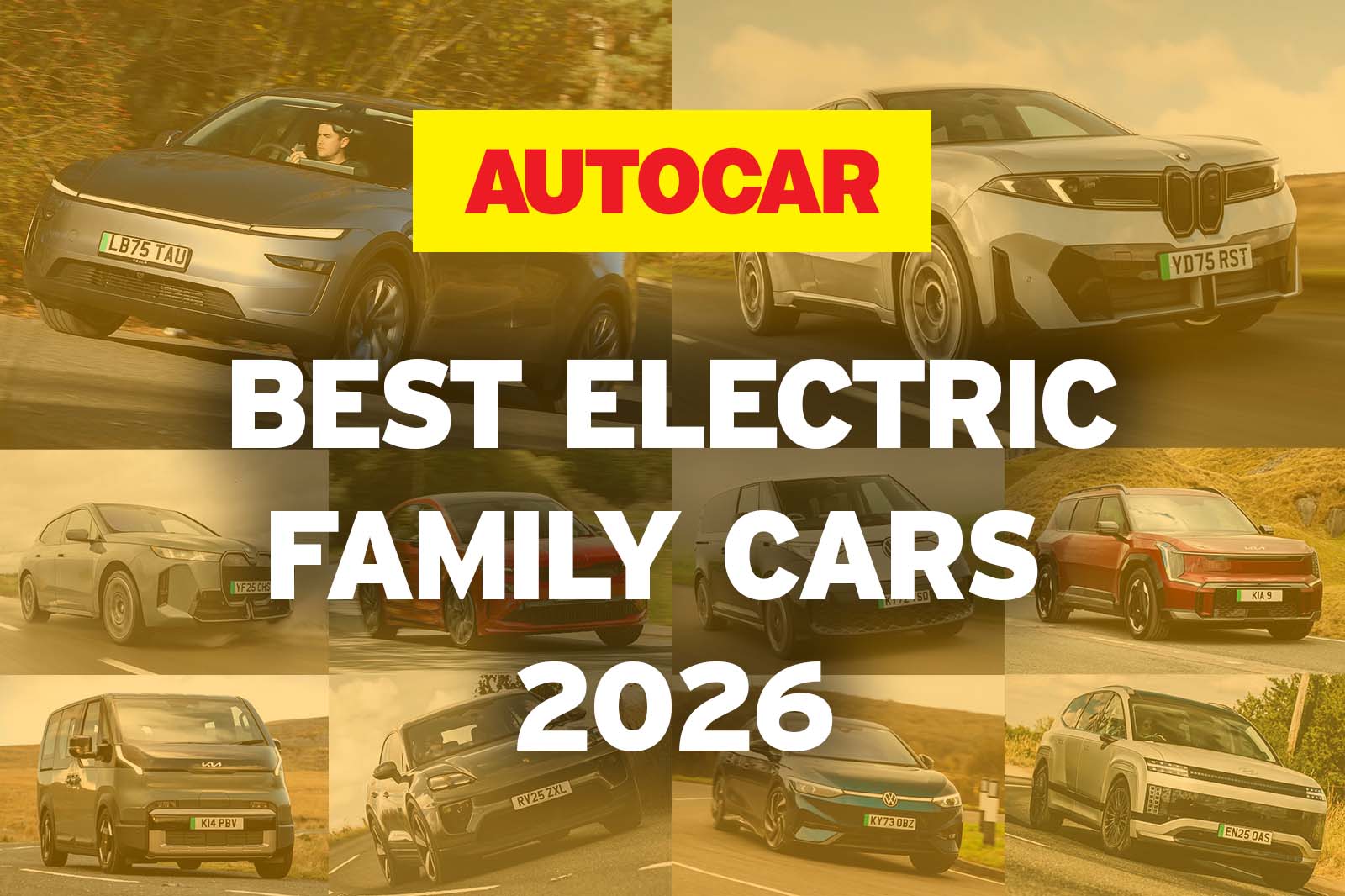
The Ioniq 5 takes the number 1 spot on this list:
Top 10 Best Family Electric Cars 2022
 www.autocar.co.uk
Top 10 Best Family Electric Cars 2022
The best electric family cars: do-it-all EVs driven, rated and ranked | Autocar
For the best EV to fit effortlessly into everyday life and carry your family in comfort, look no further
www.autocar.co.uk
FiestaST
Honorary Master


FiestaST
Honorary Master
FiestaST
Honorary Master


FiestaST
Honorary Master
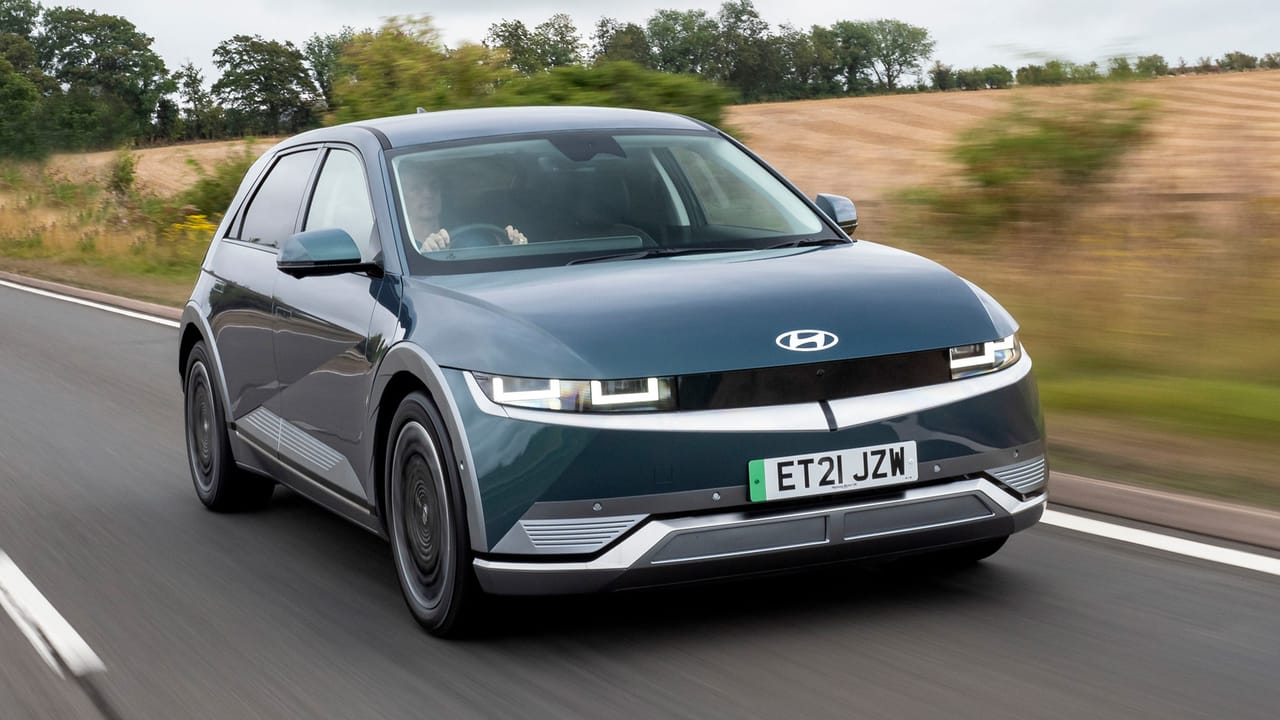
The Hyundai Ioniq 5 is getting a new, bigger battery
A year on from launch, the Hyundai Ioniq 5 celebrates its birthday with a raft of upgrades
We’re 12 months down the line from the arrival of the ultra-stylish Hyundai Ioniq 5, which means it’s time for the electric crossover to be given its first batch of enticing updates.
The headline news is the arrival of a new 77.4kWh battery, marking a small increase over the current offering of a 73kWh unit. Range hasn’t been confirmed yet, but logic dictates that we should expect a small increase over the 298-mile figure achieved last time the Ioniq 5 rocked up for its WLTP exam.
Optional battery conditioning is also being introduced, allowing the car to automatically adjust the temperature of its cells for optimum charging when a charging station is entered into the route planner.
Meanwhile, Hyundai says new Smart Frequency Dampers improve the response of the rear axle, leading to better ride comfort, body control and handling.
The tech has been bolstered too: camera-based rear-view and wing mirrors will soon be available for European customers, having been offered on Korean-spec cars from the very beginning. The usual claims of lower air resistance and ‘an enhanced rear view, even in bad weather’ apply.
 www.topgear.com
A year on from launch, the Hyundai Ioniq 5 celebrates its birthday with a raft of upgrades
We’re 12 months down the line from the arrival of the ultra-stylish Hyundai Ioniq 5, which means it’s time for the electric crossover to be given its first batch of enticing updates.
The headline news is the arrival of a new 77.4kWh battery, marking a small increase over the current offering of a 73kWh unit. Range hasn’t been confirmed yet, but logic dictates that we should expect a small increase over the 298-mile figure achieved last time the Ioniq 5 rocked up for its WLTP exam.
Optional battery conditioning is also being introduced, allowing the car to automatically adjust the temperature of its cells for optimum charging when a charging station is entered into the route planner.
Meanwhile, Hyundai says new Smart Frequency Dampers improve the response of the rear axle, leading to better ride comfort, body control and handling.
The tech has been bolstered too: camera-based rear-view and wing mirrors will soon be available for European customers, having been offered on Korean-spec cars from the very beginning. The usual claims of lower air resistance and ‘an enhanced rear view, even in bad weather’ apply.
The Hyundai Ioniq 5 is getting a new, bigger battery
A year on from launch, the Hyundai Ioniq 5 celebrates its birthday with a raft of upgrades
FiestaST
Honorary Master
FiestaST
Honorary Master
FiestaST
Honorary Master
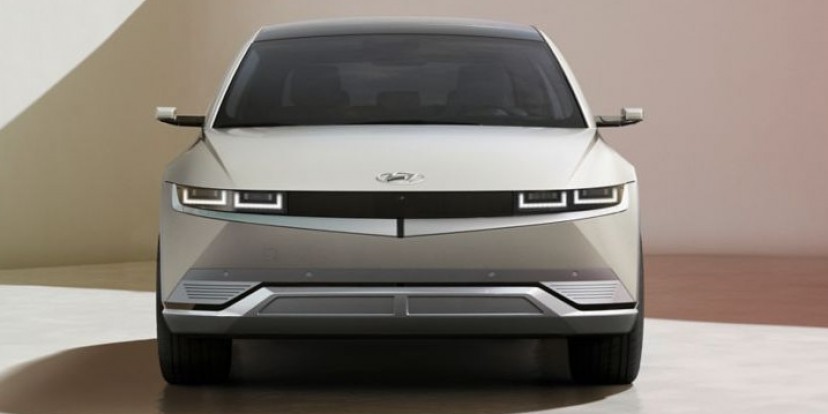
European Hyundai Ioniq 5 gets a larger battery in 2023 refresh
Hyundai announced the updated Ioniq 5, technically a 2023 model, but the company will start accepting orders in late Spring this year. The most notable change is the addition of a bigger 77.4 kWh battery along with other premium options such as battery thermal pre-conditioning, Digital Centre Mirror (DCM), Digital Side Mirrors (DSM) and Smart Frequency Dampers (SFD) for the rear suspension.
Let's start with the battery, which offers a 4.8 kWh increase over the previously available 72.6 kWh option. The latter will be discontinued, while the base 58.2 kWh option remains. It's worth noting that the 72.6 kWh battery pack with 384 cells has been available in North America since 2021.
The battery thermal pre-conditioning is an interesting feature that keeps the cells ready for optimal charging times. The system adapts the battery temperature in cold and hot weather or when there's more aggressive driving which results in heating of the cells.
The feature works when you set a waypoint to a charger using the car's navigation system. The software will then try to keep the battery at optimal temperatures before the actual charging occurs.
 www.arenaev.com
Hyundai announced the updated Ioniq 5, technically a 2023 model, but the company will start accepting orders in late Spring this year. The most notable change is the addition of a bigger 77.4 kWh battery along with other premium options such as battery thermal pre-conditioning, Digital Centre Mirror (DCM), Digital Side Mirrors (DSM) and Smart Frequency Dampers (SFD) for the rear suspension.
Let's start with the battery, which offers a 4.8 kWh increase over the previously available 72.6 kWh option. The latter will be discontinued, while the base 58.2 kWh option remains. It's worth noting that the 72.6 kWh battery pack with 384 cells has been available in North America since 2021.
The battery thermal pre-conditioning is an interesting feature that keeps the cells ready for optimal charging times. The system adapts the battery temperature in cold and hot weather or when there's more aggressive driving which results in heating of the cells.
The feature works when you set a waypoint to a charger using the car's navigation system. The software will then try to keep the battery at optimal temperatures before the actual charging occurs.
European Hyundai Ioniq 5 gets a larger battery in 2023 refresh
Battery pre-conditioning is also on the list.
www.arenaev.com

HAL 9000
Honorary Master
- Joined
- May 27, 2008
- Messages
- 22,274
- Reaction score
- 25,977
Hyundai IONIQ 5 In-Depth Review 2022 - Should Tesla Be Worried?! - OSV
Having shaken up the market with its very first IONIQ, Hyundai does so again with this far more sophisticated IONIQ 5.This time round, the IONIQ is only an EV - and it's quite an arresting one, aimed at premium compact hatch and Crossover models typified by cars like Volkswagen's ID.4, Ford's Mustang MACH-E, the Polestar2 and this Hyundai's close cousin, the Kia EV6.
You have to offer something interesting and different in that kind of company. The IONIQ 5 very definitely does.
FiestaST
Honorary Master
Top Gear review of the Ioniq 5
FiestaST
Honorary Master
Can Hyundai’s Ioniq 5 drive the entire North Coast 500? PT 1 | Fifth Gear Recharged