Prawnapple
Expert Member
- Joined
- May 18, 2015
- Messages
- 3,752
- Reaction score
- 2,678
What do astronomers eat for breakfast on the day that their $10 billion telescope launches into space? Their fingernails.
“You work for years and it all goes up in a puff of smoke,” said Marcia Rieke of the University of Arizona.
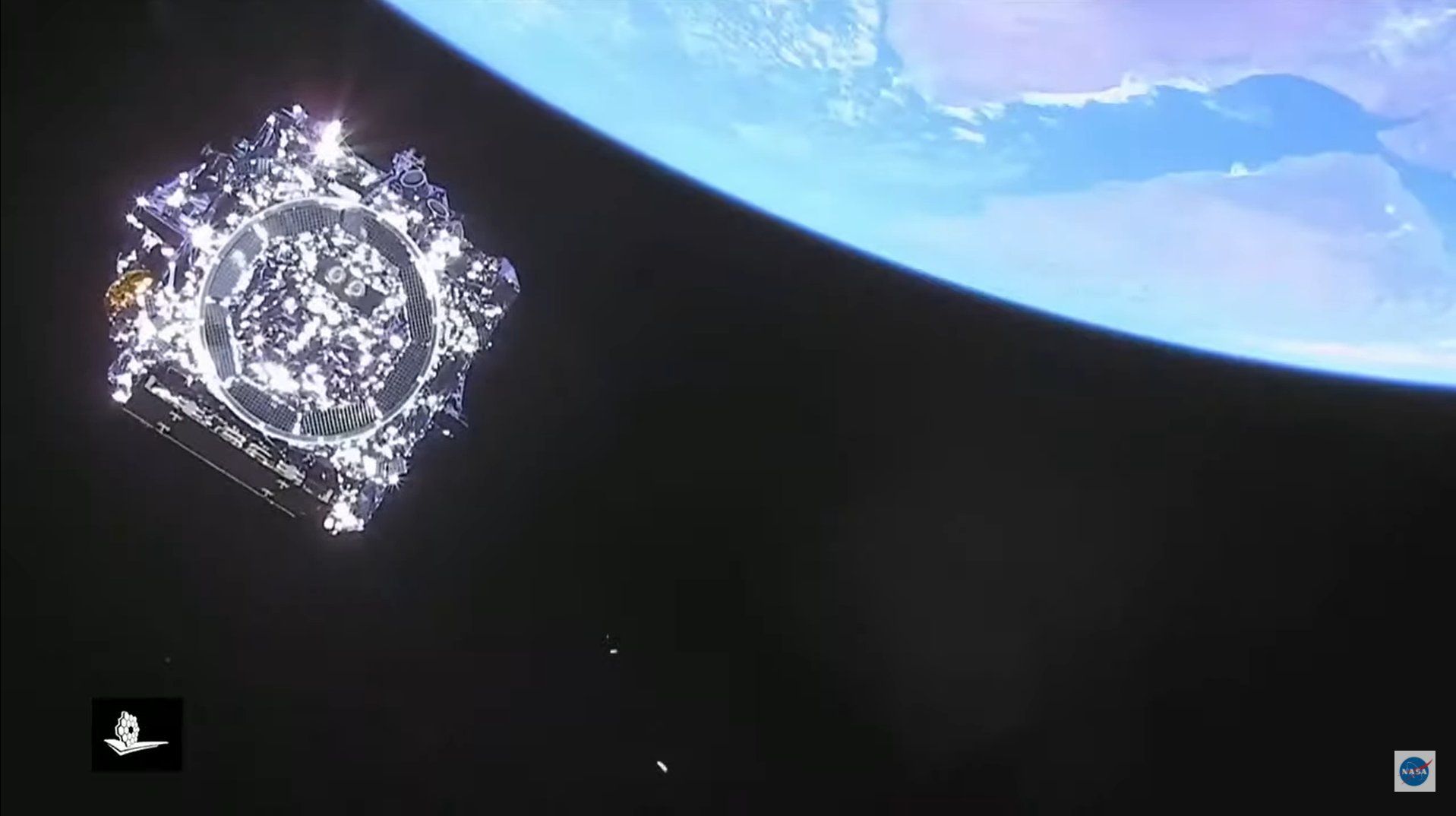
Dr. Rieke admits her fingers will be crossed on the morning of Dec. 24 when she tunes in for the launch of the James Webb Space Telescope. For 20 years, she has been working to design and build an ultrasensitive infrared camera that will live aboard the spacecraft. The Webb is the vaunted bigger and more powerful successor to the Hubble Space Telescope. Astronomers expect that it will pierce a dark curtain of ignorance and supposition about the early days of the universe, and allow them to snoop on nearby exoplanets.
After $10 billion and years of delays, the telescope is finally scheduled to lift off from a European launch site in French Guiana on its way to a point a million miles on the other side of the moon. (Late on Tuesday, NASA delayed the launch at least two days).
An informal and totally unscientific survey of randomly chosen astronomers revealed a community sitting on the edges of their seats feeling nervous, proud and grateful for the team that has developed, built and tested the new telescope over the last quarter-century.
And there is plenty to be anxious about. The Ariane 5 rocket that is carrying the spacecraft has seldom failed to deliver its payloads to orbit. But even if it survives the launch, the telescope will have a long way to go.
Over the following month it will have to execute a series of maneuvers with 344 “single points of failure” in order to unfurl its big golden mirror and deploy five thin layers of a giant plastic sunscreen that will keep the telescope and its instruments in the cold and dark. Engineers and astronomers call this interval six months of high anxiety because there is no prospect of any human or robotic intervention or rescue should something go wrong.
But if all those steps succeed, what astronomers see through that telescope could change everything. They hope to spot the first stars and galaxies emerging from the primordial fog when the universe was only 100 million years or so old, in short the first steps out of the big bang toward the cozy light show we inhabit today.
“The entire astronomy community, given the broad range of anticipated science returns and discovery potential, has skin in the game” with the telescope, said Priyamvada Natarajan, an astrophysicist at Yale. “We are all intellectually and emotionally invested.”

Why the World’s Astronomers Are Very, Very Anxious Right Now
The James Webb Space Telescope is endowed with the hopes and trepidations of a generation of astronomers.