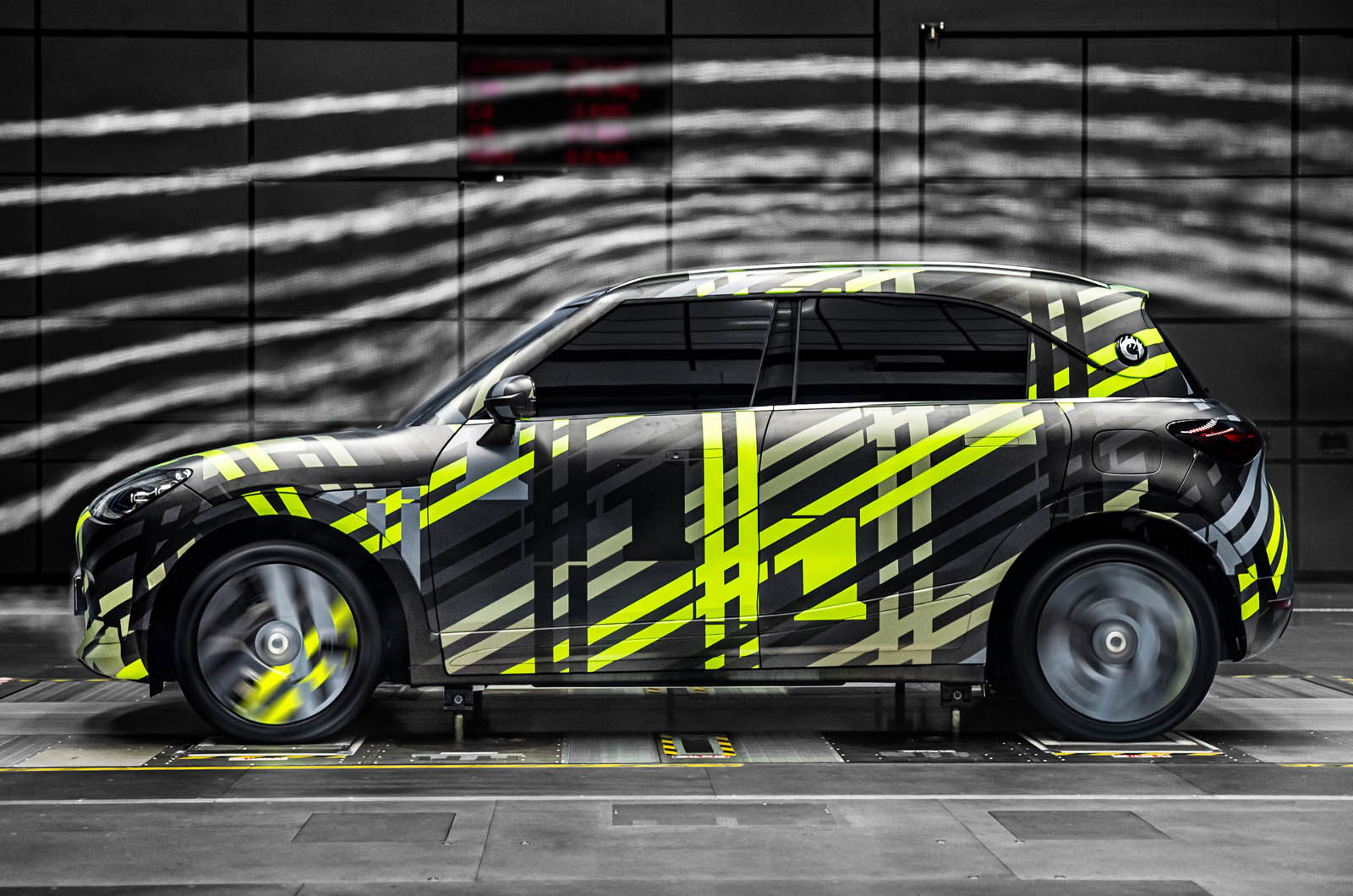
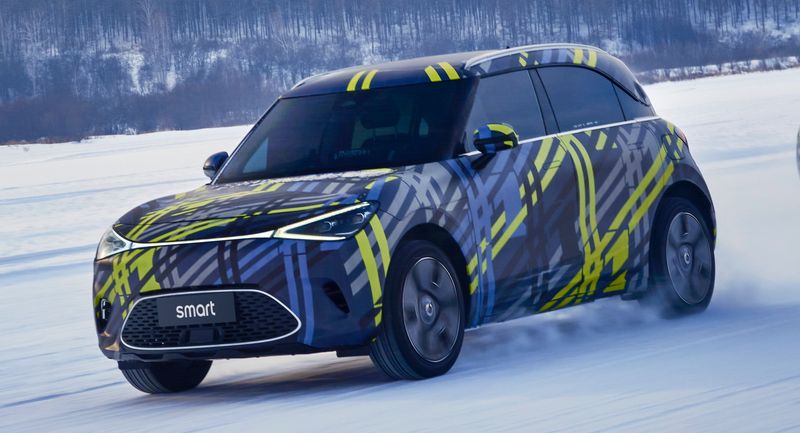
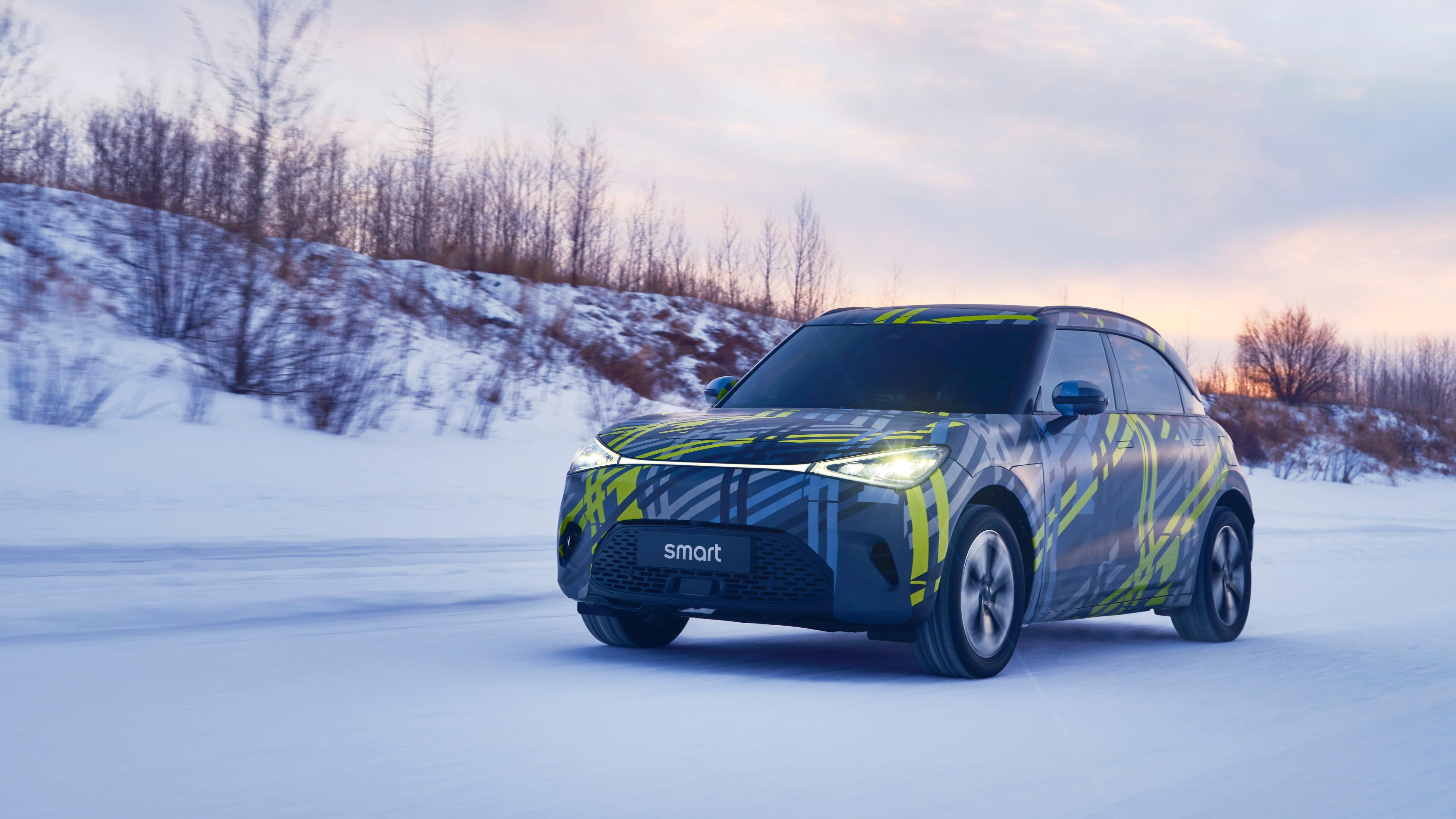
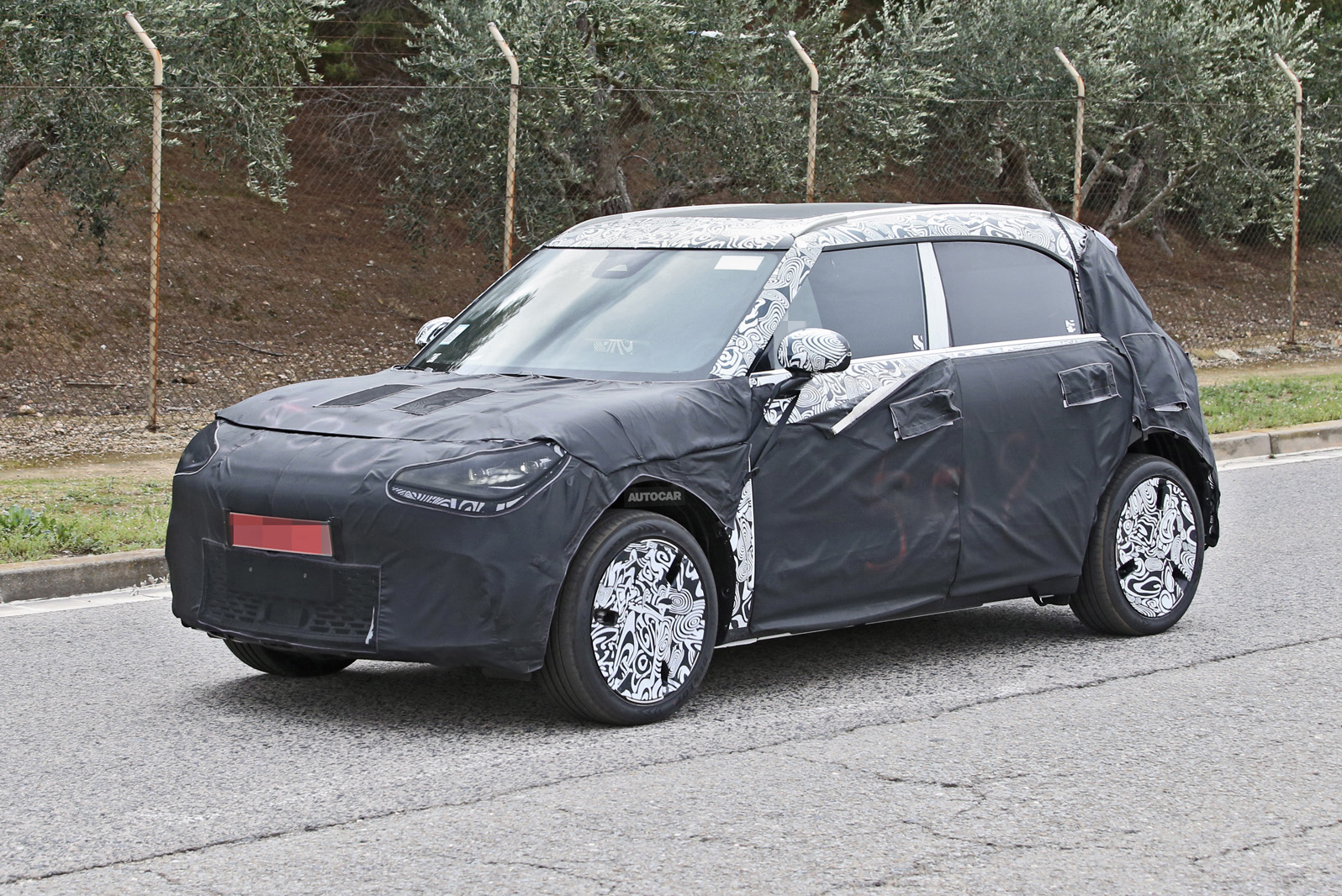
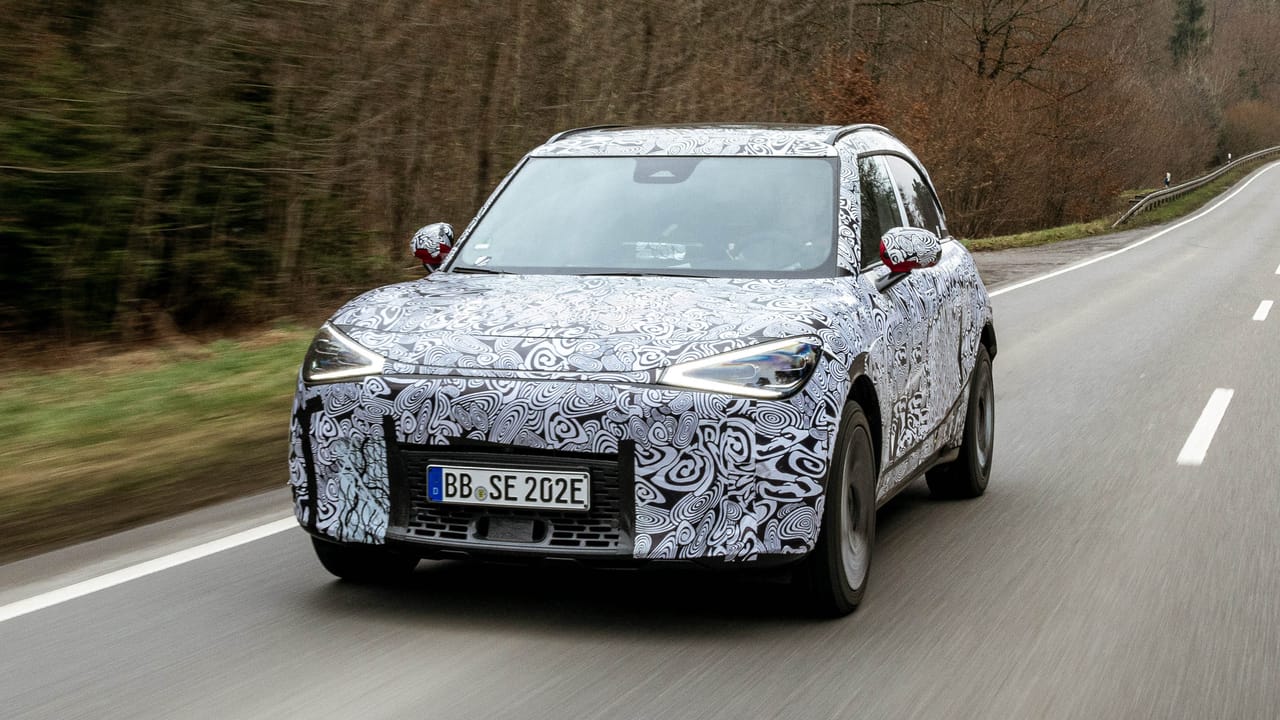
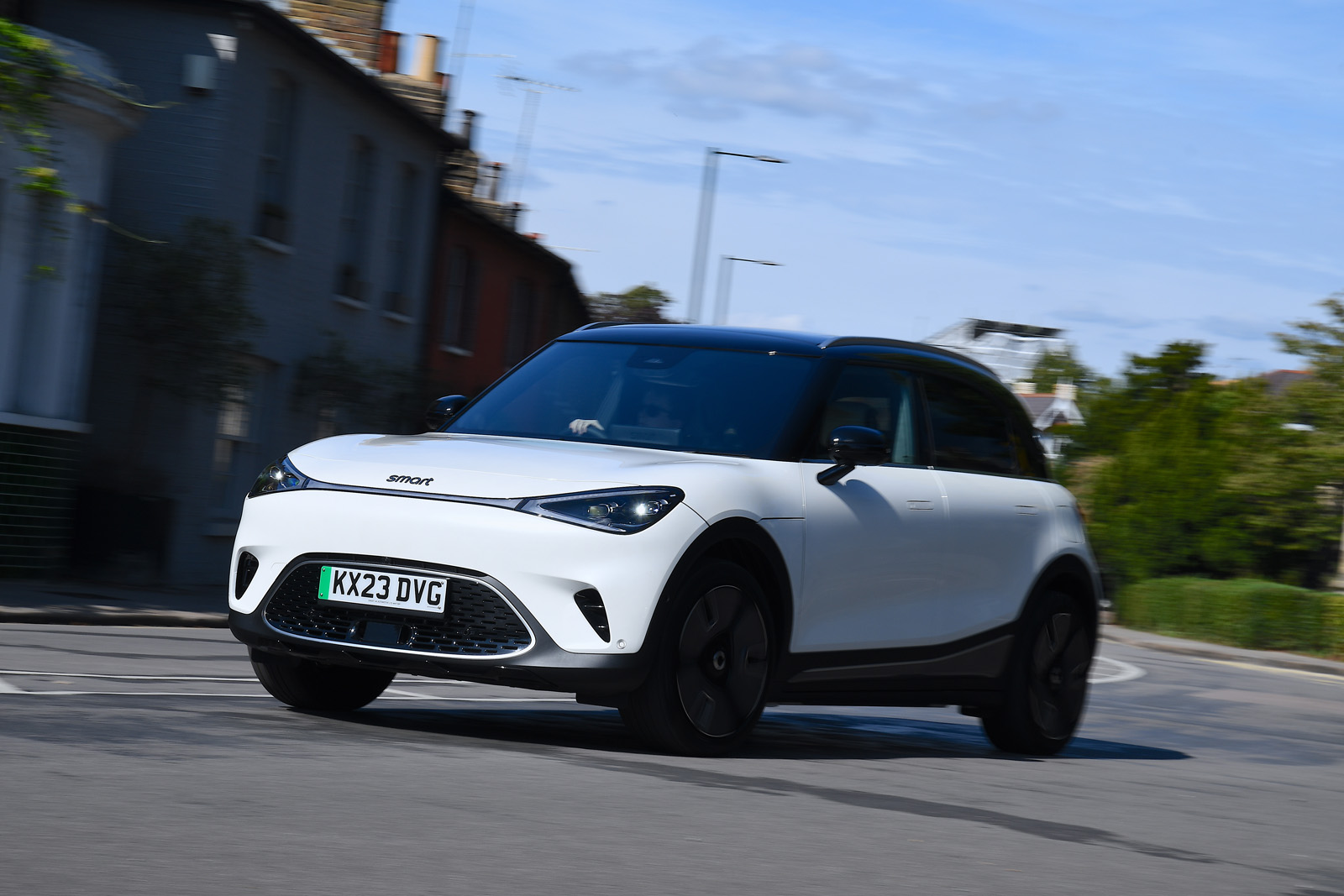
New Smart #1 is 268bhp spearhead for brand's all-EV relaunch
Mercedes styling and Geely underpinnings for the first in a wave of all-new electric Smart models
The reinvention of 28-year-old
Smart as a style-led electric mobility brand is officially under way, with the production version of the #1 arriving to take on a raft of established rivals in the burgeoning EV crossover segment.
Entirely unrelated to the previous
Smart Fortwo and
Smart Forfour EVs, it's the first new model from the brand since Chinese automotive group Geely came on board as a 50% stakeholder, taking half of the company from founder
Mercedes-Benz, in 2019. It's also the first all-new car to wear a Smart badge since 2014 and is described by the firm's Europe CEO, Dirk Adelmann, as "the nucleus of all things to come".
Barely altered visually from the concept shown at last year's Munich motor show, the first model in a wave of new Smart EVs is a premium-oriented crossover with dimensions and technical figures that line it up as a rival to the
Renault Mégane E-Tech and
Kia Niro EV. Importantly, however, Smart emphasises that a focus on maximising interior space results in a cabin comparable in size with that of the
Mercedes-Benz E-Class.
It is the first Europe-bound EV to use Geely's new SEA electric vehicle architecture – as first deployed on the Chinese-market
Zeekr 001 shooting brake and soon to provide the basis for an entry-level electric SUV from Volvo. The German and Chinese companies sharing management of the Smart brand have already outlined their respective responsibilities: Geely will supply the fundamental architectures and Mercedes will take care of design.
Mercedes chief design officer Gordon Wagener calls the new design language 'Sensual Product', adding that it is "grown up, cool and embodies beauty with smart solutions".
Certainly, the crossover's yet-to-be-homologated efficiency and range figures stack up agreeably against its competitors. Power is stored in a 66kWh nickel-manganese-cobalt battery that's good for a maximum range of 273 miles, while 150kW rapid-charging capacity means a 10-80% top-up can be completed in less than half an hour.
Prices now start at £31,950, undercutting rivals such as the Hyundai Kona Electric and Jeep Avenger

www.autocar.co.uk


 jalopnik.com