Solar Installation Quote - Please comment

Firmware upgrade on the Volta Stage 1 is easy, I have the software and making a cable for it is also straight forward.

They are excellent little batteries, ours runs flawlessly keeping our beach house off the grid when we are not there.
 
I went back to the installer to ask about the Solis S6 Pro 8K Advanced Hybrid inverter and to bump up the batteries and panels. He confirmed he doesn't have experience/training on the Solis brand and doesn't want to learn to do so at my house - I appreciate that. I've read a bit about the Volta 1 battery and the reviews/feedback is a mixed bag. I see @Rouxenator sharing info about fw upgrades (powerforum) but I see little else that puts my mind at ease about them. In the end I suppose I'm just paranoid. I asked him for other brands that he supports and he gave me Dyness, Shoto, Hina, Lemoen, Pylontech, SolarMd 14.3 kWh. Is there any particular order I should consider (performance vs support vs price)?
Take a look at the C rating of the battery. Go for 1 C.
 
I went back to the installer to ask about the Solis S6 Pro 8K Advanced Hybrid inverter and to bump up the batteries and panels. He confirmed he doesn't have experience/training on the Solis brand and doesn't want to learn to do so at my house - I appreciate that. I've read a bit about the Volta 1 battery and the reviews/feedback is a mixed bag. I see @Rouxenator sharing info about fw upgrades (powerforum) but I see little else that puts my mind at ease about them. In the end I suppose I'm just paranoid. I asked him for other brands that he supports and he gave me Dyness, Shoto, Hina, Lemoen, Pylontech, SolarMd 14.3 kWh. Is there any particular order I should consider (performance vs support vs price)?
Dyness, Pylontech, Shoto all good. The Shoto will have to be rack mounted, just something to keep in mind if you have wall mounting in mind.

SolarMD also good, but could be pricier.

No idea about Hina and Lemoen, but if I was buying something expensive, I definitely don't want it being called a lemon...
 
  • Like
Reactions: Yuu
9 months ago cost was 220K odd for a 8KW sunsynk with 2 5KW sunsynk batteries and 10 canadian solars 550W. now price is like this seriously gone down like anything wow
Tell me about it - 2 years ago I paid 262k all in for 8kWh Sunsynk, 9.72kWp and 20kWh FreedomWon battery (incl CoCT sign off, SSEG etc).

Prices have dropped drastically - but I console myself with the fact that my system is already about 1/3rd paid for itself and that I've had zero loadshedding.
 
Take a look at the C rating of the battery. Go for 1 C.
Beyond two batteries it becomes less relevant.

A 15 kWh bank will give you 7.5 kW at 0.5C, which is close enough to the 8 kW limit of the inverter (without AC passthrough).

A 20 kWh bank will give you 10 kW, which is more. The inverter will trip before the battery does...
 
Beyond two batteries it becomes less relevant.

A 15 kWh bank will give you 7.5 kW at 0.5C, which is close enough to the 8 kW limit of the inverter (without AC passthrough).

A 20 kWh bank will give you 10 kW, which is more. The inverter will trip before the battery does...
Totally, but OP's quotes have 1 or 2, where it's still an issue :X3:
 
Totally, but OP's quotes have 1 or 2, where it's still an issue :X3:
We've updated the quote to include 2 x Volta Pro Stage 1 batteries and also up'd the panels to 14 (from 10). The C rating for the battery is 1C (see below):

1709788748405.png

 
Hi all

I requested 2 quotes for a system that will support our current usage (CCT supplied, R2000/month, prepaid, we want to keep things going during LS, installation on a flat roof, etc.). The quotes are quite a bit apart, most notably because of the proposed hardware spec, number of panels, etc. For the first quote, the Deye 8kw inverter with 10 panels and 5kw batter was quoted. The price looks cheap considering it includes the engineer sign off, CoC, SSEG application, etc. I'm not sure what nasty surprises might be waiting down the line with this one.

View attachment 1670513

Quote 2 is higher, I'm putting it down to, among others, the proposed brand. What this quote excludes is the engineers sign off which is another R3500 - R4000. This bumps up the price quite a bit.

View attachment 1670517
View attachment 1670519
View attachment 1670521

My big question is, are these hardware prices realistic? Is the premium for Sunsynk or other known brands worth it? @RonSwanson and the rest of the panel - your thoughts?
I paid R28000 each for my 3 Volta batteries last year, so that price you are getting is making me cry.

They also come in 10.3 kWh
 
Updated quote. It's close to the budget limit but we still want to get anti-theft brackets for the panels if it isn't too expensive.

1709796772126.jpeg
 
Beyond two batteries it becomes less relevant.

A 15 kWh bank will give you 7.5 kW at 0.5C, which is close enough to the 8 kW limit of the inverter (without AC passthrough).

A 20 kWh bank will give you 10 kW, which is more. The inverter will trip before the battery does...
This is things people don't actually look at, they are like go for 1C cause I've heard it's better, but it's like in reality what can your inverter actually handle?
 
I have 10kwh storage at present. My next move will be to add another 10 to storage. I have a 10x550W array which should still cover that plus daytime usage. My ultimate at this point would be to add another 10 (30kwh total) which would then require a second string.

Batteries are tear-jerkingly pricey though.
 
technically battery A would be 200ah

to have a 10kwh battery in 100ah you would need 102.4v battery
and since most these systems revolve around 48/51.2v that tends to be the voltage

if the the first was a 102.4v battery to make it a 100ah battery then 3kw would represent 29.3a on that voltage vs the 58.59a on 51.2v system,


the sungrow i believe uses higher voltage batteries ie it has a voltage range and you could actually series batteries (salt don't know much about it)

you can use either ah or kwh
6 or half dozen, kwh just makes calculations easier as most devices are rated in watts
If my power consumption is 1kwh for the whole night , how big of a battery bank will I need?

Send me a link to that battery
 
I would need to add, add another string from the word go.
It becomes valuable when there are cloudy days ahead.
Even when cloudy days arrive who still get a good yield of power input.
 
If my power consumption is 1kwh for the whole night , how big of a battery bank will I need?

Send me a link to that battery
Damn you are frugal

You would have to add 10-20% for losses , inverter dependant

And if you don't want to go below 20% ad that as well

So you would need 1.5kwh i think

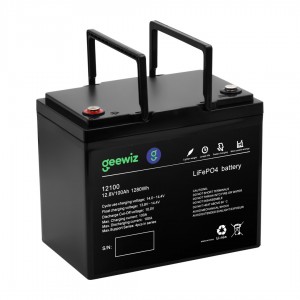
Unfortunately most batteries come in 1.28kw/2.56kwh except maybe the 80ah lallela so 2of them would give you 2kwh

So yea i would say 200Ah 12v lithium (or 2x100ah)


Or if you are going 24v inverter then 100ah 25.6v

This item is similar in price to other 100ah ie 20% free


When googling this is the cheapest 25.6v ones that pop up

If going 24v i would go single battery , otherwise you still have to add a balancer if doing 2x 12v in series

If 48v inverter lowest you can go is 5kw and still be able to use all 5kw capacity during spikes
 
Last edited:
If my power consumption is 1kwh for the whole night , how big of a battery bank will I need?

Send me a link to that battery

Just looked back in the chat to get more context

The battery does perform another function, if most of your load happens during the day

On those days where it is cloudy at times the power can cycle in/out of battery

So lets say the solar is at tmes more than you need and other times less then it can push power into batteries and pull from it when solar is less than you need

And on cloudy days you can be assisted from battery to avoid using eskom

The battery is key in getting most out of panels , for overnight udage and to be anle to absorb all the panels can push

But yea if most of the usage is in the day then you can get away with a way smaller battery

ie a single 5kw/h may be fine

But what notmally happens people put on extra panels to compensate from bad weather
And then on sunny days

There is a lot of potential power that is just lost

Having some dump load like an aircon or heater or whatever devices you have can be switched on to see what you can actually get out of the panels over a full day ( ie to get a nice boob graph) and then decide if you want to take the plunge to harness that via battery and use it on bad weather days, where eskom usage goes up
 
Dyness, Pylontech, Shoto all good. The Shoto will have to be rack mounted, just something to keep in mind if you have wall mounting in mind.

SolarMD also good, but could be pricier.

No idea about Hina and Lemoen, but if I was buying something expensive, I definitely don't want it being called a lemon...
I have a shoto and not impressed with the default protection voltage if the cells go out of balance the battery will abuse cels by allowing them to go 2.2v on the low side and up to 3.8--3.9 on the high side

It uses a seplos type bms which is similar to what is used in pylontech and many other batteries

If they all use the same crappy settings i would not know

Assume each programs their own settings

Maybe the firmware has also changed on newer shoto batteries, can only say what i see on my specific model

Most of these bms's have crappy balance currents

So paying a higher price for better quality control and cell matching may be a good idea

But even then if a problem arises it will take years to rear its head

Long enough for shoulders to be pulled up and some excuse used to weasel out of warrantee

Maybe i'm just too pesimistic
 
I would need to add, add another string from the word go.
It becomes valuable when there are cloudy days ahead.
Even when cloudy days arrive who still get a good yield of power input.
Best to do it now while there is low demand, prices are at an all-time low. Before we get stage 7 again and demand and pricing goes through the roof.
 
Top
Sign up to the MyBroadband newsletter
X