Spindle

I find that my washing machine's spin cycle at 1200 rpm leaves washing quite dry, even thick cloth like towels do not drip water. This machine of the OP seems to rely on the fins to lift the washing upwards, which is practically impossible if it's dripping wet, or had a spin dry on the standard 400rpm cycle.
ja ,ive never looked inside one of the domestic units ,but have repaired many Bokkies over the years and they spin much quicker than a wash machine ,just lengthen the spin cycle on washer and it will be the same probably .
 
No fins in this thing. It spins the contents and the centrifugal force removes the water.

To the OP - buy the bigger of the two options.
My bad, I meant to say scallops, not fins. I looked at the photograph and there seemed to be scallops pressed in the sides of the stainless steel drum, but after watching a video, I agree, the sides are all flat.

It may work better if it did have scallopy sides that lifted the clothes, but then manufacturing would be more expensive.
 
  • Like
Reactions: Pax
ja ,ive never looked inside one of the domestic units ,but have repaired many Bokkies over the years and they spin much quicker than a wash machine ,just lengthen the spin cycle on washer and it will be the same probably .
Looking at the specs, it's 2800 rpm. So it's just the centrifugal forces that extract the water. I would imagine that it would be good to do the spin at 2800RPM, and then combine it with a blower similar to that of a dri-Buddi, which many people swear by.

https://www.makro.co.za/appliances/...ennett-read-dribuddi-/p/000000000000307859_EA

Also, if it only uses centrifugal force, then clothes will definitely need an ironing, whereas the dri-Buddi would mitigate creases.
 
Do any of you have this? https://www.yuppiechef.com/spindel....campaign=3e254558-c790-4f3f-a741-eacc1e618cbf

I am keen on the electricity savings to be achieved.

How is this different from the spin cycle in your waching machine? It looks like just a spin dryer with some sexy marketing.

My question is if leaves clothing very wrinkled?

Yes, more spin = more wrinkles.

Assuming you're trying to save electricity over a regular tumble dryer (condenser type), the real way to get drying for less is a heat pump dryer. They work basically the same - circulate air in a closed loop, heat the air, blow through the drum collecting moisture, cool the air to release the moisture, heat the air again, etc. The difference is, the regular tumble dryer uses a regular element (like a heater/hair dryer/kettle) to heat the air, while the heat pump dryer uses, well, a heat pump. They typically use 1/4 to 1/3 of the power of a regular dryer. Cost more, but if you're a regular user, the savings will add up.

Or do what I do. Get one of these:
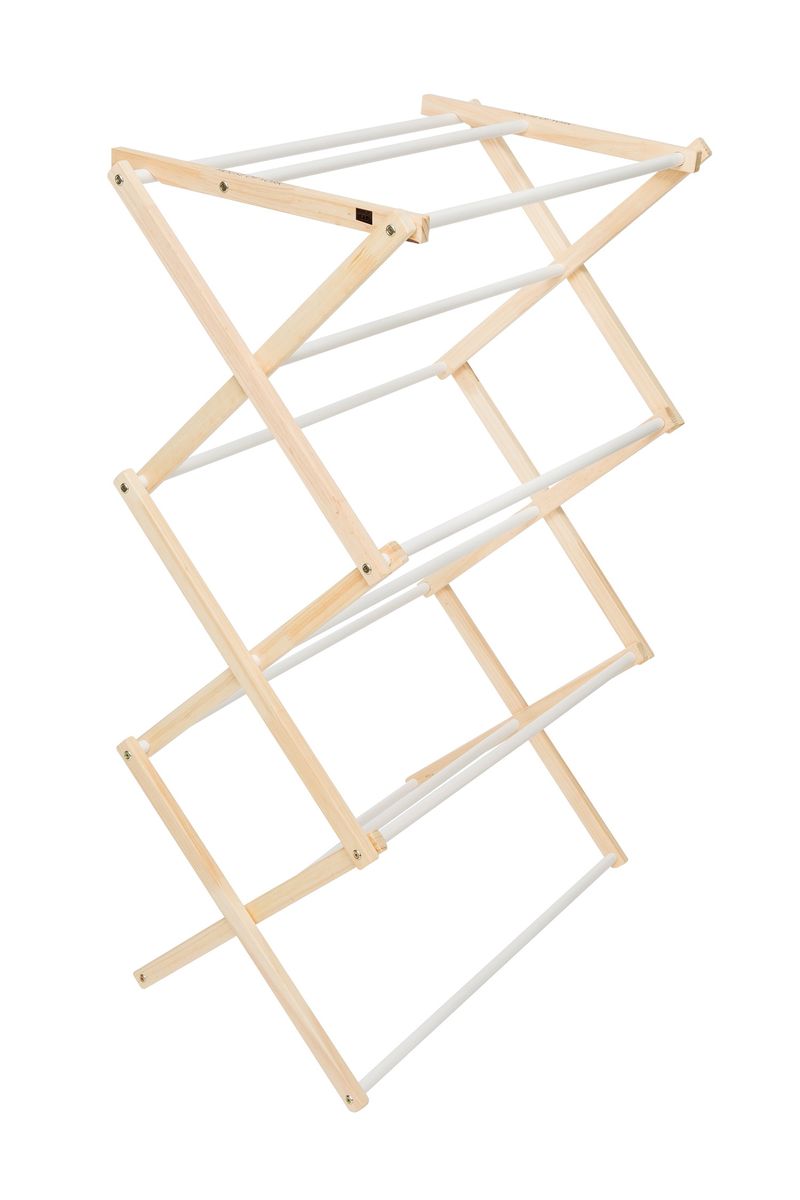
 
How is this different from the spin cycle in your waching machine? It looks like just a spin dryer with some sexy marketing.


Yes, more spin = more wrinkles.

Assuming you're trying to save electricity over a regular tumble dryer (condenser type), the real way to get drying for less is a heat pump dryer. They work basically the same - circulate air in a closed loop, heat the air, blow through the drum collecting moisture, cool the air to release the moisture, heat the air again, etc. The difference is, the regular tumble dryer uses a regular element (like a heater/hair dryer/kettle) to heat the air, while the heat pump dryer uses, well, a heat pump. They typically use 1/4 to 1/3 of the power of a regular dryer. Cost more, but if you're a regular user, the savings will add up.

Or do what I do. Get one of these:

Those just break. Get a metal one:
1712838194816.png
 
How is this different from the spin cycle in your waching machine? It looks like just a spin dryer with some sexy marketing.
Agreed,
Yes, more spin = more wrinkles.
After a 1200rpm spin in my washing machine's spindryer, the clothes are definitely mor wrinkled, and in need of ironing. Can't imagine what 2800 RPM is gong to look like.
I guess that its ok for underclothes and babies' nappies.
Assuming you're trying to save electricity over a regular tumble dryer (condenser type), the real way to get drying for less is a heat pump dryer. They work basically the same - circulate air in a closed loop, heat the air, blow through the drum collecting moisture, cool the air to release the moisture, heat the air again, etc. The difference is, the regular tumble dryer uses a regular element (like a heater/hair dryer/kettle) to heat the air, while the heat pump dryer uses, well, a heat pump. They typically use 1/4 to 1/3 of the power of a regular dryer. Cost more, but if you're a regular user, the savings will add up.
Agreed
Or do what I do. Get one of these:

Plus a fan FTW :D
 
walk down and use the communal ones

if you got a balcony buy one for there

use the smaller clothes dryer and keep it outside your front door
There are no communal ones
I have a small one - not nearly enough space for all the washing
 
Looking at the specs, it's 2800 rpm. So it's just the centrifugal forces that extract the water. I would imagine that it would be good to do the spin at 2800RPM, and then combine it with a blower similar to that of a dri-Buddi, which many people swear by.

https://www.makro.co.za/appliances/...ennett-read-dribuddi-/p/000000000000307859_EA

Also, if it only uses centrifugal force, then clothes will definitely need an ironing, whereas the dri-Buddi would mitigate creases.
Add me to the dri buddy fan club. Life saver!
 
Top
Sign up to the MyBroadband newsletter
X