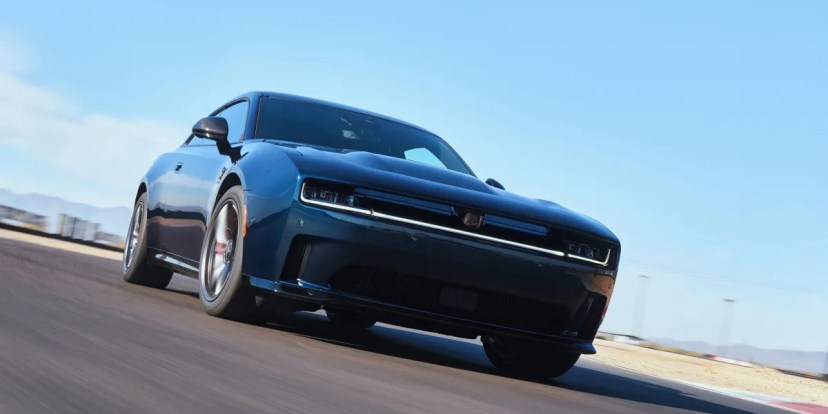
Stellantis begins testing solid-state batteries in electric Dodge Charger
Automotive manufacturers have promised us a future filled with better, longer-lasting batteries for electric cars, and solid-state technology is the absolute pinnacle of these promises - the holy grail for EV engineers. Not to be left behind in the global race, Stellantis has officially taken this advanced technology out of the research lab and put it onto public roads, but instead of showcasing this high-tech battery inside a small, sensible city car, the manufacturer chose a heavy, high-performance American muscle car to act as the mobile laboratory.
The company installed a prototype solid-state pack into a specially prepared Dodge Charger Daytona development vehicle. This unique car is now participating in a rigorous real-world road-testing and calibration program. The electric muscle car might look ready for the streets, but consumers cannot buy this version at a dealership anytime soon. Stellantis created this vehicle purely as a technology demonstrator to evaluate how the new battery cells perform under everyday driving conditions, meaning mass production remains several years away.
Stellantis is working closely with Factorial, an American battery manufacturer based in the state of Massachusetts. Factorial is not a household name among general consumers yet, but the company enjoys serious financial support from the biggest names in the automotive industry. Global giants such as Mercedes-Benz, Hyundai, and Kia have all invested serious money into Factorial, joining Stellantis in a race to bring next-gen EVs to the global market.
The prototype Dodge uses Factorial's specialized solid-state cells, which replace the liquid or gel electrolytes found in conventional lithium-ion batteries with solid materials. This technical shift alters the fundamental rules of battery design. By using a solid structure, engineers can pack significantly more electrical energy into a much smaller and lighter space, addressing the main complaints that global consumers have about modern electric cars, specifically heavy curb weights and limited driving ranges.
The raw specifications of the new cells highlight why major car companies are investing billions of dollars into solid-state research. Factorial reports that its cells achieve an energy density of up to 375 Wh/kg - this exceeds the capabilities of standard batteries found in today's mass-market electric vehicles. Additionally, the prototype cells can charge from a 15 percent state of charge up to 90 percent in 18 minutes.
Extreme weather conditions cause major problems for traditional electric vehicles, reducing driving range and slowing down charging speeds. The new solid-state cells show remarkable resilience against harsh weather, operating without any issues in temperatures ranging from a freezing -30°C to a scorching 45°C.
Stellantis has launched a real-world testing program for Factorial's advanced solid-state battery technology using an electric Dodge Charger Daytona.

www.arenaev.com