The Fisker Thread

Europe critical to Fisker’s success, says CEO Henrik Fisker

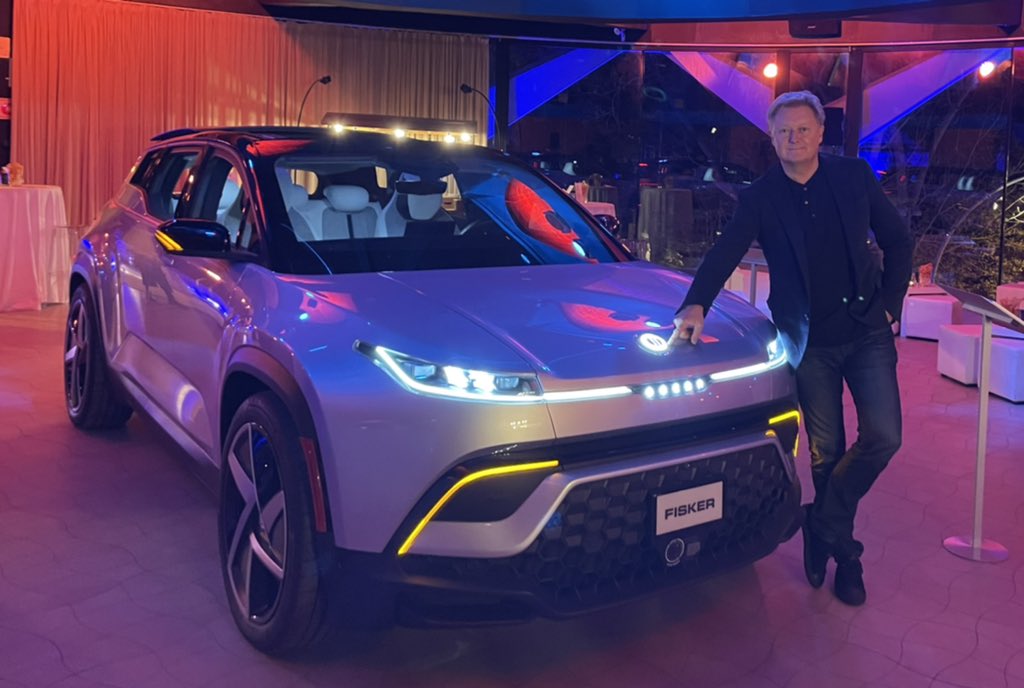
Autocar speaks to Henrik Fisker at the European debut of the firm's all-electric Ocean SUV

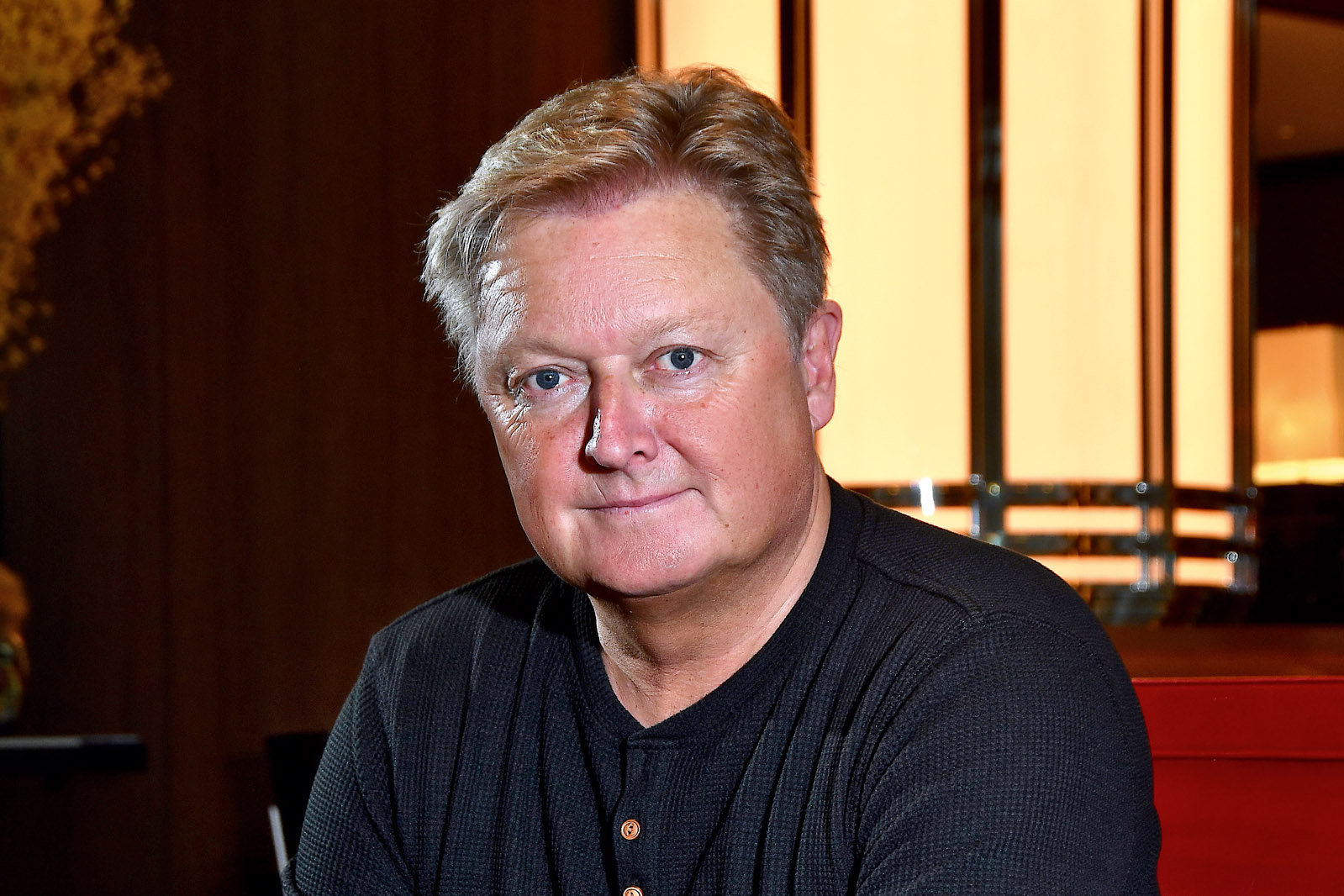
Henrik Fisker has “quite big expectations” for the all-electric Fisker Ocean SUV, the firm’s CEO has told Autocar at the 2022 Mobile World Congress.

Fisker claims Europe will be “critical” for the car and the success of the firm, and forecasts up to 50% of its overall volume will be sold in Europe. The firm also hopes to ship around 60,000 sales in Europe within the next two to three years.

“I think 60,000 would be a huge success. We have been building our marketing/sales team – they’re based in Munich,” said Fisker, who wants to move further onto the continent.

“Right now, our three top countries are Denmark, UK and Norway. We’ve got to get into the middle of Europe and really start doing some commotion and getting the vehicle out there.”

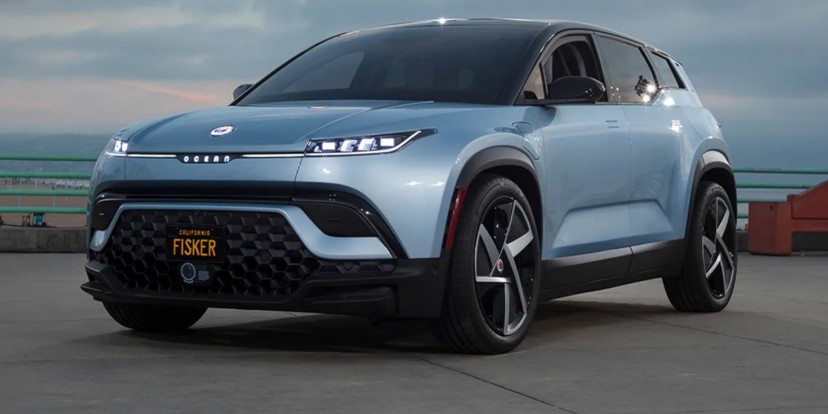
Fisker says the Ocean will appeal to European customers because of its range, size and pricing. The model boasts a maximum range of 390 miles with its largest battery.

“Europe has been slow for EV adoption and having lived in Europe, many live in smaller villages. You have to drive to bigger cities or other locations, so you want that freedom of the range,” Fisker told Autocar.


B95084EB-CF67-4CDA-BCFE-713562BD31FA.jpeg
 
Henrik Fisker’s radical plan to take on Tesla

After a brave foray into electrification ended in glorious failure, the designer is back with his Ocean SUV

Henrik Fisker’s idea of a decent hotel breakfast is three fried eggs on a large plate, sunny side up.

This much I discovered when I met the Danish-born, Californian-based EV entrepreneur in a Park Lane hotel last week – right before he jumped on a flight to Austria to review 47 Fisker Ocean prototypes that his Graz-based manufacturing partner, Magna Steyr, had just finished building. After that, he was off to Barcelona, Spain, where the Ocean was making its European debut at the Mobile World Conference.

Our time together was necessarily short, but what struck me was how efficiently Fisker could eat and talk at the same time – which seemed a neat metaphor for the speed-to-market philosophy that he believes will make his all-new £35,000 electric SUV successful when it goes on sale before the end of this year in five mainland European markets and the US, and then in the UK during 2023.

Even this breakneck progress with the Ocean is very far from the end of the Fisker Inc story, it turns out. Fisker wants to have launched four EV models by the end of 2025, and they won’t be what he dismisses as “sausage” models, resembling one another closely, but firmly distinctive designs aimed at disparate parts of the model matrix.

However, the Ocean is the pioneer in all this. It has been created and brought to the start of production in just over two years, specifically to minimise the time lag that usually affects the implementation of digital technology in cars, compared with much faster progress in the sphere of communications equipment.

“It’s almost as if the car industry decided 50 years ago that developing a model takes four and a half years and always will,” says Fisker. “That kind of interval means in-car tech for a new model has to be chosen three or four years before the model goes into production. It’s something younger buyers just won’t tolerate. Our aim is to make them feel, as they once did, that the car is an important flag carrier for technology. We have to do this if we want to be successful.”

 
Rule-breaking Fisker Pear to anchor four-model line-up

Compact entry-level model should be the best-selling Fisker when it arrives by 2023

The Fisker Ocean will soon stand at the head of a four-model Fisker line-up, all due to be revealed by 2025.

Designer and CEO Henrik Fisker plans to put one million Fisker-badged EVs on the road between now and 2027 and will expand the company further to become a million-a-year car business beyond 2030.

Next to arrive in 2023 will be Fisker’s eventual biggest seller, the Pear (for Personal Electric Automotive Revolution). He said it’s a rule-breaking car, already designed, that will be built in a formerly dormant GM US factory in Ohio once capable of making 500,000 cars a year.

Fisker’s partner on the Pear is mammoth Taiwanese technology group Foxconn, which will own the Pear factory and take charge of manufacturing while Fisker retains control of design and engineering, as it does with the Magna-built Ocean.

Described by Henrik Fisker as “the kind of car Apple would make for a life in a megacity like London or Los Angeles”, the Pear will have a base price of $29,900 (roughly £22,500) and be about 4500mm long. But “it doesn’t look like an Ocean or anything else”, he said.

 
Fisker plans to have 4 models on the market in 4 years

Fisker Ocean is not going to feel lonely for too long, the automaker announced plans to increase its lineup to 4 models. The plans are bold, with the Ocean to be followed by Pear, a new compact EV that Fisker wants to see on the road in 2023. The Ocean has only been unveiled, with first deliveries expected later this year. The car has been received very well by the public, if we were to judge by the tens of thousands of reservations Fisker claims to have received.

Fisker has a partner for manufacturing all the future models, the Ocean will be made in Austria at Magna Steyr factory in Graz. These guys are heavy players - they developed the 4Matic all-wheel drive system for Mercedes, they manufactured all the 4Matic Mercedes E-class models up to 2006 as well as all BMW X3s e83 and Aston Martin Rapide cars.

If that’s not enough then how about Mercedes G class? Graz has been its home since 1979, BMW 5 series is made there as well as BMW Z4, Toyota Supra, Jaguar I-Pace and E-Pace. So Fisker is in a really good company, we can expect high quality and high volumes from the start. Unlike other EV manufacturers, there are no new factories being built, this is outsourcing at its best.

 
2024 Fisker EV sports car promises world-beating range

Sports car will become third model in American EV maker's line-up, following Ocean SUV and compact Pear

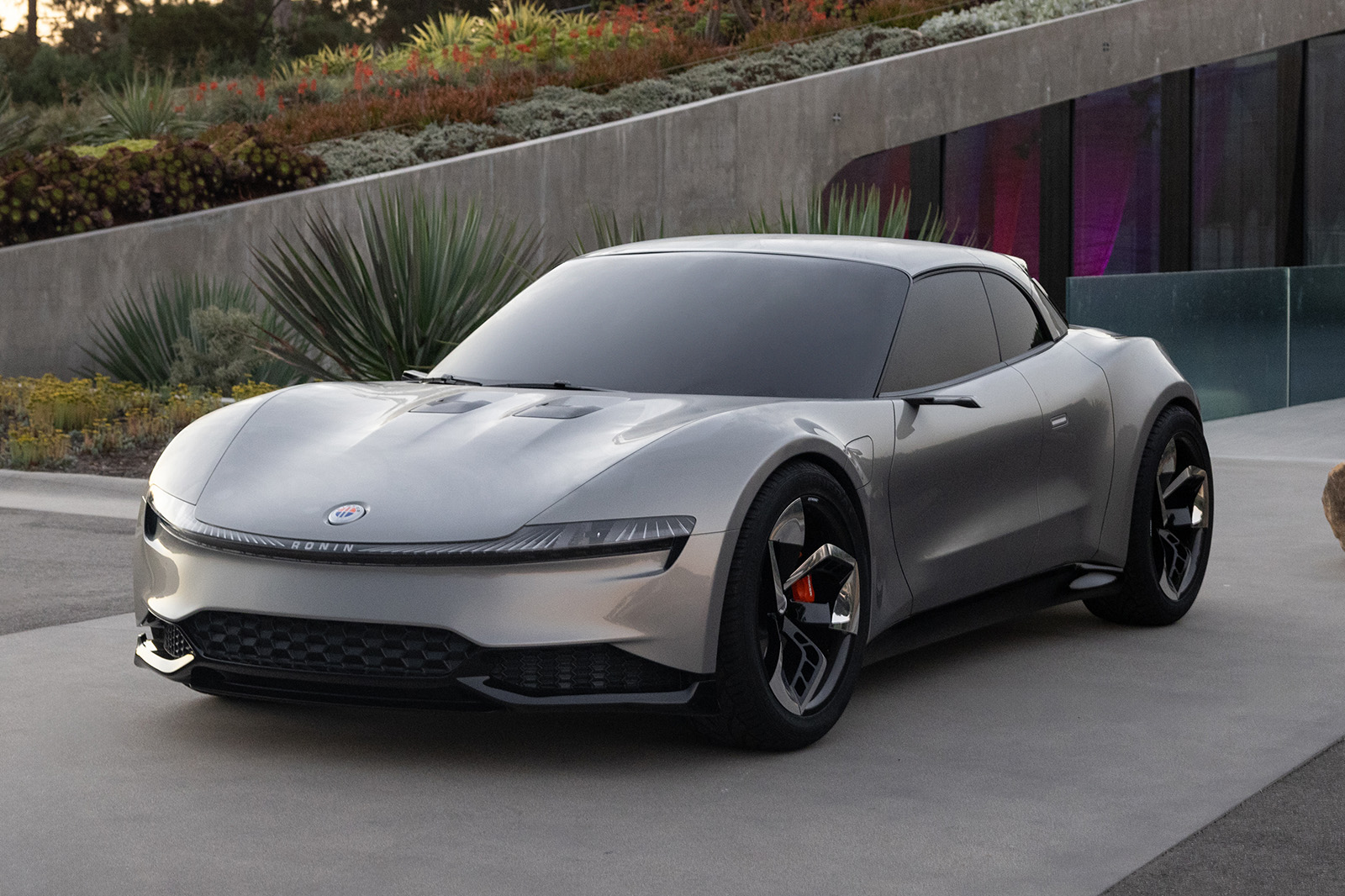
Fisker has confirmed it will reveal an electric grand tourer sports car in 2024, which it claims will have the longest range of any production EV.

Codenamed Project Ronin, the model will become the third in the American brand's line-up, following the Fisker Ocean SUV and Fisker Pear compact car.

The GT will be developed at Fisker Magic Works, the recently announced UK engineering centre led by former Aston Martin special projects chief Dave King.

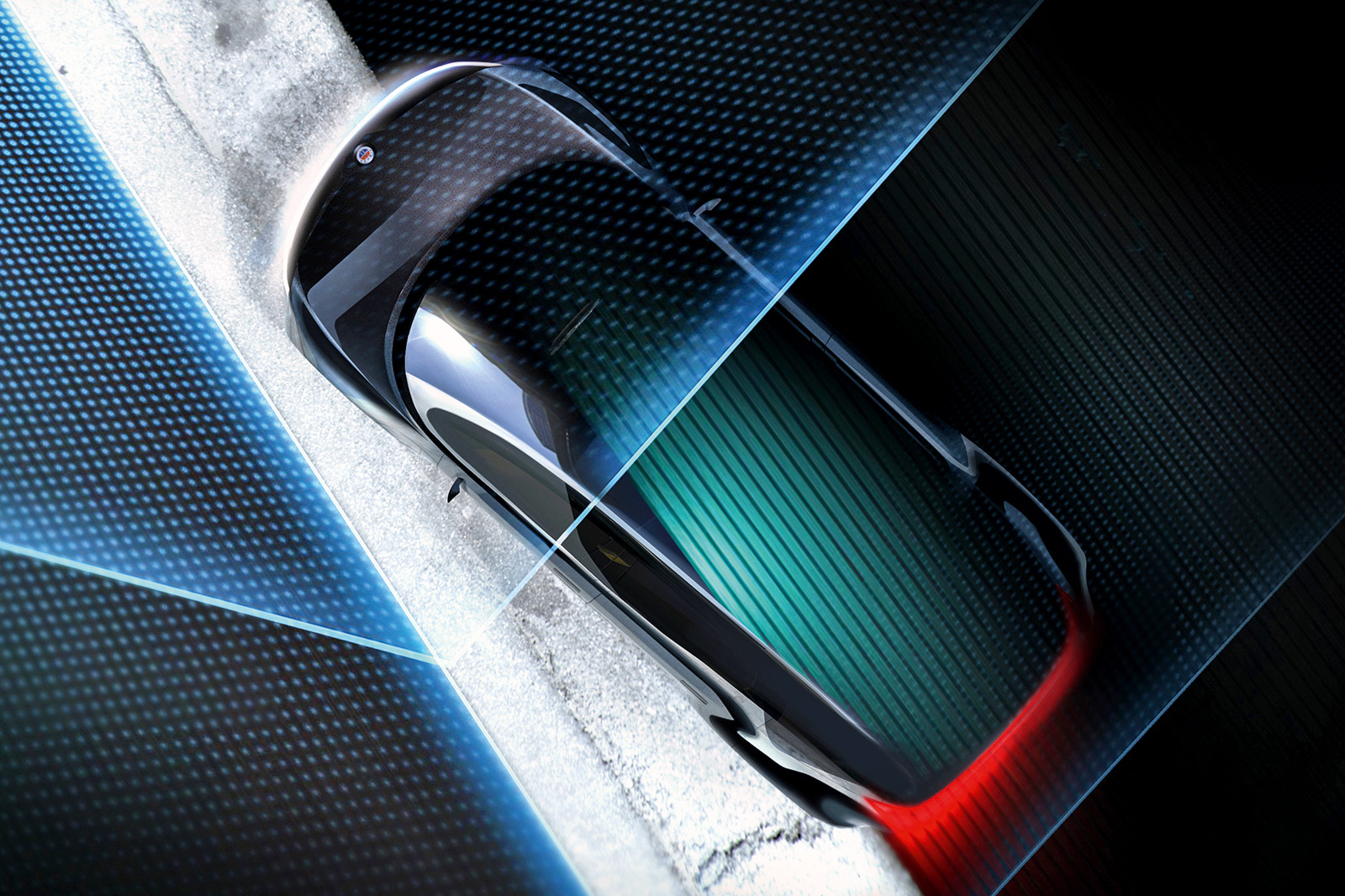
In a single image released today, Fisker hinted that the Ronin will be a two-door four-seat GT with a long, sloping bonet.

The owner of the California-based start-up, Henrik Fisker, said the Ronin will have advanced, lightweight materials and focus on range, performance and overall driving experience.

It will also feature active aerodynamics and an innovative battery design, with the pack integrated into the structure of the vehicle.

Fisker promises it will have the spirit of “a proper British sports car” and described it as “a redefinition of a luxury sports car of the future”.

It will feature unique doors and a vegan interior with an “advanced design”.


Snip.jpeg
 
Project Ronin is Henrik Fisker’s new electric sports car

And yes, it’s named after *that* film with *that* world-class car chase scene

Ronin is essentially an extended, world-class car chase scene with some hokum about special ops personnel and a briefcase tacked on to qualify it as a film. A fine place to start then, for Henrik Fisker’s new product.

Meet Project Ronin: the third car to emerge from Fisker Automotive (after the Ocean SUV and Pear city car) codenamed after Frankenheimer’s 1998 stone-cold classic. It’s a fully electric GT car, built with “long road trips” for four human adults and their luggage in mind.

Indeed, Fisker wants Project Ronin to offer the longest range of a production electric car when it arrives. Work started last year, with a brief to “use the most advanced, lightweight materials”. Special focus has also been given to performance and the “overall driving experience”.

We’re told it’ll bear active aero tech, and an “innovative” battery design packaged into the structure of the car. As befits an exciting new electric GT, the interior will be vegan friendly, while the doors are “unique” and will offer better ingress and egress. Better than what, one wonders.

 
Fisker Ronin will have the highest range in the world

Henrik Fisker announced that the company will unveil the latest addition to its growing range of - the Ronin GT. By the time it goes into production in 2024, it will be the third vehicle from Fisker, following Ocean SUV and Pear - small compact EV. Ronin will be developed at Fisker Magic Works, the engineering center responsible for special projects.

Ronin will be the first Fisker to introduce a structural battery pack and will offer 550 miles of range - that’s 885km which by today's standards is a lot but in 2 years time this well may be an average number.

The design will focus on active aerodynamics and it will follow “the spirit of a proper British sports car” according to the owner of the company. On the inside the car will come with vegan interior, it will sit 4 people and will have “unique doors” - looking at the enhanced photos we suspect it’ll be a design similar to BMW i3 with smaller rear doors opening from the middle of the car, “suicide” style.


Fisker Ronin is electric four-seat convertible with 660-mile range

Company CEO confirms to Autocar that UK-developed Ronin will be unique in its positioning

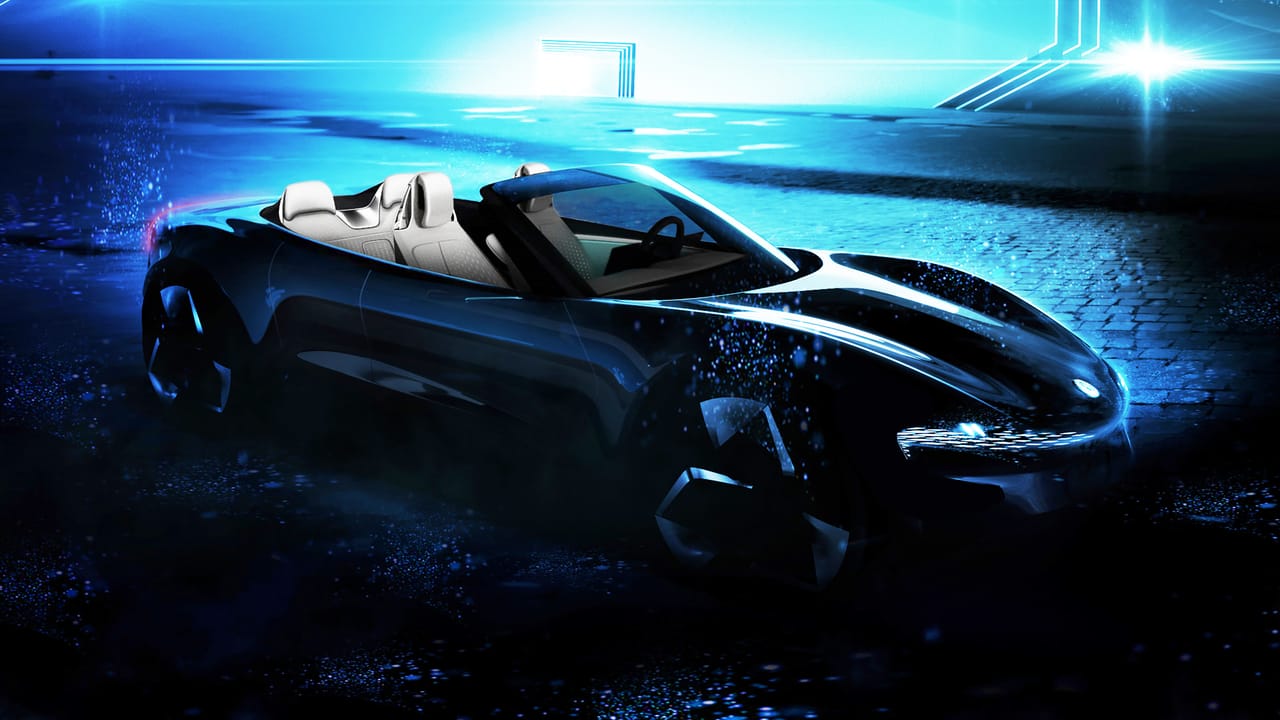
US firm Fisker's new Project Ronin electric sports car promises a range bigger than any EV on sale – and will be unique in its positioning as a four-door convertible.

Company founder and CEO Henrik Fisker has revealed to Autocar that the Ronin – which is being developed by Fisker's new Magic Works facility in the UK, run by ex-Aston Martin special vehicles boss Dave King – will be a 'four-door EV luxury sedan' with an opening roof.

This, he explained, is "a big challenge" because "it needs a unique, innovative, strong lower rocker structure to compensate for the lack of a B-pillar, to be able to sustain side impacts". There are no electric, four-door convertible sports cars currently on sale, but German firm Wiesmann last week revealed its new Project Thunderball, a two-door roadster with 671bhp and a 2.9secs 0-62mph time.

A new preview image of the car shows the Ronin with its top down.

 
Henrik Fisker teases firm’s new EV sports car, the Fisker Ronin

Fisker is a small electric vehicle manufacturer based in California. The marque was founded in 2016 by Henrik Fisker and has since debuted two electric vehicle platforms, the Fisker Ocean and Pear. An Instagram post from Henrik Fisker’s profile teased the firm’s next nameplate, the Fisker Ronin. According to the post, it will be the firm’s first dip into the electric gt sports car scene, but we’ll only see a prototype in 2023.

In terms of details, Fisker’s post dignity provides much more than what the car would cost, its claimed range, and when we would see the prototype. What we do know at the moment is that it will be a “high-tech electric GT sports car”. It would have a battery pack integrated into the car’s architecture as a means of improving its efficiency and reducing the overall weight of the car. Henrik Fisker has previously worked for Tesla as a design consultant, as well as an auto designer for BMW and Aston Martin.

The car is expected to have a range of roughly 885 km which would trump – in terms of overall range – already established electric vehicles such as BMW’s iX M40, the Tesla Model S, and Mercedes-Benz EQS. These are just claims, so take everything with a pinch of salt. Alongside an ambitious range is the equally ambitious pricing. Fisker stated that the expected pricing for their new EV will start “just under $200k” which would set the estimated price of this car somewhere around R3 million. That’s Porsche Taycan GTS territory and a little bit more than the Audi e-tron GT.

 
New 2024 Fisker Pear is affordable, agile urban EV

Fisker releases new image of its second model, which will sit alongside the larger Ocean

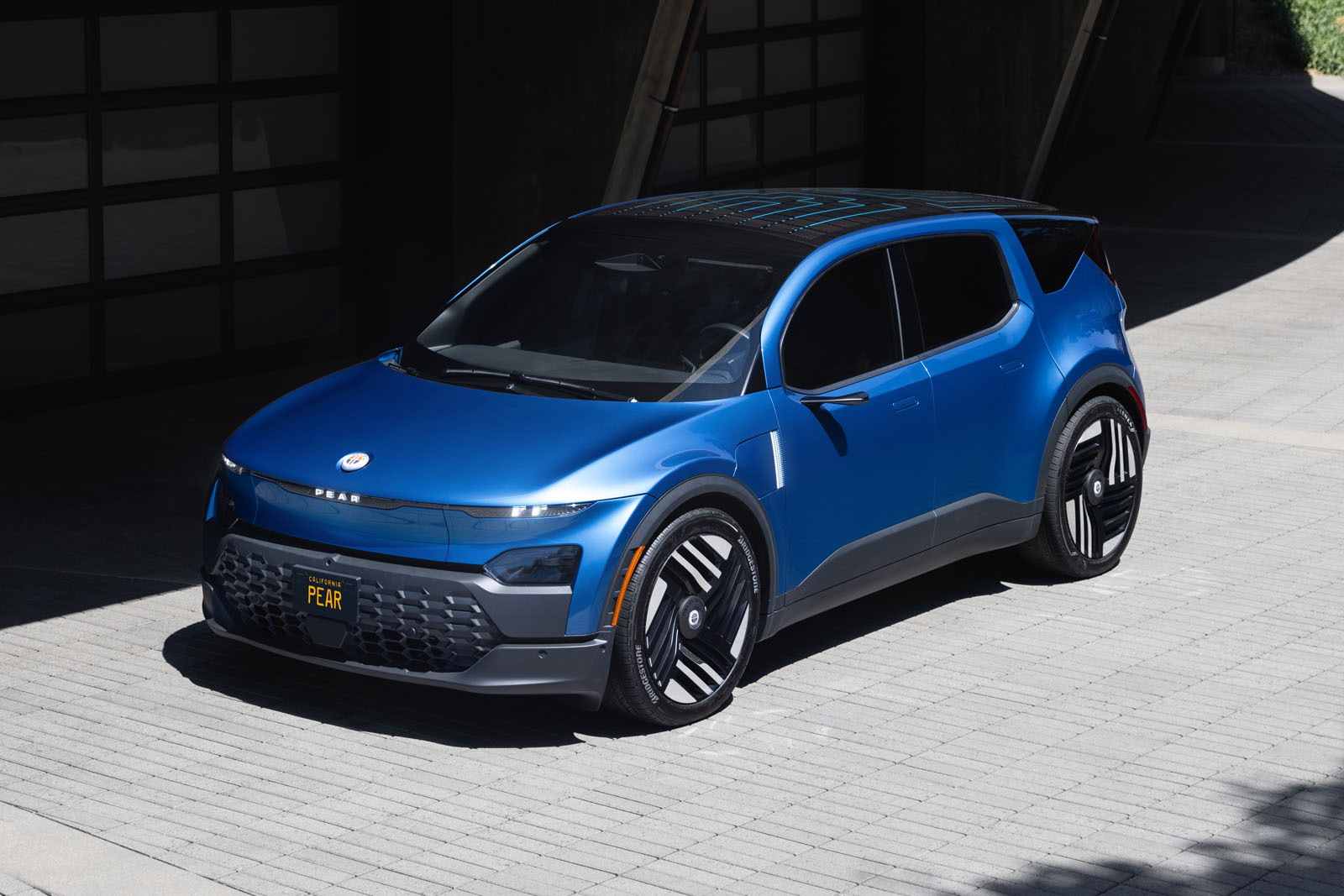
California-based Fisker will follow up the 2023 Ocean SUV with a five-seat urban EV called the Pear, which will go on sale in the US in 2024 from $29,900 (£22,000).

The name stands for Personal Electric Automotive Revolution, hinting at Fisker's ambition for the new model to be among the more accessible EVs on the market.

Like the larger Ocean, which will make its European debut later this month ahead of a launch next year, the Pear is claimed to combine "sustainability, technology and design into a digitally connected" package.

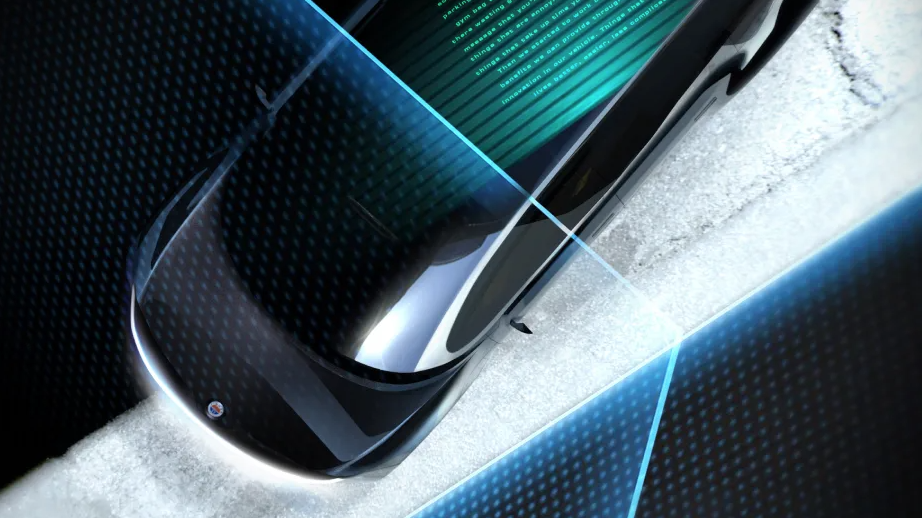
A top-down image gives little away, design-wise, but flared arches and wraparound light bars will be shared with the Ocean.

Its positioning as an "agile" urban-oriented proposition suggests Fisker is lining it up as a rival to cars like the Renault Zoe and Mini Electric. The firm says "sporty driving" and "clever storage" will be among its defining features.


EF5EB901-285F-4E31-A4B3-EA91E4928A74.jpeg40FC1688-6DE5-44E9-B56B-ECE14D44F6CD.jpeg
 
Fisker Pear will start below $29,900 and will be made in Ohio

After the Fisker Ocean secured over 45,000 pre-orders and sold out its entire 2023 production the automaker is planning to begin production of the smaller model - Pear. The Pear will be manufactured at the famous Lordstown plant recently acquired by Foxconn who will be solely responsible for the production of the smallest Fisker.

With Ocean Fisker only planned to make 40,000 per year, but Pear is going to be a large volume vehicle with 250,000 expected to be made every year once the production gets to full speed. The car will have numerous new designs and solutions for the automotive industry. Like a wrap-around windscreen inspired by aeroplanes that helps increase visibility. Another new solution will be different lighting design - at this stage we are not sure what that means, we’ll just have to wait and see.

 
This is our first look at the 2024 Fisker PEAR

It’ll be built in the US, and Fisker has confirmed that prices will start below $29,900

A couple of weeks ago, Henrik Fisker announced plans to build an all-electric four-door convertible with the longest range of any production electric car. It has been christened Project Ronin, and apparently the production version will be ready in 2024.

Let’s bring it back down to earth for a second, though, because there’s another Fisker project in the works with a 2024 deadline, and this one is a little more real-world. We first learnt about the PEAR (Personal Electric Automotive Revolution) back in February, but only now are we seeing a glimpse of it for the first time.

Is it an SUV? Is it a crossover? Is it a bog-standard hatchback? Who knows. Henrik says: “The PEAR will be a revolutionary electric vehicle that won’t fit into any existing segment. The exterior design will feature new lighting technology and a wraparound front windscreen inspired by a glider plane glass canopy, enhancing frontal vision.”

Previously we’d been told that the PEAR would be an “agile urban EV”. Sounds – and looks – rather wild at the moment, doesn’t it?

 
Fisker Promises the 2024 PEAR Will Be the Cheapest Electric SUV You Can Buy

The company is shooting for a base price below $30,000 on this all-electric crossover.

Fisker is attempting a huge expansion in a short amount of time. After announcing plans to make a four-door convertible with the longest range of any production EV (600 miles!), the company now says it will offer the cheapest all-electric SUV you can buy, starting in 2024. It’s called the PEAR — for Personal Electric Automotive Revolution. Yeah, I know.

The PEAR has been out there as a concept for awhile, though Fisker has not released any real images of the actual vehicle. (Also, apparently well over 1,000 people have put in reservations for the car, which they have never seen.) Recently, the company announced that this second model after the Ocean will have a targeted starting price of $29,900. Foxconn will build the SUV for Fisker at the Lordstown plant in Ohio; the automaker says it expects to build 250,000 PEARs a year when things are up and running. Lofty goals, for sure. We'll have to see.

If this all pans out, the PEAR will indeed be the cheapest all-electric SUV you can buy in the U.S. Right now, the most affordable EV utility vehicles on our market are the Hyundai Kona EV which starts at $34,000, the Chevy Bolt EUVwhich starts at $34,495, and the nearly pointless Mazda MX-30 at $33,470. Every other electric SUV or crossover is priced beyond $40,000.

 
Fisker PEAR shows up again - will be unveiled soon

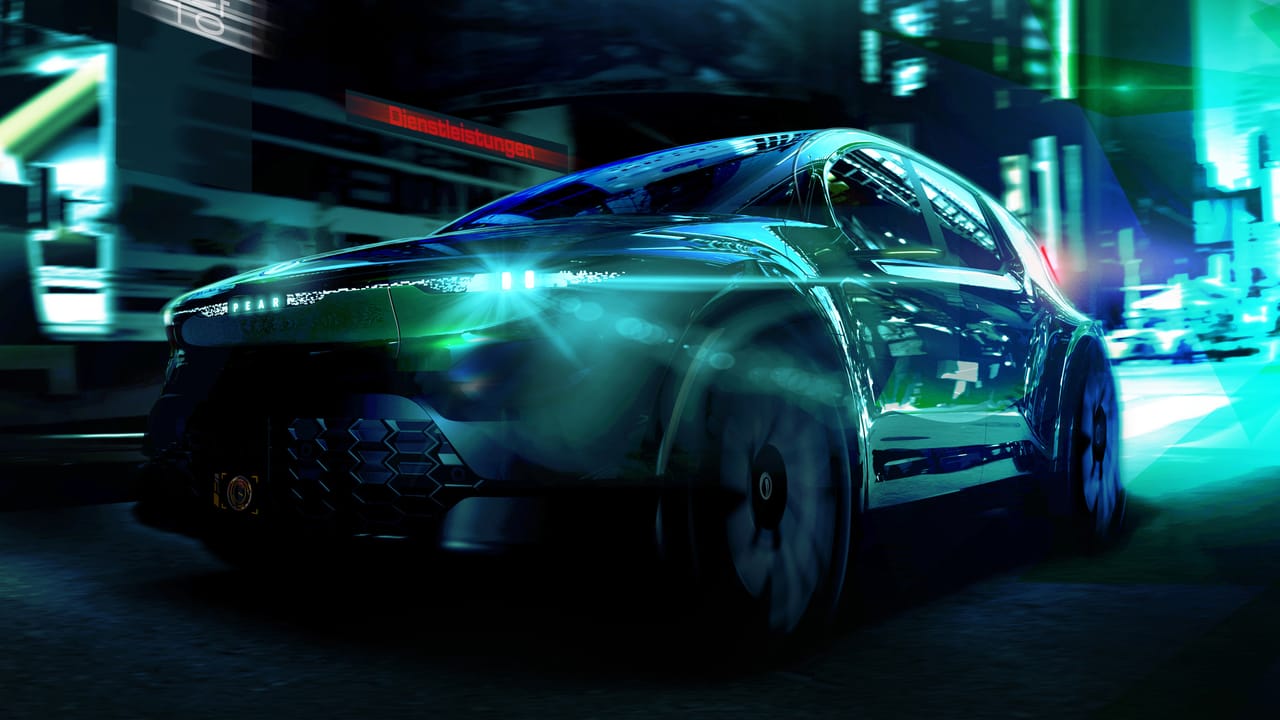
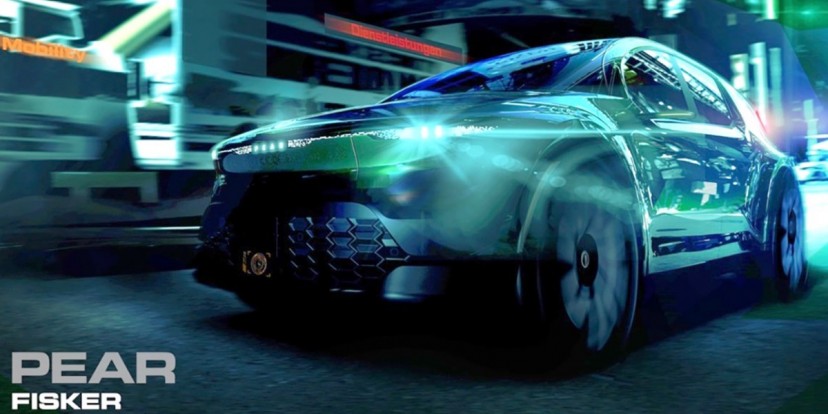
Two weeks after showing the first image of the upcoming entry model from Fisker, the company CEO is teasing it again. This time we get to see a more detailed photo of the front of the car with super narrow LED headlights and we can clearly see the mirrors have been replaced by cameras.

The company opened order books for Pear in February and it reported that within the first 10 days it had 1,500 reservations, unfortunately the current number is unknown. Henryk Fisker, the company CEO, is keeping the potential customers excited by releasing teasers from time to time and, since he left Twitter after news of Elon Musk’s takeover of the platform, he is focusing his efforts on Instagram.

https://www.arenaev.com/fisker_pear_shows_up_again__will_be_unveiled_soon-news-325.php

https://www.instagram.com/p/CeBZ17LLslp/

Snip.jpeg
 
BMW US Plant Executive joins Fisker to help it scale up

Fisker’s global manufacturing will be get a new head - Alpay Uguz, a longtime BMW executive who led the Bavarian automaker into the Chinese market and most recently was in charge of the BMW’s Spartanburg plant in South Carolina.

Mr Uguz will take over officially on July 14 and will report directly to Henrik Fisker, the CEO of the company. Ahead of him is not an easy task - scaling up the production all the way to 1 million units per year by 2027. Fisker Ocean enters production in November and its entire next year’s stock has been already booked.

The new Senior Vice President of Global Manufacturing will focus on new and lean manufacturing techniques to reduce the number of parts involved in the process. It seems everyone is paying attention to Tesla’s Giga Casting approach.

 
Fisker Ocean set to debut at the Pebble Beach Concours

 
Fisker goes radical with Pear EV SUV

New sub-£28k Fisker Pear EV will be a “futuristic little space shuttle” with many unique features

With the Fisker Ocean SUV on track to enter production in Austria early next year, the US electric vehicle start-up is shifting attention to the development of the smaller, US-built Pear city car – which, it says, is crucial to its ambitious growth plans.

The Fisker Ocean is a Tesla Model 3 rival due to land in the UK in around a year’s time, having made its public debut at this year’s Festival of Speed.

Meanwhile, the Pear (Personal Electric Automotive Revolution) is a much more compact and affordable proposition. (A starting price of less than £28,000 has been mooted.) Company boss Henrik Fisker told Autocar the Pear “is the vehicle that ultimately will take us to a million vehicles – we hope – per year, in 2027.”

 
Top
Sign up to the MyBroadband newsletter
X