The SA Vehicle Industry Thread

Yes, getting poorer from an expensive German car is much better than getting poorer from a less expensive Indian or Chinese made car.
People who buy and drive expensive german cars will never move to Chinese and Indian brands by choice.

People who own and drive middle class brands like VW, Toyota and Ford may consider Indian or Chinese if finances dictated.

But having once run a Chinese vehicle in our fleet.... Never again..... I'd rather buy a good second hand Ford, Isuzu, Toyota bakkie.....
 
People who buy and drive expensive german cars will never move to Chinese and Indian brands by choice.

People who own and drive middle class brands like VW, Toyota and Ford may consider Indian or Chinese if finances dictated.

But having once run a Chinese vehicle in our fleet.... Never again..... I'd rather buy a good second hand Ford, Isuzu, Toyota bakkie.....
There was a time people were saying that about Chinese phones, now it's my Huawei mate this, Huawei mate that, not saying Chinese cars won't give you issues but don't get stuck on tradition, you'll miss out on good things.
 
I have also found that people are very accommodating when it comes to tolerating trouble from mainstream car brands, but they lose their minds over a French, Chinese or Indian car.
 
SA new-vehicle sales in January 2021: 'gradual recovery' continues

Naamsa says the “gradual monthly recovery” of South Africa’s new-vehicle industry continued in January 2021, though sales were still 13,9 percent down year on year.

The organisation said aggregate domestic sales at 34 784 units reflected a decline of 5 629 units (or 13,9 percent) from the 40 413 vehicles sold in January 2020.

Export sales, meanwhile, recorded a second consecutive month of “solid growth” in January 2021, ending 39,7 percent up on 22 771 units. Naamsa said this “current upward momentum” in vehicle exports “bodes well for a much-improved performance this year”.

Overall, out of the total reported industry sales of 34 784 vehicles, an estimated 28 716 units or 82,6 percent represented dealer sales, an estimated 11,4 percent represented sales to the vehicle rental industry, 3,5 percent sales to government and 2,5 percent to industry corporate fleets.

 
2021 SA vehicle sales get off to a slow start, but growth is anticipated

There’s no denying that 2020 was a gloomy year for the motor industry, just as it was for the rest of the economy as the strict Covid-19 related lockdowns both here and abroad took their toll.

South African vehicle sales plunged by 29.1 percent versus 2019, and this certainly wasn’t off a high base given that the local market has been shrinking since 2013, albeit at a much smaller annual rate.

Although the first month of 2021 did not get off to the best start, with an overall year-on-year decline of 13.9 percent, the National Automobile Association of South Africa (NAAMSA) said that this was in line with industry expectations.

For the record, it was passenger cars that registered the biggest decline, falling by 18.0 percent versus last January, while the bakkie and LCV picture was a bit more encouraging, with this sector seeing a decline of just 4.9 percent.

 
New car sales in SA: January 2021

The first month of the year is generally when households are most under pressure financially. How did our first January under Covid-19 lockdown conditions go down? We sift through the numbers.

January saw a decline in overall car sales that was in line with what Naamsa experts expected. The slow recovery is still in progress though as the numbers continue to trend upwards (from the huge dip in April and May last year). The LCV market continues to defy the massive sales bleed of Covid-19, showing that buyers of bakkies and taxis are still replacing or renewing vehicles regularly and that leisure vehicle buyers are taking bakkies more seriously as everyday vehicles.

Exports continued to grow during January on the back of huge local investments from most of the big players in the local automotive manufacturing industry.

New car sales summary for South Africa - January 2021

* Aggregate new vehicle sales of 34 784 units down by 13% compared to January 2020.

* Passenger car sales of 23 853 units down by 18% compared to January 2020.

* Light Commercial Vehicle (LCV) sales of 9 301 units down by 4.9% compared to January 2020.

* Exports of 22 771 units up by 39.7% compared to January 2020

 
Ford to switch to Google's Android operating system from 2023

Ford has announced a new “strategic partnership” with Google that will see the Blue Oval brand’s vehicles switch to the Android operating system from 2023.

The Dearborn-based firm furthermore named Google Cloud its preferred cloud provider as part of the six-year partnership.

Ford and Google will also establish a new “collaborative group” called Team Upshift, conceived to leverage the “talent and assets of both companies” and “push the boundaries of Ford’s transformation”.

From 2023, the company says Ford and Lincoln customers “globally” will start to benefit from the Android operating system, complete with built-in apps and services such as Google Assistant, Google Maps and Google Play.

 
South Africa’s 10 best-selling automotive brands for January 2021

Now that Naamsa has released its publicly available industry report for January 2021, we can take a look at the 10 best-selling automotive brands for the month.

As a reminder, the report now includes only brand aggregate sales and export numbers, and no individual model sales figures.

For the record, Naamsa said new-vehicle sales in January 2021 showed a 13,9 percent drop compared with the same month in 2020, ending up on 34 784 units. Export sales, meanwhile, registered a year-on-year increase of 39,7 percent at 22 771 units.

In January 2021, Toyota again found itself at the top of the table with 9 033 units registered locally (plus 3 300 units exported), while the Volkswagen Group (including the Audi brand) was next in line with 5 857 units, along with a whopping export figure of 6 942 units.

South Africa’s 10 best-selling brands for January 2021

1. Toyota: 9 033 units (plus 3 300 exports)
2. Volkswagen Group: 5 857 units (plus 6 942 exports)
3. Ford: 2 687 units (plus 1 958 exports)
4. Hyundai: 2 622 units
5. Nissan: 2 038 units (plus 315 exports)
6. Suzuki: 1 861 units
7. Renault: 1 400 units
8. Mercedes-Benz SA: 1 300 units, estimated (plus 5 205 exports)
9. Kia: 1 256 units
10. Isuzu: 1 098 (plus 233 exports)

 
WATCH LIVE: Ford SA to make big investment announcement on Tuesday, 11:30am

Ford Motor Company of Southern Africa is set to announce a “significant investment in its South African operations” at 11:30am on Tuesday, February 2, and you can watch it live via the YouTube link below.

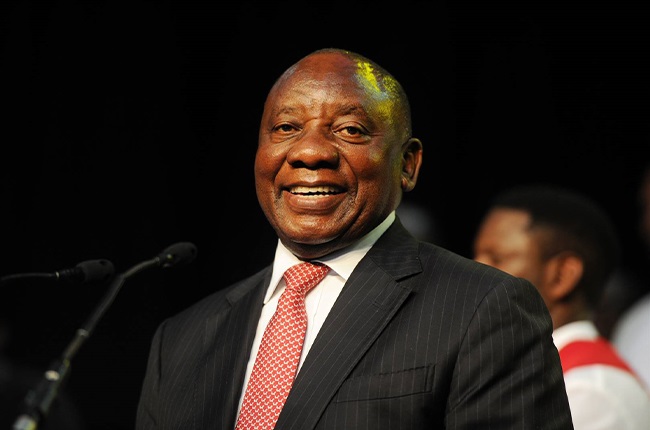
Ford says the briefing will include a keynote address by President Cyril Ramaphosa, as part of his annual oversight visit to the Tshwane Automotive Special Economic Zone (TASEZ), which is located adjacent to Ford’s Silverton Assembly Plant.

Ford SA hasn’t released any further specifics, however it is likely that the company will announce that it has invested in the production of the next-generation Ranger bakkie, once again for both local consumption and export, at its Silverton plant in Gauteng.


When can we buy a Prim8?
three-wise-monkeys-not-see-not-hear-not-speak-vintage-engraving-three-wise-monkeys-money-ears-eyes-mouth-not-see-not-hear-126194264.jpg
 

Ford announces R15.8 billion investment to build next Ranger in South Africa​

PRETORIA - South Africa’s motor manufacturing industry is set for yet another boost, with Ford Motor Company of Southern Africa having announced on Tuesday that it will invest R15.8 billion to upgrade its Silverton plant in Gauteng as it prepares to build the next-generation Ranger bakkie for both local and export markets.

This comes after Toyota announced last week that it planned to build the Corolla Cross in SA from later this year.

 
Ford invests R15,8bn to build next-gen Ranger (and Amarok) in SA!

Ford has announced a fresh $1,05-billion (R15,8-billion) investment into its South African operations, with the next-generation Ranger bakkie confirmed for local production.

Andrea Cavallaro, director of operations for Ford International Markets Group, made the announcement during a press briefing at the Tshwane Automotive Special Economic Zone (TASEZ), which is located adjacent to Ford’s Silverton assembly plant.

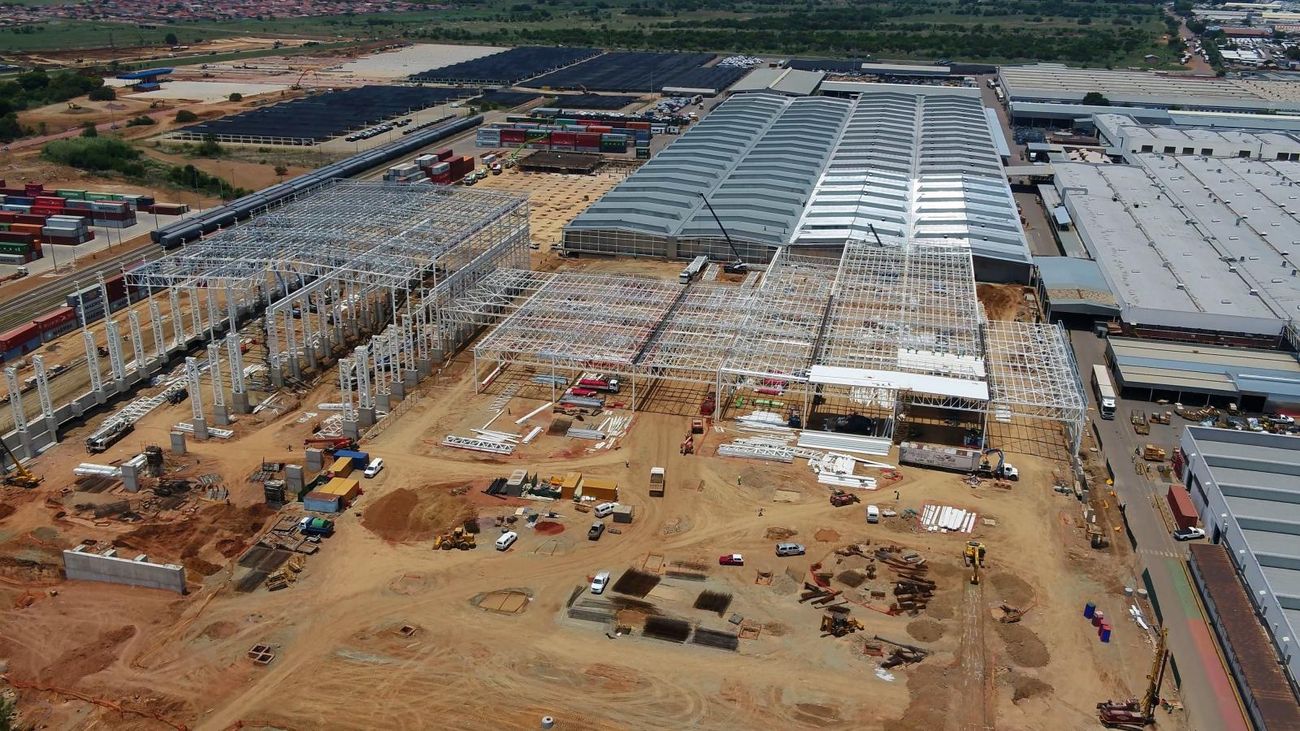
The investment includes R10,3-billion for upgrades to the Silverton factory, with production volume set to increase from the current 168 000 units a year to more than 200 000 units. A further R5,5-billion will be invested in vendor tooling at Ford’s major supplier factories.

 
Ford to invest a further R15.8 billion into SA

Ford South Africa is set to invest over $1 billion in upgrading its Silverton manufacturing plant. A resulting 10 000 jobs will be created by this project.

Ford South Africa currently builds the Ranger bakkies and Everest models in SA. The current Ford plant services both the local market as well as the export market and is one of 5 plants around the world which produces the Ranger.

With the new Ranger set to be revealed in 2023, Ford has taken the opportunity to both upgrade its plant technology as well as building new facilities. The new facilities will introduce state-of-the-art manufacturing technologies and in-depth employee training that will ensure that the new Ranger is a top quality product. This will turn the Silverton plant into one of the biggest manufacturing plants Ford has outside of the United States.

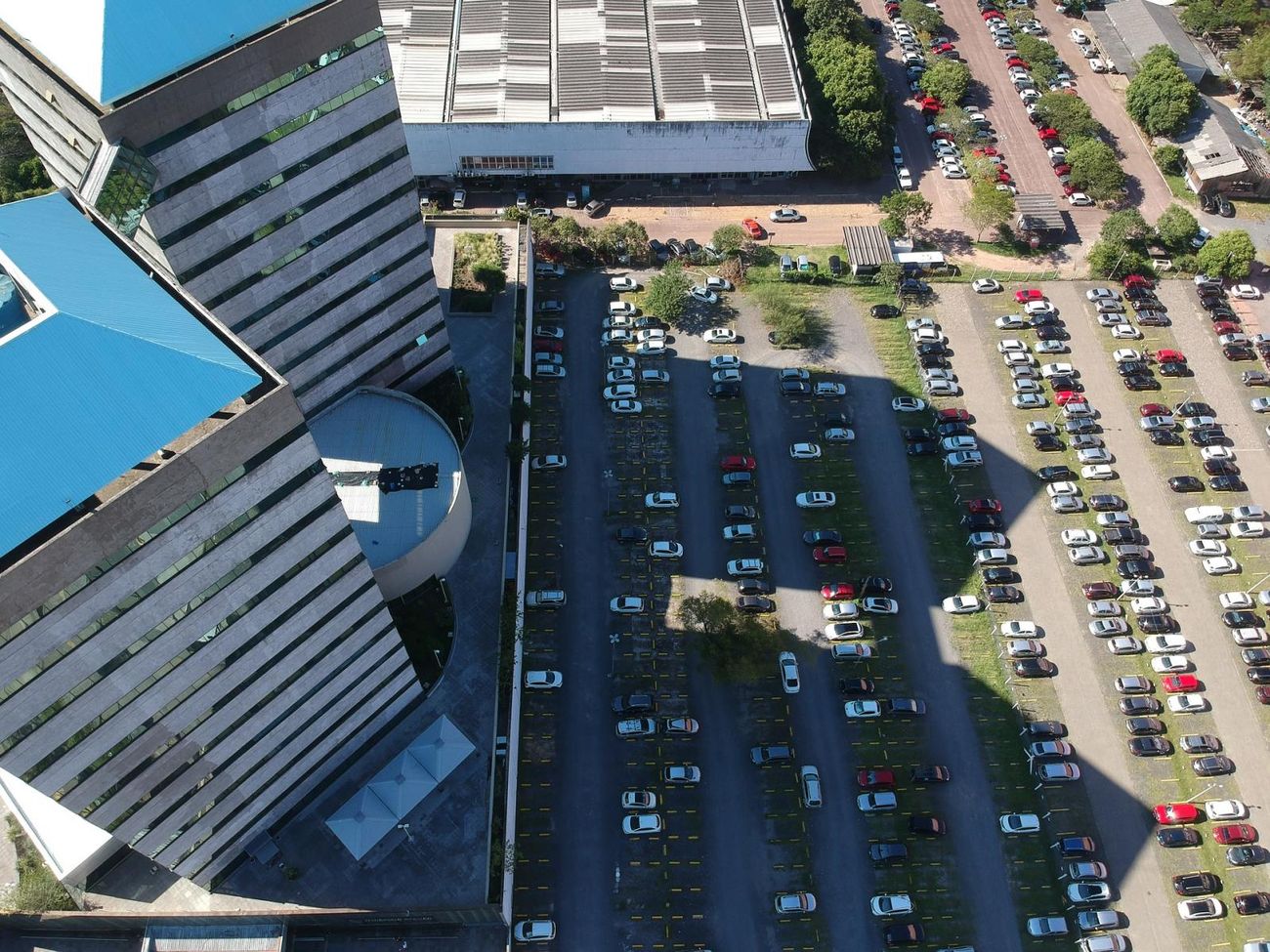
The plant will also be energy self-sufficient plant by 2024 thanks to projects such as a solar panel laden outdoor parking lot which Ford employees use as sheltered parking on a daily basis.

 
Ford invests R15,8bn to build next-gen Ranger (and Amarok) in SA!

Ford has announced a fresh $1,05-billion (R15,8-billion) investment into its South African operations, with the next-generation Ranger bakkie confirmed for local production.

Andrea Cavallaro, director of operations for Ford International Markets Group, made the announcement during a press briefing at the Tshwane Automotive Special Economic Zone (TASEZ), which is located adjacent to Ford’s Silverton assembly plant.

The investment includes R10,3-billion for upgrades to the Silverton factory, with production volume set to increase from the current 168 000 units a year to more than 200 000 units. A further R5,5-billion will be invested in vendor tooling at Ford’s major supplier factories.

L
 
Here's how long Toyota SA's boss thinks ICE will remain mainstream

The head of Toyota South Africa Motors says he expects internal combustion engines to remain “mainstream” for at least the next decade.

Speaking during the recent State of the Motoring Industry 2021 address, Toyota SA Motors president and CEO Andrew Kirby suggested all-electric cars would not make much of dent in local market volumes for a number of years.

“Full electric vehicles will remain at a premium, so the value proposition is always going to be a struggle for South Africa and Africa,” Kirby said.

“I think within the next generation of vehicles – so, up to ten years – we don’t see fully electric vehicles as being mainstream in terms of volume. So ICE [internal combustion engines] will be with us for quite a while.”


Snip.JPG
 
The end of empire for VW

If Germany’s largest car company hopes to survive, it will have to change rapidly, because it can no longer afford to treat its supercar brands like vanity projects.

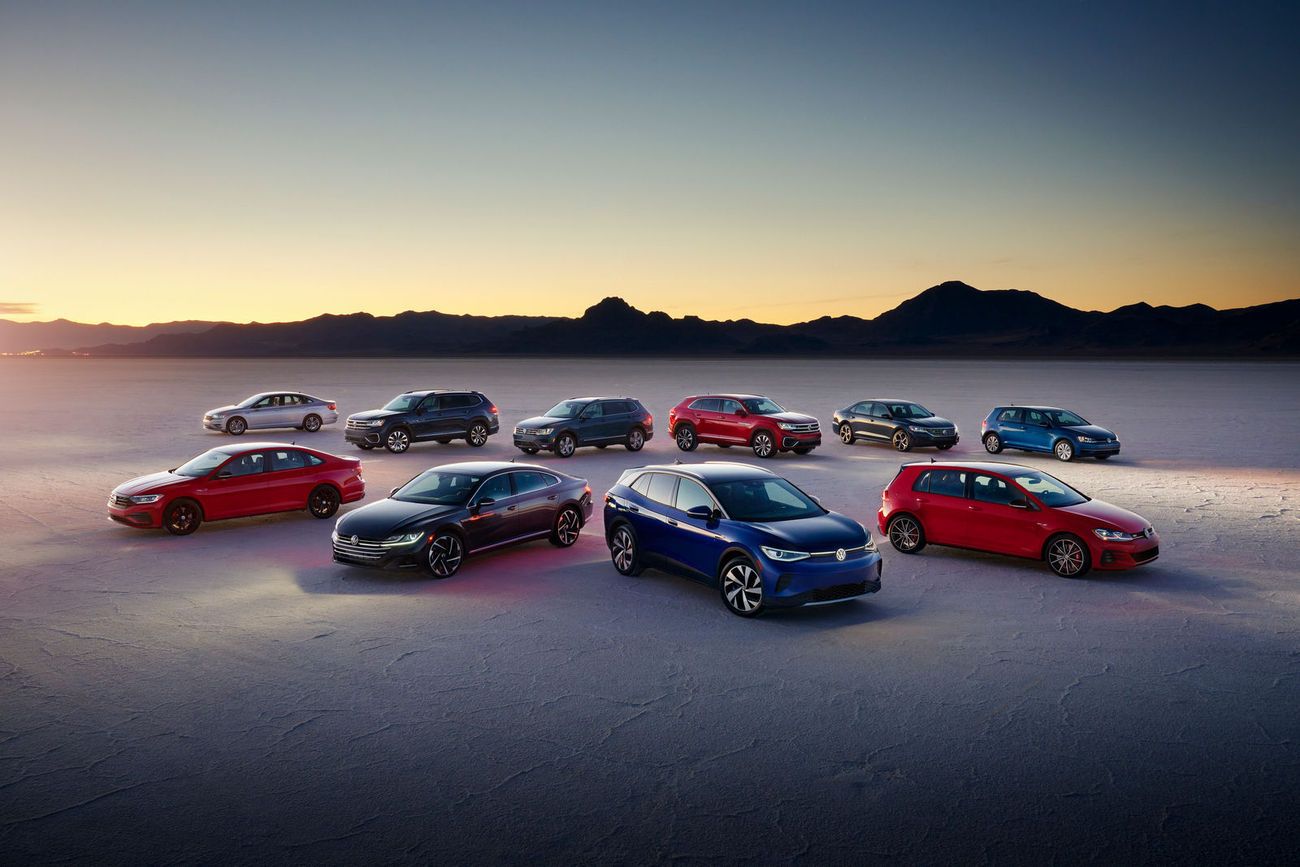
There is no automotive conglomerate with a more compelling portfolio of products than the Volkswagen Group. From the Amarok to the Up, and everything in between, the group's organogram is unrivalled.

Volkswagen (VW) was not always dominant, mind you. In the early 1990s, it was struggling to rival Japanese compact cars from Toyota and Honda for design inspiration and build quality.

By the early 2000s, however, it owned Bugatti, Bentley and Lamborghini. Perhaps most impressively, VW had elevated the Golf to a popular premium product, something that most marketing experts once considered impossible...

 
Top
Sign up to the MyBroadband newsletter
X