


-
- News
-
Categories
- 5G
- ADSL
- AI
- Banking
- Black Friday
- Broadband
- Broadcasting
- Business
- Business Telecoms
- Cellular
- Cloud and Hosting
- Columns
- Cryptocurrency
- Energy
- Enterprise
- Fibre
- Gadgets
- Gaming
- Government
- Hardware
- Industry News
- Internet
- Internet of Things
- Investing
- IT Services
- Motoring
- Reviews
- Science
- Security
- Smartphones
- Software
- Technology
- Telecoms
- Trending
- Wireless
- Press Office
- Forum
- Industry News
- What's Next
- Company hub
- Speed Test
- About us
- Advertise with us
- Contact
- Careers
-
Join the MyBroadband community
South Africa’s biggest forum. Discuss, discover, and connect with thousands of members.
-
Question of the Day: Museums you've been to, would recommend, or want to go to?
- Forums
- General discussions
- Motoring and Transportation: Cars, Bikes and Plane
- General Motoring News and Reviews
You are using an out of date browser. It may not display this or other websites correctly.
You should upgrade or use an alternative browser.
You should upgrade or use an alternative browser.
The Tesla Model 3 Thread
- Thread starter FiestaST
- Start date
FiestaST
Honorary Master
FiestaST
Honorary Master
Tesla considers building own lithium refinery in Texas
Not a day goes by without lithium or Tesla being in the news, Tesla is not alone in the struggle to secure raw materials for battery production. The supply itself is not an issue, apparently we have plenty of lithium around the world. The issues are more geo-political than technical, there are serious ethical issues surrounding many of the lithium mines as well.
For the global auto industry to achieve the de-carbonization goals set by the governments it will take a ton of effort, and millions of tons of lithium. The US is struggling with processing of the raw material, Canada is about to start supplying global automakers and China - well, nobody really knows what is China’s next move.
With all that on the table, Tesla is not taking any more chances, it needs to scale up its production if it is serious about delivering on its promises. The only way to support its production of Semi, Cybertruck and increased numbers of its passenger EVs is to take control of strategic components supplies - lithium included.
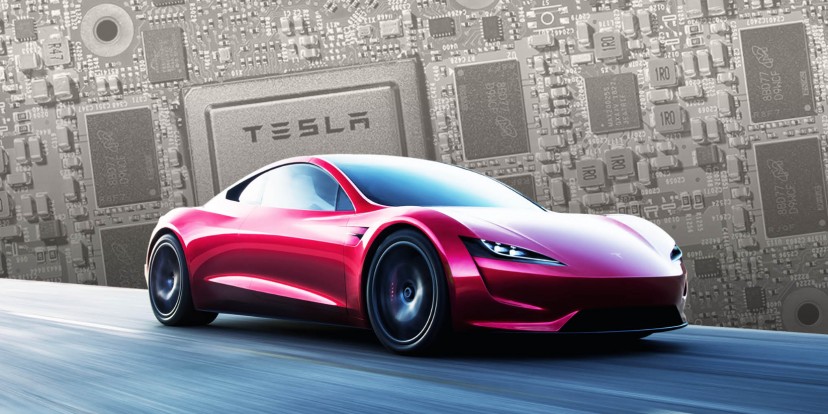
The company has submitted an application to the Texas Comptroller’s Office to evaluate a lithium hydroxide refining facility on the Gulf Coast. The proposed refinery would develop battery grade lithium hydroxide and would process raw ore material into a production usable state.
In the application, Tesla states that this is the very first such refinery in the US and if approved, the construction of the project would begin before the end of this year. Production of lithium is planned to begin in 2024.
 www.arenaev.com
Not a day goes by without lithium or Tesla being in the news, Tesla is not alone in the struggle to secure raw materials for battery production. The supply itself is not an issue, apparently we have plenty of lithium around the world. The issues are more geo-political than technical, there are serious ethical issues surrounding many of the lithium mines as well.
For the global auto industry to achieve the de-carbonization goals set by the governments it will take a ton of effort, and millions of tons of lithium. The US is struggling with processing of the raw material, Canada is about to start supplying global automakers and China - well, nobody really knows what is China’s next move.
With all that on the table, Tesla is not taking any more chances, it needs to scale up its production if it is serious about delivering on its promises. The only way to support its production of Semi, Cybertruck and increased numbers of its passenger EVs is to take control of strategic components supplies - lithium included.
The company has submitted an application to the Texas Comptroller’s Office to evaluate a lithium hydroxide refining facility on the Gulf Coast. The proposed refinery would develop battery grade lithium hydroxide and would process raw ore material into a production usable state.
In the application, Tesla states that this is the very first such refinery in the US and if approved, the construction of the project would begin before the end of this year. Production of lithium is planned to begin in 2024.
Tesla considers building own lithium refinery in Texas
The only way automakers can take control over spiralling costs of battery materials is to own mining operations. Elon Musk talked about it many times before and now Tesla seems to be taking steps in that direction.
www.arenaev.com
FiestaST
Honorary Master
FiestaST
Honorary Master
Tesla Model 3 Long Range old v new bigger battery efficiency & range test surprising results! Why? - RSymons RSEV
FiestaST
Honorary Master
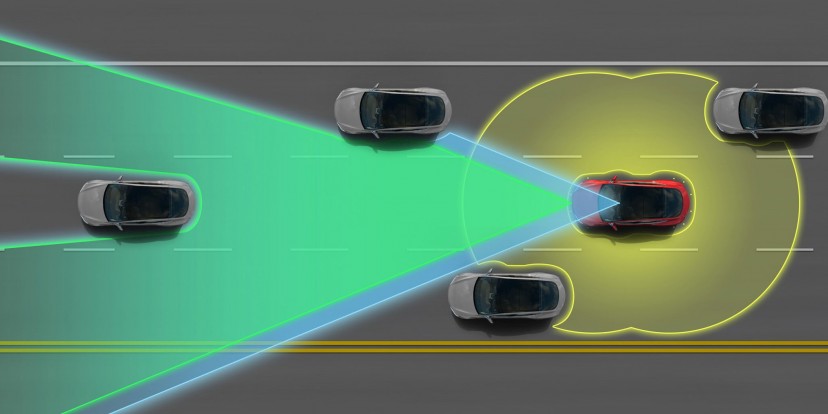
Tesla to completely remove ultrasonic sensors from its cars, only rely on cameras
Tesla's Autopilot feature has been under scrutiny for the last couple of years despite the company's efforts to improve the functionality. Tesla's vision of self-driving cars, however, largely differs from that of other automakers. It wants to achieve full autonomy without the need for sensors, just pure power of AI and standard camera sensors.
Starting with Model 3 and Model Y, the company will be removing ultrasonic sensors on all units around the world with Model S and Model X getting the "downgrade" in 2023. Nevertheless, Tesla assures that this won't affect the Autopilot's safety and it would just temporarily limit some parking features.
 www.arenaev.com
Tesla's Autopilot feature has been under scrutiny for the last couple of years despite the company's efforts to improve the functionality. Tesla's vision of self-driving cars, however, largely differs from that of other automakers. It wants to achieve full autonomy without the need for sensors, just pure power of AI and standard camera sensors.
Starting with Model 3 and Model Y, the company will be removing ultrasonic sensors on all units around the world with Model S and Model X getting the "downgrade" in 2023. Nevertheless, Tesla assures that this won't affect the Autopilot's safety and it would just temporarily limit some parking features.
Tesla to completely remove ultrasonic sensors from its cars, only rely on cameras
The company promises that the change would have no impact on the Autopilot feature.
www.arenaev.com
FiestaST
Honorary Master
Tesla is working on new EV platform with lower cost
Last night’s earnings call from Tesla caused all sorts of ripples through the industry. Its shares are still nearly 6% down in the pre-market but there was a lot of good news and interesting announcements made during the call.
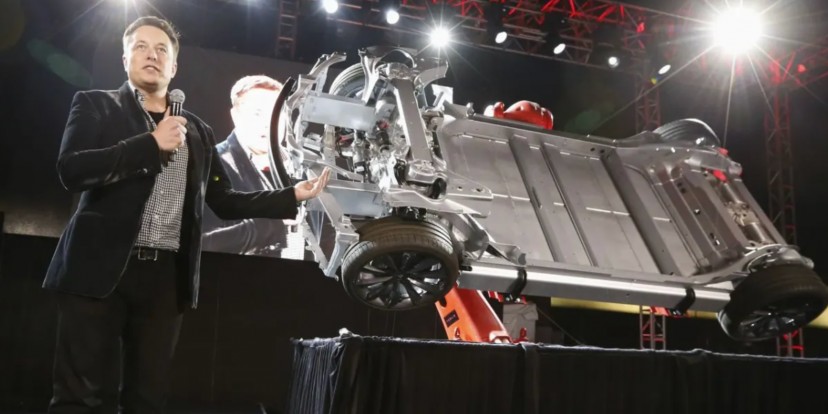
Elon Musk himself spoke of the next generation EV platform that the engineering team is already working on. Sometimes it’s hard to follow what’s the next big thing with Tesla, afterall Musk was promising a sub $25,000 electric car to be available by 2023 only to admit later that cheap cars weren’t in Tesla’s plans anymore and the company would focus on self-driving software and hardware instead.
Not so long ago, Musk again said that Tesla wasn’t focusing on cheaper cars and it was diverting its resources to the development of Optimus, the humanoid robot, and to ramping up the production of Model Y.
All that is clearly in the past now and yesterday Elon confirmed that the engineering team is in fact hard at work on the next generation EV platform. The new electric car, according to Musk, will be “probably about half the cost of the 3 and Y platform.” And just to hammer the message in, the CEO of Tesla finished off by saying that the new car will be smaller.
With the Cybertruck and Semi out of the way and ready for production, the engineering team is finally free to focus on developing new cars and new platforms, as long as they don’t get called away for some new, amazing venture in the shape of a robot or another flame thrower.
 www.arenaev.com
Last night’s earnings call from Tesla caused all sorts of ripples through the industry. Its shares are still nearly 6% down in the pre-market but there was a lot of good news and interesting announcements made during the call.
Elon Musk himself spoke of the next generation EV platform that the engineering team is already working on. Sometimes it’s hard to follow what’s the next big thing with Tesla, afterall Musk was promising a sub $25,000 electric car to be available by 2023 only to admit later that cheap cars weren’t in Tesla’s plans anymore and the company would focus on self-driving software and hardware instead.
Not so long ago, Musk again said that Tesla wasn’t focusing on cheaper cars and it was diverting its resources to the development of Optimus, the humanoid robot, and to ramping up the production of Model Y.
All that is clearly in the past now and yesterday Elon confirmed that the engineering team is in fact hard at work on the next generation EV platform. The new electric car, according to Musk, will be “probably about half the cost of the 3 and Y platform.” And just to hammer the message in, the CEO of Tesla finished off by saying that the new car will be smaller.
With the Cybertruck and Semi out of the way and ready for production, the engineering team is finally free to focus on developing new cars and new platforms, as long as they don’t get called away for some new, amazing venture in the shape of a robot or another flame thrower.
Tesla is working on new EV platform with lower cost
During last night’s earnings call, Elon Musk confirmed that the Tesla engineering team is already working on the next generation EV platform that will be much cheaper than the current Model Y and Model 3.
www.arenaev.com
FiestaST
Honorary Master
FiestaST
Honorary Master
Tesla physically recalls over 24,000 Model 3 vehicles for seat belt buckle issue
In our world of more and more ubiquitous car software updates, the term "recall" gets used a lot for such things, because when it was coined, there were no software updates to speak of. So, most of the recall stories you read nowadays, especially those regarding Tesla models, are actually about a new bug fixing software update, if we might use that terminology.
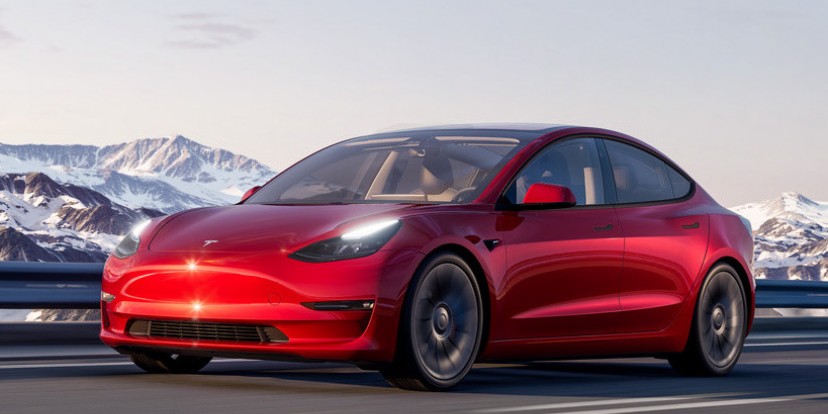
The one we're talking about today, however, isn't. This is a 'real', 'physical' recall of 24,064 Tesla Model 3 vehicles manufactured from 2017 until today. If you own one of the affected cars in the US, Tesla has probably already sent you an email notifying you about the issue - if not, expect one very soon.
In the email, the company says it decided to "proactively recall" the cars in order "to inspect the assembly of the second-row left-hand seat belt buckle and the center seat belt anchor to ensure components are fastened to specification".
 www.arenaev.com
 electrek.co
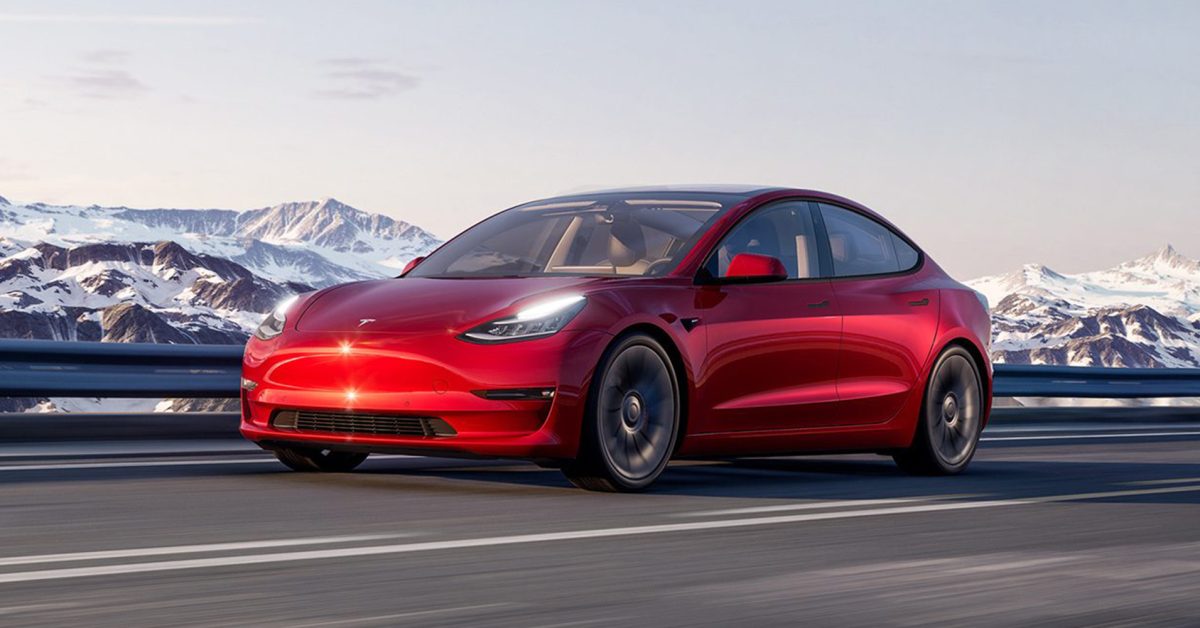
In our world of more and more ubiquitous car software updates, the term "recall" gets used a lot for such things, because when it was coined, there were no software updates to speak of. So, most of the recall stories you read nowadays, especially those regarding Tesla models, are actually about a new bug fixing software update, if we might use that terminology.
The one we're talking about today, however, isn't. This is a 'real', 'physical' recall of 24,064 Tesla Model 3 vehicles manufactured from 2017 until today. If you own one of the affected cars in the US, Tesla has probably already sent you an email notifying you about the issue - if not, expect one very soon.
In the email, the company says it decided to "proactively recall" the cars in order "to inspect the assembly of the second-row left-hand seat belt buckle and the center seat belt anchor to ensure components are fastened to specification".
Tesla physically recalls over 24,000 Model 3 vehicles for seat belt buckle issue
This is not just a software update; you have to actually take your car to a service center.
www.arenaev.com
Tesla issues rare real 'physical' recall of over 24,000 Model 3 vehicles
Tesla has issued a recall of over 24,000 Model 3 vehicles over a seat belt problem. It's a rare real "physical" recall for the automaker.
electrek.co
FiestaST
Honorary Master
Tesla opens FSD to everyone in North America
Tesla is rolling out the FSD (Full Self Driving) to all customers in North America. Since the software is still in Beta, anyone who wants to try it out has to request it via the car’s on-screen menu.
The roll-out is happening against a backdrop of the company facing potential criminal investigation from the Department of Justice. DoJ is investigating what it calls “false claims” from Tesla regarding capabilities of the Autopilot.
Autopilot is an advanced driver assistance system but despite its name, it actually cannot drive the vehicle on its own. That job is handled by FSD which in the US costs an eye-watering $15,000 after numerous price hikes. The FSD is supposedly able to handle navigating the city streets and highways with drivers only minimal input. The system offers fully automated parking and summon function as well as road sign and traffic light recognition.
Until now Tesla was requiring anyone who wanted to take part in FSD testing to have a safety score of at least 80. This requirement has been dropped now and even the initially required minimum of 100 miles traveled with Autopilot engaged is no longer mandatory.
As of now anyone who can afford the $15,000 fee can have access to FSD regardless of their driving habits and experience. That is either a sign of Tesla’s confidence in its software or utter desperation to roll it out before the end of this year regardless of potential consequences.
 www.arenaev.com
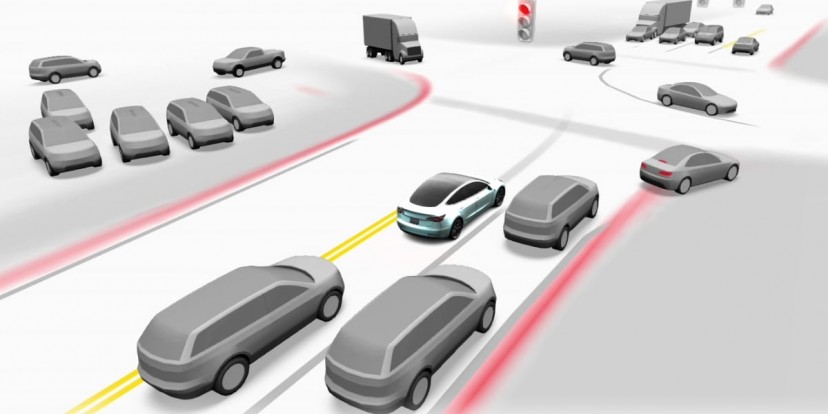
Tesla is rolling out the FSD (Full Self Driving) to all customers in North America. Since the software is still in Beta, anyone who wants to try it out has to request it via the car’s on-screen menu.
The roll-out is happening against a backdrop of the company facing potential criminal investigation from the Department of Justice. DoJ is investigating what it calls “false claims” from Tesla regarding capabilities of the Autopilot.
Autopilot is an advanced driver assistance system but despite its name, it actually cannot drive the vehicle on its own. That job is handled by FSD which in the US costs an eye-watering $15,000 after numerous price hikes. The FSD is supposedly able to handle navigating the city streets and highways with drivers only minimal input. The system offers fully automated parking and summon function as well as road sign and traffic light recognition.
Until now Tesla was requiring anyone who wanted to take part in FSD testing to have a safety score of at least 80. This requirement has been dropped now and even the initially required minimum of 100 miles traveled with Autopilot engaged is no longer mandatory.
As of now anyone who can afford the $15,000 fee can have access to FSD regardless of their driving habits and experience. That is either a sign of Tesla’s confidence in its software or utter desperation to roll it out before the end of this year regardless of potential consequences.
Tesla opens FSD to everyone in North America
Elon Musk announced that FSD Beta testing is now open to everyone in North America.
www.arenaev.com
FiestaST
Honorary Master
Refreshed Tesla Model 3 spotted in Santa Cruz, California
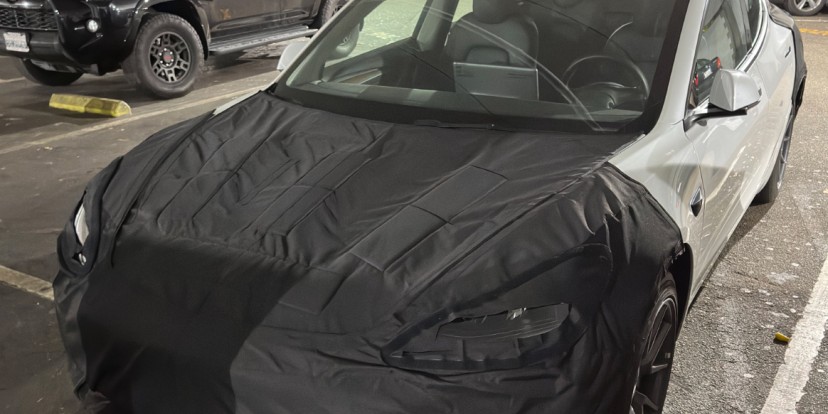
The rumors of an updated and improved Tesla Model 3 have been swirling around the Internet for a while now, the project allegedly known internally as “Highland”. A Twitter user in Santa Cruz spotted a camouflage Model 3, which gives even more credence to the rumor.
So what do we see? The Model 3 in pictures has well camouflaged rear and front, there are enough clues to figure out some changes. Starting from the bonnet - there is extra padding sawn into the camo cover to hide the new shape of the hood which most likely will be sitting a bit lower than it does on the current model.
The front looks like the bumper “break-over” line is higher, but it is simply exaggerated by another piece of thick foam sawn into the fabric. What really is happening under that cover? It looks like the entire front will be much smoother and it will lose the recognizable shape we are used to.
 www.arenaev.com
The rumors of an updated and improved Tesla Model 3 have been swirling around the Internet for a while now, the project allegedly known internally as “Highland”. A Twitter user in Santa Cruz spotted a camouflage Model 3, which gives even more credence to the rumor.
So what do we see? The Model 3 in pictures has well camouflaged rear and front, there are enough clues to figure out some changes. Starting from the bonnet - there is extra padding sawn into the camo cover to hide the new shape of the hood which most likely will be sitting a bit lower than it does on the current model.
The front looks like the bumper “break-over” line is higher, but it is simply exaggerated by another piece of thick foam sawn into the fabric. What really is happening under that cover? It looks like the entire front will be much smoother and it will lose the recognizable shape we are used to.
Refreshed Tesla Model 3 spotted in Santa Cruz, California
It appears there is more substance to rumors about the updated Tesla Model 3 project called “Highland” - a camouflage test car was spotted hiding in a carpark.
www.arenaev.com
FiestaST
Honorary Master
Tesla offers 6000 miles of free charging to drive year-end sales
The offer applies to drivers in the UK who take delivery of new Tesla electric cars between 15-31 December
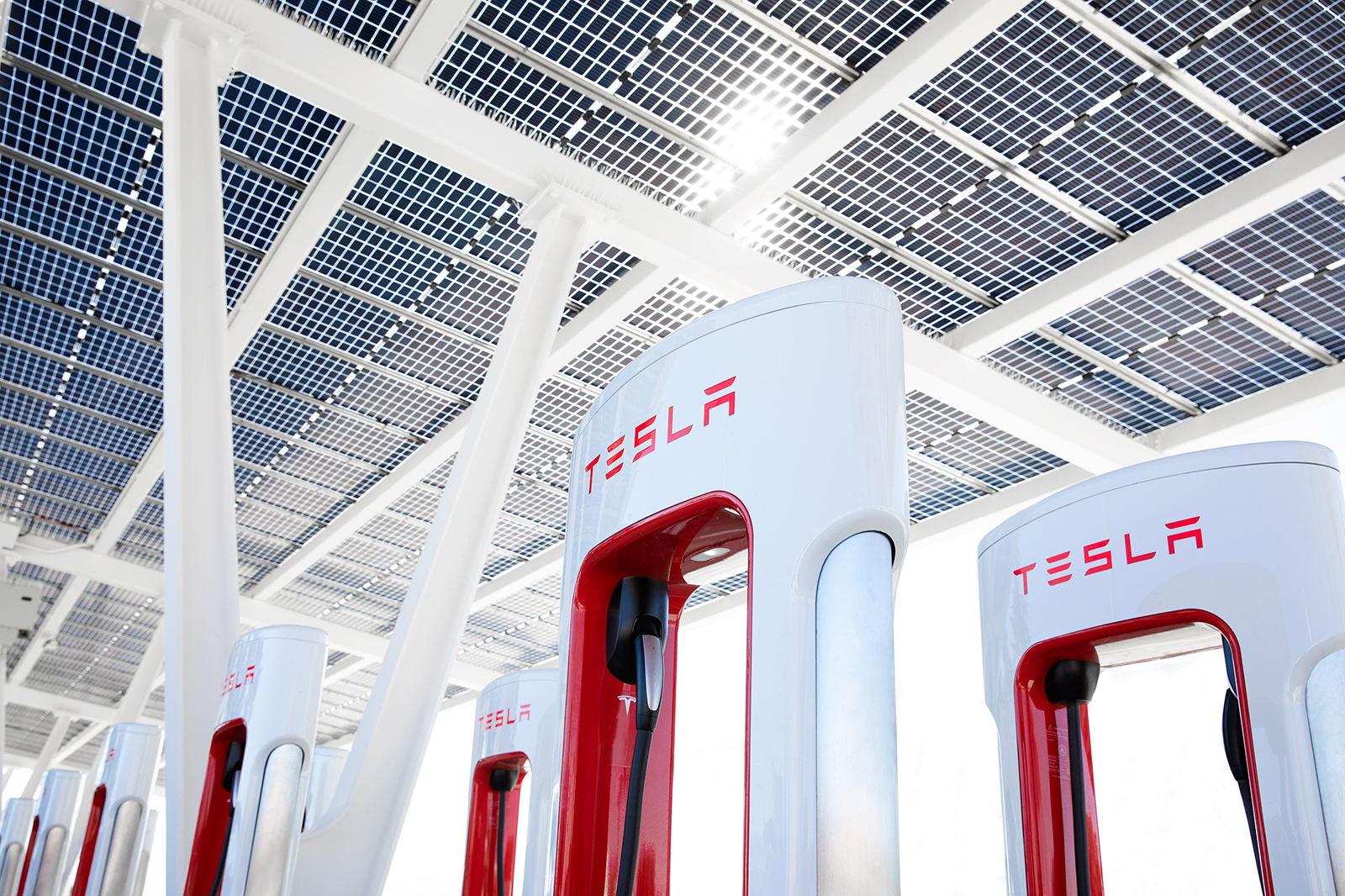
Tesla is offering 6000 miles of free charging on its Supercharger network for those in the UK who take delivery of new cars between 15-31 December in what looks like a drive to boost registrations before 2022 ends.
Customers who fall within the window were told by email that “As a thank you for taking delivery this year, you will receive 6000 miles free Supercharging.”
Members of one Tesla Model Y owners’ group on Facebook calculated that the gift was worth about £800 based on current Supercharger rates.
Tesla has been accelerating sales of its Model Y SUV and Tesla Model 3 saloon in the UK recent months. The Model Y was the second best-selling car in the country for the month of November, according to figures from the Society of Motor Manufacturers and Traders. The Model 3 was the second-best selling EV for the month, after its stablemate.
The American company has begun discounted its cars in China to boost sales there, and there are signs that it will do the same here as it looks to maintain its momentum.
 www.autocar.co.uk
The offer applies to drivers in the UK who take delivery of new Tesla electric cars between 15-31 December
Tesla is offering 6000 miles of free charging on its Supercharger network for those in the UK who take delivery of new cars between 15-31 December in what looks like a drive to boost registrations before 2022 ends.
Customers who fall within the window were told by email that “As a thank you for taking delivery this year, you will receive 6000 miles free Supercharging.”
Members of one Tesla Model Y owners’ group on Facebook calculated that the gift was worth about £800 based on current Supercharger rates.
Tesla has been accelerating sales of its Model Y SUV and Tesla Model 3 saloon in the UK recent months. The Model Y was the second best-selling car in the country for the month of November, according to figures from the Society of Motor Manufacturers and Traders. The Model 3 was the second-best selling EV for the month, after its stablemate.
The American company has begun discounted its cars in China to boost sales there, and there are signs that it will do the same here as it looks to maintain its momentum.
Tesla offers 6000 miles of free charging to drive year-end sales | Autocar
The offer applies to drivers in the UK who take delivery of new Tesla electric cars between 15-31 December
www.autocar.co.uk
FiestaST
Honorary Master
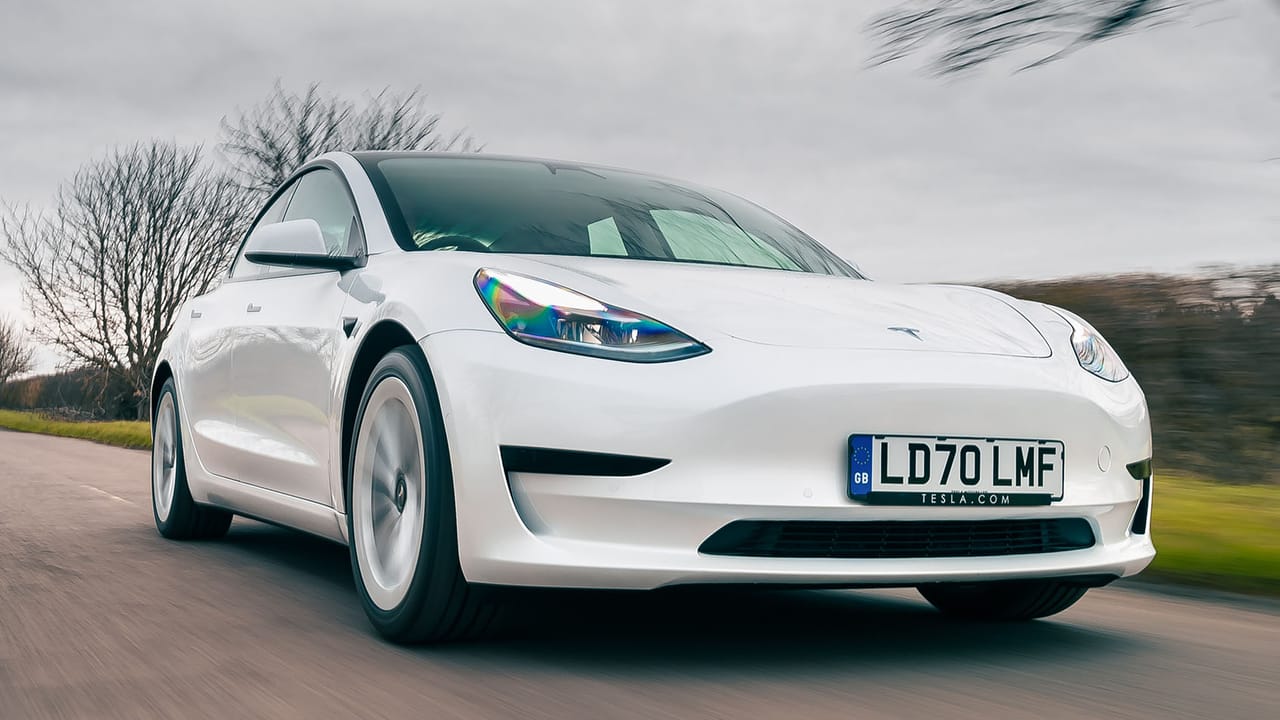
Tesla Model 3 review
WHAT'S THE VERDICT?
“The most impressive electric car this side of a Porsche Taycan. Fresh design, a sense of humour, and backed up by Superchargers”
Posed against po-faced competitors, Teslas are invariably the quick ones, the efficient ones, the fun ones with Fart Mode and the lucky ones least dependent on a haphazard charging ecosystem. Even a basic version with a single rearward motor and only Chill/Sport acceleration settings develops 235bhp and punches to 60mph faster than a £55k Jaguar F-Type.
While the angry frog styling won’t be to all tastes, the interior is a real love/hate arrangement and the driving dynamics aren’t all that memorable once you’ve stopped swallowing your tongue every time you nail the throttle, it’s easy to see why the Model 3 has become a global standard-setter for EVs.
This is the future we were promised – a car with sentience, a sense of humour, and a fresh take on the old norms. After trying this, your old repmobile will feel positively Brunellian.
The Model 3 was Top Gear’s 2019 saloon of the year, beating the old guard and maintaining its lead of the new EV pretenders. It’s been in production since mid-2017, but even heading into middle age, nothing on the market has yet managed to beat the Model 3 on all fronts. While not without flaws, it is quite simply one of the most interesting, compelling cars in the world right now.
 www.topgear.com
WHAT'S THE VERDICT?
“The most impressive electric car this side of a Porsche Taycan. Fresh design, a sense of humour, and backed up by Superchargers”
Posed against po-faced competitors, Teslas are invariably the quick ones, the efficient ones, the fun ones with Fart Mode and the lucky ones least dependent on a haphazard charging ecosystem. Even a basic version with a single rearward motor and only Chill/Sport acceleration settings develops 235bhp and punches to 60mph faster than a £55k Jaguar F-Type.
While the angry frog styling won’t be to all tastes, the interior is a real love/hate arrangement and the driving dynamics aren’t all that memorable once you’ve stopped swallowing your tongue every time you nail the throttle, it’s easy to see why the Model 3 has become a global standard-setter for EVs.
This is the future we were promised – a car with sentience, a sense of humour, and a fresh take on the old norms. After trying this, your old repmobile will feel positively Brunellian.
The Model 3 was Top Gear’s 2019 saloon of the year, beating the old guard and maintaining its lead of the new EV pretenders. It’s been in production since mid-2017, but even heading into middle age, nothing on the market has yet managed to beat the Model 3 on all fronts. While not without flaws, it is quite simply one of the most interesting, compelling cars in the world right now.
Tesla Model 3 Review 2023 | Top Gear
Everything Tesla has done up to this point has built towards the Model 3... and it's been worth it
FiestaST
Honorary Master
Tesla gives 30-day free trial of Enhanced Autopilot as a Christmas present
Tesla is getting into the holiday spirit and is giving its customers a 30-day trial of its Enhanced Autopilot as a present. Reports confirm its availability in Australia and New Zealand, but it will likely be rolled to other supported markets.
The message reads "Happy Holidays!" and informs the recipient that they have been granted access to a free trial of Enhanced Autopilot for the next month. It then provides instructions on how to activate different Autopilot functions, which must be done when the car is parked before the first time each unique driver profile attempts to use the system.
The Tesla driver-assist system is called Autopilot, and it comes standard on all Tesla vehicles. The basic level of Autopilot includes traffic-aware cruise control, which maintains the vehicle in the same lane as the car in front of it, and autosteer, which keeps the vehicle in its lane on highways.
Enhanced Autopilot is an additional package that offers additional features beyond the basic Autopilot system. Tesla has offered it as a separate package at various times, and reintroduced it in June at a cost of $6,000 (or $5,100 AUD/$5,700 NZD in Australia and New Zealand, where this giveaway has been reported).
https://www.arenaev.com/tesla_givin...utopilot_as_a_christmas_present-news-1204.php
Tesla is getting into the holiday spirit and is giving its customers a 30-day trial of its Enhanced Autopilot as a present. Reports confirm its availability in Australia and New Zealand, but it will likely be rolled to other supported markets.
The message reads "Happy Holidays!" and informs the recipient that they have been granted access to a free trial of Enhanced Autopilot for the next month. It then provides instructions on how to activate different Autopilot functions, which must be done when the car is parked before the first time each unique driver profile attempts to use the system.
The Tesla driver-assist system is called Autopilot, and it comes standard on all Tesla vehicles. The basic level of Autopilot includes traffic-aware cruise control, which maintains the vehicle in the same lane as the car in front of it, and autosteer, which keeps the vehicle in its lane on highways.
Enhanced Autopilot is an additional package that offers additional features beyond the basic Autopilot system. Tesla has offered it as a separate package at various times, and reintroduced it in June at a cost of $6,000 (or $5,100 AUD/$5,700 NZD in Australia and New Zealand, where this giveaway has been reported).
https://www.arenaev.com/tesla_givin...utopilot_as_a_christmas_present-news-1204.php
FiestaST
Honorary Master
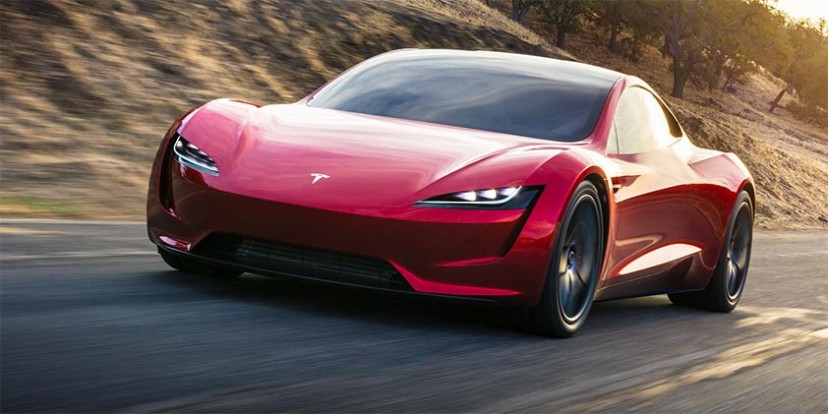
Tesla's order backlog drops to 163,000 in just one week
In early December, Tesla's projected global electric vehicle order backlog reached its lowest level in over a year as it continued to decline rapidly.
According to Troy Teslike, a reliable source of Tesla statistics and estimates, the expected order backlog as of December 8, 2022 was around 163,000, which represents a decrease of 27,000 or 14% in just one week from November 30 (190,000).
For comparison, the order backlog was close to 300,000 at the end of September and approximately 400,000 at the end of August. From March to July, it was close to 500,000. Since July, the value has dropped by more than 300,000, representing a reduction of two-thirds.
According to the research, the quantity of 163,000 units is equivalent to almost forty days' worth of production capacity. On November 30, it was estimated to be 44 days; on October 6, it was estimated to be 70 days; and on September 21, it was estimated to be 78 days.
If current trends continue, Tesla is likely to end the year 2022 with a very low order backlog, potentially below 100,000 and 30 days' worth of production. This projection is based on the assumption that current conditions will remain unchanged. It suggests that Tesla is currently producing a significantly larger number of electric vehicles than it is selling.
 www.arenaev.com
In early December, Tesla's projected global electric vehicle order backlog reached its lowest level in over a year as it continued to decline rapidly.
According to Troy Teslike, a reliable source of Tesla statistics and estimates, the expected order backlog as of December 8, 2022 was around 163,000, which represents a decrease of 27,000 or 14% in just one week from November 30 (190,000).
For comparison, the order backlog was close to 300,000 at the end of September and approximately 400,000 at the end of August. From March to July, it was close to 500,000. Since July, the value has dropped by more than 300,000, representing a reduction of two-thirds.
According to the research, the quantity of 163,000 units is equivalent to almost forty days' worth of production capacity. On November 30, it was estimated to be 44 days; on October 6, it was estimated to be 70 days; and on September 21, it was estimated to be 78 days.
If current trends continue, Tesla is likely to end the year 2022 with a very low order backlog, potentially below 100,000 and 30 days' worth of production. This projection is based on the assumption that current conditions will remain unchanged. It suggests that Tesla is currently producing a significantly larger number of electric vehicles than it is selling.
Tesla's order backlog drops to 163,000 in just one week
That is a decrease of 27,000 in only one week - from 190,000 units. What’s happening?
www.arenaev.com
FiestaST
Honorary Master
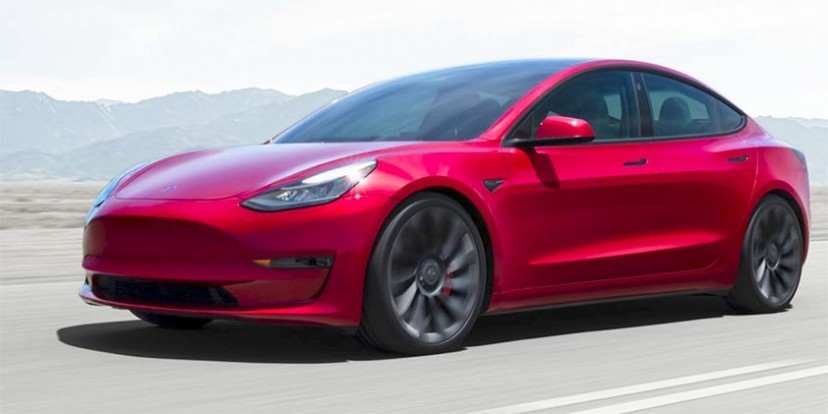
Tesla Model 3 outsells the Model Y to become the best-selling EV in Germany
Since its introduction to the European market earlier this year, the Model Y electric SUV has become the most popular clean energy car in several countries. Despite facing fierce competition in the German market, the Model Y has quickly risen to become the second most popular car, with the Model Y sedan reclaiming its position as the market leader.
The Tesla Model 3 has overtaken the Model Y to become the most registered electric car in Germany, according to data from the Kraftfahrt-Bundesamt (KBA) reported by Teslarati. Germany's automotive market, which is home to major manufacturers Volkswagen, BMW, and Mercedes-Benz, holds a significant position in the European market.
During the month of November, Tesla sold 3,687 Model Y vehicles in the United States and 6,811 Model 3 vehicles. The company also made its first deliveries of the Model S and Model X in Europe during the same month, selling 106 and 35 of these cars in Germany, respectively.
In November, Tesla's vehicle deliveries in Germany reached record levels, representing a 93% increase from the previous year for a total of 10,819 vehicles. This made November the company's second-best sales month in Germany, with September being the best sales month ever. The overall automotive industry also saw growth in November, but only at a rate of 31% year-over-year. This demonstrates Tesla's increasing dominance in the market as other manufacturers try to keep up with the company's success.
Other popular cars in terms of registration in Germany include the Toyota Yaris (2,949), the Ford Kuga (4,649), and various other vehicles with gasoline or electric propulsion systems. However, the market share for battery-electric cars was around 22.3%, while the market share for plugin hybrid vehicles was 17.1%.
 www.arenaev.com
Since its introduction to the European market earlier this year, the Model Y electric SUV has become the most popular clean energy car in several countries. Despite facing fierce competition in the German market, the Model Y has quickly risen to become the second most popular car, with the Model Y sedan reclaiming its position as the market leader.
The Tesla Model 3 has overtaken the Model Y to become the most registered electric car in Germany, according to data from the Kraftfahrt-Bundesamt (KBA) reported by Teslarati. Germany's automotive market, which is home to major manufacturers Volkswagen, BMW, and Mercedes-Benz, holds a significant position in the European market.
During the month of November, Tesla sold 3,687 Model Y vehicles in the United States and 6,811 Model 3 vehicles. The company also made its first deliveries of the Model S and Model X in Europe during the same month, selling 106 and 35 of these cars in Germany, respectively.
In November, Tesla's vehicle deliveries in Germany reached record levels, representing a 93% increase from the previous year for a total of 10,819 vehicles. This made November the company's second-best sales month in Germany, with September being the best sales month ever. The overall automotive industry also saw growth in November, but only at a rate of 31% year-over-year. This demonstrates Tesla's increasing dominance in the market as other manufacturers try to keep up with the company's success.
Other popular cars in terms of registration in Germany include the Toyota Yaris (2,949), the Ford Kuga (4,649), and various other vehicles with gasoline or electric propulsion systems. However, the market share for battery-electric cars was around 22.3%, while the market share for plugin hybrid vehicles was 17.1%.
Tesla Model 3 outsells the Model Y to become the best-selling EV in Germany
During the month of November, Tesla sold 3,687 Model Y vehicles in Germany and 6,811 Model 3 vehicles.
www.arenaev.com
FiestaST
Honorary Master
FiestaST
Honorary Master
FiestaST
Honorary Master
Tesla Model 3 Performance vs Kia EV6 GT vs BMW iX M60 vs Audi RS e-tron GT vs Tesla Model X Performance: Drag Race - Carwow
FiestaST
Honorary Master
Tesla just dropped prices - here's why | Auto Expert John Cadogan