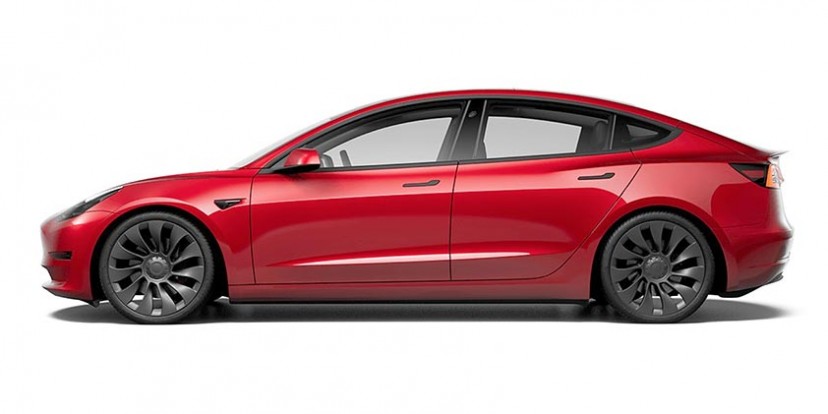
The Tesla Model 3 Thread

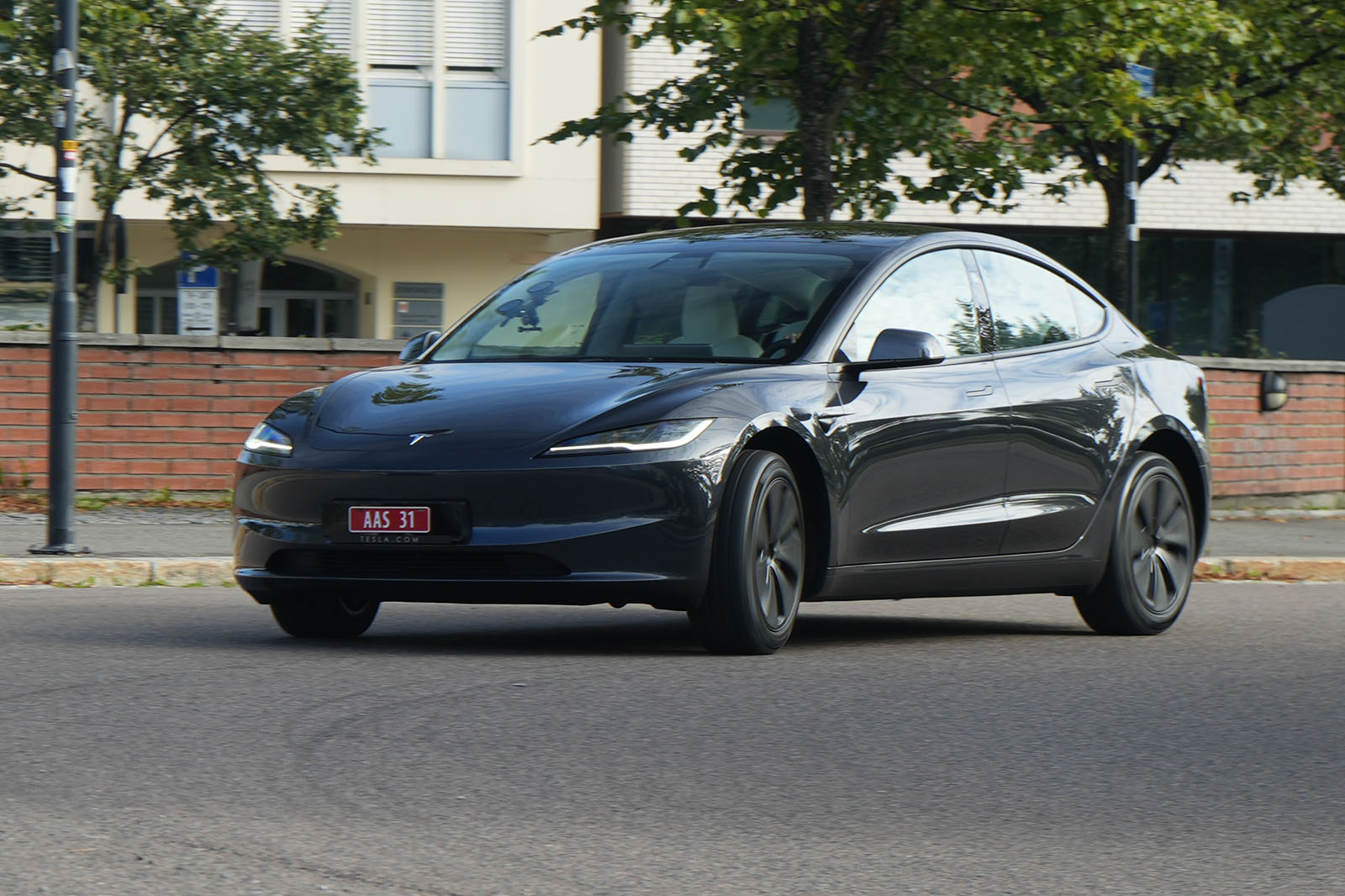
Nice looking car but the "no-stocks" thing is a big worry.

A steering-wheel button for indicators is fine when you're driving on highways in LA, but countryside and roundabouts will turn Tesla drivers into the new BMW drivers.

Also not a fan of the drive mode being on screen instead of a physical stock. Especially in winter with gloves on.

Then again, all those physical omissions has lead to a big price reduction - so you get what you pay for I guess.
 
Stealing a Tesla isn’t your average Grand Theft Auto

If you were to ask thieves about their favorite cars to pilfer, chances are, Teslas wouldn’t make the list. And no, it's not because they've developed an eco-conscious mindset overnight or a sudden appreciation for Elon Musk’s tweets.

Thanks to a built-in GPS tracking feature, Tesla’s fleet has comfortably settled atop the list of America's least stolen vehicles per Highway Loss Data Institute's latest report. The study is based on US insurance industry data spanning 40 million vehicles with 18,000 theft claims.

And who can blame the crooks? Stealing a car only to have it digitally tailed seems like an overly complicated game of hide and seek.

The Tesla Model 3, a midsize luxury electric car, and the Model Y, its SUV counterpart, recorded theft frequencies at 3% of the average for passenger vehicles. Several other Tesla variants are snugly placed at the top of the “least likely to be stolen” leaderboard.


Tesla Model 3 Sport version found hiding in the code

Ever since its inception, Tesla has been a company of surprises, pushing the envelope with innovative technology and design. Now, there's excitement in the air, and it's all about the Model 3 Sport. Modern-day sleuths (read: hackers) are giving us a sneak peek into what might be Tesla's next thing.

A recent software update from Tesla had a little secret hidden within its code. The diligent Tesla hacker known as Green, or @greentheonly for the digitally inclined, stumbled upon some rather intriguing details about a new trim of the Model 3 destined for the US market.

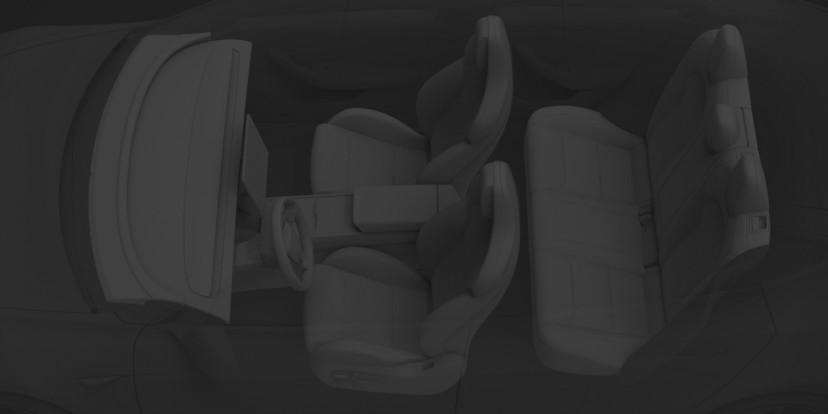
The biggest change are seemingly the seats. The front seats of the Sport version will have increased side bolstering for both the seat cushion and the backrest. Moreover, the headrests is larger and integrate seamlessly into the seats, reminiscent of the bucket seats seen in high-end sports cars. Around the back the Model 3 Sport promises enhanced middle headrest, matching the Model 3 Highland, which was introduced to Europe and other global markets earlier this year.

But here's where the skepticism creeps in. Is Tesla's Model 3 Sport just a cosmetic upgrade? Historically, Tesla's focus on performance variants has revolved around amplifying the powertrain, refining the suspension, and bolstering the brakes. The interior would be a first. If the Sport is merely a styling package, it might offer sporty seats and potentially a sportier body kit. Yet, Europe's 2024 Tesla Model 3 online configurator doesn't display these sporty seats for either the RWD or the Dual Motor All-Wheel Drive variants.


Tesla hits one million European sales ahead of new Model 3 launch

Heavily updated Model 3 arrives in UK in January priced from £39,990

Tesla has announced it has sold one million cars in Europe, as it prepares for deliveries of the new Tesla Model 3 in January next year.

The American EV maker first launched in Europe in 2009 with limited deliveries of the Tesla Roadster (produced 2008-2012) before the arrival of the Tesla Model S in 2012 and the Tesla Model X in 2015.

It went on to launch the Tesla Model 3 in 2016 and the Tesla Model Y in 2020. According to industry analyst Jato, the four cars in Tesla’s S, X, 3 and Y line-up achieved 232,066 sales in 2022. Of that figure, 137,052 were Model Ys and 91,475 Model 3s.

The new Model 3 went on sale in the UK earlier this month, offering a significant price saving over the outgoing car.

 
Tesla pays nearly €9,000 settlement over misleading FSD claims

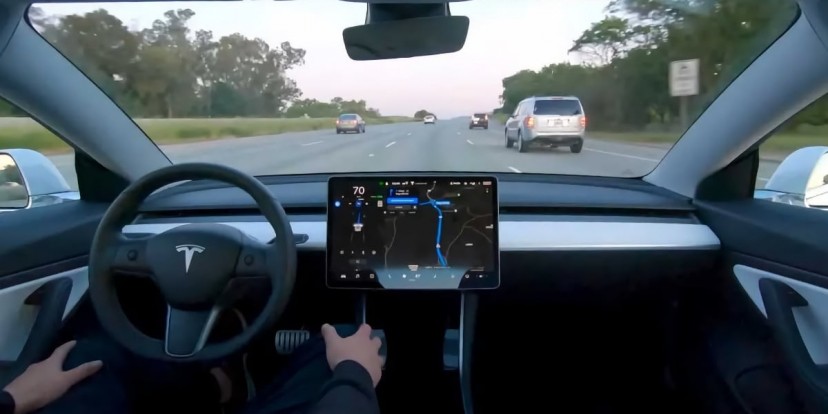
Tesla's ambitious promises of a Full Self-Driving (FSD) system have recently faced scrutiny from the UK legal system. Edward Butler, a Tesla Model 3 owner, has successfully challenged the electric car giant, securing a settlement of approximately €9,000. The victory circles around Tesla's claims of FSD capabilities that, according to Butler, have failed to materialize, thereby breaching the Consumer Rights Act of 2015.

In 2016, Tesla introduced the FSD system as a futuristic addition to its electric vehicles, making both promises of cars capable of navigating the hustle of traffic lights and the ballet of city driving without human intervention. The system, priced initially at €2,800, has seen its cost fluctuate over the years, yet the promised autonomy of the technology has remained, at best, a work in progress.

Despite Tesla opening the beta version of FSD to US customers last year - preceded by a safety score eligibility period - its vehicles have not come anywhere close to the fully autonomous driving nirvana. The technology lingers at Level 2 autonomy, according to the Society of Automotive Engineers (SAE), requiring drivers to remain vigilant and engaged. This has understandably brought regulatory probes and legal challenges, as the moniker 'Full Self-Driving' is clearly a misnomer.

 
Tesla Model 3 RWD and Long Range no longer qualify for Tax Credit

Tesla's Model 3 Rear-Wheel Drive (RWD) and Long Range versions are set to lose their eligibility for the $7,500 US electric vehicle tax credit at the start of 2024. This change is particularly significant for Tesla's most affordable EV model, and it appears to be linked to the source of its batteries.

Tesla updated its website to reflect this impending change. Previously, Tesla's website had advised potential buyers to take delivery of their new Model 3 before the end of the year to secure the full tax credit. However, this advice has now been revised, and as of 2024, buyers of the RWD and Long Range variants will no longer be eligible for any tax credit at all. Interestingly, the Performance trim seems unaffected by this change, at least for now.

Tesla's website now states, "Customers who take delivery of a qualified new Tesla vehicle and meet all federal requirements are eligible for a tax credit up to $7,500. The tax credit will end for Model 3 Rear-Wheel Drive and Model 3 Long Range on December 31, 2023, based on the current view of new IRA guidance. Take delivery by December 31 to qualify for the full tax credit."

 
Top
Sign up to the MyBroadband newsletter
X