


-
- News
-
Categories
- 5G
- ADSL
- AI
- Banking
- Black Friday
- Broadband
- Broadcasting
- Business
- Business Telecoms
- Cellular
- Cloud and Hosting
- Columns
- Cryptocurrency
- Energy
- Enterprise
- Fibre
- Gadgets
- Gaming
- Government
- Hardware
- Industry News
- Internet
- Internet of Things
- Investing
- IT Services
- Motoring
- Reviews
- Science
- Security
- Smartphones
- Software
- Technology
- Telecoms
- Trending
- Wireless
- Press Office
- Forum
- Industry News
- What's Next
- Company hub
- Speed Test
- About us
- Advertise with us
- Contact
- Careers
-
Join the MyBroadband community
South Africa’s biggest forum. Discuss, discover, and connect with thousands of members.
-
Question of the Day: Have you had a bad taxi / ride hailing experience in South Africa?
- Forums
- General discussions
- Motoring and Transportation: Cars, Bikes and Plane
- General Motoring News and Reviews
You are using an out of date browser. It may not display this or other websites correctly.
You should upgrade or use an alternative browser.
You should upgrade or use an alternative browser.
The Tesla Model 3 Thread
- Thread starter FiestaST
- Start date
FiestaST
Honorary Master
Tesla axing physical key cards in new penny-pinching exercise
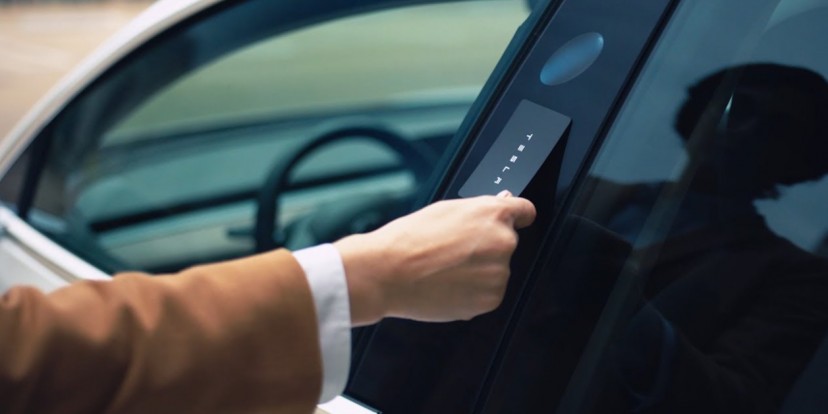
The world of electric cars is all about changing habits. Drivers have learned to plug in their cars instead of visiting a gas station, and for many Tesla owners, they have ditched the car key entirely. The primary "key" for a Tesla Model 3 or Model Y has been the owner's smartphone for a while now. It is a convenient system: walk up to the EV, and it unlocks; walk away, and it locks.
As a backup, Tesla has always included two physical key cards. These credit-card-sized keys use RFID technology and are perfect for valets or when a phone battery dies. But now, new evidence suggests Tesla may be preparing to stop including these key cards, making them an optional extra purchase.
This news does not come from an official announcement. Tesla famously closed its public relations department back in 2019. Instead, followers of the brand must act like detectives, searching for clues about future changes. The clue this time comes from the owner's manual.
As first reported by the Not A Tesla App blog, the company quietly removed a specific sentence from the manuals for new Model 3 and Model Y electric cars. The line, which read, "Tesla provides you with two Model 3/Y key cards, designed to fit in your wallet," is now gone.
This change seems to have happened alongside the release of the new, lower-cost Standard trims of the Model 3 and Model Y. While removing one sentence might seem small, it is a classic Tesla move. The company has a history of changing its owner's manuals just before it changes the car.
For example, Tesla removed language about Autosteer being standard from the Cybertruck manual. Later, buyers learned they had to purchase the expensive Full Self-Driving package to get the feature. This key card situation appears to be following the same playbook.
 www.arenaev.com
The world of electric cars is all about changing habits. Drivers have learned to plug in their cars instead of visiting a gas station, and for many Tesla owners, they have ditched the car key entirely. The primary "key" for a Tesla Model 3 or Model Y has been the owner's smartphone for a while now. It is a convenient system: walk up to the EV, and it unlocks; walk away, and it locks.
As a backup, Tesla has always included two physical key cards. These credit-card-sized keys use RFID technology and are perfect for valets or when a phone battery dies. But now, new evidence suggests Tesla may be preparing to stop including these key cards, making them an optional extra purchase.
This news does not come from an official announcement. Tesla famously closed its public relations department back in 2019. Instead, followers of the brand must act like detectives, searching for clues about future changes. The clue this time comes from the owner's manual.
As first reported by the Not A Tesla App blog, the company quietly removed a specific sentence from the manuals for new Model 3 and Model Y electric cars. The line, which read, "Tesla provides you with two Model 3/Y key cards, designed to fit in your wallet," is now gone.
This change seems to have happened alongside the release of the new, lower-cost Standard trims of the Model 3 and Model Y. While removing one sentence might seem small, it is a classic Tesla move. The company has a history of changing its owner's manuals just before it changes the car.
For example, Tesla removed language about Autosteer being standard from the Cybertruck manual. Later, buyers learned they had to purchase the expensive Full Self-Driving package to get the feature. This key card situation appears to be following the same playbook.
Tesla axing physical key cards in new penny-pinching exercise
A change in Tesla owner's manual suggests the company may soon stop providing physical key cards with new Model 3 and Model Y.
www.arenaev.com

phoneJunky
Executive Member
- Joined
- Apr 3, 2009
- Messages
- 6,777
- Reaction score
- 549
I don't mind much, don't know where my physical key cards are. I used it to pair my phone at the beginning if I remember correctlyTesla axing physical key cards in new penny-pinching exercise
The world of electric cars is all about changing habits. Drivers have learned to plug in their cars instead of visiting a gas station, and for many Tesla owners, they have ditched the car key entirely. The primary "key" for a Tesla Model 3 or Model Y has been the owner's smartphone for a while now. It is a convenient system: walk up to the EV, and it unlocks; walk away, and it locks.
As a backup, Tesla has always included two physical key cards. These credit-card-sized keys use RFID technology and are perfect for valets or when a phone battery dies. But now, new evidence suggests Tesla may be preparing to stop including these key cards, making them an optional extra purchase.
This news does not come from an official announcement. Tesla famously closed its public relations department back in 2019. Instead, followers of the brand must act like detectives, searching for clues about future changes. The clue this time comes from the owner's manual.
As first reported by the Not A Tesla App blog, the company quietly removed a specific sentence from the manuals for new Model 3 and Model Y electric cars. The line, which read, "Tesla provides you with two Model 3/Y key cards, designed to fit in your wallet," is now gone.
This change seems to have happened alongside the release of the new, lower-cost Standard trims of the Model 3 and Model Y. While removing one sentence might seem small, it is a classic Tesla move. The company has a history of changing its owner's manuals just before it changes the car.
For example, Tesla removed language about Autosteer being standard from the Cybertruck manual. Later, buyers learned they had to purchase the expensive Full Self-Driving package to get the feature. This key card situation appears to be following the same playbook.
Tesla axing physical key cards in new penny-pinching exercise
A change in Tesla owner's manual suggests the company may soon stop providing physical key cards with new Model 3 and Model Y.
FiestaST
Honorary Master
Tesla Model 3 Standard vs. Premium The 8 things you lose
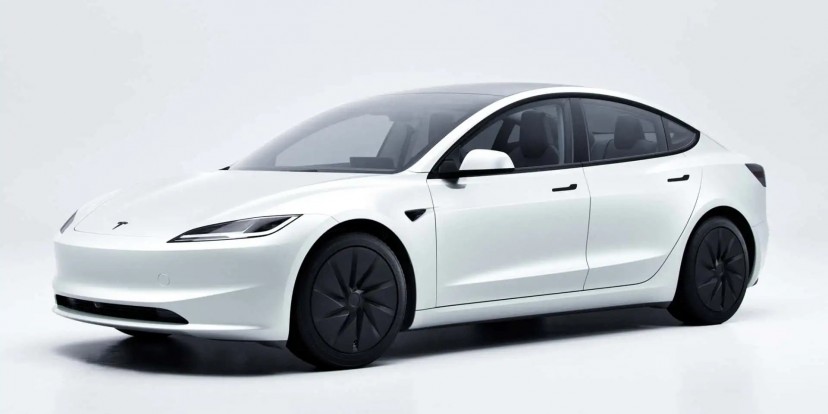
Less than a month ago, Tesla introduced new, more affordable trims of its popular Model 3 and Model Y vehicles called Standard. However, the Model 3 Standard isn't exactly new as the trim has been on the streets of Europe for some time now, but the US consumers are getting it at a bigger discount.
Right now, the Model 3 Standard in Europe starts at €39,990, while in the US the car goes for $36,990. Their now-called Premium counterparts with the rear-wheel drive are asking €45,970 and $42,490, respectively.
And while the Model 3 keeps most of the Model 3 core features, there are a handful of cuts to go with the lower price. Here's what you're missing out on if you go for the Standard trim compared to the Premium rear-wheel-drive.
 www.arenaev.com
Less than a month ago, Tesla introduced new, more affordable trims of its popular Model 3 and Model Y vehicles called Standard. However, the Model 3 Standard isn't exactly new as the trim has been on the streets of Europe for some time now, but the US consumers are getting it at a bigger discount.
Right now, the Model 3 Standard in Europe starts at €39,990, while in the US the car goes for $36,990. Their now-called Premium counterparts with the rear-wheel drive are asking €45,970 and $42,490, respectively.
And while the Model 3 keeps most of the Model 3 core features, there are a handful of cuts to go with the lower price. Here's what you're missing out on if you go for the Standard trim compared to the Premium rear-wheel-drive.
Tesla Model 3 Standard vs. Premium The 8 things you lose
Make sure to understand all differences before deciding to save a few bucks on the new Model 3 Standard trim.
www.arenaev.com
FiestaST
Honorary Master
FiestaST
Honorary Master
Tesla Model 3 vs Mercedes-Benz CLA vs MG IM5 - What Car?
FiestaST
Honorary Master
FiestaST
Honorary Master
New Mercedes CLA vs Model 3 and MG: Can anyone topple Tesla?
Glitzy new CLA aims to railroad updated Tesla and upmarket MG
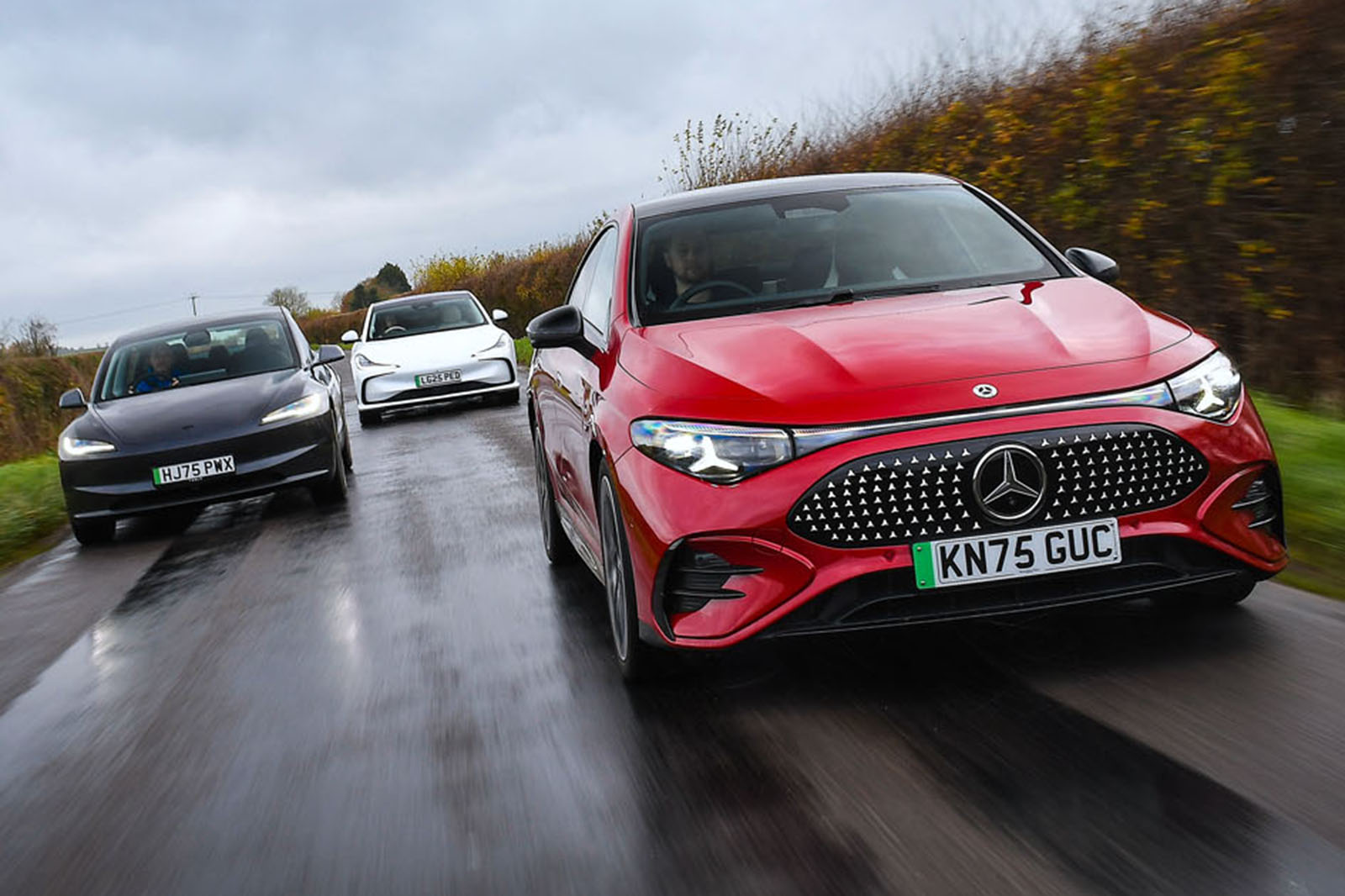
The compact exec has always been the first choice of company car drivers looking to cut a dash, but the tax-slashing benefits of going electric mean that corporate tastes have changed.
The Tesla Model 3 has become the user-chooser's first choice, its blend of tech, range, fast charging and rock-bottom tax bills making it a perennial sales chart fixture since it arrived here in 2018. Moreover, it has been joined in the past year or so by a growing number of upstart EV rivals keen to take a slice of this profitable pie.
One of the latest to land is the MG IM5, which actually isn't an MG at all. (You will search in vain for any sign of an octagonal Morris Garages logo.) Instead, it's a rebadged Intelligence in Motion L6, a slick executive saloon that's the product of a joint venture with MG owner SAIC. No matter what it's called, it's hard to ignore the car's sleek lines, massive 100kWh battery, 441-mile range and £44,995 price, plus a tech spec that runs to four-wheel steer and 800V architecture.
The old guard aren't giving up without a fight, though. Like many European brands, Mercedes-Benz has been hampered by legislative flip-flopping and shackled by the need to deliver both battery-powered and combustion-engined models, often offering two totally bespoke machines in effectively the same class (the E-Class and EQE, for example).
With the new CLA, however, it's taking a more joined-up approach. The first car to be built on the brand's new MMA architecture, it's engineered to seamlessly accept any powertrain. For this CLA 250+, that means a highly efficient 85kWh nickel-manganese-cobalt battery and a clever, rear-mounted 268bhp motor with a silicon-carbide inverter that offers lower weight and a more compact size.
 www.autocar.co.uk

Glitzy new CLA aims to railroad updated Tesla and upmarket MG
The compact exec has always been the first choice of company car drivers looking to cut a dash, but the tax-slashing benefits of going electric mean that corporate tastes have changed.
The Tesla Model 3 has become the user-chooser's first choice, its blend of tech, range, fast charging and rock-bottom tax bills making it a perennial sales chart fixture since it arrived here in 2018. Moreover, it has been joined in the past year or so by a growing number of upstart EV rivals keen to take a slice of this profitable pie.
One of the latest to land is the MG IM5, which actually isn't an MG at all. (You will search in vain for any sign of an octagonal Morris Garages logo.) Instead, it's a rebadged Intelligence in Motion L6, a slick executive saloon that's the product of a joint venture with MG owner SAIC. No matter what it's called, it's hard to ignore the car's sleek lines, massive 100kWh battery, 441-mile range and £44,995 price, plus a tech spec that runs to four-wheel steer and 800V architecture.
The old guard aren't giving up without a fight, though. Like many European brands, Mercedes-Benz has been hampered by legislative flip-flopping and shackled by the need to deliver both battery-powered and combustion-engined models, often offering two totally bespoke machines in effectively the same class (the E-Class and EQE, for example).
With the new CLA, however, it's taking a more joined-up approach. The first car to be built on the brand's new MMA architecture, it's engineered to seamlessly accept any powertrain. For this CLA 250+, that means a highly efficient 85kWh nickel-manganese-cobalt battery and a clever, rear-mounted 268bhp motor with a silicon-carbide inverter that offers lower weight and a more compact size.
New Mercedes CLA faces Tesla and MG rivals: can it topple the Model 3? | Autocar
Glitzy new CLA aims to railroad updated Tesla and upmarket MG
www.autocar.co.uk
FiestaST
Honorary Master
Tesla launches stripped-down versions of its EVs in Europe
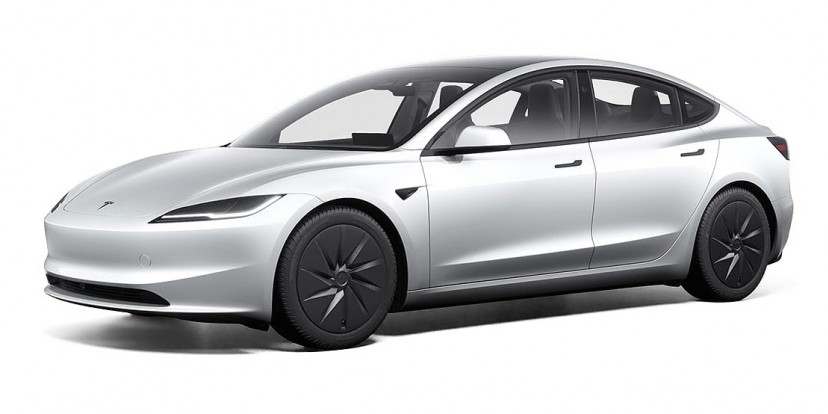
Tesla is making a calculated and aggressive move into the European mass market, rolling out new "Standard" versions of its popular Model 3 and Model Y electric cars. The automaker is cutting prices and removing options to aggressively challenge rivals and regain footing in a key region where sales have fallen hard.
Data from Europe shows why this change became necessary. Tesla registration numbers in November dropped by 12.3% compared to the year before. More alarming still, if you take away Norway - the only country seeing a temporary EV spike due to expiring government incentives - sales across the rest of Europe dropped by over 36%. To counter this painful slide, Tesla drastically lowered the entry point, hoping the price drop would outweigh the loss of certain features.
The new Model 3 Standard trim is the centerpiece of this strategy. In major markets like Germany, France, and Italy, the new price tag is an impressive €36,990. This price point is a huge psychological victory, slipping just under the €37,000 mark. It puts the Model 3 directly in the price range of standard gasoline vehicles and undercuts many other electric cars already on the market.
Despite the lower cost, the Model 3 Standard still offers solid performance. The vehicle maintains a respectable WLTP range rating of 534 km. Drivers can expect quick acceleration, hitting 0 to 100 km/h in 6.2 seconds. To achieve this aggressive pricing, the company made tough choices about features.
 www.arenaev.com
Tesla is making a calculated and aggressive move into the European mass market, rolling out new "Standard" versions of its popular Model 3 and Model Y electric cars. The automaker is cutting prices and removing options to aggressively challenge rivals and regain footing in a key region where sales have fallen hard.
Data from Europe shows why this change became necessary. Tesla registration numbers in November dropped by 12.3% compared to the year before. More alarming still, if you take away Norway - the only country seeing a temporary EV spike due to expiring government incentives - sales across the rest of Europe dropped by over 36%. To counter this painful slide, Tesla drastically lowered the entry point, hoping the price drop would outweigh the loss of certain features.
The new Model 3 Standard trim is the centerpiece of this strategy. In major markets like Germany, France, and Italy, the new price tag is an impressive €36,990. This price point is a huge psychological victory, slipping just under the €37,000 mark. It puts the Model 3 directly in the price range of standard gasoline vehicles and undercuts many other electric cars already on the market.
Despite the lower cost, the Model 3 Standard still offers solid performance. The vehicle maintains a respectable WLTP range rating of 534 km. Drivers can expect quick acceleration, hitting 0 to 100 km/h in 6.2 seconds. To achieve this aggressive pricing, the company made tough choices about features.
Tesla launches stripped-down versions of its EVs in Europe
Tesla is relying on price cuts to make its new, feature-reduced Model 3 and Model Y Standard EVs competitive in the challenging European market.
www.arenaev.com
FiestaST
Honorary Master
FiestaST
Honorary Master
FiestaST
Honorary Master
The Model 3 Standard is your cheapest way into Tesla ownership in the UK
New entry level saloon costs £37,990, or just £249 per month on a PCP deal
Tesla has announced pricing and further details of its new Model 3 Standard, and it’s now your cheapest way into the small EV in the UK.
The boggo Model 3 will start at £37,990 on our shores, or you’ll be able to pay £249 per month on a five-year PCP deal with a £9,100 deposit and a 10,000-mile yearly limit.
Much like it did with the Model Y Standard, Tesla has made a number of UK-specific changes for the entry level trim that means it differs from Standards elsewhere in the world. Here we get a lower top speed (110mph) and a slightly less powerful single, rear-mounted motor, meaning the 0-60mph sprint takes 6.2 seconds (vs 5.8 seconds in the rest of the world).
These alterations mean the Model 3 Standard sits in insurance group 32 – the lowest of any Tesla to date.
Of course, the Standard also gets a slightly smaller battery than the rest of the Model 3 range, so there’s 332 miles of WLTP range. The next step up the Model 3 ladder is the Premium Long Range Rear-Wheel Drive, which costs £44,990 but claims a whopping 466 miles on a charge.
The Standard also bins the ambient lighting, does without a touchscreen for rear seat passengers and gets simple passive shock absorbers. There’s also fabric and vegan leather upholstery, 18in wheels and just seven speakers for the audio system. You’ll cope. Oh, and unlike in the Model Y Standard, you do get a proper panoramic glass roof here.
New entry level saloon costs £37,990, or just £249 per month on a PCP deal
Tesla has announced pricing and further details of its new Model 3 Standard, and it’s now your cheapest way into the small EV in the UK.
The boggo Model 3 will start at £37,990 on our shores, or you’ll be able to pay £249 per month on a five-year PCP deal with a £9,100 deposit and a 10,000-mile yearly limit.
Much like it did with the Model Y Standard, Tesla has made a number of UK-specific changes for the entry level trim that means it differs from Standards elsewhere in the world. Here we get a lower top speed (110mph) and a slightly less powerful single, rear-mounted motor, meaning the 0-60mph sprint takes 6.2 seconds (vs 5.8 seconds in the rest of the world).
These alterations mean the Model 3 Standard sits in insurance group 32 – the lowest of any Tesla to date.
Of course, the Standard also gets a slightly smaller battery than the rest of the Model 3 range, so there’s 332 miles of WLTP range. The next step up the Model 3 ladder is the Premium Long Range Rear-Wheel Drive, which costs £44,990 but claims a whopping 466 miles on a charge.
The Standard also bins the ambient lighting, does without a touchscreen for rear seat passengers and gets simple passive shock absorbers. There’s also fabric and vegan leather upholstery, 18in wheels and just seven speakers for the audio system. You’ll cope. Oh, and unlike in the Model Y Standard, you do get a proper panoramic glass roof here.
FiestaST
Honorary Master
Tesla Model 3 vs Cupra Born VZ - AutoTopNL
FiestaST
Honorary Master
FiestaST
Honorary Master
Tesla Model 3 vs BYD Seal vs MG IM5 - Drive.com.au
FiestaST
Honorary Master
Which Premium Sedan is the Best to Drive? (Tesla Model 3 Premium Long Range RWD, vs BMW i4 eDrive35 LCI M Sport vs Audi A5 e-hybrid) - Chasing Cars
FiestaST
Honorary Master
12 things James May HATES about his Tesla Model 3
FiestaST
Honorary Master
BMW i3 vs Tesla Model 3: The 5 key differences
Since its arrival, the Tesla Model 3 has been the benchmark for electric sedans. Almost every other automotive company tried to beat it, but few came close. The Model 3 was the definition of a great electric vehicle, but with the Neue Klasse and its all new i3 BMW seems to have a legitimate claim of having something significantly better..
If somehow you've managed to miss the news, the i3 isn't a battery version or a refresh of a familiar car - it is a completely fresh start for the German brand. Based on the "Neue Klasse" platform, this electric sedan wants to beat the world's favorite in ways that actually matter to drivers, like how far it goes, how fast it charges, and of course - how well it drives.
The Tesla Model 3 has seen its sales dip recently, but it still remains the target everyone wants to hit. The new BMW i3 tries to do that by channeling the spirit of the famous 3 Series sedan. It brings a mix of high-tech features and a premium interior that will try to pull buyers away from Tesla. The Model 3 is known for being simple and fast, but BMW wants to prove that an electric car can be both smart and truly luxurious.
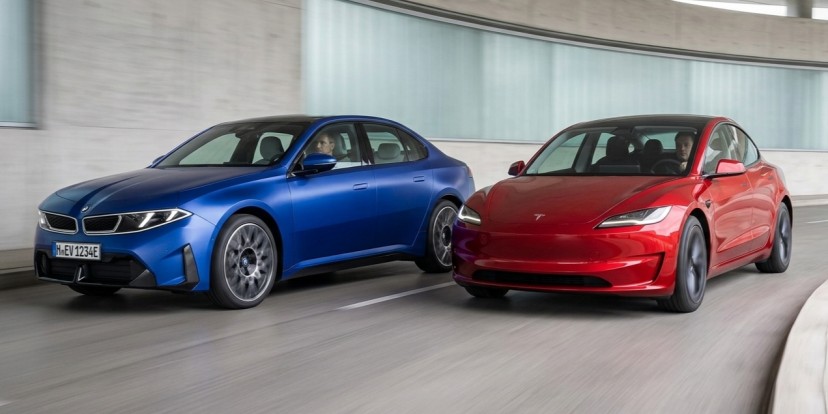 www.arenaev.com
Since its arrival, the Tesla Model 3 has been the benchmark for electric sedans. Almost every other automotive company tried to beat it, but few came close. The Model 3 was the definition of a great electric vehicle, but with the Neue Klasse and its all new i3 BMW seems to have a legitimate claim of having something significantly better..
If somehow you've managed to miss the news, the i3 isn't a battery version or a refresh of a familiar car - it is a completely fresh start for the German brand. Based on the "Neue Klasse" platform, this electric sedan wants to beat the world's favorite in ways that actually matter to drivers, like how far it goes, how fast it charges, and of course - how well it drives.
The Tesla Model 3 has seen its sales dip recently, but it still remains the target everyone wants to hit. The new BMW i3 tries to do that by channeling the spirit of the famous 3 Series sedan. It brings a mix of high-tech features and a premium interior that will try to pull buyers away from Tesla. The Model 3 is known for being simple and fast, but BMW wants to prove that an electric car can be both smart and truly luxurious.
BMW i3 vs Tesla Model 3: The 5 key differences
The new BMW i3 wants to dethrone the Tesla Model 3 by offering superior driving range, faster charging, and a more luxurious interior.
www.arenaev.com
FiestaST
Honorary Master
FiestaST
Honorary Master
Kia EV4 vs Tesla Model 3 - Drive.com.au