The Xiaomi EV Thread

Xiaomi sales hit over 21,000 vehicles in March as new SU7 sedan joins the lineup

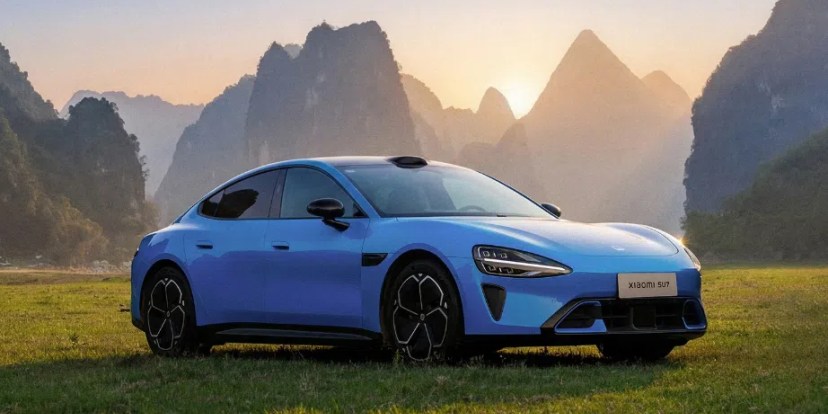
In a very short space of time, Xiaomi has gone from being a force in tech to a serious player in the world of electric cars. The latest data shows that the company moved 21,440 EVs during the month of March. While that number might not sound massive compared to industry giants, the story behind the numbers shows exactly where the brand is heading. The month was a mix of a slow-moving SUV and a very fast-starting sedan.

The total delivery figure of 21,440 cars is a small jump of about 5% compared to February. But when you look back at the same time last year, the company actually saw a drop of nearly 27%. Why the roller coaster? February is usually a slow month in China because of the long Lunar New Year holiday. Most people are busy visiting family rather than shopping for a new set of wheels. Xiaomi also spent that time preparing for its biggest launch yet: the revamped SU7 sedan.

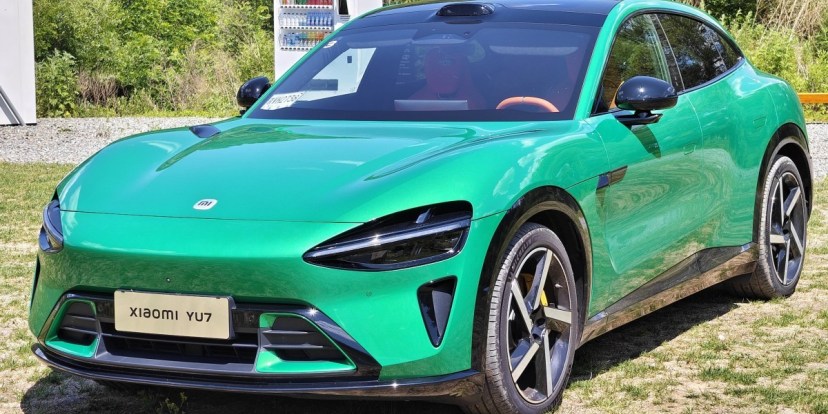
The reliable YU7 SUV remains the main breadwinner for the company for now. In March, Xiaomi delivered 13,558 units of this SUV, accounting for more than 63% of everything the company sold during the month. Even so, the YU7 saw its own struggle. Its sales dropped by nearly 33% compared to February. It seems some buyers might have been keeping their wallets closed while they waited to see what the new sedan looked like.

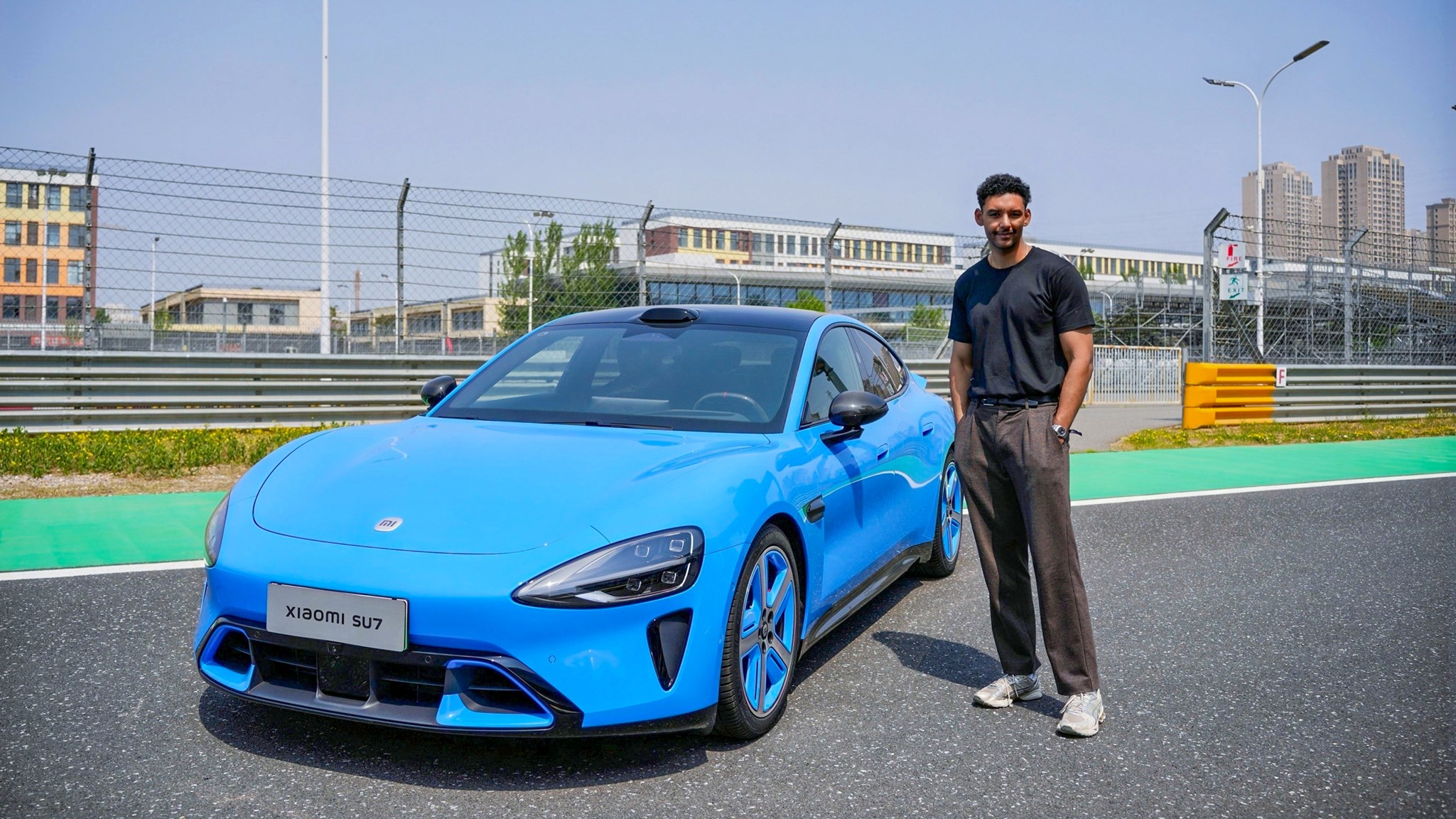
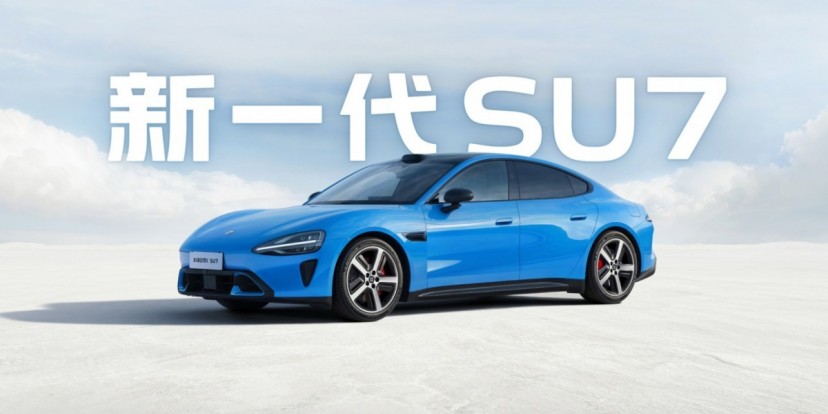
The real star of the March report is the SU7 sedan. Xiaomi officially launched the new generation on March 19. They did not waste any time getting cars to customers, with the first deliveries starting on March 23. In just those few remaining days of the month, the company handed over 7,882 units of the SU7 to new owners. The company only delivered 218 units of the older version in February.
 
Xiaomi teases the YU7 GT's impressive performance numbers

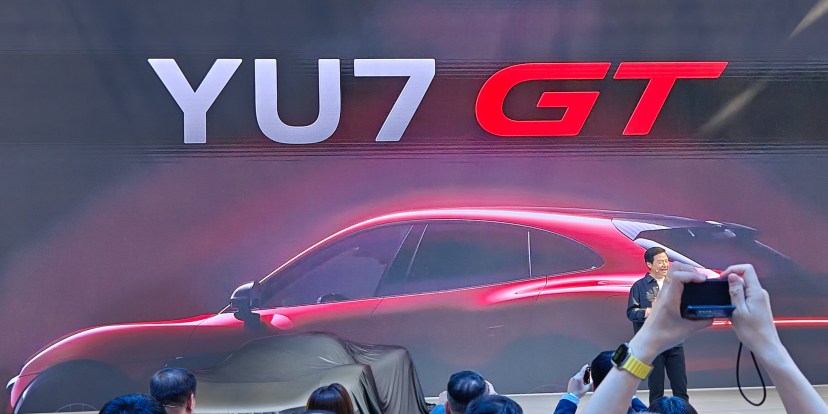
Xiaomi is going to finally fully unveil the much-anticipated YU7 GT next month. The YU7 GT is, as the name implies, the performance version of the company's first SUV, the YU7, which launched last year. It's the YU7's slightly toned down version of the SU7 Ultra, basically, with a different name.

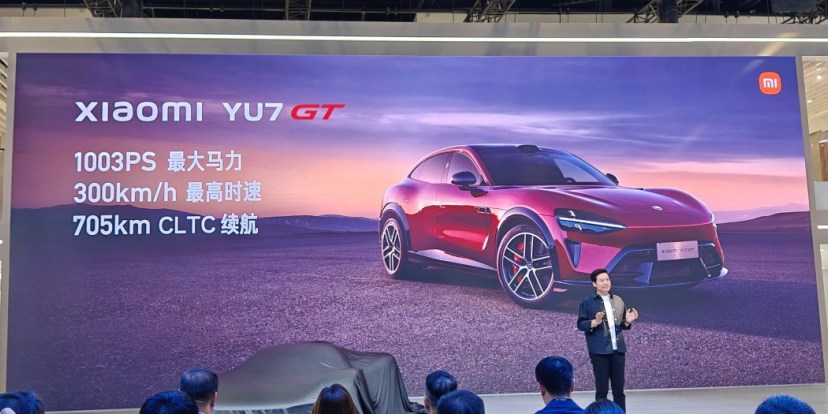
Ahead of the full unveiling, Xiaomi has now teased a few of the YU7 GT's performance numbers at an event in China. The car will have a power output of 1,003 PS or 989 hp.

Its top speed will be 300 km/h and its maximum range, according to the CLTC standard, will reach 705 km. According to Xiaomi CEO Lei Jun, the YU7 GT is the company's first car that has received deep involvement from its European R&D center, with the aim to give it a "precise driving dynamic" that feels "German-tuned".


1777061481030.png

1777061494505.png
 
Xiaomi shares more details on European launch, RHD models

Xiaomi has, for quite a long time now, told us that it plans to start selling its cars in Europe next year. If you've been hoping for a more concrete timeline, we have that for you today, although it's still rather vague - just less vague than before.

Basically, the company plans to launch its sales in Europe in the second half of 2027. It will initially bring its most expensive models to this market, and will at first focus on the most developed countries in the continent. The cheaper car options will follow afterwards, as will the developing countries within Europe.

Xiaomi will also start making right hand drive vehicles, at some point in early 2028, which is also when it expects to start selling them in markets that require them. While Xiaomi hasn't said anything about it, we assume the UK will be the first or among the first markets to get the right hand drive cars in 2028.

 
Xiaomi EV sales jump as powerful new YU7 GT prepares for launch

Xiaomi is quickly becoming a major name in the auto industry. The company shared very good news about how many vehicles it sold in April - it delivered more than 30,000 EVs to customers. This is a big step up from the month before. In March, the company handed over 21,440 cars.

The company did not give the exact final number yet, but the 30,000 mark is a big deal. We usually see the official data from the China Passenger Car Association later in the month. This sales jump shows that Xiaomi is moving past the small ups and downs it saw earlier in the year. It also shows that the brand is capable of building and shipping cars much faster than many people expected.

Xiaomi has set a very high goal for itself this year. The company wants to deliver 550,000 electric cars by the end of 2026. This would be over a 30% increase over the 410,000 cars they sold in 2025. To hit that target, the company needs to keep its factories busy and its customers happy, and so far, the plan seems to be working.

A big part of this success comes from the Xiaomi SU7. This is a newer version that is starting to sell in large numbers. By late April, the company had 60,000 people who had already paid and locked in their orders for the new version of the SU7. At that time, Xiaomi had already delivered 26,000 of them. This car was officially launched on March 19, and deliveries started just a few days later.

 
Xiaomi stock soars as SU7 orders explode and new electric SUV nears launch

Xiaomi's stock price in Hong Kong jumped by 6.75% on Monday. Investors are excited because the company's first car, the SU7, is a hit. The stock ended the day at HK$30.98. Some companies might be struggling to sell EVs, but Xiaomi have found a secret recipe for success.

In just six weeks, the company received more than 70,000 locked-in orders for the refreshed SU7 sedan. For a brand that only recently started making cars, these numbers are quite impressive. To keep things moving smoothly, Xiaomi is making some changes to how they build the vehicles. Starting May 6, they will remove some of the extra options buyers can pick. This sounds like they are taking away choices, but they are doing it to make the factory work faster.

If you are a shopper in China looking for a deal, you have to move fast. The special "launch perks" for the SU7 are ending on May 5 at midnight. For the Standard and Pro versions, these extras are worth RMB 44,000, which is about €5,500.

The top-end version of the car is the SU7 Max, and its free extras are worth even more at RMB 69,000. This includes a cabin that is extra quiet and parts made of lightweight carbon fiber. After the May 5 deadline, these deals go away. Xiaomi says that even if they stop offering a certain color or seat type, they will still keep spare parts for repairs. They don't want early buyers to worry about fixing their cars ten years from now.

 
Xiaomi's upcoming full-sized YU9 SUV spotted in the wild once again

Xiaomi's third vehicle, dubbed Xiaomi YU9, was first spotted last summer, rocking a heavy camouflage. Later, the three-row SUV was teased by Xiaomi's CEO himself.

Now, we get another look at the vehicle but with a tad lighter camouflage, revealing more of the front fascia and headlights design. Additionally, since we are seeing the YU9 out in the streets, it's probably safe to assume that the announcement is very near.


1777998128098.png
 
Xiaomi SU7 sales surge as the smartphone giant finds its groove

Xiaomi is officially now a major player in the world of electric cars. Their first sedan, the Xiaomi SU7, is proving to be a massive hit with drivers. In just 48 days after the launch of the refreshed model on March 20, the company locked in over 80,000 orders. These are confirmed customers who paid a deposit to secure their delivery spot.

In April 2026, Xiaomi delivered more than 30,000 vehicles - a huge number for a brand that is still very new to the auto industry. Sales figures have been fluctuating, but the overall trend shows a growing interest. Xiaomi sold 21,440 cars in China during March, a bit of a dip compared to earlier months, but the April surge proves the SU7 is back on the right track.

Buying electric cars often comes down to the price tag, and Xiaomi keeps things competitive. They offer three different versions of the sedan to fit different needs and budgets. The Standard model starts at RMB 219,900, which is about €27,500. If you want the mid-range Pro version, the price moves up accordingly. For those who want the fastest and most powerful option, the Max variant costs RMB 303,900, or roughly €38,000. By keeping the price under the level of many luxury rivals, Xiaomi is attracting a lot of attention from general buyers.

Xiaomi is also offering some extra perks to keep the momentum going. If you buy a car between May 6 and May 31, you get a bundle of incentives. People who choose the Standard or Pro models receive benefits worth €5,250. If you go for the top-of-the-line Max version, those perks jump to €7,620. These extras include zero-gravity seats with built-in massage functions. You also get better storage options and the company's advanced HAD driving system.

Xiaomi offers a five-year loan with low interest rates as well. Buyers need to put down a minimum payment of RMB 49,900 (€6,200). After that, the monthly payments start at RMB 3,115 (€389). This makes the dream of owning a modern electric car much more realistic for families and young professionals.

 
New 990-HP Xiaomi YU7 GT hits the streets ahead of the official debut

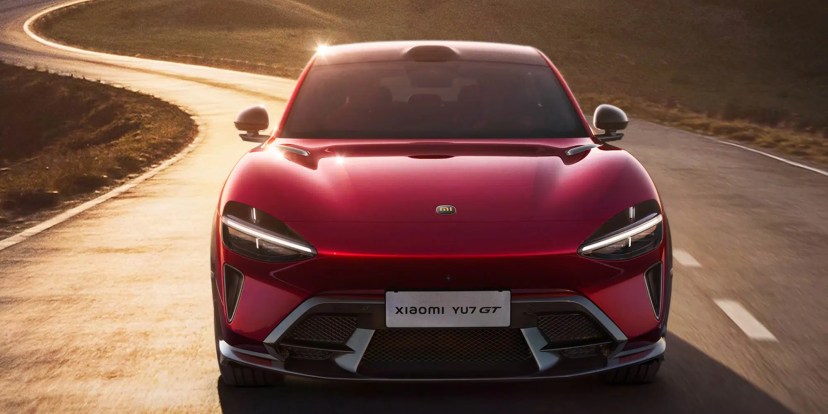
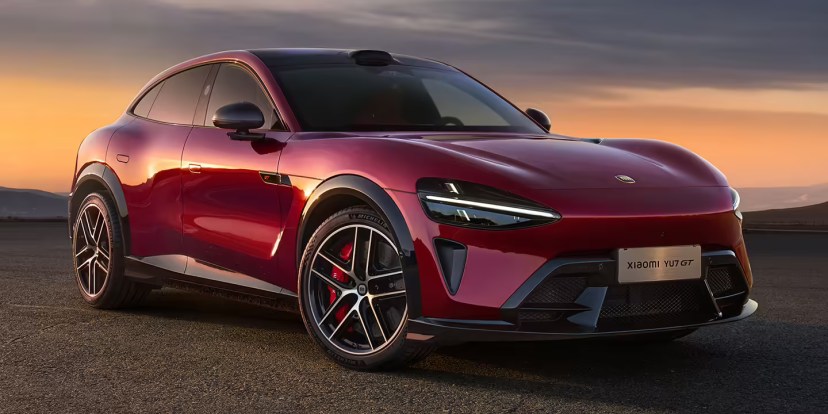
Xiaomi is moving up quickly in the auto industry, proving that its transition from smartphones to electric cars is not a fluke. The company is preparing to launch its latest high-performance offering, the Xiaomi YU7 GT. Sightings of the vehicle at the factory, and now on the streets in China, suggest that mass production is already moving forward. Clad in a deep burgundy shade called "Cherry Red," the YU7 GT looks like a serious option for those who want the utility of an SUV with the soul of a supercar.

The first units are already heading to showrooms across China, giving the public a first real look at what 990 horsepower looks like in a family-sized package. The "GT" in the name stands for Grand Tourer, and Xiaomi is very specific about why it chose these letters over the "Ultra" badge found on its track-focused sedans.

The Ultra models focus on lap times and raw aggression, but the YU7 GT is all about balance. It wants to provide a high-speed travel experience without making the passengers feel like they are trapped in a carbon-fiber cage. Xiaomi calls it a "sports car-level SUV for travel" - you can cross a country quickly while still being able to feel your legs when you arrive at your destination.

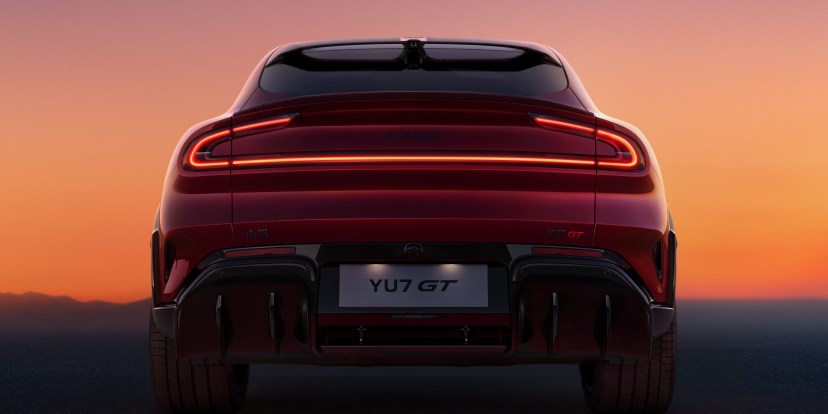
Physically, the Xiaomi YU7 GT is a substantial vehicle. It measures 5015 mm in length and 2007 mm in width. With a height of 1597 mm and a generous wheelbase of 3000 mm, it sits firmly in the mid-to-large SUV category. To give it a more muscular stance, designers widened the front fenders and added an aggressive splitter to the front bumper. The body features ten sets of through-air channels designed to manage airflow at high speeds - necessary when you consider the amount of power hidden under the floor.


1778656736371.png
 
Xiaomi YU7 GT is the fastest production SUV to go around the Nürburgring

Xiaomi's upcoming YU7 GT has just become the world's fastest production SUV around the Nürburgring Nordschleife, with a lap time of 7:34.931. The record was achieved with Xiaomi chief test driver Ren Zhoucan behind the wheel.

Previously, the record for the fastest production SUV was held by the Audi RS Q8 Performance with a lap time of 7:36.698. The second-best time prior to the YU7 GT taking the crown was achieved by the Porsche Cayenne Turbo GT - 7:38.925.

Xiaomi founder and CEO Lei Jun praised the YU7 GT's achievement, stressing how the higher center of gravity in SUVs makes posting an ideal time on the famous circuit highly difficult.

Xiaomi will fully unveil the YU7 GT on May 21, but the company has already revealed that it has a dual-motor system delivering 738kW or 990hp. It has carbon-ceramic brake discs and was jointly developed by Chinese and European experts. It has a top speed of 300 km/h and a range of up to 705 km under the optimistic CLTC testing conditions.


1779216382430.png
 
The Xiaomi YU7 GT has smashed the SUV record at the Nürburgring

Certainly looks a little bit familiar though, doesn’t it? Ferrari’s lawyers must be busy…

Xiaomi has unveiled a new range topping trim for its YU7 SUV, and because the Chinese firm has recently developed a healthy obsession with German forests, it decided the best way to create some noise around it was to fire it around the Nürburgring.

We shouldn’t be surprised given that its twin electric motors combine to produce a total of 989bhp, but still... it was really very quick indeed.

In fact, the YU7 GT set a ludicrously quick time of 7m 22.755s, smashing the Audi RSQ8’s previous SUV record by a full 14 seconds. Must be those racing stripes…

Xiaomi says this is its first model to be developed “with deep involvement from technical experts at Xiaomi EV's Europe R&D Centre”. Its team in Munich apparently spent two years tuning the car, and you can watch the results of their work in the video below. It’s a stonkingly fast and yet still surprisingly serene ‘Ring lap.


Real demand or leftover stock? The truth behind Xiaomi’s electric SUV inventory

The internet loves a quick conclusion, especially when it involves technology giants entering the automotive world. When Xiaomi Auto founder Lei Jun announced that customers could pick up a limited number of YU7 electric SUVs within a few hours, online critics quickly claimed that the vehicle was losing its appeal. Commentators jumped on the news to suggest that weak consumer demand was creating unmanageable inventory - official data and upcoming product strategies tell a completely different story.

A closer look at the ordering platform reveals exactly where these rapid-delivery YU7 come from. Instead of a factory floor overflowing with unwanted electric cars, the immediate stock is made up of mostly vehicles from canceled orders or transactions that failed due to finance issues. Xiaomi also includes "almost-new" models in this mix. These units suffered minor cosmetic damage during transport before registration, and the company sells them with complete repair history disclosed to buyers.

This type of fast delivery is not a sudden emergency measure for the brand. In May, Xiaomi announced that some existing stock vehicles could reach customers in just two hours. This is a massive shift from the early days of the YU7, when buyers routinely faced waiting periods between 33 weeks and 56 weeks depending on the configuration they chose. The manufacturer attributes the shorter lead times to improved production capacity rather than a sudden drop in customer interest.

In fact, normal custom orders for the YU7 still need a lot of patience. Buyers who customize their vehicles must wait between 6 weeks and 9 weeks for delivery. Like the earlier SU7 sedan, the YU7 SUV experienced a massive wave of initial orders that naturally quieted down over time. Critics pointed to the cooling enthusiasm as a sign of trouble, but market experts view this deceleration as a standard normalization phase for any highly anticipated launch.

 
Top
Sign up to the MyBroadband newsletter
X