TysonRoux
Honorary Master
A reporter asked about Sen. King, and the Orange hick responded "he's a Democrat, ......it was staged".
 www.pressherald.com
The Maine senator, an independent, participated in a call with Democratic senators in which he reportedly told the vice president that he had "never been so mad about a phone call in my life."
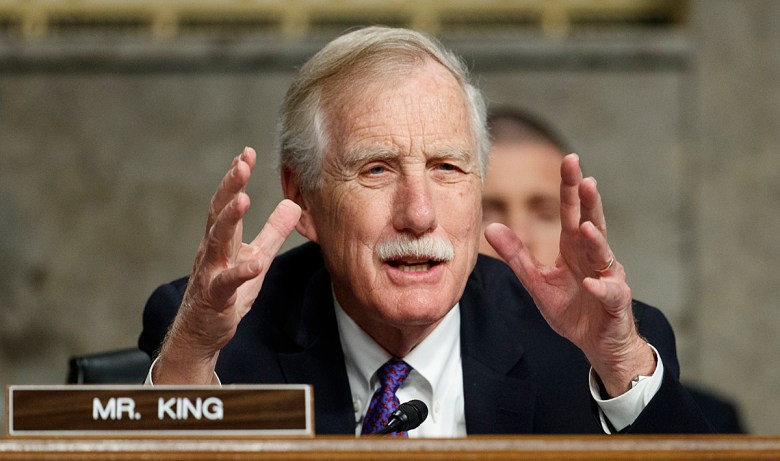
Sen. Angus King vented his frustrations about the Trump administration’s coronavirus response directly to Vice President Mike Pence during a tense conference call Friday, calling the administration’s failure to rapidly expand testing a “dereliction of duty.”
“I have never been so mad about a phone call in my life,” King said during the call, multiple members of the Washington press corps reported on Twitter.
King’s “dereliction of duty” comment was described to The Washington Post by a person who joined the hourlong call but was unauthorized to discuss it and granted anonymity. Contacted Friday night, King spokesman Matthew Felling would neither confirm nor deny to the Press Herald whether the senator used those words because Felling did not listen to the call.
Later Friday, King publicly expressed his anger with the administration, which he says is offloading its responsibilities to states.
“If you know me, you know I’m a pretty even-tempered guy – but right now I’m angry,” King tweeted Friday evening. “We need widespread testing to understand the scope of this problem and the administration has the tools to lead the charge.”
So far, President Trump has shifted much of the responsibility for responding to the deadly pandemic to state governors.
On call with Pence, Sen. King calls administration’s failure to expand testing a ‘dereliction of duty’
The Maine senator, an independent, participated in a call with Democratic senators in which he reportedly told the vice president that he had "never been so mad about a phone call in my life."
www.pressherald.com
The Maine senator, an independent, participated in a call with Democratic senators in which he reportedly told the vice president that he had "never been so mad about a phone call in my life."
Sen. Angus King vented his frustrations about the Trump administration’s coronavirus response directly to Vice President Mike Pence during a tense conference call Friday, calling the administration’s failure to rapidly expand testing a “dereliction of duty.”
“I have never been so mad about a phone call in my life,” King said during the call, multiple members of the Washington press corps reported on Twitter.
King’s “dereliction of duty” comment was described to The Washington Post by a person who joined the hourlong call but was unauthorized to discuss it and granted anonymity. Contacted Friday night, King spokesman Matthew Felling would neither confirm nor deny to the Press Herald whether the senator used those words because Felling did not listen to the call.
Later Friday, King publicly expressed his anger with the administration, which he says is offloading its responsibilities to states.
“If you know me, you know I’m a pretty even-tempered guy – but right now I’m angry,” King tweeted Friday evening. “We need widespread testing to understand the scope of this problem and the administration has the tools to lead the charge.”
So far, President Trump has shifted much of the responsibility for responding to the deadly pandemic to state governors.