Vera Rubin Observatory

Binary_Bark

Forging
Joined
Feb 24, 2016
Messages
41,749
Reaction score
23,683
Location
Midgard


Last edited:

Globular Clusters: The Vera Rubin Observatory is Just Getting Started​


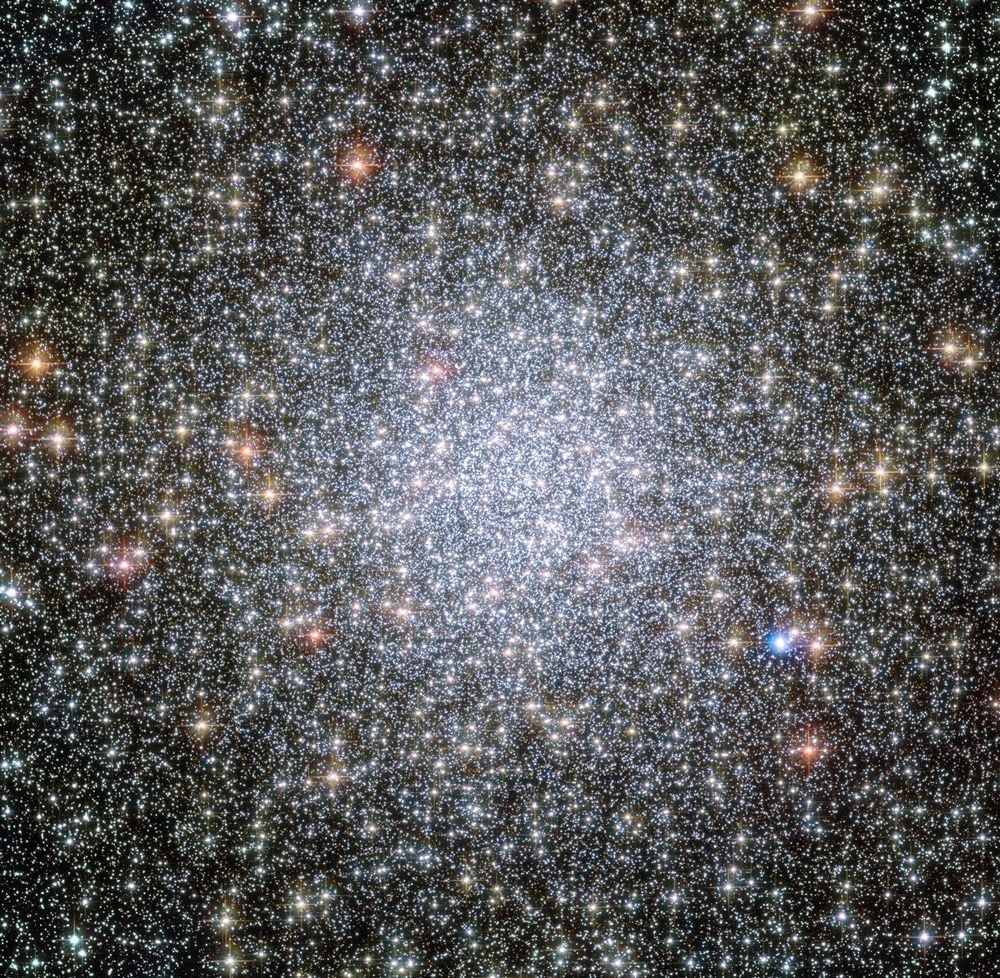
Astronomers have studied the globular cluster 47 Tucanae extensively, but still have many questions. It may have an intermediate mass black hole in its center like Omega Centauri is expected to have. There are reasons to believe it may be the remnant of a dwarf galaxy that was gobbled up by the Milky Way, like other GCs. Also like other GCs, its center is extraordinarily dense with stars, and astronomers aren't certain how far the cluster spreads. Individual stars in 47 Tuc are difficult to observe because they're so tightly packed in the center and because they're difficult to differentiate from field stars on its outer edges. Can the Vera Rubin Observatory help?


The Biggest-Ever Digital Camera Is This Cosmologist’s Magnum Opus​


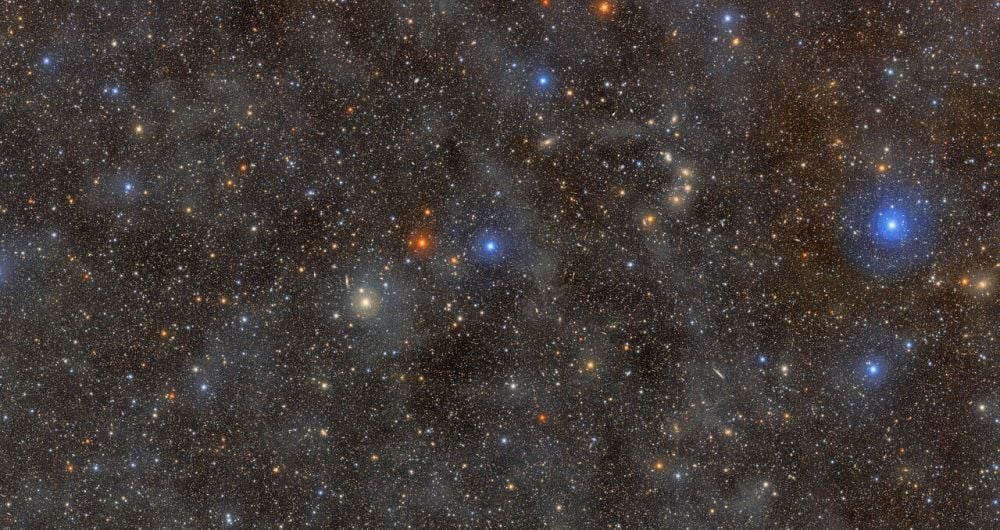
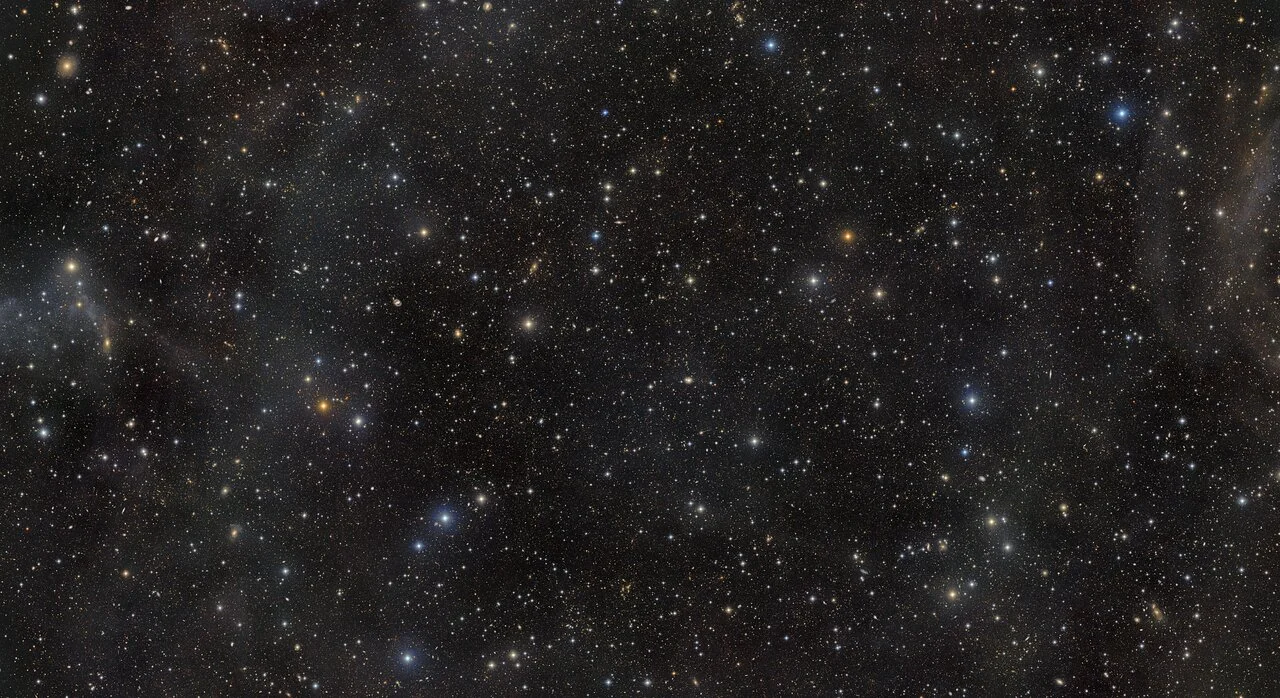
On June 23, 2025, Tony Tyson joined a presentation in Washington, D.C., to unveil an image almost 30 years in the making: 10 million galaxies poised on an inky black backdrop. To appreciate each galaxy in detail, you’d have to stretch the picture across 400 TVs. It’s the first portrait of the cosmos delivered by the Vera C. Rubin Observatory, a new astronomical facility built by the United States on a mountain in Chile. And it captures just 0.05% of the galaxies that the observatory’s mammoth camera will record over the next decade.


Rubin Observatory peers into the 'hidden universe' and discovers stream of stars longer than our entire Milky Way​

xmz4QmZDXbu37AFS99Q5AW-650-80.png.webp


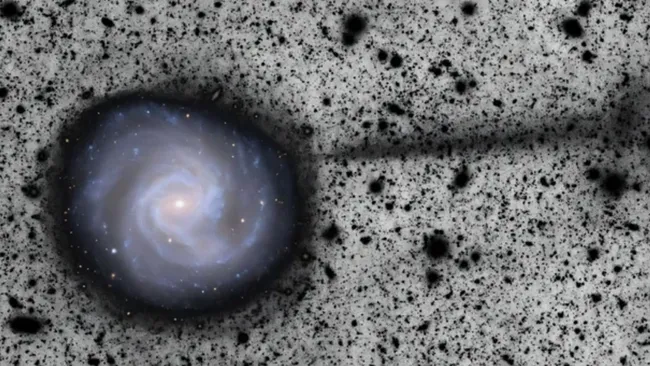
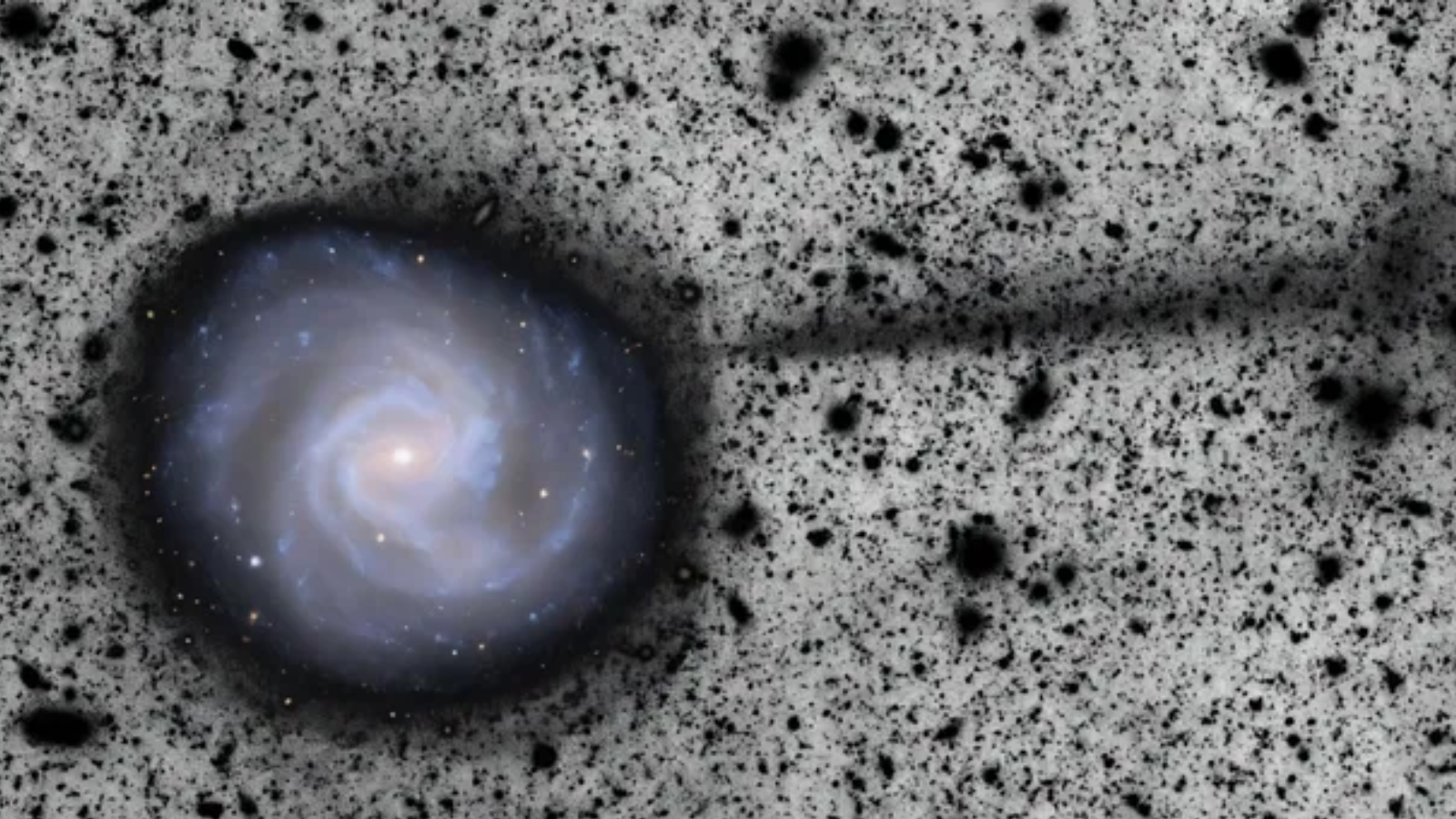
Despite still not being fully operational, the Vera C. Rubin Observatory is already making waves. The observatory, which features the world's biggest and most sensitive digital camera, the 3.2-gigapixel LSSTCam, recently allowed astronomers to discover a stream of stars wrapped around the distant galaxy Messier 61 (M61).

This stream is 10,000 light-years wide and around 170,000 light-years long, exceeding the width of the visible Milky Way, which is estimated to be about 100,000 light-years wide. The team behind the discovery believes that the stream is what remains of a dwarf galaxy once cannibalized by M61 that is now getting a measure of revenge by causing turbulence at the heart of this spiral galaxy. The sheer size of this stellar stream and the fact that M61, also known as NGC 4303 and located around 55 million light-years away, is well studied, make it extraordinary that this stellar stream or "tidal tail" hasn't been discovered before.
 

The Rubin Observatory will change the game for astronomy – if satellite companies don't get in the way​


PHOENIX — In June of 2025, we were greeted with a set of space images so special that one scientist even deemed them worthy of the title "astro-cinematography." Indeed, they were unbelievable, dotted with TV-static-like dots representing millions of galaxies, printed with nebulas resembling watercolor canvases, and bursting with data about some of the farthest cliffs in our observable universe.


Rubin Alert Leads to First Follow-Up Observations and Detection of Four Supernovae​


The Vera C. Rubin Observatory commenced operations last summer with the release of its "first light" images. During its ten-year Legacy Survey of Space and Time (LSST), the observatory will study the Universe for indications of Dark Matter and Dark Energy. It will also create an inventory of objects within the Solar System, and explore the sky for "transient" objects - i.e., those that move or change in brightness. These include asteroids, comets, interstellar objects (ISOs), transient stars, and supernovae.


The Vera C. Rubin Observatory has Discovered 11,000 New Asteroids, and It's Barely Even Started!​


The Vera C. Rubin Observatory was built with an ambitious purpose in mind. As part of its 10-year Legacy Survey of Space and Time (LSST), the Rubin Observatory will gather about 30 petabytes of data. This will include creating an inventory of the Solar System, transient objects (such as supernovae and variable stars), and mapping the Milky Way. Using preliminary data gathered by the Observatory, scientists have already discovered 11,000 new asteroids in the Solar System. These results were confirmed by the International Astronomical Union's Minor Planet Center (IAU-MPC).


Rubin Tracks Skyscraper-Size Asteroids, Failed Supernovas, and Interstellar Visitors​


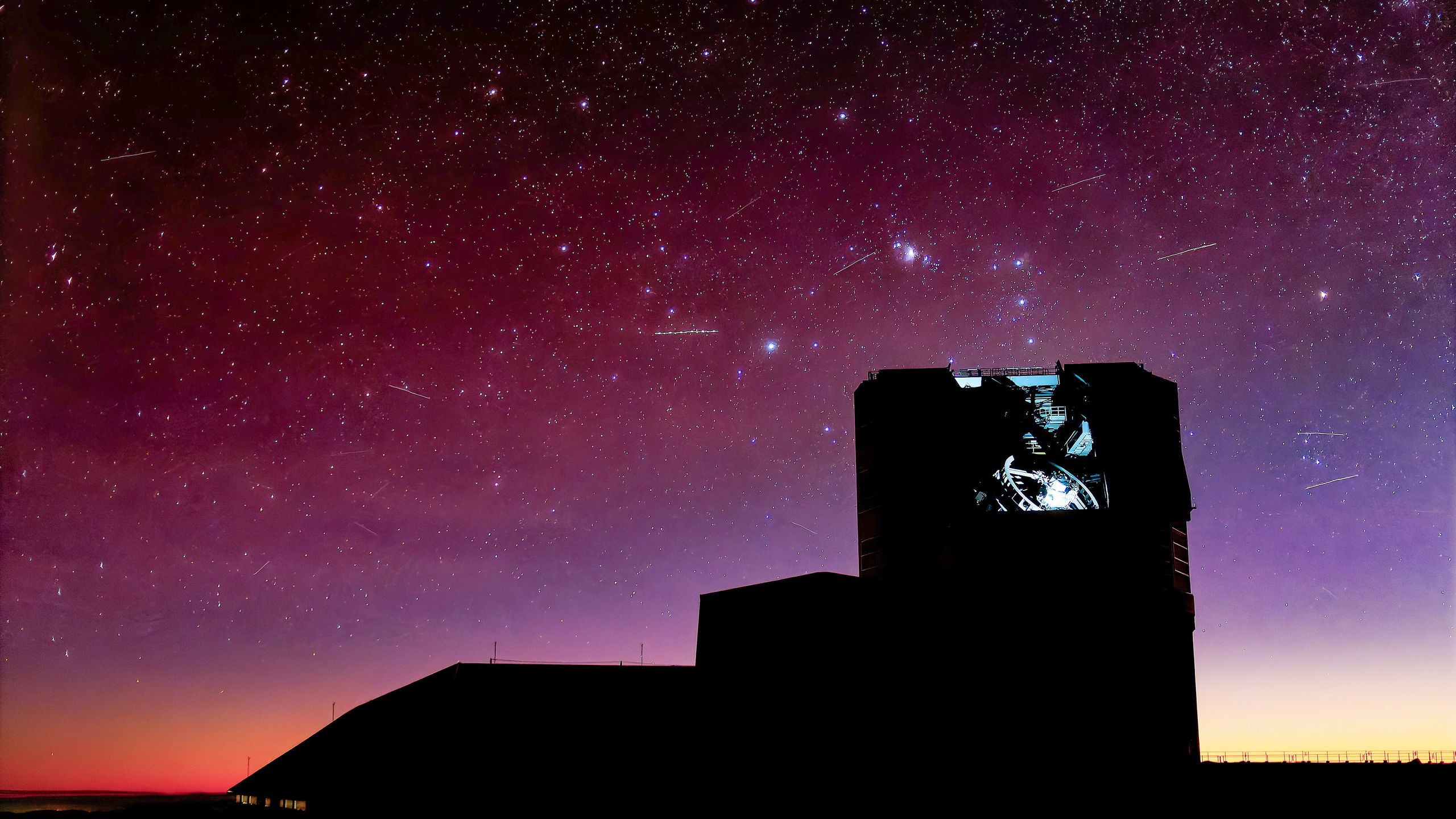
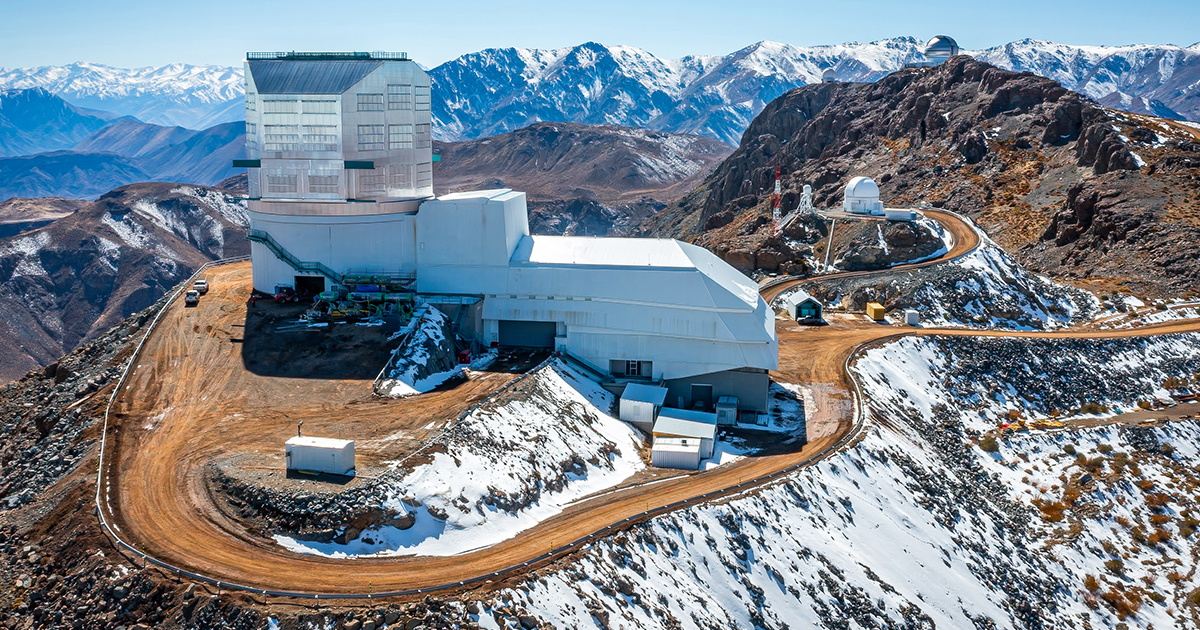
Over the years, anticipation has built for the start of observations at the Vera C. Rubin Observatory in the mountains of the Atacama Desert in Chile. Originally imagined in the mid-1990s as the Dark Matter Telescope, Rubin is designed to study our constantly moving and changing universe in greater detail than ever before. Once every few days for a decade, Rubin will take images of the entire night sky over the Southern Hemisphere, creating the world’s largest time-lapse movie.

 
Top
Sign up to the MyBroadband newsletter
X