Ming-Chi Kuo: Apple is working on an improved C1 modem with mmWave support
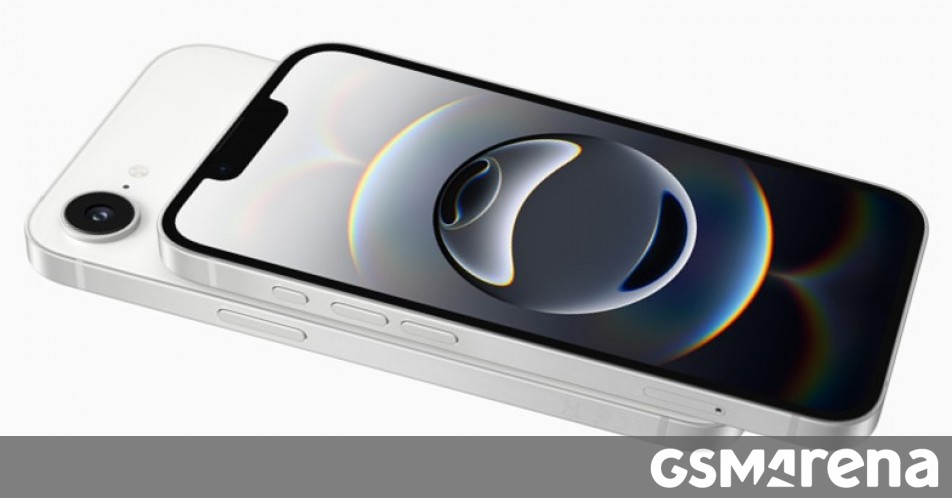
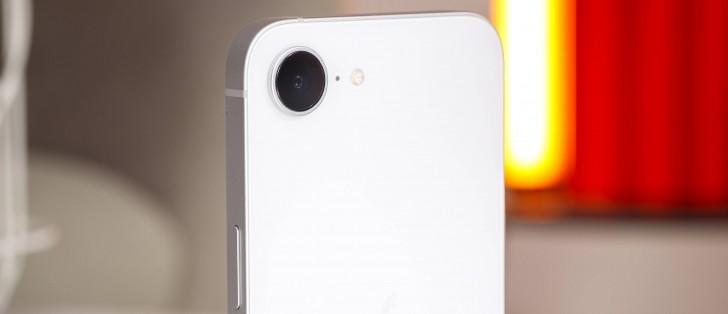
There are surprisingly few companies making their own 5G modems – and as of last week, Apple is now one of them. Their first go is the Apple C1 found inside the iPhone 16e. While Apple touted its power efficiency, the C1 does have limitations that will prevent its adoption into the more premium iPhones.
Analyst Ming-Chi Kuo reports that Apple is working on a “refreshed C1” for next year, which will lift the most important limitation – the lack of mmWave support.
The current C1 supports sub-6GHz 5G only. It consists of a 4nm or 5nm baseband, 7nm low-frequency transceivers, 7nm also for the intermediate frequencies and a 55nm Power Management Integrated Circuit (PMIC).
Kuo reports that Apple is unlikely to shift the baseband to 3nm for the next version – it’s not the most power-hungry component of a 5G modem, so there are few gains to be had here.
But what Apple will do is add mmWave transceivers and front-end components (using a 28nm node) to enable the fastest 5G speeds possible (in the regions that even have mmWave, at least). Kuo says that getting mmWave to work isn’t difficult, but a mmWave modem that is both stable and power efficient is tricky.
Previously, Kuo reported that the iPhone 17 Air will use the C1 chip as well as Apple’s in-house Wi-Fi chip. However, the rest of the iPhone 17 family will stick with the Qualcomm 5G modem while also adopting the Apple Wi-Fi chip (previously, Apple used Broadcom chips for that).
Apple's first 5G modem supports only sub-6GHz 5G. There are surprisingly few companies making their own 5G modems – and as of last week, Apple is now one...

www.gsmarena.com


carbonite.co.za