


-
- News
-
Categories
- 5G
- ADSL
- AI
- Banking
- Black Friday
- Broadband
- Broadcasting
- Business
- Business Telecoms
- Cellular
- Cloud and Hosting
- Columns
- Cryptocurrency
- Energy
- Enterprise
- Fibre
- Gadgets
- Gaming
- Government
- Hardware
- Industry News
- Internet
- Internet of Things
- Investing
- IT Services
- Motoring
- Reviews
- Science
- Security
- Smartphones
- Software
- Technology
- Telecoms
- Trending
- Wireless
- Press Office
- Forum
- Industry News
- What's Next
- Company hub
- Speed Test
- About us
- Advertise with us
- Contact
- Careers
-
Join the MyBroadband community
South Africa’s biggest forum. Discuss, discover, and connect with thousands of members.
-
Question of the Day: Have you ever flown Business Class or First Class?
- Forums
- General discussions
- Motoring and Transportation: Cars, Bikes and Plane
- General Motoring News and Reviews
You are using an out of date browser. It may not display this or other websites correctly.
You should upgrade or use an alternative browser.
You should upgrade or use an alternative browser.
New Ford Explorer (EV)
- Thread starter FiestaST
- Start date
FiestaST
Honorary Master
FiestaST
Honorary Master
FiestaST
Honorary Master
The old rivalry's back: Vauxhall Grandland vs Ford Explorer
These two brands have been the ‘pile it high, sell it cheap’ kings of the UK market for decades, but their new core models take a very different tack...
This test wasn’t a particularly long distance, but we have masses of experience with the Ford’s drivetrain and can confidently say it’ll do 280 sanely driven motorway miles on a warmish day, and more on gentler roads. The Vauxhall would be 250 on the motorway. But a gotcha is that Ford asks extra for a heat pump that’s standard on the Vauxhall. So an unequipped Explorer is likely to suffer more in winter. Peak charge power is slightly higher for the Vauxhall and its battery is slightly smaller so on a common 150kW post it’ll be a few minutes quicker 10–80 per cent, getting it done in just under half an hour. But of course that 80 per cent will get you less far.
If you can stand the meeker performance and range, the Vauxhall looks cheaper. For this ultimate spec with matrix lights, pano sunroof, upgraded hi-fi, heat pump and 20s, it’s £45,195. That lot on the Ford means the Premium trim at £49,975 plus two option packs adding £2,350.
We’d be happy with this Select trim for the Explorer. It’s better to drive and quicker. It wins against the Grandland. That’s settled the old binary battle of British adversaries. The industry back story is a little more coloured. Ford might sell a better Volkswagen, but Peugeot sells a better Vauxhall.


These two brands have been the ‘pile it high, sell it cheap’ kings of the UK market for decades, but their new core models take a very different tack...
This test wasn’t a particularly long distance, but we have masses of experience with the Ford’s drivetrain and can confidently say it’ll do 280 sanely driven motorway miles on a warmish day, and more on gentler roads. The Vauxhall would be 250 on the motorway. But a gotcha is that Ford asks extra for a heat pump that’s standard on the Vauxhall. So an unequipped Explorer is likely to suffer more in winter. Peak charge power is slightly higher for the Vauxhall and its battery is slightly smaller so on a common 150kW post it’ll be a few minutes quicker 10–80 per cent, getting it done in just under half an hour. But of course that 80 per cent will get you less far.
If you can stand the meeker performance and range, the Vauxhall looks cheaper. For this ultimate spec with matrix lights, pano sunroof, upgraded hi-fi, heat pump and 20s, it’s £45,195. That lot on the Ford means the Premium trim at £49,975 plus two option packs adding £2,350.
We’d be happy with this Select trim for the Explorer. It’s better to drive and quicker. It wins against the Grandland. That’s settled the old binary battle of British adversaries. The industry back story is a little more coloured. Ford might sell a better Volkswagen, but Peugeot sells a better Vauxhall.
FiestaST
Honorary Master
Auto Social UK review of the new Capri
FiestaST
Honorary Master
What Car? review of the new Capri
FiestaST
Honorary Master
FiestaST
Honorary Master
FiestaST
Honorary Master
FiestaST
Honorary Master
Richard Hammond FINALLY Drives the New Ford Capri - DriveTribe
FiestaST
Honorary Master
Motorpoint review of the new Explorer
FiestaST
Honorary Master
Buckle Up review of the new Explorer
FiestaST
Honorary Master
FiestaST
Honorary Master
Ford refreshes electric Explorer with extra range and smarter tech
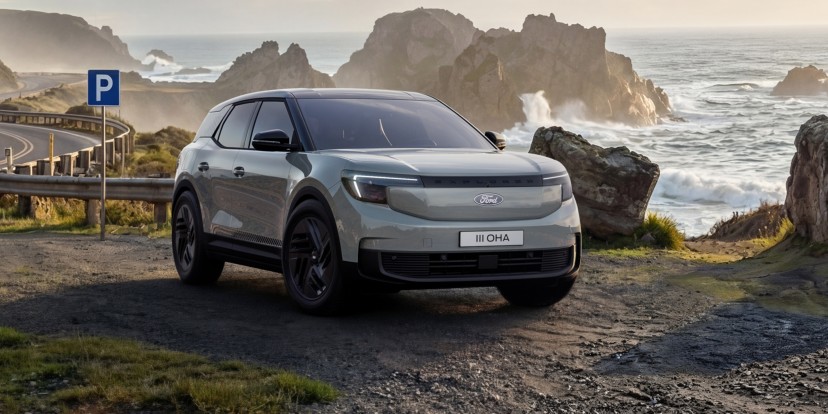
The European electric car market is crowded, and standing out requires constant improvement. Ford revealed several updates for its electric Explorer, a crossover designed specifically for the European driver. The new version addresses previous complaints by adding a better battery, more power, and smarter technology.
One of the biggest changes involves the Explorer Standard Range model. Ford swapped out the old battery for a lithium iron phosphate (LFP) pack. This type of battery is known for being durable and cost-effective. Along with the new battery, the car gets an upgraded electric motor that delivers 188 hp (140 kW) and 350 Nm of torque.
Performance numbers show a clear improvement over the older version. The extra 20 hp (15 kW) and 30 Nm of torque help the electric Explorer reach 100 km/h in exactly 8.0 seconds - nearly a full second faster than the previous model. Range is also better than before. The updated powertrain allows the car to travel up to 444 km on a full charge based on WLTP testing - an increase of 60 km compared to the earlier version.
Ford also focused on making the Explorer safer and easier to drive in traffic. The crossover now features an Intelligent Adaptive Cruise Control system that includes Traffic Light Recognition. This clever tech can see red or yellow lights ahead and automatically slow the vehicle down or bring it to a full stop. For those who struggle with narrow driveways, a new Reversing Assist feature remembers the last 50 meters the car traveled forward. It can then take over the steering to back the car out of tight spots.
Parking becomes even simpler with a feature called Trained Park Assist. Owners can teach the vehicle a specific parking path up to 50 meters long. Once the car learns the route, it can park itself by controlling the steering, acceleration, and braking. Inside the cabin, a massive 14.6-inch touchscreen runs on a new Android-based system. Ford says this makes the menus smoother to navigate and easier to read while driving. The car also gains a one-pedal driving mode, letting the driver slow down simply by lifting their foot off the accelerator.
Safety technology gets a major boost with a system called Driver State Assist, which keeps an eye on the person behind the wheel to ensure they are paying attention. If the driver stops responding, the car can take action. It will turn on the hazard lights, bring the vehicle to a safe stop, unlock the doors, and call for help.
 www.arenaev.com
The European electric car market is crowded, and standing out requires constant improvement. Ford revealed several updates for its electric Explorer, a crossover designed specifically for the European driver. The new version addresses previous complaints by adding a better battery, more power, and smarter technology.
One of the biggest changes involves the Explorer Standard Range model. Ford swapped out the old battery for a lithium iron phosphate (LFP) pack. This type of battery is known for being durable and cost-effective. Along with the new battery, the car gets an upgraded electric motor that delivers 188 hp (140 kW) and 350 Nm of torque.
Performance numbers show a clear improvement over the older version. The extra 20 hp (15 kW) and 30 Nm of torque help the electric Explorer reach 100 km/h in exactly 8.0 seconds - nearly a full second faster than the previous model. Range is also better than before. The updated powertrain allows the car to travel up to 444 km on a full charge based on WLTP testing - an increase of 60 km compared to the earlier version.
Ford also focused on making the Explorer safer and easier to drive in traffic. The crossover now features an Intelligent Adaptive Cruise Control system that includes Traffic Light Recognition. This clever tech can see red or yellow lights ahead and automatically slow the vehicle down or bring it to a full stop. For those who struggle with narrow driveways, a new Reversing Assist feature remembers the last 50 meters the car traveled forward. It can then take over the steering to back the car out of tight spots.
Parking becomes even simpler with a feature called Trained Park Assist. Owners can teach the vehicle a specific parking path up to 50 meters long. Once the car learns the route, it can park itself by controlling the steering, acceleration, and braking. Inside the cabin, a massive 14.6-inch touchscreen runs on a new Android-based system. Ford says this makes the menus smoother to navigate and easier to read while driving. The car also gains a one-pedal driving mode, letting the driver slow down simply by lifting their foot off the accelerator.
Safety technology gets a major boost with a system called Driver State Assist, which keeps an eye on the person behind the wheel to ensure they are paying attention. If the driver stops responding, the car can take action. It will turn on the hazard lights, bring the vehicle to a safe stop, unlock the doors, and call for help.
Ford refreshes electric Explorer with extra range and smarter tech
Ford’s updated electric Explorer gains a more efficient LFP battery and smarter self-parking technology.
www.arenaev.com
FiestaST
Honorary Master
FiestaST
Honorary Master
Ford slashes Capri and Explorer prices by £5000
Electric SUV siblings now start from around £35,000 – but lowered prices cause worry in used car market
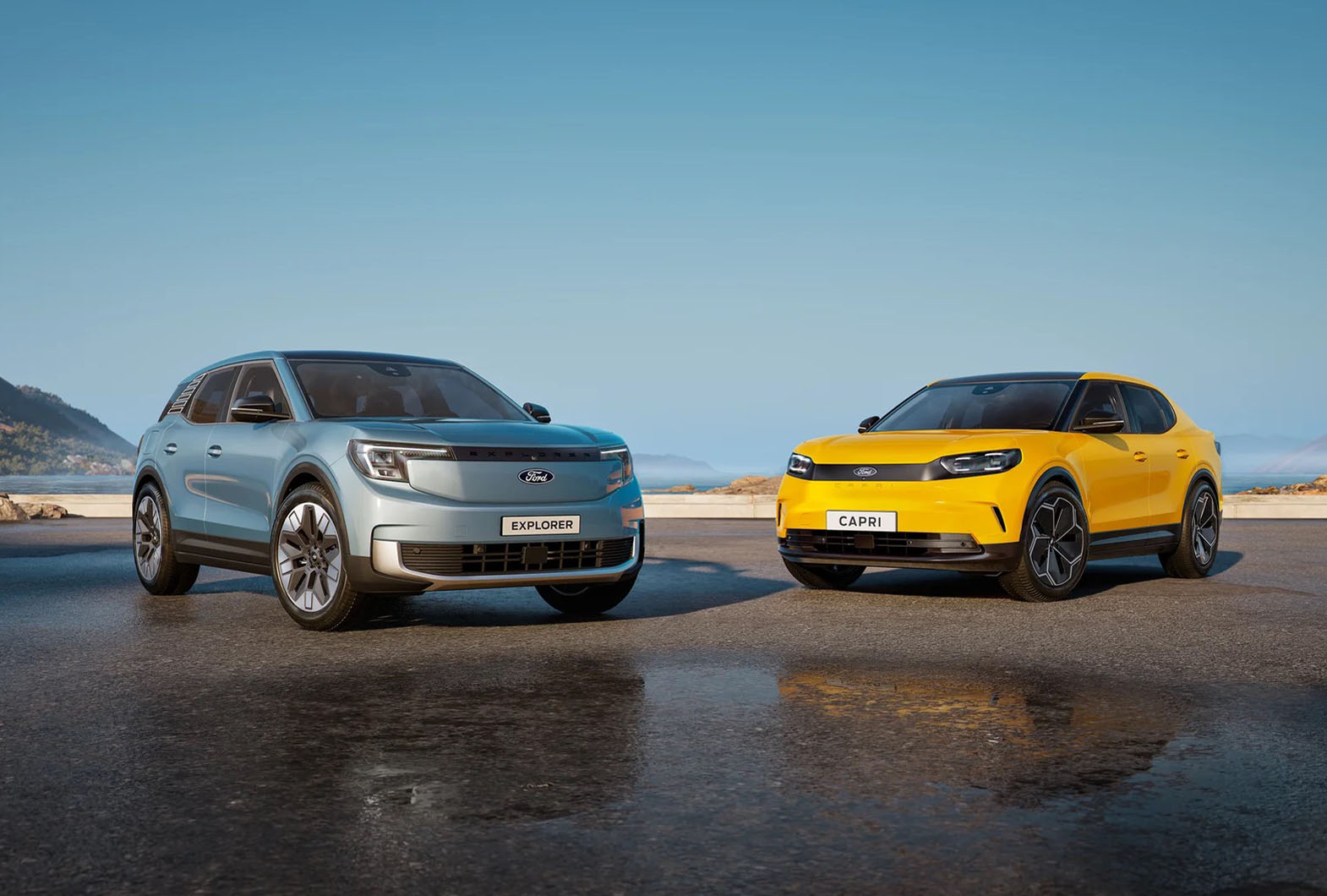
Ford has cut the price of the Explorer and Capri electric SUVs by around £5000 just a week after improving standard equipment levels and extending their ranges.
However, industry insiders have told Autocar that they're worried the move could have a knock-on impact on used car values, not just for Ford EVs but across the market.
The price of the Explorer has dropped by between £4035 and £4800, depending on spec, bringing the starting price down to £35,185 for the rear-driven 58kWh Style model.
The range-topping, four-wheel-drive, 77kWh Explorer Premium now costs less than £50,000. Before April it was nearly £54,000.
The price of the Capri has dropped by between £4080 and £5070, with the base 58kWh Style model now starting at £36,985.
In addition to the price cut, Ford has increased the equipment level and upgraded the battery of Standard Range cars to give them an additional 43 miles of range.
The extra kit includes an updated Sync infotainment system, uprated adaptive cruise control, a reversing assistant, a driver monitoring system and a three-pin outlet to power devices at up to 2.3kW.
 www.autocar.co.uk
Electric SUV siblings now start from around £35,000 – but lowered prices cause worry in used car market
Ford has cut the price of the Explorer and Capri electric SUVs by around £5000 just a week after improving standard equipment levels and extending their ranges.
However, industry insiders have told Autocar that they're worried the move could have a knock-on impact on used car values, not just for Ford EVs but across the market.
The price of the Explorer has dropped by between £4035 and £4800, depending on spec, bringing the starting price down to £35,185 for the rear-driven 58kWh Style model.
The range-topping, four-wheel-drive, 77kWh Explorer Premium now costs less than £50,000. Before April it was nearly £54,000.
The price of the Capri has dropped by between £4080 and £5070, with the base 58kWh Style model now starting at £36,985.
In addition to the price cut, Ford has increased the equipment level and upgraded the battery of Standard Range cars to give them an additional 43 miles of range.
The extra kit includes an updated Sync infotainment system, uprated adaptive cruise control, a reversing assistant, a driver monitoring system and a three-pin outlet to power devices at up to 2.3kW.
The Ford Capri and Explorer are now £5000 cheaper | Autocar
Electric SUV siblings now start from around £35,000 – but lowered prices cause worry in used car market
www.autocar.co.uk
FiestaST
Honorary Master
FiestaST
Honorary Master
FiestaST
Honorary Master

AntennaMan
Expert Member
- Joined
- Apr 17, 2014
- Messages
- 2,689
- Reaction score
- 1,482
After an accident, in one, your mushed remains are washed out with a hosepipe, the other you walk away with a sprained wrist.