


Nicodeamus
Honorary Master
- Joined
- Sep 20, 2006
- Messages
- 14,477
- Reaction score
- 4,530
Cost of different types of energy is sometimes measured using a metric called “levelised cost of energy assessment” (LCOE), which is essentially a banker’s number that concludes that renewables are the cheapest of all energy sources. However, LCOE is not appropriate for assessing the cost of intermittent resources like wind and solar: an in-depth study of the levelised cost of wind power found that “windfarms are not cost effective when a certain output must be guaranteed as major opportunity costs are introduced.”
Let’s not forget to address the elephant in the room: renewables like wind and solar power need a back up, or baseload source of energy. This has historically always been from either fossil fuels or nuclear energy. The back up cost of fossil fuels is not factored into numbers for renewables, which cannot produce power 24/7. While anti-nuclear activists like to disregard this idea because they believe large-scale storage for solving this problem is just around the corner, I counter that they have been making that argument for decades now — indeed I once used to make it myself — and we need to stop gambling on a fantasy outcome. We don’t have time to avoid transitioning to clean energy because we would rather wait for better solutions. Which these activists surely agree with, since their opposition to nuclear energy is based largely on build time.
Before the Russian invasion of Ukraine, in 2019, France’s electricity, 71% of which came from nuclear energy, cost just 59% of energy for German citizens. Germany has been phasing out nuclear power since 2011 and is now suffering a severe energy shortage which has resulted in rationing energy and reopening mothballed coal fired power stations. A poll conducted earlier this year found that 70% of Germans want to keep their three remaining nuclear reactors running — showing a significant shift in German perception of nuclear energy — but even now, Germany still won’t open its nuclear power plants, preferring polluting fossil fuels instead. Ideology can blind people to facts like this, and politicians are no exception.
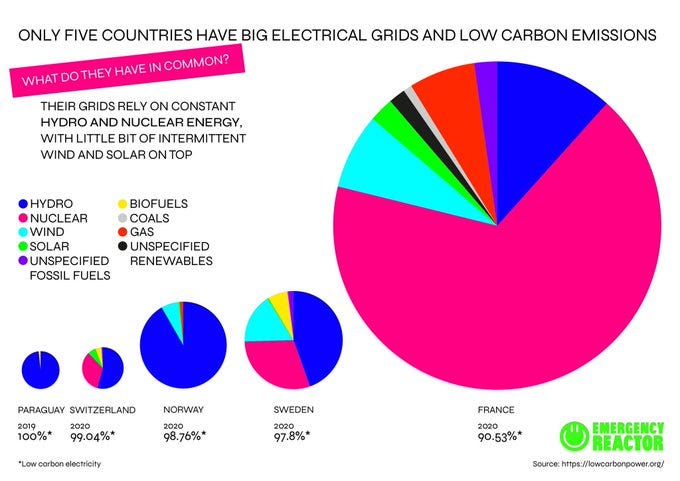
Nuclear power does makes sense, if you understand data
[This article is written in response to a misleading opinion piece in the New York Times, who did not wish to print my reply]
 zionlights.medium.com


/file/dailymaverick/wp-content/uploads/2022/09/h_57946271.jpg)


