Inside the industry: Porsche turned electric dreams into reality
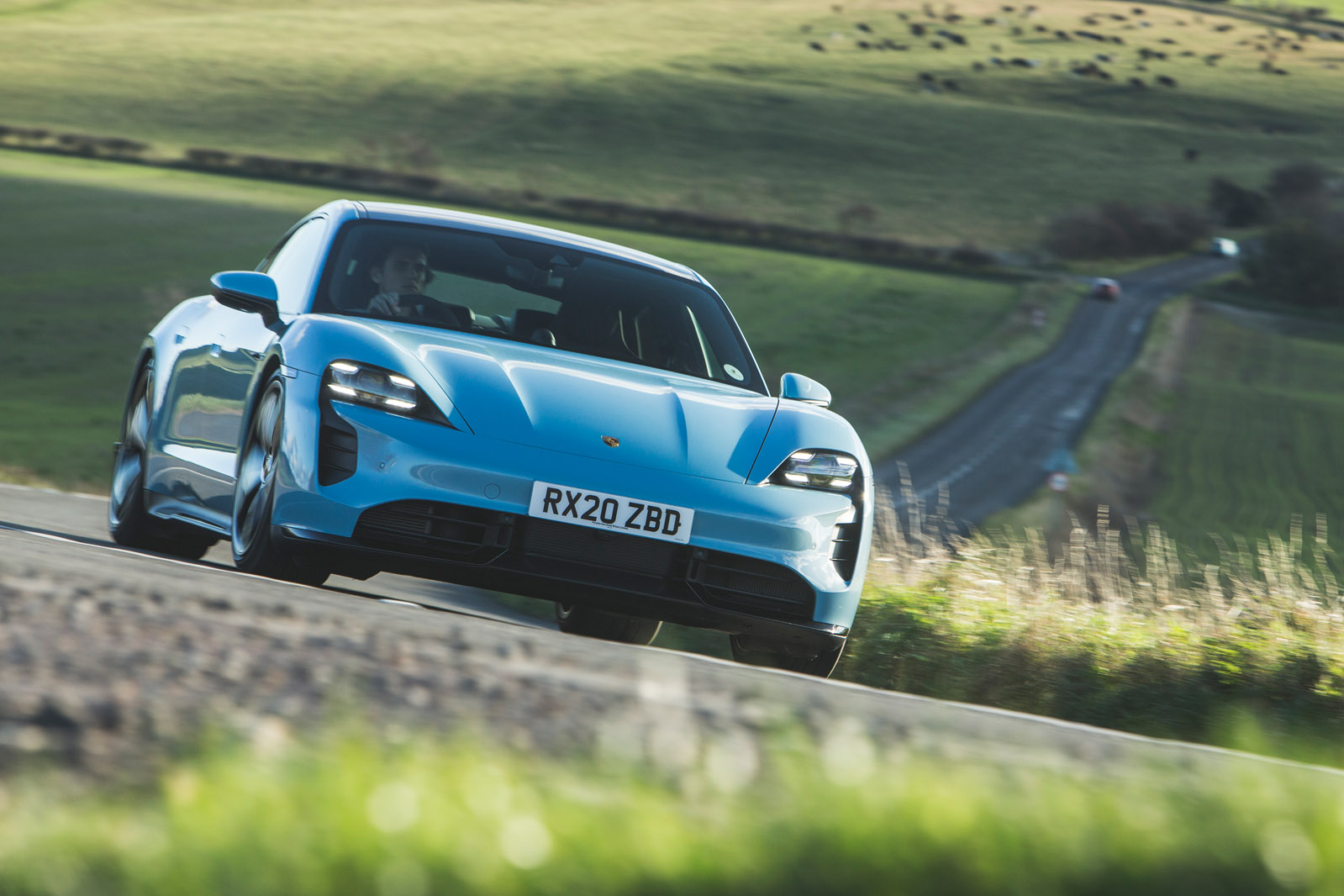
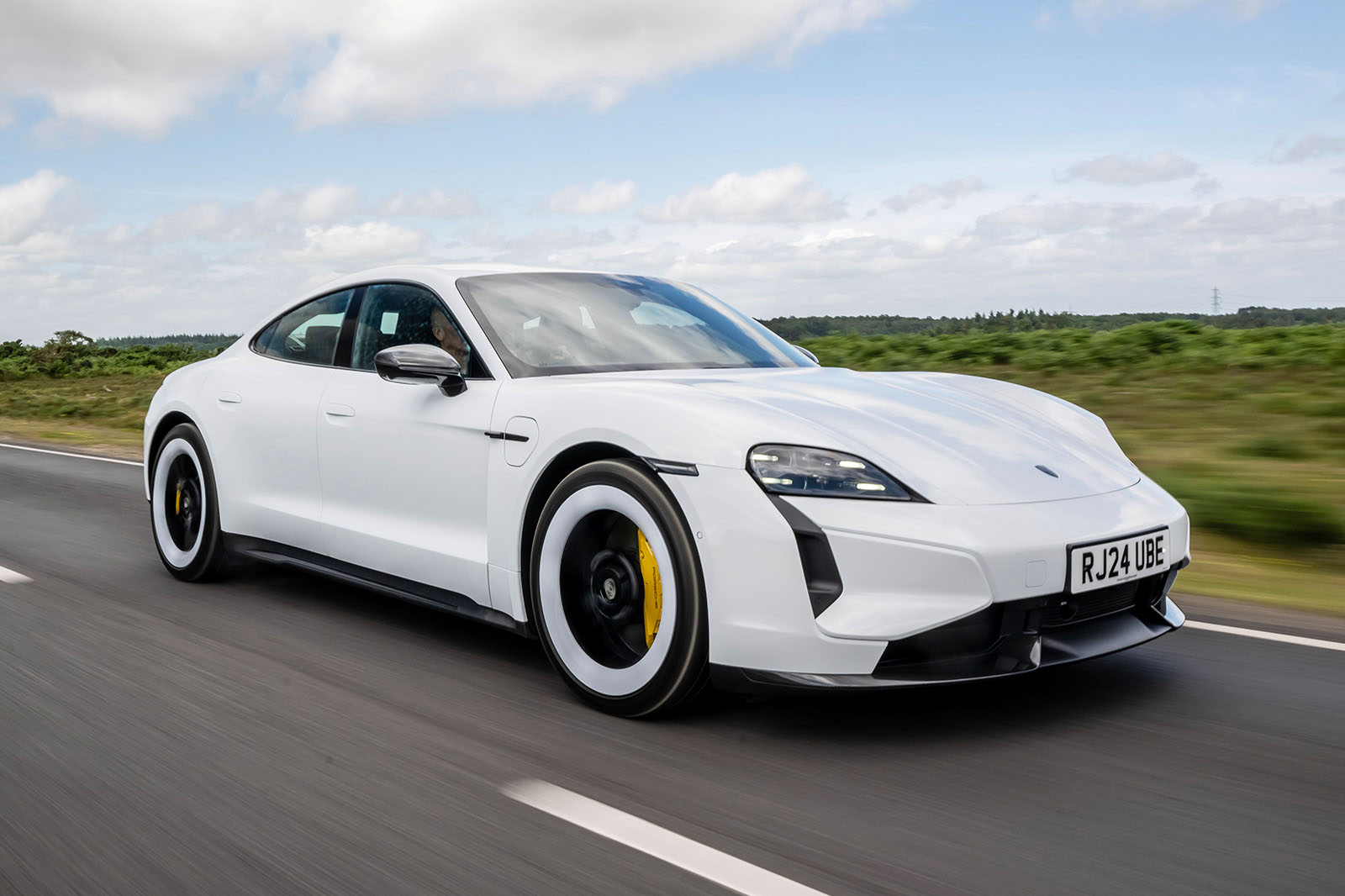
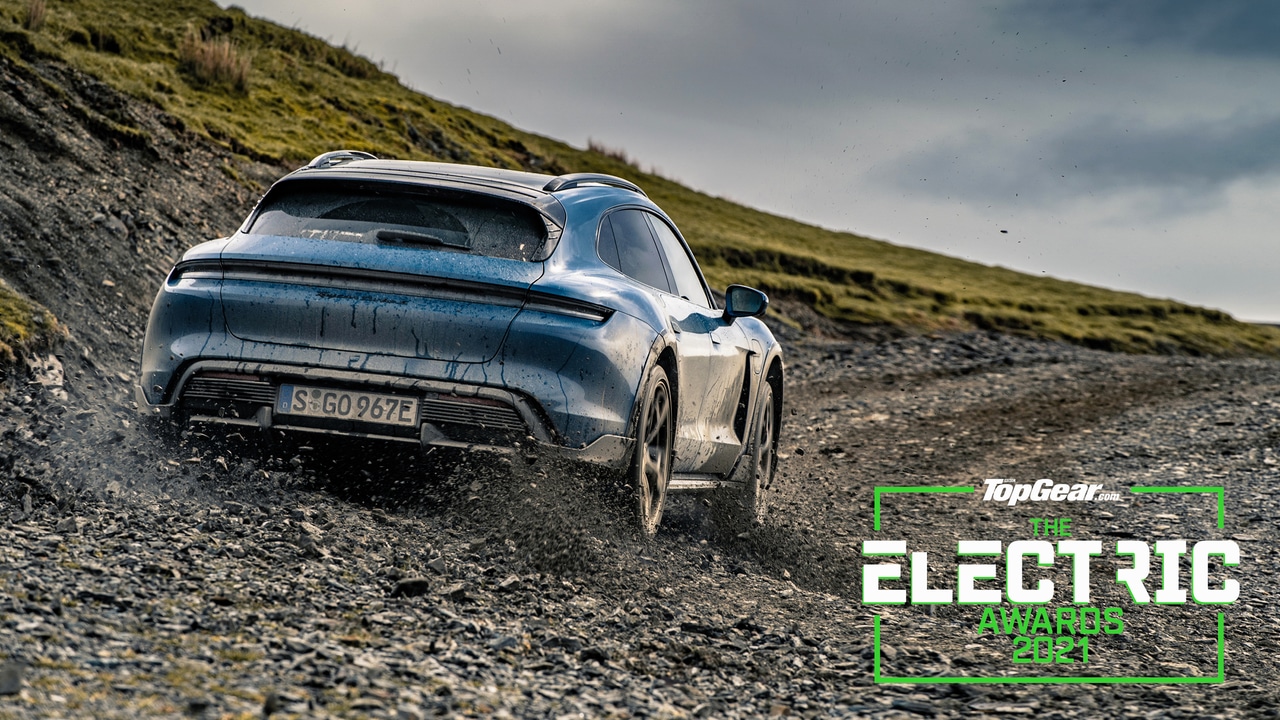
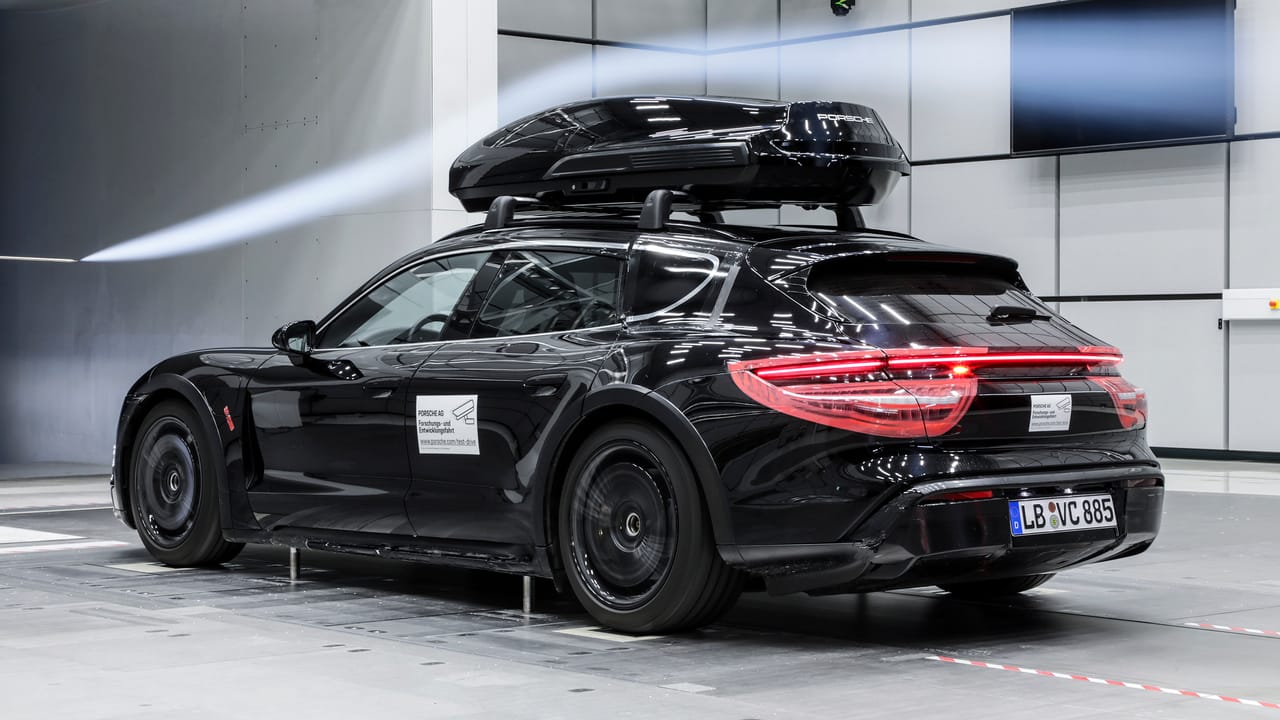
The brand's potent combination of heritage and engineering quality met EV innovation in the new Taycan
In hindsight, the clues were there two years ago, when talk among friends invetably turned to EVs. I was mounting a defense of the usual complaints (short range, too complex, frail charging infrastructure, not even that green anyway) when someone shuffled forward: “Actually, I’ve just put down a deposit on the Porsche Taycan.”
It was a startling moment, because the Taycan, brimful of pioneering tech and due to launch costing more than £100k, was still a promise rather than a reality; and because the admission set off a wave of support. I was on the back foot again. The crowd was unmoved: “Porsche will get it right.”
My friend has since been proved right, of course. At a time when 30,000 people were handing over their name and address to express interest in a car that didn’t exist, he paid a modest, refundable deposit to make sure that he was at the front of the queue. He’s a smart guy: even now, despite an eye-watering 20,015 Taycans being sold last year (compared with 34,328 911s and 21,784 Caymans and Boxsters, to give you an idea of its popularity), there’s a modest waiting list.
It’s a handy reminder of brand heritage and brand appeal. Few manufacturers are so intrinsically linked to their past as Porsche (the certainty of the 911 looking familiar and being somewhere between good and brilliant setting deep roots) yet able to point so clearly to examples of brilliant innovation, from technical breakthroughs to breaking the mould with the ultra-successful Cayenne SUV. Relentless achievement has earned Porsche buyer confidence.
The brand's potent combination of heritage and engineering quality met EV innovation in the new Taycan
www.autocar.co.uk