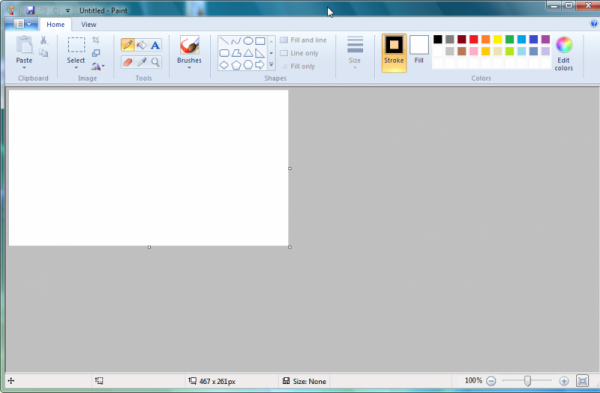
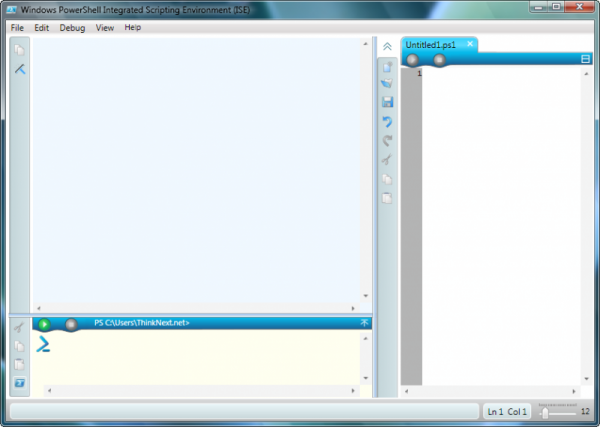
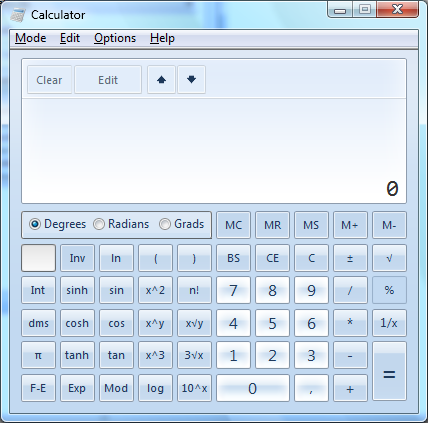
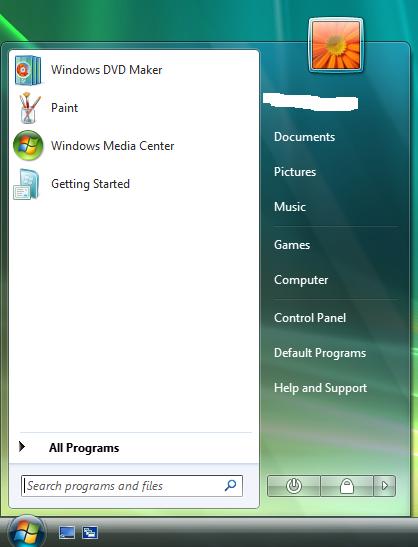
It is basically Vista improved, although it will have 100% computability with applications and hardware that run on Vista.
Not to mention it is built on Windows Server 2008
Read the latest Windows Secrets Newsletter, then you'll get all the info.

Edit: Here you go:
For those waiting for a faster, better-performing version of Windows, you'll have to wait at least nine months for Windows 7.
But if you can't wait, Vista Service Pack 1 may provide a peek into Microsoft's plans to equip Windows 7 with a dramatically smaller, more agile operating-system kernel.
The new kernel is meant to deliver the kind of performance boost that users have been demanding ever since Vista first shipped nearly two years ago. In fact, the new kernel may already be in Vista SP1. (An operating system's kernel is a core piece of the system that manages the computer's resources.)
Unfortunately, Microsoft isn't saying whether Vista's kernel has been updated.
According to an analysis performed by Australian tech publication APC Magazine, Vista's first service pack sports the same kernel as Windows Server 2008: version 6.0.6001. The original release of the Vista kernel was version 6.0.6000, APC said.
Sharing a kernel wouldn't be too much of a stretch, considering that Vista SP1 and Windows Server 2008 were released to manufacturing (RTM) on the same day.
"We are going to build on the success and the strength of the Windows Server 2008 kernel, and that has all of this [kernel] work that you've been talking about," Steven Sinofsky, senior vice president of Windows and Windows Live engineering, told CNET in May.
"The key there is that the kernel in Windows Server 2008 is an evolution of the kernel in Windows Vista, and then Windows 7 will be a further evolution of that kernel as well," Sinofsky added.
Vista SP1 may already have 'MinWin' on board
While Vista SP1 does show some relatively small performance improvements over the original release, that's nothing compared to what Microsoft is hoping to deliver with Windows 7 — that is, if the company follows through on its previous public statements about the OS.
A benchmark test of SP1 done last winter by PC World found small but incremental improvements over Vista RTM in specific areas of performance. For instance, compared to the original release, SP1 was 9% faster on a file-copying test. Meanwhile, results were unchanged from Vista RTM when it came to system startup and shutdown speeds.
Windows 7 — the codename for the next Windows release due by early 2010 — will contain a more evolved version of the kernel, which Microsoft has somewhat confusingly named "MinWin." The company's goal is to dramatically shrink the amount of the code that runs at the heart of the operating system.
"[MinWin] is running in 40MB of memory, a lot less than the 2GB that you're used to" with the original Vista kernel, Microsoft Distinguished Engineer Eric Traut told a group at the University of Illinois at Urbana-Champaign last October.
In his presentation, Traut was adamant that Windows 7 will sport the new, much smaller kernel.
"The core of the system is really streamlined," Traut said.
Since Traut's address, however, Microsoft executives have been less than clear about what MinWin really is. Also, Microsoft pronouncements as to when MinWin will enter the production code base for Windows have been squishy at best.
For instance, last December, Microsoft Technical Fellow Mark Russinovich, who founded Winternals and is a member of the Windows Core Architecture group, told an interviewer on Microsoft's Channel 9 developers' site that the version of MinWin incorporated into Windows Server 2008 is not the same as the MinWin coming in Windows 7.
Making things even murkier, company officials — particularly Sinfosky — decline to discuss MinWin, choosing instead to focus on a point that is many users' hot button: assuring them that applications and drivers will remain compatible even if the kernel changes. In fact, the new kernel may have already debuted in Vista.
"We're very clear that drivers and software that work on Windows Vista are going to work really well on Windows 7; in fact, they'll work the same," Sinofsky told CNET.
Users expect Windows 7 to be faster than Vista
It may be that customers' fears about the effect of a new kernel on the compatibility of device drivers and applications have kept Microsoft officials from being more forthcoming. Still, the confusion has left even savvy technology analysts scratching their heads.
"I have heard that there wouldn't be major changes to the kernel in Windows 7," Charles King, principal analyst at Pund-IT, told Windows Secrets, though he admits that the question could ultimately be a matter of semantics.
If Microsoft slips a new kernel into Windows 7, will anyone really care? Should they care?
"Issues around the kernel should be transparent to users," King added.
Michael Cherry, an analyst at Directions on Microsoft, echoes King's sentiments regarding both the confusion and users' awareness. "I'm not convinced that MinWin isn't already in SP1," he said. "The kernel mode code is not something that the user touches or is even aware of," Cherry added.
The confusion — as well as Microsoft's reluctance to talk about MinWin — may be cleared up on Oct. 28, when the company kicks off its annual Professional Developers Conference in Los Angeles. At the event, officials will present keynote speeches and more than 20 technical sessions on Windows 7. Additionally, all attendees will receive copies of the pre-beta code for Windows 7 to try out.
Microsoft officials have not yet said when end-user beta testing of Windows 7 will start. No release date has been set for the public beta, although news reports state that Microsoft is shooting to issue a beta in mid-December and to deliver the final product in June 2009.
To date, the company has been willing to say only that Windows 7 will be released roughly three years after Vista's consumer launch on Jan. 30, 2007.